admin
How to Fix Brown Edges on Money Tree Leaves: A Complete Rescue Guide
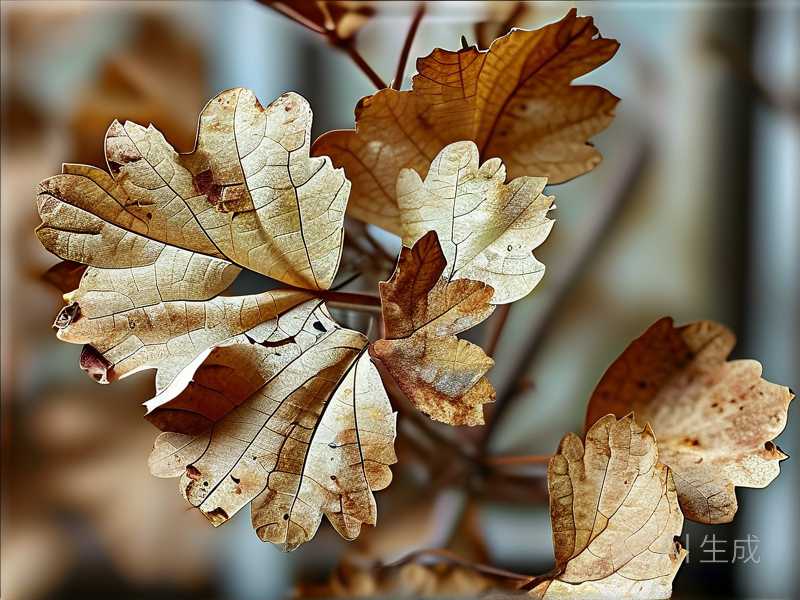
Discovering crispy, brown edges on your Money Tree’s leaves can be alarming. This common issue is a clear distress signal from your plant, but it’s rarely a death sentence. Often mistaken for a simple watering problem, brown leaf edges can stem from a complex interplay of environmental factors. This comprehensive guide will help you diagnose the exact cause and provide actionable, step-by-step solutions to restore your Money Tree to its lush, green glory. By understanding the root causes—from humidity levels to watering techniques—you can not only fix the current damage but also prevent it from recurring, ensuring your plant thrives for years to come.
Understanding Why Money Tree Leaves Turn Brown

Before you can treat the problem, you need to understand it. Brown edges or tips, scientifically a form of leaf scorch, are typically a symptom of moisture stress. However, “moisture stress” doesn’t always mean a lack of water at the roots. It often means the plant is losing water through its leaves faster than it can draw it up from the soil. This imbalance can be triggered by several key environmental factors. The Royal Horticultural Society (RHS) notes that leaf scorch is a classic physiological disorder, frequently caused by adverse environmental conditions rather than a pest or disease. Identifying the specific culprit is the first critical step in your plant rescue mission.
Diagnosing the Cause of Brown Edges on Your Plant
Is it underwatering, overwatering, or something else entirely? Here’s a quick diagnostic checklist to help you pinpoint the issue:
- Check the Soil: Insert your finger about 2 inches deep. Is it bone dry? That suggests underwatering. Is it soggy, wet, or foul-smelling? That points to overwatering and potential root rot.
- Assess the Environment: Is the plant near a heat vent, radiator, or in the path of direct, hot afternoon sun? Low humidity is a major contributor, especially in heated or air-conditioned homes.
- Examine the Pattern: Are the brown edges uniform and crispy, starting at the tip? This often indicates low humidity or chemical/salt buildup. Are the brown patches irregular, sometimes in the center of the leaf, potentially with yellow halos? This could be a sign of overwatering, disease, or sunburn.
- Look at the Pot: Does the pot have drainage holes? Are there visible white crusts on the soil surface or pot rim? This indicates salt and mineral buildup from tap water or over-fertilization.
The 5 Most Common Causes and Their Solutions
1. Low Humidity and Dry Air The Money Tree (Pachira aquatica) is native to tropical wetlands, meaning it thrives in humid conditions. The dry air common in most homes, especially during winter when heating systems run, can sap moisture from the leaves, causing the edges to dry out and turn brown first.
How to Fix Low Humidity for Your Money Tree:
- Use a Humidifier: This is the most effective and consistent solution. Place a humidifier near your plant to maintain a humidity level above 50%.
- Create a Pebble Tray: Fill a shallow tray with pebbles and water, placing the plant pot on top (ensuring the pot’s base is not sitting in water). As the water evaporates, it increases local humidity.
- Group Plants Together: Plants release moisture through transpiration. Grouping them creates a beneficial microclimate with higher humidity.
- Mist with Caution: While light misting can provide temporary relief, it is not a long-term solution and can promote fungal leaf diseases if overdone. Focus on the methods above.
2. Improper Watering Practices Both underwatering and overwatering can lead to brown leaves, but through different mechanisms. Underwatering causes direct drought stress. Overwatering damages the roots, making them unable to absorb water effectively, which paradoxically leads to dehydration in the leaves—a condition known as “root rot-induced drought stress.”
How to Water Your Money Tree Correctly:
- The “Soak and Dry” Method: This is the gold standard. Water your Money Tree thoroughly until water runs freely from the drainage holes. Then, allow the top 1-2 inches of soil to dry out completely before watering again. Never let the plant sit in a saucer of standing water.
- Use the Right Water: Tap water often contains chlorine, fluoride, and dissolved salts that can accumulate in the soil, causing tip burn. Where possible, use filtered water, rainwater, or leave tap water out overnight to allow some chemicals to dissipate.
- Adjust for Seasons: Your plant’s water needs decrease in fall and winter when growth slows. Water less frequently during these cooler, darker months.
3. Chemical and Salt Buildup in Soil Fertilizers and minerals in tap water (like fluoride and chlorine) can accumulate in the potting mix over time. This buildup increases the soil’s salinity, which can “burn” the roots and prevent proper water uptake, manifesting as brown leaf margins.
How to Flush Soil and Prevent Salt Buildup:
- Leach the Soil Periodically: Every 4-6 months, take your plant to a sink or bathtub. Slowly run a large volume of room-temperature, filtered water through the soil for several minutes, allowing it to drain completely. This flushes excess salts out of the drainage holes.
- Fertilize Judiciously: Feed your Money Tree only during the active growing season (spring and summer) with a balanced, water-soluble fertilizer diluted to half-strength. Avoid fertilizing in late fall and winter.
- Repot Every 1-2 Years: Fresh potting mix resets the nutrient and mineral balance. When repotting, gently loosen the root ball and shake away some of the old, compacted soil.
4. Too Much Direct Sunlight While Money Trees need bright light to grow well, intense, direct sunlight—particularly through a south or west-facing window—can scorch the leaves. This sunburn appears as bleached, brown, or crispy patches, often on the leaves facing the light source.
Finding the Ideal Light for a Healthy Money Tree:
- Provide bright, indirect sunlight. An east-facing window is ideal, or a spot a few feet back from a south or west-facing window.
- Use a sheer curtain to diffuse harsh direct rays.
- If you notice signs of scorch, move the plant to a slightly shadier location immediately.
5. Temperature Stress and Drafts Money Trees prefer stable, warm temperatures between 65°F and 80°F (18°C – 27°C). Sudden temperature fluctuations, cold drafts from windows or doors, or blasts of hot air from vents can shock the plant, leading to stress symptoms like browning leaves.
How to Stabilize Your Plant’s Environment:
- Keep your plant away from air conditioning vents, heating registers, drafty windows, and exterior doors.
- Avoid placing it on top of televisions or appliances that generate heat.
- Maintain a consistent room temperature within its preferred range.
Pruning and Ongoing Care for Damaged Leaves
Once you’ve corrected the underlying issue, you can address the damaged foliage. Brown edges will not turn green again. Pruning them improves the plant’s appearance and allows it to redirect energy to new, healthy growth.
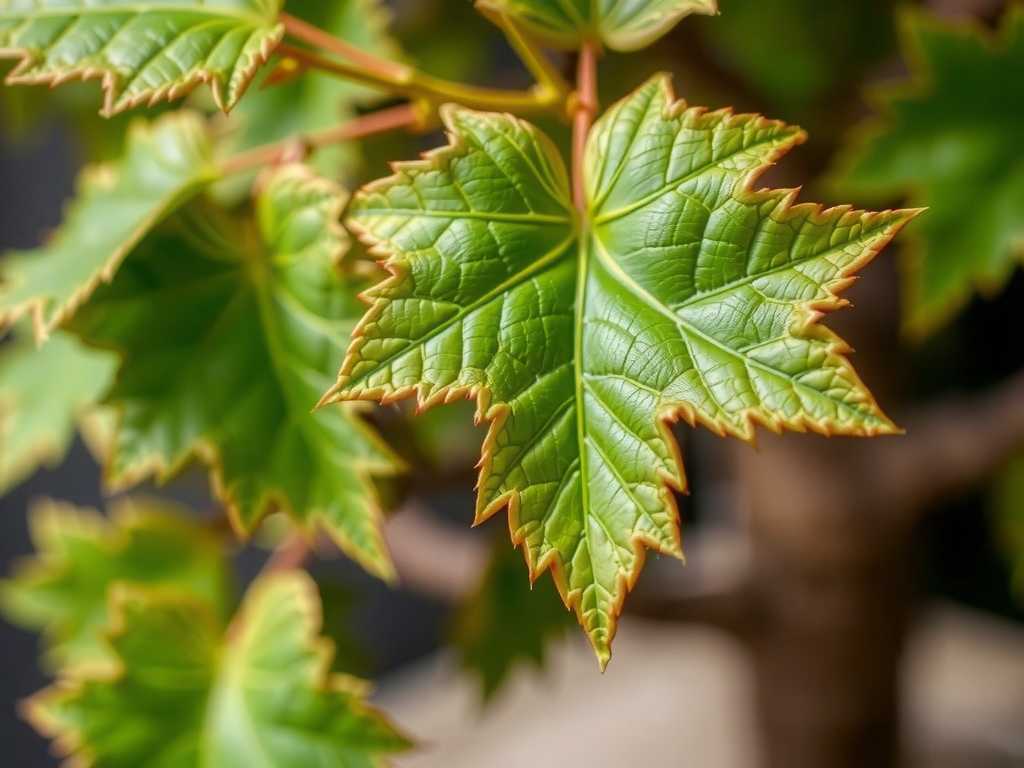
- Use clean, sharp scissors or pruning shears. Wipe them with rubbing alcohol between cuts to prevent spreading any potential disease.
- Trim carefully. You can trim the brown tips off, following the natural leaf shape. If a leaf is mostly brown and damaged, it’s best to remove the entire leaf at the base of its stem.
- Be patient. New growth is the ultimate sign of success. With proper care, your Money Tree will soon produce fresh, unblemished leaves.
Why are the tips of my Money Tree turning brown even though I water it regularly? This is a classic sign of low humidity or chemical buildup in the soil. Regular watering addresses root moisture but not atmospheric moisture. The dry air in your home is likely causing the leaves to lose water faster than the roots can supply it. Switch to filtered water, implement a humidity solution like a pebble tray or humidifier, and ensure you are following the “soak and dry” watering method, not just giving small, frequent sips.
Can I save a Money Tree with completely brown leaves? It depends on the health of the stems and roots. If the stems are still firm and green inside (scratch the bark lightly with your fingernail to check), there is hope. Remove all the dead leaves, address the root cause (often overwatering leading to root rot), and repot into fresh, well-draining soil if necessary. Place it in bright, indirect light and water sparingly until you see new growth. If the stems are mushy and brown throughout, the plant may not be salvageable.
Should I cut off the brown edges on my Money Tree leaves? Yes, trimming the brown edges is recommended for both aesthetic and plant health reasons. It creates a cleaner look and helps the plant focus its resources on supporting healthy tissue and producing new growth. Always use clean tools to make precise cuts, and consider it the final step after you have identified and corrected the environmental problem that caused the browning in the first place.
Addressing brown edges on your Money Tree is a process of observation and adjustment. By systematically checking humidity, refining your watering routine, monitoring light exposure, and maintaining a stable environment, you provide the consistent care this resilient plant craves. Remember, the goal is not just to fix the current symptoms but to create an environment where they are unlikely to return. With the insights from this guide, you’re equipped to transform those troubling brown tips into a distant memory, fostering a thriving, vibrant Money Tree that brings a touch of robust, green life to your space.