admin
admin How to Stop Spider Mite Webbing on Shaded Inner Money Tree Branches
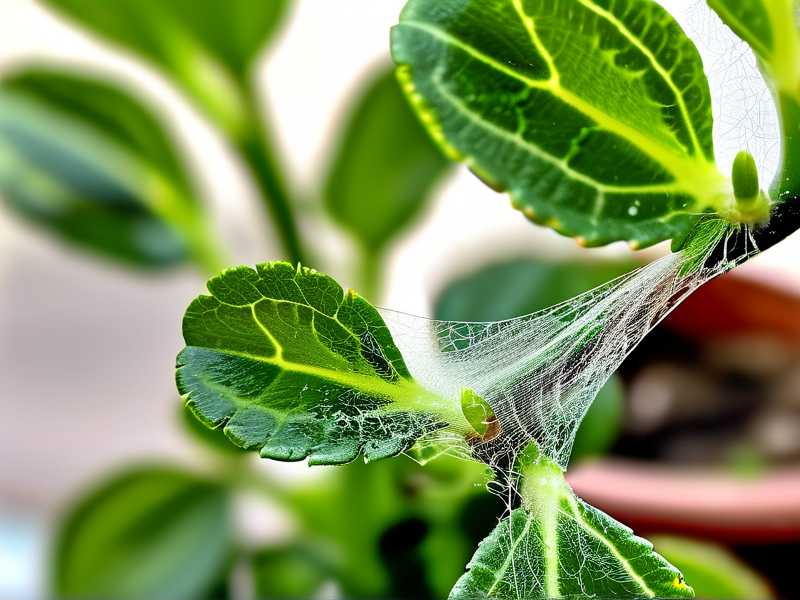
If you've spotted fine, silky webbing draped across the shaded inner branches of your money tree, you're dealing with spider mites, and you need to act fast. I've battled this exact problem twice in my own living room, and the fix isn't just about spraying something. It's about changing the environment that invited them in the first place. Spider mites love dry, still air and the protected darkness deep inside a money tree's canopy. That shaded inner zone is their perfect hideout. The good news? You can break the cycle in about two weeks if you're consistent. I'll walk you through exactly what I did, step by step, including the mistakes that cost me a plant the first time around.
Money trees, or Pachira aquatica, are those braided-trunk beauties you see in every home improvement store. They look tropical and forgiving, which is why so many of us grab one. But they have a hidden weakness: the dense inner branches that never get direct light or airflow become a breeding ground for pests. Spider mites are tiny, sometimes just specks, and they spin webbing to protect their colonies. By the time you see webbing, you already have an infestation. I learned that the hard way.
The good news is that eradicating spider mites on a money tree is totally doable without harsh chemicals. You just need to be more stubborn than they are. And you need to understand why they chose that shaded inner zone in the first place.
Why Spider Mites Target Shaded Inner Money Tree Branches
Spider mites are not insects. They're arachnids, related to spiders and ticks. That matters because many general-purpose insecticides don't work on them. In fact, some can make things worse by killing off beneficial predators.
These pests thrive in conditions that most houseplants tolerate but don't love: low light, low humidity, and stagnant air. The inner branches of a money tree create a microclimate that's darker, drier, and calmer than the outer canopy. It's like a tiny desert tucked inside your plant. According to the Royal Horticultural Society (RHS), spider mites reproduce faster in hot, dry conditions, and a single female can lay hundreds of eggs in her short life. That's why ignoring the problem for even a week can lead to a full-blown webbing situation.
I once let a money tree sit in a corner where it got maybe two hours of indirect light a day. Within three weeks, the inner branches were covered in webbing. I thought the plant was just dusty. Nope. It was a spider mite metropolis.
The Two-Week Action Plan I Used to Stop the Webbing
Here's exactly what I did, and what you can copy. I'm not going to pretend this is a one-spray miracle. It takes about 14 days of consistent effort. But it works.
Day 1: Isolate and Inspect
First, move the money tree away from all other plants. Spider mites spread by crawling or by hitching a ride on drafts. I put mine in the bathroom, which had a window and a door I could close.
Then, grab a flashlight and a magnifying glass if you have one. Look at the undersides of leaves on those shaded inner branches. You'll see tiny moving specks, often reddish or pale green. You'll also see the webbing, which looks like really fine, irregular spider silk. It's not as structured as a spider web. It's messier.
Day 1: Shower and Prune
I took the plant to the shower and gave it a lukewarm rinse. Not hot. Hot water can damage leaves. I focused the spray on the undersides of leaves and the inner branches. The force of the water knocks off a lot of mites and disrupts webbing. The RHS actually recommends a strong jet of water as a first-line defense for spider mites on indoor plants.
After the shower, I pruned. This was hard because I hated cutting off healthy-looking growth. But the inner branches that were heavily webbed were never going to recover well. I used clean, sharp pruners and cut those branches back to the main trunk. I put the cuttings in a sealed bag and threw them in the trash outside. Don't compost them. Don't leave them in the house.
Day 1: Treat with Insecticidal Soap
Right after showering and pruning, I sprayed the entire plant with insecticidal soap. I used a ready-to-use bottle from the garden center. The key is to coat the undersides of leaves and the stems thoroughly. Insecticidal soap works by contact, so if you miss a spot, those mites survive.
I repeated this spray every three days for two weeks. That's because the soap kills adults and nymphs but not eggs. The eggs hatch in about three to five days, so you need to catch the new generation before they lay more eggs. Missing a spray day means starting over. I learned that the first time. I sprayed once, felt proud, and then watched the webbing come back with a vengeance.
Day 3 to Day 14: Increase Humidity and Airflow
Spider mites hate humidity. They also hate moving air. So I made the bathroom a humid, breezy place. I ran a small humidifier near the plant, keeping the humidity around 60%. I also put a small oscillating fan on low, pointed indirectly at the plant, just to keep air moving through those inner branches.
This was the game-changer. The webbing stopped spreading by day five. By day ten, I saw no new webbing. By day fourteen, I inspected with a magnifying glass and found zero live mites. I kept the humidifier and fan going for another week just to be safe.
What I Learned About Light and Shade for Money Trees
The whole reason spider mites picked the inner branches is that those branches were in deep shade. Money trees need bright, indirect light. Not direct sun, which can scorch the leaves. But they don't want to be in a dark corner either.
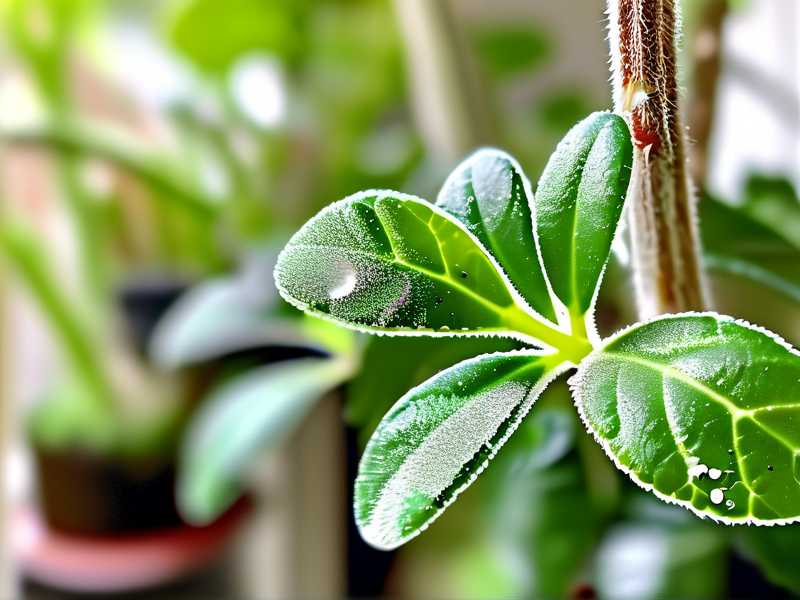
I used to think "low light" meant "no light." That's wrong. A money tree in a dim hallway will survive, but it won't thrive. And a struggling plant is a pest magnet. The American Horticultural Society (AHS) notes that stressed plants release compounds that can attract pests. So keeping your money tree healthy is your first line of defense.
I now keep my money tree about three feet from a south-facing window with a sheer curtain. It gets bright, filtered light all day. The inner branches still get less light than the outer ones, but they get enough to stay healthy. I also rotate the plant a quarter turn every time I water it. That keeps all sides getting some light and prevents that dense, dark inner zone from becoming a permanent mite nursery.
The Three Biggest Mistakes New Money Tree Owners Make
I've made all three of these. Let me save you the heartbreak.
Mistake 1: Overwatering
This is the big one. I can't tell you how many money trees I've killed by loving them too much with the watering can. Here's a stat that stuck with me: 90% of indoor plants die from overwatering. That's not an exaggeration. Money trees store water in their thick trunks and roots. They're more like succulents than ferns. If the soil stays wet, the roots rot. And a rotting plant is weak. And a weak plant gets spider mites.
I water my money tree only when the top two inches of soil are dry. I stick my finger in. If it's even slightly damp, I wait. In winter, I water maybe once every three weeks. In summer, once every ten days. That's it.
Mistake 2: Wrong Light
Putting a money tree in a dark corner because it's "low maintenance" is a death sentence. I did this with my first money tree. It lasted four months. The leaves yellowed, then dropped. Then the spider mites moved in. I thought the plant was just old. Nope. It was starving for light.
Now I use a simple light meter app on my phone to check. I aim for 200 to 400 foot-candles at the leaf surface. That's bright indirect light. If you don't have a meter, just remember: you should be able to read a book comfortably near the plant during the day without turning on a lamp.
Mistake 3: Wrong Pot
I once repotted a money tree into a gorgeous ceramic pot that had no drainage hole. I thought I'd just be careful with water. I wasn't. Water pooled at the bottom, roots sat in it, and the plant decline started within two weeks. Spider mites showed up a month later.
Now I only use pots with drainage holes. I also use a well-draining mix: two parts potting soil, one part perlite, one part orchid bark. That combo lets water flow through fast. I also size up only one pot size at a time. A too-big pot holds too much moisture around the roots.
My Favorite Spider Mite Treatment for Money Trees
I've tried a few things. Neem oil works but it's slow and smelly. Insecticidal soap is my go-to because it's fast and safe for indoor use. I also tried a homemade mix of water, dish soap, and rubbing alcohol. It worked okay, but I burned a few leaves because I didn't test it first. Always test any spray on a small leaf area and wait 24 hours before spraying the whole plant.
For severe infestations, I've had good luck with a product containing azadirachtin, which is a refined neem extract. It disrupts the mites' feeding and breeding. But it's not a knock-down killer. You still need to spray every few days.
One thing I don't recommend: systemic insecticides. They can work, but they're overkill for a houseplant and can harm beneficial insects if you move the plant outside. Plus, spider mites aren't insects, so many systemics don't even target them.
How to Prevent Spider Mites from Coming Back
After my two-week battle, I didn't want to do it again. So I changed my routine.
Every time I water, I check the undersides of three or four leaves on the inner branches. Just a quick glance. If I see any fine webbing or specks, I shower the plant immediately.
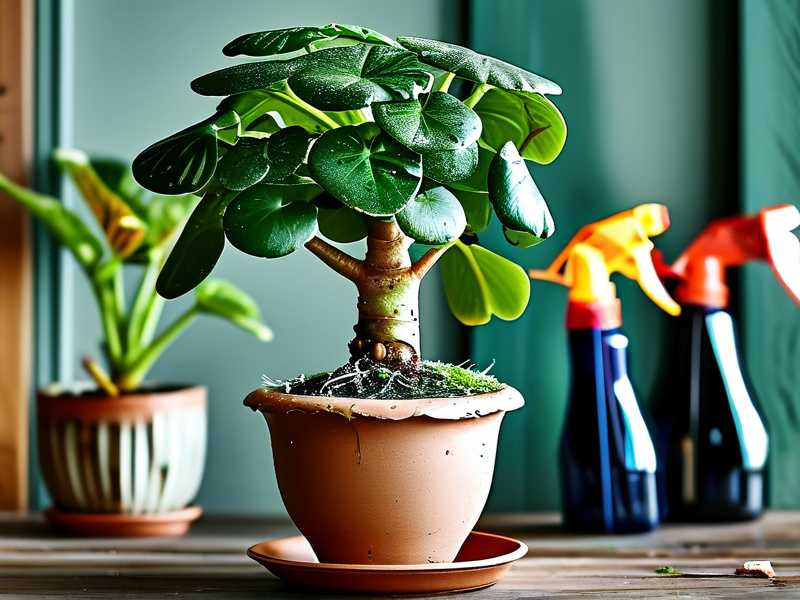
I also keep a small spray bottle of insecticidal soap under the sink. That way, if I see something, I can act that same day instead of waiting for a garden center trip.
And I run a humidifier near my money tree from October through March, when indoor air gets dry from heating. That alone has kept spider mites away for two years now.
What About the Webbing That's Already There?
If the webbing is thick and covers a lot of branches, you might need to be aggressive. I've cut off entire inner branches that were more web than leaf. It felt brutal, but the plant bounced back with new growth in a few weeks. Money trees are surprisingly resilient if their roots and light are right.
Don't try to wash the webbing off with a cloth. You'll just spread mites around. Use water pressure from a shower or hose, then treat with soap.
A Note on Shaded Inner Branches
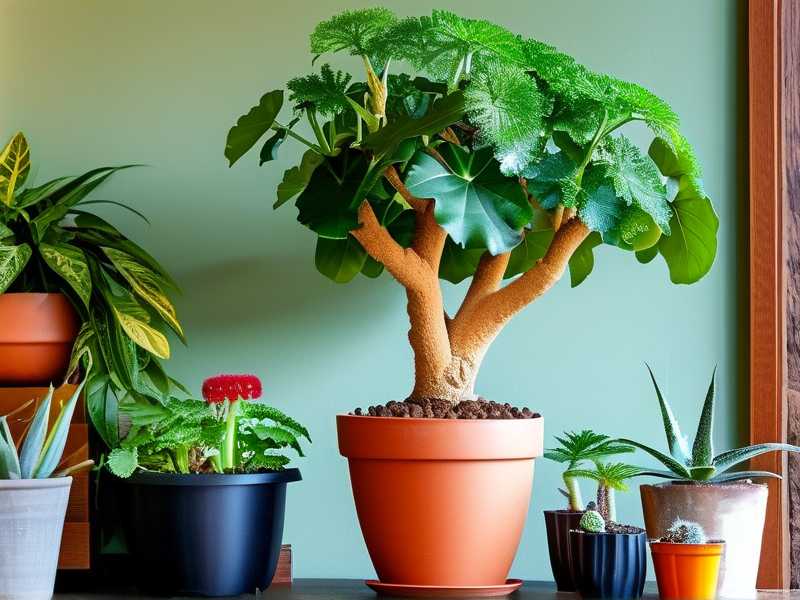
If your money tree is dense, you might want to thin out the inner branches a little. Not a heavy prune, just remove a few of the smallest, weakest stems that are buried in darkness. That opens up airflow and lets light reach deeper. I do this in early spring, right before the growing season. It's made a huge difference in keeping the inner zone healthy.
I also rotate my money tree every week. I know I mentioned it earlier, but it's worth repeating. A quarter turn keeps all sides getting light. Without rotation, one side stays shaded and that's where mites will show up.
Frequently Asked Questions
Can I just use water to get rid of spider mites on my money tree?
Water alone will knock off a lot of mites and break up webbing, but it won't kill eggs. You need to repeat the water shower every three days for two weeks, or combine it with insecticidal soap. I've tried water-only and the mites came back every time.
Will spider mites kill my money tree?
They can if you ignore them. A heavy infestation weakens the plant, and combined with overwatering or low light, it can be fatal. But if you catch it early and follow a consistent two-week treatment, your money tree will likely recover. I've saved two out of three infested money trees. The one I lost was already rotting from overwatering.
Do spider mites live in the soil?
Mostly no. They live on the leaves and stems. But they can drop into the soil and crawl back up. That's why I also spray the top of the soil lightly with insecticidal soap. It's not a perfect barrier, but it helps.
Should I throw away my money tree if it has webbing everywhere?
Not necessarily. If the trunk is still firm and there are some healthy leaves, you can save it. I cut one of my money trees back to just two main branches. It looked terrible for a month. Then it pushed out new leaves and came back stronger. Give it a chance if the roots and trunk are okay.
Final Thoughts
Spider mite webbing on shaded inner money tree branches is a sign that your plant's environment is off. Too dry, too dark, too still. The fix is part pest control and part environment repair. Shower the plant, prune the worst branches, spray with insecticidal soap every three days for two weeks, and add humidity and airflow. Then keep the light bright and indirect, water only when the top two inches of soil are dry, and use a pot with drainage holes.
I've killed my share of money trees. The ones that survived are the ones where I stopped guessing and started paying attention to the basics. Spider mites are a symptom, not the root cause. Fix the root cause, and the webbing won't come back.