admin
admin How to Treat Mealybug-Wounded Soft Rotting Money Tree Stem Tissue
If your money tree stem has gone soft, mushy, and brown where mealybugs were feeding, you need to act today—not next week. Cut away all soft tissue with a sterilized blade until you hit firm, green-white flesh, then dust the wound with cinnamon or sulfur powder and let it callus in dry air. That's the short answer. The long answer is what saved my own plant after I nearly threw it in the bin.
I've grown money trees for years, and I'll be honest: the first time I saw mealybugs turn a stem into brown pudding, I panicked and overwatered it "to help." That plant died in four days. The second one survived because I finally understood what was actually happening.
Why Mealybugs and Soft Rot Are a Deadly Combo
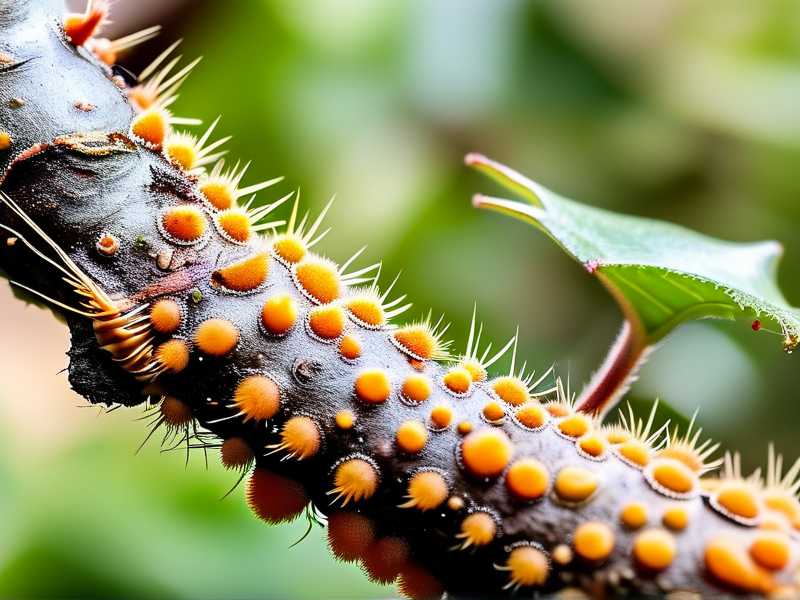
Mealybugs don't just sip sap. They puncture the stem tissue, and every puncture is an open door for bacteria and fungi.
That's the part most people miss.
The white cottony bugs themselves are annoying. The real killer is the rot that moves in behind them. I've watched a stem look fine on Monday and collapse by Thursday.
According to the RHS, mealybugs thrive in warm, dry indoor conditions—exactly what money trees get in most homes. And the AHS notes that wounded succulent tissue is far more vulnerable to secondary infections than intact tissue.
So you're dealing with two problems at once: the pest and the rot.
My First-Hand Treatment Steps (With 2-Week Results)
Here's exactly what I did when my Pachira aquatica stem started rotting under a mealybug cluster.
Step 1: Isolate and Inspect
Move the plant away from everything else immediately. Mealybugs crawl, and rot spreads through shared water.
I put mine on a baking sheet in the bathroom—no shared saucer, no shared humidity.
Step 2: Sterilize Your Tools
Use rubbing alcohol on pruners or a sharp knife. I wipe between every single cut. Skipping this is how you push bacteria deeper into healthy tissue.
Step 3: Cut Back to Clean Tissue
This is the hard part emotionally.
Cut below the rot until you see firm, pale green or white stem. No brown streaks, no mush. If the rot reaches the base, you may need to behead the plant entirely.
I lost about 3 inches of stem. It felt brutal. It was necessary.
Step 4: Treat the Wound
I dusted the cut with cinnamon first (it's a mild antifungal), then a light layer of garden sulfur. Some growers use activated charcoal. All work.
Keep the wound dry. No water for at least 5 days.
Step 5: Kill the Mealybugs
Dip a cotton swab in 70% isopropyl alcohol and touch every bug you see. They turn brown and die on contact.
Then spray the whole plant with neem oil or insecticidal soap, underside of leaves included. Repeat every 7 days for 3 weeks.
What I Saw Over 2 Weeks
- Day 1–3: Wound callused over. No new mush.
- Day 5: First spray. Found 3 surviving mealybugs hiding in leaf axils.
- Day 7: Second spray. No live bugs visible.
- Day 10: New tiny leaf bud appeared near the cut.
- Day 14: Stem firm, no spread. I knew it would live.
That's the honest timeline. Nothing happens fast, but firm tissue on day 14 is your green light.
The 3 Deadly Mistakes New Growers Make
I made all three. You don't have to.
1. Overwatering
Here's the line you need to remember: 90% of indoor plants die from overwatering.
Soft rot loves wet tissue. If you pour water on a wounded stem, you're feeding the bacteria. I did this once and watched the rot jump 2 inches overnight.
Water only when the top 2–3 inches of soil are dry. Less in winter.
2. Wrong Light Placement
Money trees want bright, indirect light. Direct sun scorches leaves. Deep shade weakens the plant and slows wound healing.
I once put a recovering plant in a dark corner "to rest." It grew mold instead.
3. Using the Wrong Pot
No drainage hole? That's a death sentence. I killed my third money tree in a cute ceramic pot with no holes. Water sat at the bottom and rotted the base.
Use terracotta or a pot with drainage holes. Always empty the saucer.
Light and Water After Treatment
Once the wound calluses, treat the plant like a recovering patient—gentle, consistent care.
Light: 6–8 hours of bright, filtered light. East or west window works well. Sheer curtain if sun is harsh.
Water: Deep water, then let it dry. Never on a schedule. Stick your finger in the soil. If it's damp, wait.
Humidity: 40–60% is fine. Don't mist the wound.
Soil, Repotting, and Feeding
After rot, fresh soil matters. Old soil holds bacteria.
Use a mix of 2 parts potting soil, 1 part perlite, 1 part orchid bark. It drains fast.
Repot only when roots fill the pot—usually every 2 years. Don't repot a wounded plant until it's stable.
Fertilize with diluted liquid fertilizer (half strength) once a month in spring and summer. No fertilizer in fall or winter. No fertilizer on a fresh wound.
Seasonal Care for a Recovering Money Tree
Spring: Best time to prune, repot, and fertilize. New growth tells you the plant is winning.
Summer: Watch for mealybugs returning. They love heat. Check leaf joints weekly.
Fall: Reduce water and stop fertilizing. Let the plant slow down.
Winter: Keep it warm (above 55°F / 13°C). Water sparingly. Dry air invites pests—run a humidifier nearby, not on the plant.
FAQ
Can a money tree recover from soft rot without cutting?
No. Soft rot spreads. If you don't cut, the whole stem will collapse within days.
How often should I check for mealybugs after treatment?
Once a week for at least 2 months. They hide in leaf axils and soil edges.
What if the rot reaches the roots?
You can try beheading above the rot line, rooting the cutting in water or perlite. It's a long shot but possible.
The truth is simple. Meal ybug wounds plus moisture equals rot. Dry the wound, cut the rot, kill the bugs, and wait. Your money tree can come back—mine did.