admin
admin How to Stop Bacterial Infection from Pruning-Shear Wounds on Money Tree
If your money tree is oozing dark sap or developing black spots after a trim, you are likely dealing with a bacterial infection from pruning-shear wounds on money tree. I have lost two Pachira aquatica to this exact problem, and I can tell you that ignoring it for even a few days makes things much worse. The good news is that it is fixable if you act fast. In this guide I will walk you through exactly what I did over a two-week period to stop the infection, plus the mistakes that almost killed my plant.
Money trees are forgiving houseplants most of the time. They tolerate average humidity, they do fine in bright indirect light, and they even bounce back from a missed watering here and there. But the moment you cut into a stem with dirty pruners, you open a door for bacteria that the plant cannot easily close on its own. That is the part most care guides skip.
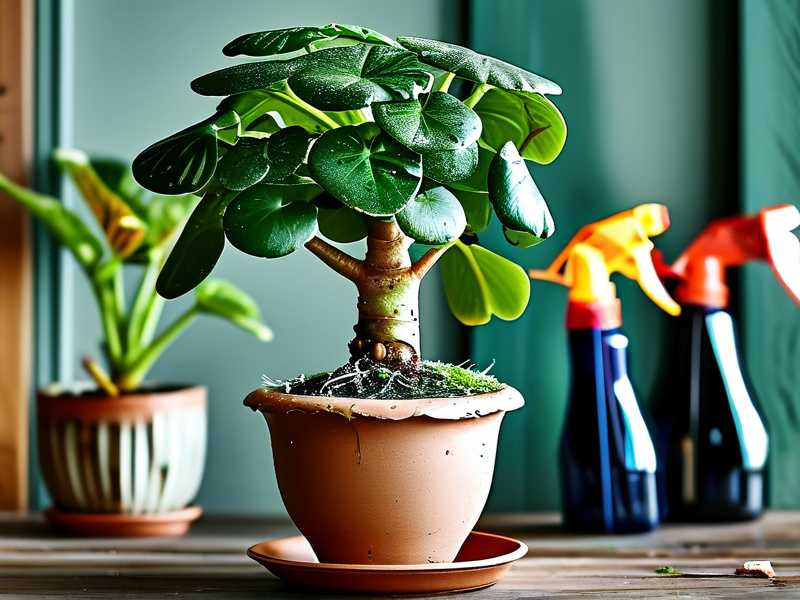
Why Pruning Wounds Get Infected in the First Place
Bacteria like Pseudomonas and Erwinia are everywhere. They live on dust, on old potting soil, on your hands, and yes, on the blades of your pruning shears. When you make a clean cut, the plant seals it off with a callus layer fairly quickly. But if the cut is jagged, or if the shears are dirty, or if you water right after pruning, bacteria slip into the vascular tissue and start multiplying.
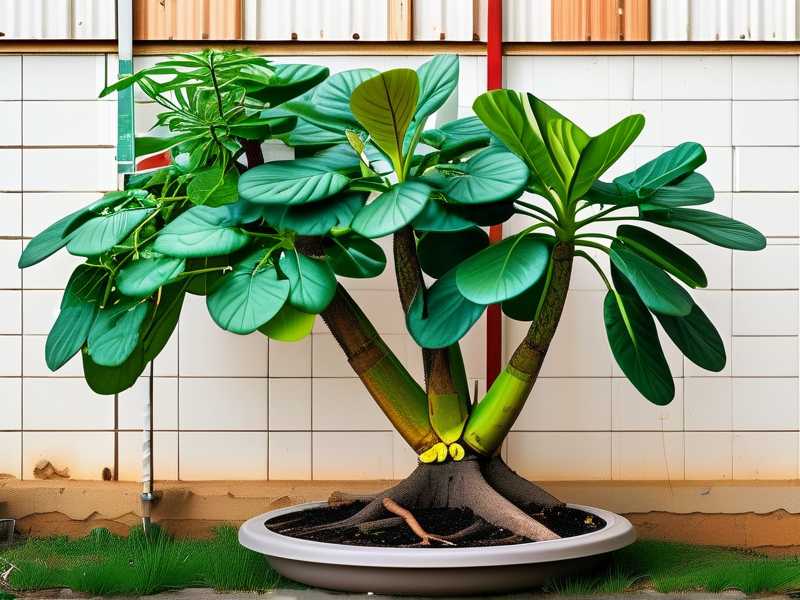
The first sign is usually a dark, wet-looking streak running down from the cut. Sometimes it looks like a bruise. Then the stem goes soft. If you squeeze it gently and it feels mushy, you are past the early stage. I learned this the hard way with my first money tree. I trimmed three branches, watered it the same evening, and within four days the tallest trunk had a black line running halfway down.
My Two-Week Recovery Plan That Actually Worked
Here is the step-by-step process I used on my second plant. I checked it every single morning and evening, and I am giving you the real timeline.
Day 1: I stopped watering immediately. I moved the plant to a spot with good airflow but no direct sun. I mixed one part 3% hydrogen peroxide with two parts distilled water and dabbed it on the wound with a clean cotton swab. I did not soak the stem. Just a light dab.
Day 2–3: I checked for spreading. The dark area had not grown. I let the cut surface dry completely. No misting, no watering. I also wiped my pruning shears with 70% isopropyl alcohol even though I was not cutting anything. Habit matters.
Day 4–7: The wound started to callus over. It looked like a dry, tan scab. I resisted every urge to pick at it. Picking at a healing wound is basically inviting round two. During this time I did not fertilize. I did not repot. I just left it alone.
Day 8–14: I saw new growth emerge from a node below the cut. That was my signal that the plant was winning. I gave it a tiny sip of water, maybe a quarter cup, and waited two more days before watering normally again.
By the end of week two, the black streak had stopped spreading. It never fully disappeared, but it dried out and the plant sealed it off. Six months later that money tree is still alive, though it has a scar. I keep it as a reminder to clean my tools.
The Three Mistakes That Kill Most Money Trees
I have made all three of these, and I have watched friends make them too.
Mistake one: overwatering. You have probably heard this before, but it bears repeating. 90% of indoor plants die from overwatering. When a pruning wound is fresh, excess moisture in the soil creates the perfect environment for bacteria to travel up the stem. I used to think "just a little extra water will help it heal." Wrong. It does the opposite.
Mistake two: wrong light. After pruning, some people move the plant to a dark corner to "rest." That is a bad idea. Low light slows down the plant's ability to form callus tissue. But direct harsh sun can scorch the wound. Bright indirect light is the sweet spot. My east-facing window with a sheer curtain works perfectly.
Mistake three: wrong pot. A pot without drainage holes traps water at the bottom. That stagnant moisture keeps the lower stem wet, and bacteria love wet stems. I once kept a money tree in a decorative ceramic pot with no holes because it looked nice. That plant died in three weeks. Now every single one of my plants sits in a nursery pot inside a cachepot that I empty after watering.
What the Experts Say About Wound Care
The Royal Horticultural Society (RHS) recommends sterilizing pruning tools between every cut when working with plants prone to bacterial issues. That might sound excessive for a home gardener, but I started doing it after my first loss, and I have not had a repeat infection since. You can find their full guidance at https://www.rhs.org.uk.
The American Horticultural Society (AHS) also notes that avoiding overhead watering after pruning significantly reduces bacterial spread. You can read more at https://ahsgardening.org. I know it is tempting to give the plant a good soak after a stressful trim, but hold off for at least a week. Your money tree will thank you.
Preventing the Next Infection
Prevention is honestly easier than treatment. Here is what I do now every time I prune my money tree or any other houseplant.
I sterilize my shears with alcohol wipes before and after every use. I make cuts at a slight angle so water does not pool on the wound. I prune in the morning so the cut has all day to dry. I never prune more than a third of the plant at once. And I wait at least ten days before watering after a significant trim.
I also keep a small bottle of hydrogen peroxide mixed with water in a spray bottle. It is not a cure-all, but it helps for minor cuts. For anything deeper than a quarter inch, I use a cotton swab instead of spraying.
One more thing: if you catch the infection early, you can sometimes save the plant by cutting below the infected area entirely. I had to do this once. I cut two inches below the black streak, sterilized the new cut, and sealed it with a dab of cinnamon powder. The plant survived, but it lost its main trunk shape. It grew back bushier, which was a nice surprise.
Frequently Asked Questions
Can a money tree recover from a bacterial infection on its own?
Sometimes, but only if the infection is very mild and you stop all watering immediately. In most cases you need to help it by drying the wound and improving airflow. If the stem is mushy, the plant cannot heal that section. You will need to cut below the infection.
Should I use cinnamon or charcoal on the wound?
I have used cinnamon with decent results. It has mild antibacterial properties and helps dry the cut. Activated charcoal works too. But neither replaces clean tools and proper watering habits. Think of them as helpers, not cures.
How long does it take for a pruning wound to heal?
With good conditions, a money tree callus forms in about five to ten days. Full sealing takes two to three weeks. If you see the wound getting darker or softer after a week, that is a sign the infection is still active. Start the drying routine again and consider cutting below the wound.
Final Thoughts
I wish I had known all of this before I lost my first money tree. The truth is, bacterial infections from pruning wounds are common, but they are also very preventable. Clean your shears. Do not water after pruning. Give the plant bright indirect light and good airflow. Watch it for two weeks. That is really all it takes.
If you are dealing with an active infection right now, do not panic. Dry the wound, stop watering, and check it every day. Most money trees are tougher than they look. And if you do lose a stem, remember that the plant can grow back. I have seen it happen. Just learn from the mistake and keep going.