admin
admin How to Spot Early Bacterial Oozing Sap from Pest-Cut Money Tree Stems
If you have ever noticed a sticky, foul-smelling liquid weeping from a cut on your money tree stem, you are probably dealing with bacterial oozing sap. I have grown money trees for years, and let me tell you, this issue is more common than most people think. In fact, I lost my second money tree to this exact problem because I ignored the early warning signs. So today I want to help you catch it before it kills your plant. The key is learning how to spot early bacterial oozing sap from pest-cut money tree stems within the first 48 hours.
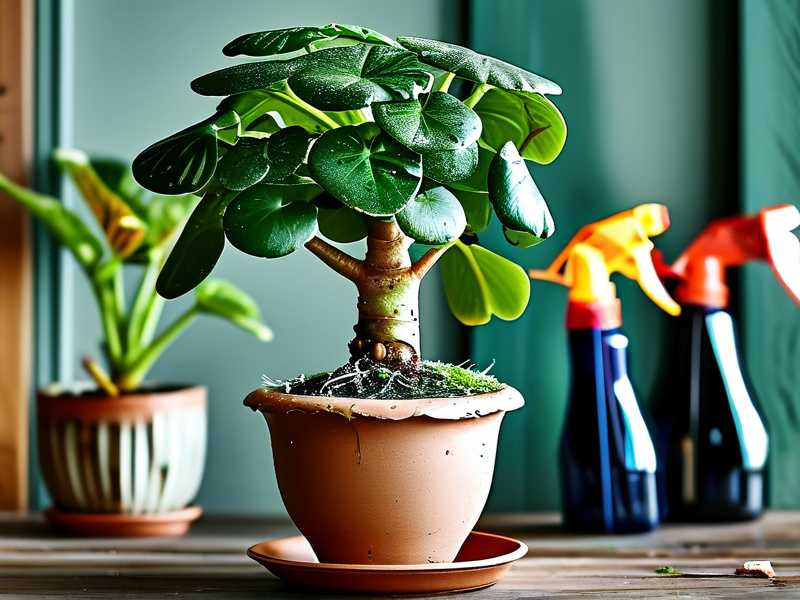
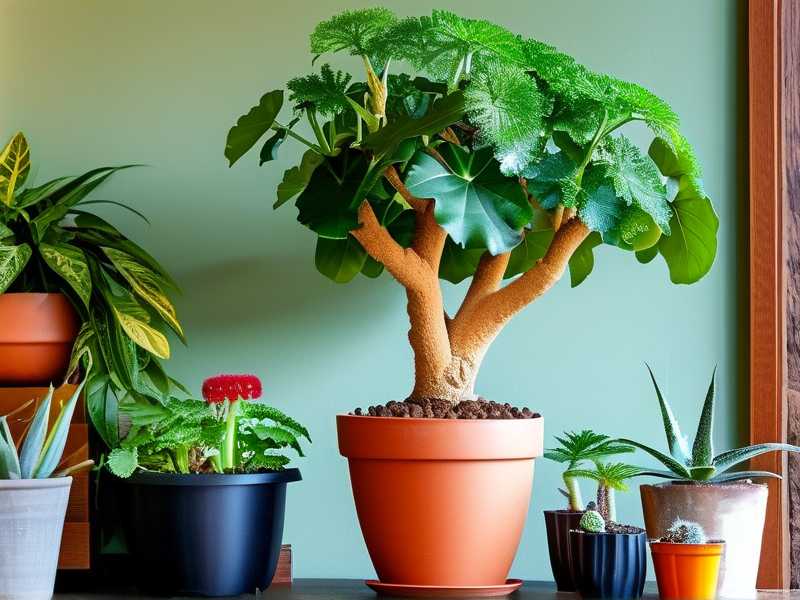
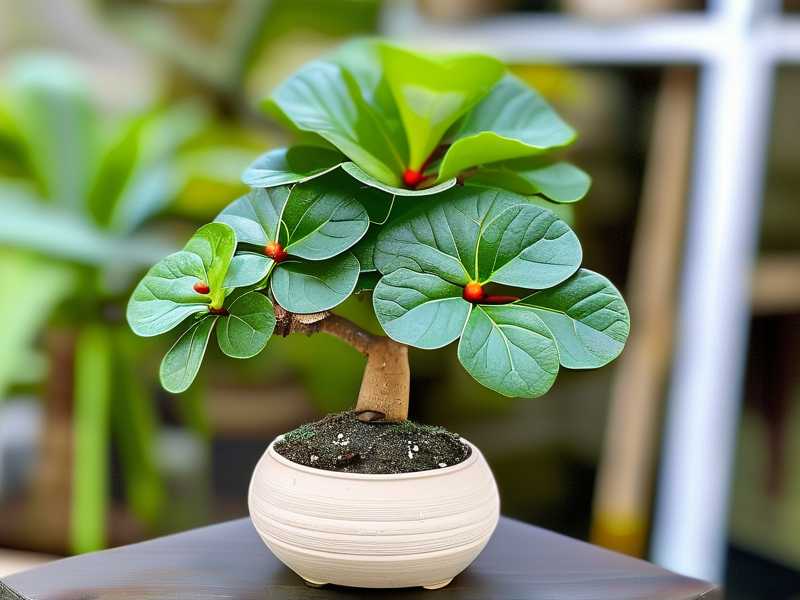
Money trees, or Pachira aquatica, are popular for their braided trunks and lucky reputation. They are generally easy to care for, which makes them a favorite among beginners. But easy does not mean indestructible. When pests like scale, mealybugs, or spider mites chew into the stem, they leave open wounds. Bacteria then enter those wounds, and the result is a wet, oozing mess that can spread fast. I have seen it happen in as little as three days during warm months.
Before we dive into the details, I want to be clear about one thing. According to the RHS, most bacterial stem issues in houseplants are secondary infections. That means the pest damage came first. So if you only treat the bacteria, you will keep fighting a losing battle. You have to deal with the pests too. I learned that the hard way after treating the same tree three times with copper fungicide before realizing the real culprit was a hidden scale infestation.
What Bacterial Oozing Sap Actually Looks Like
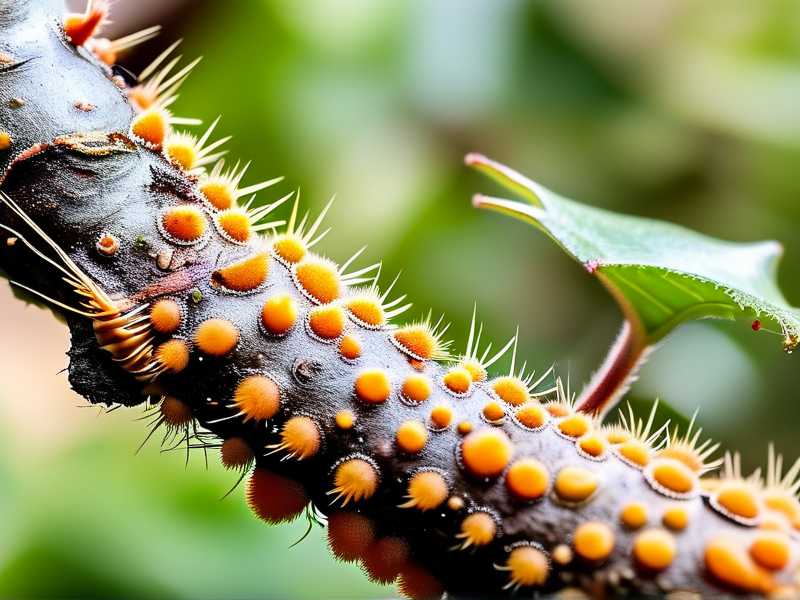
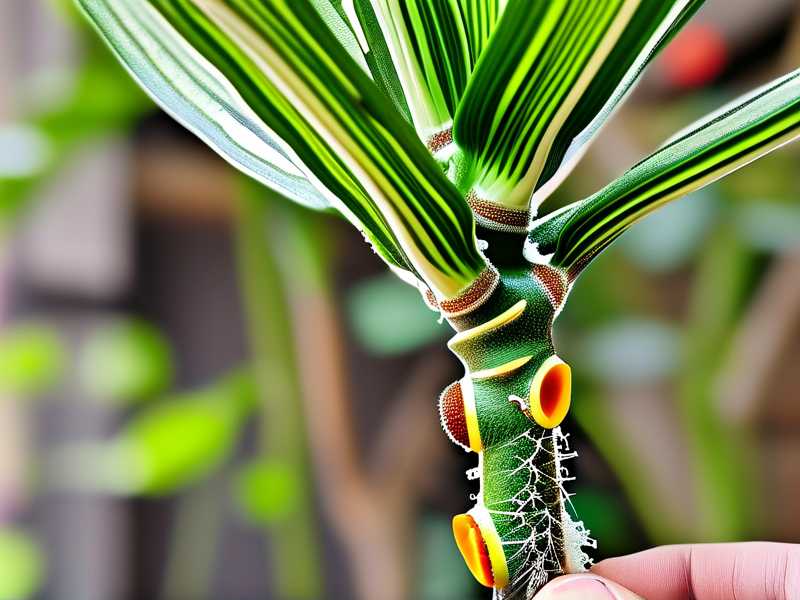
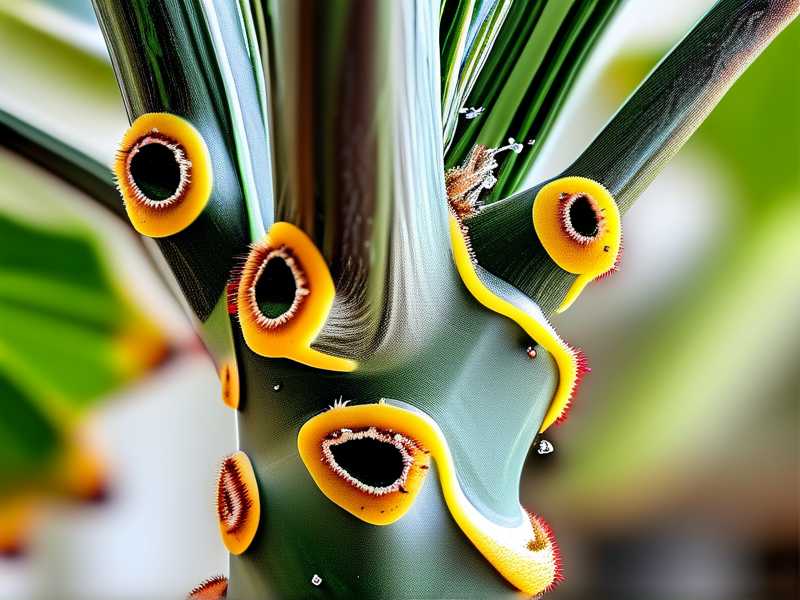
The first sign is usually a dark, wet patch around a cut or wound on the stem. It might look like the stem is sweating. The liquid itself can be clear, milky, or slightly yellow. Within a day or two, it turns brown and thickens. The smell is the giveaway. It is sour and earthy, not like fresh plant sap. I always tell people to trust their nose. If it smells wrong, it probably is.
You might also see the bark around the wound turning soft and mushy. That is a sign the bacteria are breaking down the plant tissue. If you press gently on that spot, it may feel like a bruise on an apple. That is when you know it is serious. I once poked a stem that looked fine on the outside, and a jet of cloudy liquid shot out. That tree was gone within a week. So do not wait for visible rot to take action.
The Link Between Pests and Bacterial Oozing Sap
Pests do not just suck sap. They create entry points. Scale insects, for example, pierce the stem and leave tiny holes. Those holes are perfect doorways for bacteria. Mealybugs do the same thing, and they also excrete honeydew that attracts mold. Spider mites are worse because they are so small you might miss them until the damage is done. I have spent hours staring at a stem with a magnifying glass, and I still missed the first wave of mites.
So how do you connect the dots? Look for tiny brown or black specks on the stem. Run your finger along the cut edge. If it feels gritty, that is pest debris. You might also see webbing or white cotton-like fuzz. Those are clear signs. I recommend using a flashlight at an angle. The light catches the pests and their damage in a way that normal room light does not. That trick alone has saved three of my money trees.
My Two-Week Observation Plan That Actually Works
I want to share exactly what I did after discovering bacterial oozing sap on my favorite money tree last spring. I call it my two-week watch plan. It is simple, but it works. You will need a clean cloth, rubbing alcohol, a sharp sterile knife, and a small fan. That is it.
Day 1 to Day 3: Isolate and Clean
First, move the plant away from all other houseplants. Bacteria can spread through water splashes and shared tools. I made the mistake of leaving my infected tree next to a healthy one, and both got sick. Do not do that. Next, wipe the oozing area with a cloth dipped in rubbing alcohol. This does not cure the plant, but it slows the bacteria down. You will see the ooze stop for a few hours. That is normal.
Day 4 to Day 7: Cut and Monitor
If the oozing has not stopped, you need to cut. Use a sterile knife to remove the infected section. Cut at least one inch below the lowest sign of rot. I know it feels drastic, but leaving even a tiny bit of infected tissue means the bacteria will come back. After cutting, do not water the plant for three days. Keep it in bright, indirect light. I also point a small fan at the stem for two hours a day. Airflow is your best friend here.
Day 8 to Day 14: Watch for New Growth
By day eight, you should see the cut surface callusing over. That means the plant is healing. If you see new ooze, the infection is still active. I had one tree that oozed again on day ten, and I had to cut another inch. It survived, but barely. By day fourteen, if the stem is dry and firm, you are out of the danger zone. Start watering lightly again, but do not soak the soil.
The Three Biggest Mistakes New Growers Make
I have coached dozens of friends through this, and the same mistakes come up again and again. Let me save you some heartache.
Mistake One: Overwatering
This is the big one. You have probably heard that 90% of indoor plants die from overwatering. That number is not an exaggeration. When the soil stays wet, the roots suffocate. Then bacteria and fungi have a field day. I killed my first money tree by watering it every three days because I thought it looked thirsty. The leaves were yellow, so I watered more. That was the opposite of what it needed. Now I water only when the top two inches of soil are dry. I stick my finger in the pot. If it feels like a wrung-out sponge, I wait.
Mistake Two: Wrong Light
Money trees need bright, indirect light. Put them in a dark corner, and they weaken. A weak plant cannot fight off bacteria. Put them in direct afternoon sun, and the leaves scorch. Scorched leaves are open wounds too. I once put a money tree on a south-facing windowsill in July. By August, half the stem was oozing. Now I use a sheer curtain. That gives me the light without the burn.
Mistake Three: The Wrong Pot
This one is sneaky. A pot without drainage holes is a death sentence. Water pools at the bottom, and the roots rot. I tried growing a money tree in a beautiful ceramic pot with no holes. It looked great for two months. Then the stem started oozing. I pulled the plant out, and the roots were black and smelled like swamp. Now I only use pots with at least one good drainage hole. I also add a layer of perlite at the bottom for extra safety.
Soil, Repotting, and Fertilizer Basics
You do not need a complicated setup. A simple mix of potting soil, perlite, and orchid bark works great. I use two parts soil, one part perlite, and one part bark. That gives me drainage and airflow. Repot every two years in spring. If you see roots circling the pot, go up one size. Do not go too big. A pot that is too large holds too much water.
For fertilizer, use a balanced liquid fertilizer at half strength. Feed once a month in spring and summer. Do not feed in fall or winter. I learned that the hard way when I fertilized in December and burned the roots. The plant oozed sap from every cut for a week. Now I write "NO FOOD" on a sticky note and put it on the pot in October.
Seasonal Care to Prevent Bacterial Oozing Sap
Spring is for growth. Prune any dead or damaged stems. This is also the best time to repot. I always sterilize my pruners with alcohol before and after. Summer is about protection. Move the plant away from hot windows. Increase airflow with a fan. Water more often, but never let the soil stay soggy. I check my plants every morning in summer.
Fall is for slowing down. Cut back on water and stop fertilizing. Remove any yellowing leaves. That reduces pest hiding spots. Winter is for survival. Keep the plant warm. Do not let it sit near cold windows. Water sparingly, maybe once every three weeks. I have a friend who waters her money tree with ice cubes in winter. That is a terrible idea. Cold water shocks the roots and invites bacteria.
FAQ
How do I know if the oozing sap is bacterial or just normal sap?
Normal sap is clear and odorless. It dries quickly. Bacterial ooze is cloudy, smelly, and keeps coming back. If you wipe it away and it returns within a day, it is bacterial.
Can I save a money tree with bacterial oozing sap?
Yes, if you catch it early. Cut away the infected tissue, improve airflow, and stop overwatering. I have saved four out of five trees this way. The one I lost was because I waited two weeks.
What is the best way to prevent pests that cause cuts?
Inspect new plants before bringing them home. Wipe leaves with a damp cloth every two weeks. Use neem oil once a month as a preventive spray. The AHS recommends quarantine for two weeks for any new houseplant. I follow that rule every time.
Final Thoughts
Spotting early bacterial oozing sap from pest-cut money tree stems is not about being a expert. It is about paying attention. Check your plant every few days. Smell the stem. Look for wet spots. Act fast if you see them. And remember, the pest comes first. Kill the pest, cut the rot, and dry the wound. Your money tree will thank you with new growth. I know mine did.