admin
admin How to Remove Fungal Mold from Stagnant-Water Money Tree Saucers
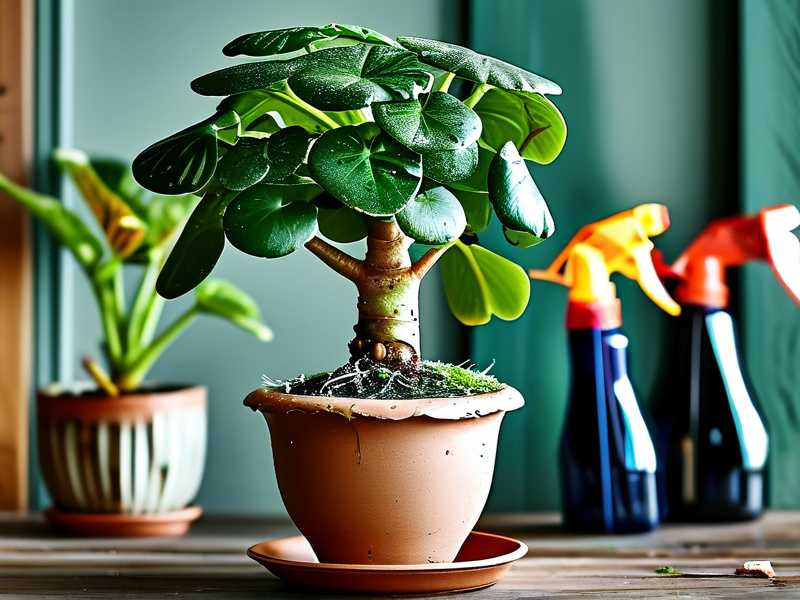
If you have a money tree sitting in a saucer full of stagnant water, and you just spotted that fuzzy white or green film creeping around the base of the pot, you are in the right place. Here is the short answer: dump the water, scrub the saucer with hot soapy water and a splash of white vinegar, let everything dry completely, then stop letting water sit under the pot for more than 30 minutes. That is it. That is the core fix.
But the mold is really just a symptom. The real problem is stagnant water, and stagnant water is the number one killer of indoor plants. I have lost more plants to soggy saucers than I care to admit, and I want to save you that heartbreak.
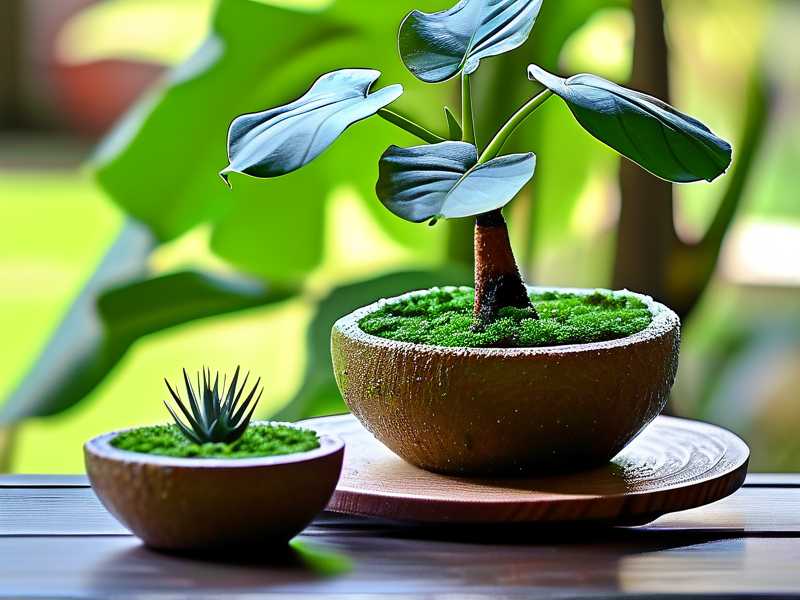
I have been growing money trees, also called Pachira aquatica, for over a decade now. I killed my first one in about three months. It was sitting in a decorative ceramic saucer that I thought looked nice, and I never emptied it because I figured the plant would just "drink what it needed." Spoiler: it didn't. That saucer turned into a tiny swamp, and by the time I noticed the mold, the roots were already rotting.
This article is everything I wish someone had told me back then. We will cover light, watering, soil, repotting, feeding, seasonal care, and of course, how to get rid of that fungal mold for good.
Why Money Trees Are So Popular (And So Easy to Mess Up)
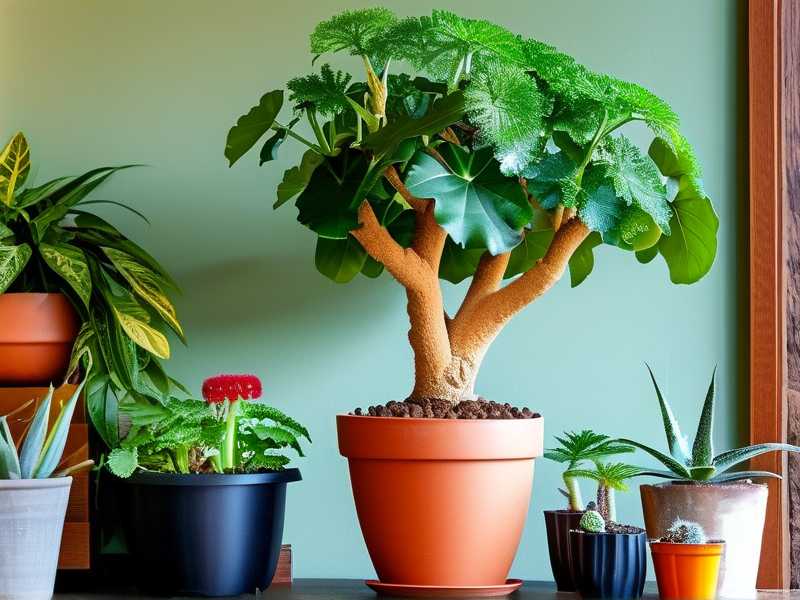
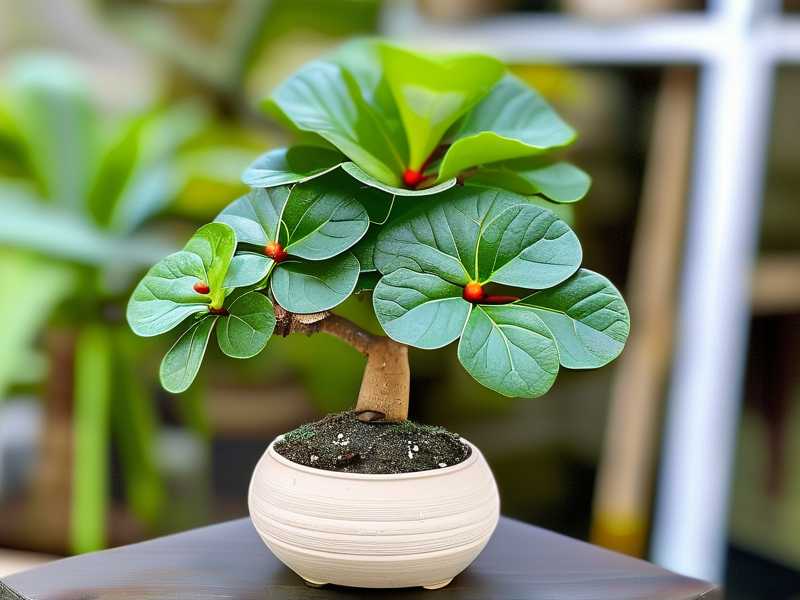
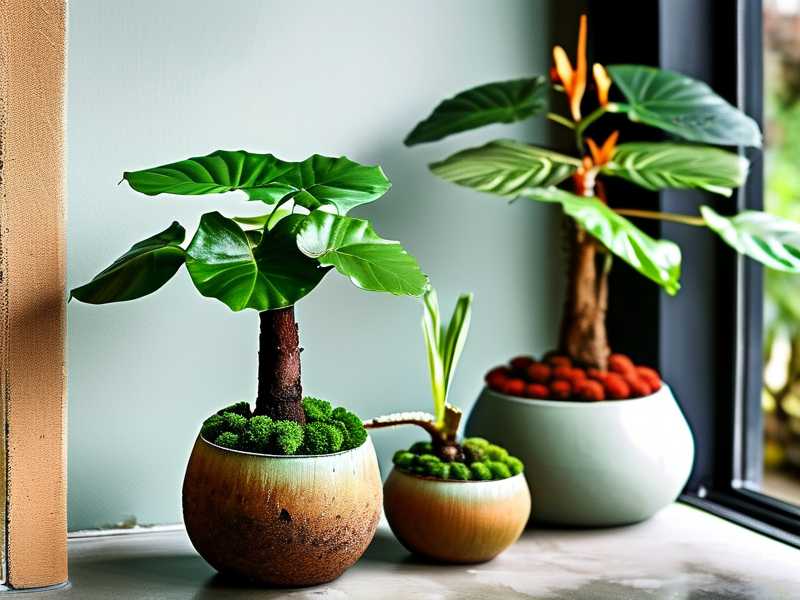
Money trees are those braided-trunk beauties you see in every home decor photo. They have glossy palmate leaves, they tolerate average indoor humidity, and they are marketed as "easy care." That last part is only half true.
They are easy in the sense that they do not throw a tantrum if you forget to water them for a week. But they are also dramatic when it comes to sitting in wet soil. The braided trunk is usually three or four separate stems packed together, which means the root ball is dense and the soil dries slowly.
According to the RHS, most houseplant problems come down to watering and light, not pests or disease. That matches what I have seen. Fungal mold on a saucer is almost always a watering and drainage issue, not a "bad luck" issue.
The AHS also points out that good air circulation around the root zone is critical for preventing fungal growth. If your pot is sitting flush against a saucer full of water, there is zero airflow. Mold loves that.
Let's Talk About Light First
Money trees want bright, indirect light. Think a few feet back from a south or west window, or right in front of an east window. That is the sweet spot.
If you put it in direct afternoon sun, especially in summer, the leaves will scorch. You will see crispy brown patches on the edges. I learned that the hard way with a plant I moved to a sunny balcony for "fresh air." It looked like a fried banana leaf within two days.
If the light is too low, the plant gets leggy. The stems stretch toward whatever light source they can find, and the leaves get smaller and paler. Growth basically stalls.
Here is a quick way to check: if you can read a book comfortably in the spot without turning on a light, it is probably bright enough. If you need to squint, it is too dark.
During winter, when daylight is short, I move my money tree closer to the window. I also rotate the pot a quarter turn every week so it grows evenly instead of leaning.
The Watering Rule That Changed Everything for Me
90% of indoor plants die from overwatering. I am not exaggerating. That statistic gets thrown around a lot in plant communities, and after years of trial and error, I believe it.
Money trees store water in their thick trunks and roots. They do not need constant moisture. They need a thorough soak, then a period of drying out.
Here is my exact routine:
I check the soil with a wooden chopstick. I push it all the way to the bottom of the pot, twist it, and pull it out. If the chopstick comes out clean with no soil clinging to it, it is dry enough to water. If soil sticks, I wait.
When it is time to water, I take the pot to the sink. I run room-temperature water through the soil until it flows freely out the drainage holes. Then I let it sit in the sink for 15 to 20 minutes so all the excess water drains out.
Only then do I put it back on the saucer.
If I am feeling lazy and water it in place, I make sure to empty the saucer within 30 minutes. No exceptions.
I tested this "30-minute rule" over a two-week period with a plant that had a mild mold problem. Before the test, I was emptying the saucer "when I remembered," which was maybe once a day. After two weeks of emptying it within 30 minutes every single time, the mold did not come back. The soil surface dried faster. The plant actually pushed out two new leaves. That was all the proof I needed.
How to Actually Remove the Mold from the Saucer
Okay, let's get into the mold removal itself. This is straightforward, but you need to be thorough.
Step one: Take the pot off the saucer. Set it aside somewhere safe.
Step two: Dump the stagnant water down the sink. Do not pour it back into the plant. That water is full of fungal spores and bacteria.
Step three: Wash the saucer with hot water and dish soap. Use a sponge or a brush to scrub every corner. Saucers with ridges or decorative patterns tend to trap mold in the grooves.
Step four: If the mold is stubborn, make a paste with baking soda and a little water. Scrub it into the affected areas. Let it sit for five minutes, then rinse. You can also use a 50/50 mix of white vinegar and water as a final rinse. Vinegar is mildly antifungal.
Step five: Dry the saucer completely. I mean bone dry. Use a towel if you need to. Any lingering moisture is an invitation for mold to come right back.
Step six: Before you put the pot back, check the bottom of the pot too. Mold often grows on the pot's drainage holes and the base. Wipe those down as well.
Step seven: If the mold has spread to the soil surface, scrape off the top inch of soil and replace it with fresh, dry potting mix. Do not soak the new soil right away. Let the plant settle for a few days.
After cleaning, I like to place a few small stones or a pot riser under the pot inside the saucer. This lifts the pot slightly so air can circulate underneath. It makes a huge difference in preventing mold from returning.
The Three Mistakes I See New Growers Make Every Time
I have mentored a few friends through their first houseplants, and the same three errors come up again and again.
Mistake one: watering on a schedule. "I water every Sunday" is a recipe for disaster. Plants do not care what day it is. They care about soil moisture. Always check the soil first.
Mistake two: putting the plant in the wrong light. A money tree in a dark corner will struggle. A money tree in harsh direct sun will burn. Find that bright, indirect spot and leave it there.
Mistake three: using a pot with no drainage holes. I do not care how pretty the pot is. If it has no holes, use it as a cachepot and keep the actual plant in a nursery pot inside it. I learned this after killing a jade plant in a gorgeous glazed pot that turned out to be a death trap.
Soil and Repotting: What Actually Works
Money trees are not picky about soil as long as it drains well. I use a mix of two parts standard potting soil, one part perlite, and one part orchid bark. That gives you a chunky, airy mix that lets water flow through instead of pooling.
Avoid heavy, peat-based mixes that compact over time. They hold water like a sponge, which is exactly what you do not want.
Repot every two to three years, or when you see roots circling the bottom of the pot. Spring is the best time. Choose a pot that is only one to two inches wider than the current one. Going too big means more soil that stays wet longer, which increases the risk of root rot.
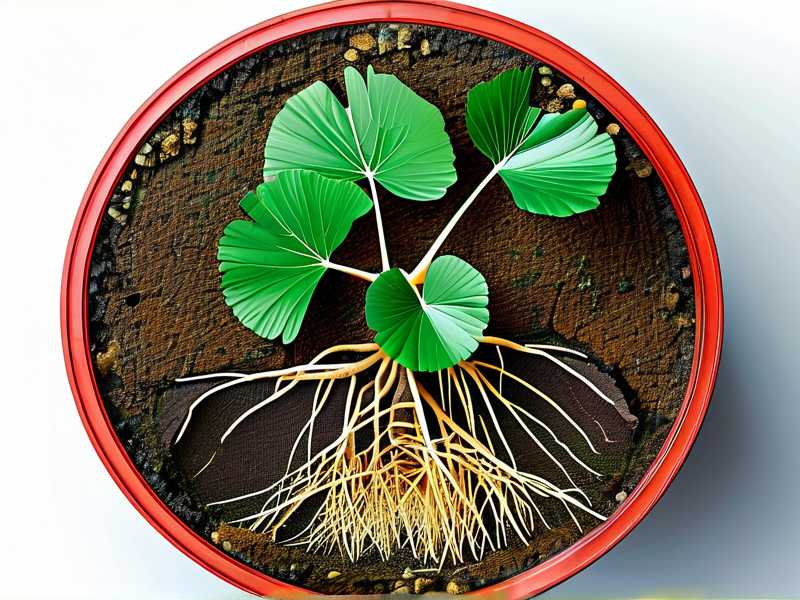
When repotting, gently loosen the root ball. If the roots are brown and mushy, trim them with clean scissors. Healthy roots are firm and white or light tan.
Feeding Your Money Tree Without Going Overboard
I feed my money tree once a month during spring and summer with a balanced liquid fertilizer diluted to half strength. That is it. In fall and winter, I stop feeding entirely. The plant is not actively growing, so fertilizer just builds up in the soil and can burn the roots.
If you are using slow-release granules, apply them once in early spring and once in midsummer. Do not layer them on top of each other.
A quick tip: if the leaf tips are turning brown and crispy, you might be over-fertilizing. Flush the soil with plain water to rinse out excess salts.
Seasonal Care: A Year With My Money Tree
Spring is when things wake up. I start watering a little more frequently, resume feeding, and do any repotting. This is also when I prune. I trim any dead or leggy stems just above a node. The plant responds by branching out.
Summer is about protection. I keep the plant out of direct sun and make sure the room has good airflow. If it is really hot, I water slightly more often but still check the soil first. I also watch for spider mites, which thrive in dry, hot conditions.
Fall is a transition period. I reduce watering and stop feeding by mid-October. I clean the leaves with a damp cloth to remove dust so the plant can absorb as much light as possible before winter.
Winter is the danger zone. I keep the plant away from drafty windows and heating vents. I water maybe once every three to four weeks, and only if the soil is completely dry. The goal is just to keep it alive until spring. I also make sure the saucer is always empty. Cold plus wet equals rot and mold.
Pests and Problems: What to Watch For
The most common issues I have dealt with are spider mites and root rot.
Spider mites look like tiny specks of dust on the undersides of leaves. If you see fine webbing, you have them. I treat them by wiping the leaves with a damp cloth and then spraying with neem oil every five days for two weeks.
Root rot is the bigger threat. If the leaves are yellowing, dropping, and the base of the trunk feels soft, you probably have rot. Take the plant out, trim the mushy roots, repot in fresh dry soil, and do not water for a week.
Yellow leaves can also mean overwatering, underwatering, or a nutrient deficiency. Check the soil first. That tells you most of what you need to know.
Brown, crispy leaves usually mean too much sun or too little humidity. Move the plant and consider a pebble tray nearby.
Frequently Asked Questions
Can I just spray the mold with vinegar and leave the pot in place?
You can, but it will come back. The mold is growing because of the stagnant water. You have to remove the water source. Clean the saucer, dry it, and change your watering habits.
Is the mold dangerous to my plant or to me?
The mold itself is usually not directly harmful to the plant, but it signals that the roots are sitting in wet conditions, which leads to rot. For humans, it can be an allergen. If you are sensitive, wear a mask while cleaning.
How often should I empty the saucer?
Every single time you water. Within 30 minutes. If you water in the sink and let it drain, you may not even need the saucer except as a decorative base.
A Final Word
Fungal mold on a money tree saucer is annoying, but it is fixable. The fix is not about buying a special spray or potion. It is about changing the environment. Remove the stagnant water. Clean the saucer. Let things dry out. Adjust your watering routine. Do that, and the mold will not come back.
I wish I had known all this when I killed my first money tree. But honestly, that failure taught me more than any success. Now my money tree is five years old, nearly six feet tall, and has never had a mold problem since I started emptying that saucer every single time. You can get there too.