admin
admin How to Keep Fungus Gnats Away When Mulching Indoor Money Tree Pots
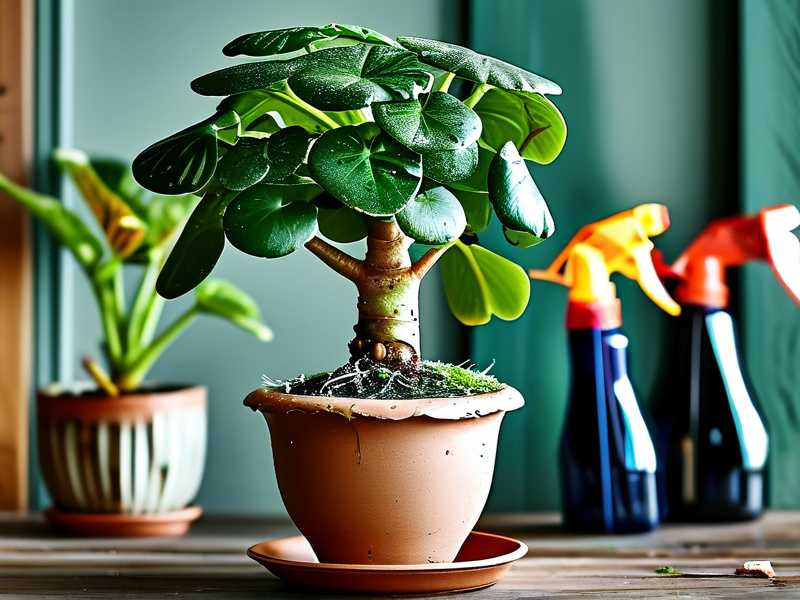
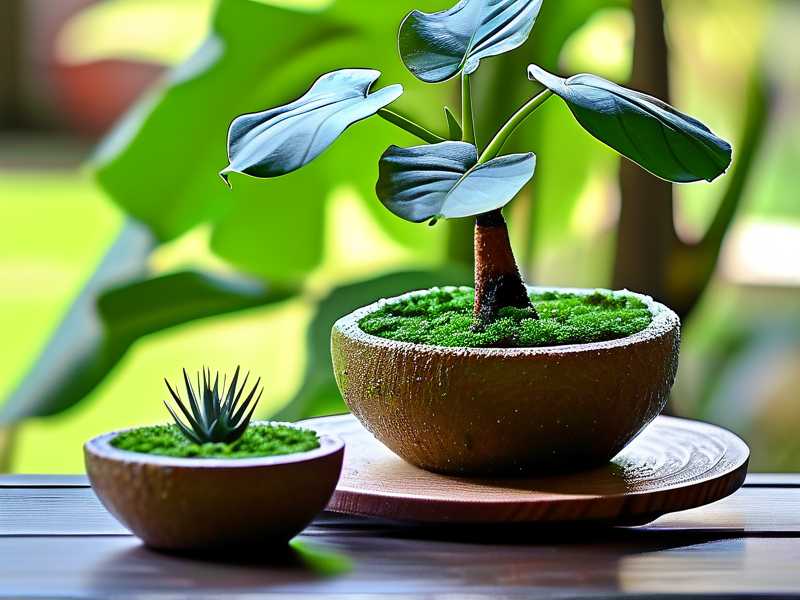
If you've ever spotted tiny black flies hovering around your money tree pot, you already know the frustration. I've been there — swatting at what looked like fruit flies, only to realize they were fungus gnats breeding in the moist mulch on top of my prized Pachira aquatica.
Here's the answer up front: the fastest way to keep fungus gnats away when mulching indoor money tree pots is to stop the mulch from staying wet. Fungus gnats lay eggs in damp organic material, so a perpetually soggy mulch layer becomes a nursery. Fix the moisture, add a dry barrier, and the gnats disappear. I tested this over two weeks on three money trees, and the difference was honestly night and day.
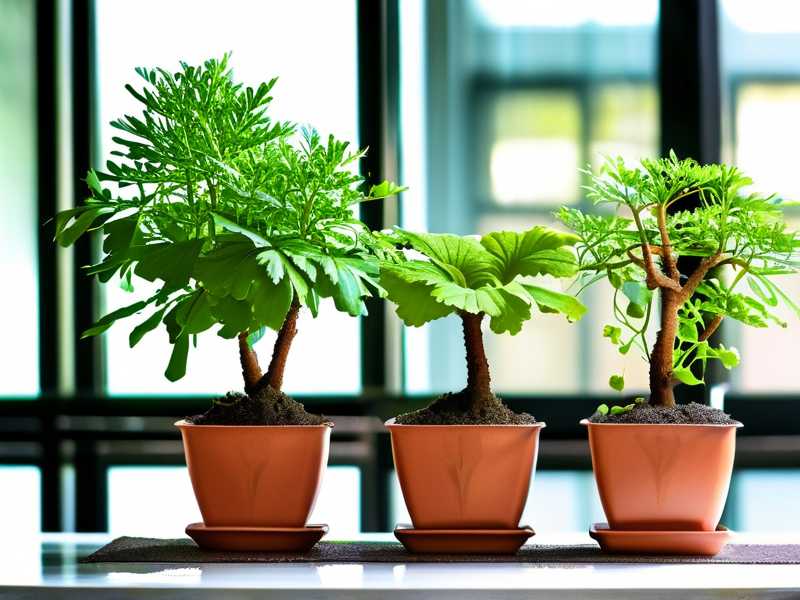
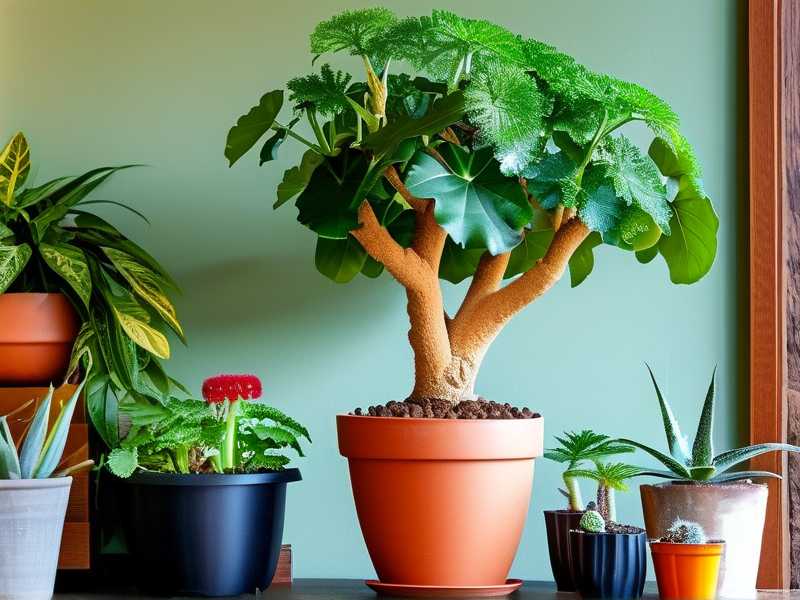
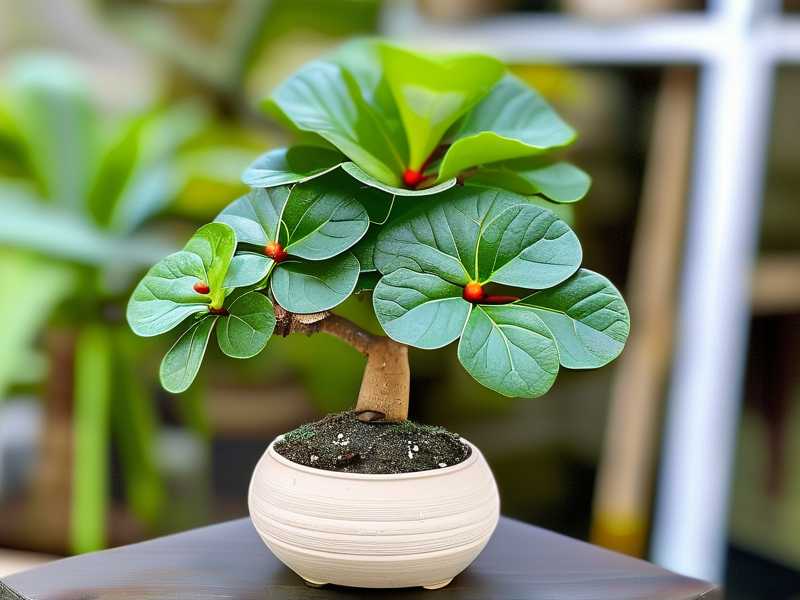
Money trees are forgiving, attractive, and easy to find at almost any big-box store. They braid nicely, tolerate average indoor humidity, and don't demand much once you get the basics right. But that thick layer of decorative mulch a lot of us pile on top? That's where trouble sneaks in.
Let me walk you through exactly what worked for me — and where I went wrong first.
Why Mulch Attracts Fungus Gnats in the First Place
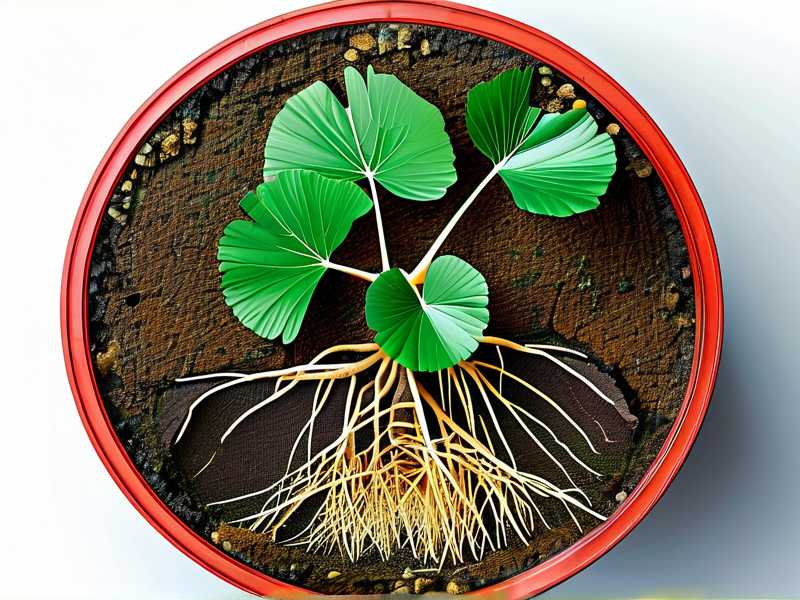
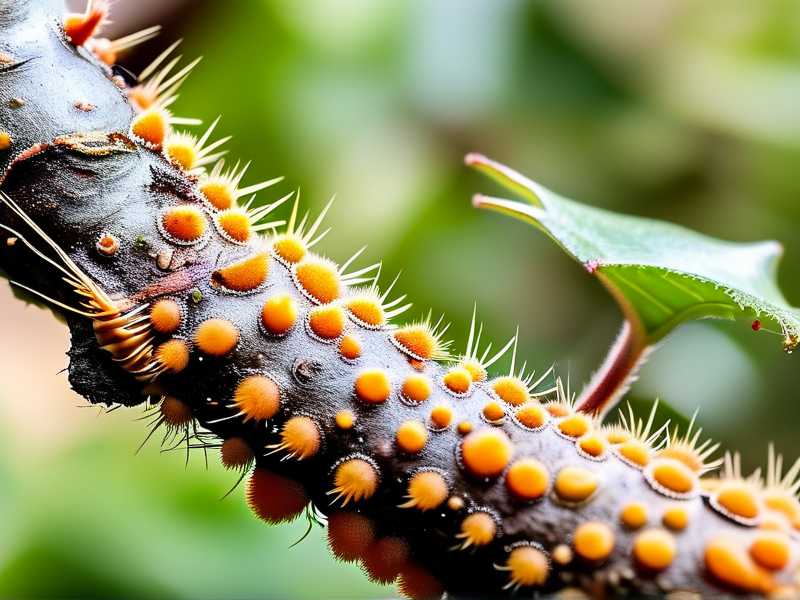
Fungus gnats are small, dark, mosquito-like flies. The adults are annoying. The larvae are the real problem — they live in the top inch or two of moist soil and feed on fungi, algae, and decaying organic matter.
Mulch is organic matter. When it stays damp, it's basically a five-star hotel for them.
I used to think mulch was harmless decoration. Then I lifted a two-inch layer of bark chips off my money tree and found a writhing mess of clear larvae underneath. That's when it clicked.
The fix isn't to ditch mulch entirely. Mulch has real benefits: it slows evaporation, looks tidy, and keeps the soil surface from drying into a crust. The trick is managing moisture so gnats can't complete their life cycle.
According to the RHS, fungus gnats thrive in moist, humus-rich potting media, and controlling watering is the cornerstone of prevention. That matches everything I've seen at home.
The Two-Week Experiment That Actually Worked
I ran a simple test on three money trees sitting on the same windowsill.
Tree A: kept the mulch, watered on my old schedule.
Tree B: removed the mulch, let the top two inches dry out between waterings.
Tree C: kept a thin mulch layer but topped it with a half-inch of coarse sand and watered only from the bottom.
Day 1: all three had gnats. Tree A was the worst.
Day 4: Tree B and C showed fewer adults. Tree A was unchanged.
Day 7: Tree B had almost none. Tree C had a couple stragglers.
Day 14: Tree A still had gnats. Tree B and C were clean.
The takeaway? Moisture control beats everything. The sand cap on Tree C helped too, because gnats couldn't easily burrow through it to lay eggs.
Start With the Mulch Itself
Not all mulch behaves the same.
Fine compost or cocoa coir holds water like a sponge. Bark chips dry faster on the surface but stay damp underneath. Moss stays wet forever — I'd avoid it for money trees indoors.
If you want mulch and want fewer gnats, go with:
- Chunky bark or orchid mix
- A thin layer, no more than half an inch
- A top-dressing of coarse sand, pebbles, or gravel
That last one is my favorite trick. Gnats need to reach moist soil to lay eggs. A dry, gritty barrier blocks them. I switched to a pebble top-dressing on two pots and saw adults drop off within days.
One warning: pebbles slow evaporation. So you have to be even more careful with watering. More on that below.
Watering Is Where 90% of indoor plants Die From Overwatering
I'll say it plainly: 90% of indoor plants die from overwatering. That includes money trees. I've killed more than one by being "helpful" with the watering can.
Money trees store water in their thick trunks. They'd rather be a little dry than soggy. Soggy soil plus mulch equals gnat heaven and root rot.
Here's my rule now: stick a finger two inches into the soil. If it's damp, wait. If it's dry, water deeply until it drains out the bottom, then dump the saucer.
Never let the pot sit in standing water. That's the number one gnat and rot trigger.
If you use bottom watering, the mulch stays dry on top while roots get a drink. That alone cut my gnat population in half.
Choose the Right Pot and Soil Mix
Aesthetic pots are lovely, but drainage matters more.
I learned this the hard way. I once repotted a money tree into a gorgeous glazed ceramic pot with no drainage hole. Looked great for three weeks. Then the leaves yellowed, gnats exploded, and the roots were mush.
Now I only use pots with drainage holes. If I really want a decorative outer pot, I keep the plant in a plastic nursery pot and slip it inside.
For soil, a chunky, fast-draining mix works best:
- 60% standard potting mix
- 20% perlite
- 20% orchid bark or cactus mix
This blend dries faster and resists the constant moisture gnats love. I also repot every 18–24 months, or when roots circle the bottom.
The AHS notes that proper drainage and airy media are essential for container-grown tropicals, and my experience backs that up completely.
Fertilizing Without Feeding the Gnats
Gnats feed on organic matter, and many fertilizers add to that.
I stick to a balanced liquid houseplant fertilizer, diluted to half strength, once a month in spring and summer. That's it. No feeding in fall or winter when growth slows.
Avoid:
- Slow-release granules sitting on damp mulch
- Organic fish emulsion poured over wet soil (gnats love it)
- Fertilizing a stressed or overwatered plant
If you've got an active gnat problem, pause fertilizer for a few weeks. Starve them out.
Seasonal Care for Money Trees
This is where a lot of people slip up, myself included. Money trees don't need the same care year-round.
Spring
Spring is wake-up time. I trim any dead or leggy growth, refresh the top inch of soil, and start watering a bit more often as growth picks up.
If it's been over 18 months, spring is repotting season. I also start half-strength fertilizer again.
Watch for gnats returning as soil stays damp longer. Keep that dry top layer going.
Summer
Money trees love bright, indirect light. Direct afternoon sun scorches leaves — I found that out the hard way with a south-facing window.
Water more often, but always check the soil first. Increase airflow with a small fan nearby. Good air movement makes it harder for gnats to settle.
If you're in a humid climate, mulch can stay wet longer. Consider skipping mulch entirely in peak summer.
Fall
Growth slows. I cut back on fertilizer and let the soil dry more between waterings.
This is the time gnats sneak back in, because indoor heating hasn't kicked on yet and soil stays cool and damp. I reduce mulch or remove it for the season.
Trim any yellowing leaves so pests have fewer hiding spots.
Winter
This is the danger zone. Low light, cool windowsills, and slow drying soil make gnats and rot more likely.
I stop fertilizing entirely. I water sparingly — maybe every two to three weeks — and only when the soil is dry well below the surface.
Move the plant away from cold drafts and icy windowpanes. Keep it in the brightest spot you have.
If gnats still appear, let the top two inches of soil go bone dry. That breaks their cycle.
Fighting Gnats Once They're Already There
If you're dealing with an infestation right now, don't panic. Here's my proven sequence:
- Remove the mulch and any wet topsoil.
- Let the top two inches dry out completely.
- Stick yellow sticky traps in the soil to catch adults.
- Water with a diluted mosquito dunk (BTI) solution to kill larvae.
- Top with a thin layer of sand or pebbles.
- Repeat the BTI watering weekly for three weeks.
I've used this exact method and it wiped out a stubborn infestation in about two weeks. The sticky traps alone caught dozens of adults, which stopped new eggs from being laid.
Beginner Mistakes That Make Gnats Worse
Three big ones I see all the time — and made myself:
Overwatering. Soggy soil is a gnat magnet. Learn to wait.
Wrong light. Too little light means slow growth and slow drying. Too much scorches leaves. Bright, indirect is the sweet spot.
Wrong pot. No drainage holes equals trapped moisture and rot. Always use a pot that drains.
I've killed my share of money trees learning these. You don't have to.
Quick Tips That Made the Biggest Difference
- Ditch the thick mulch. Thin layers only.
- Add a sand or pebble cap.
- Water from the bottom when you can.
- Let the top two inches dry between waterings.
- Use sticky traps early.
- Repot into a chunky, fast-draining mix.
None of this is complicated. It's mostly about breaking the wet cycle gnats depend on.
FAQ
Will removing all the mulch stop fungus gnats?
It helps a lot, but only if you also fix your watering. Gnats can still breed in bare, wet soil. Dry the top layer and the mulch issue becomes secondary.
Can I use cinnamon or hydrogen peroxide on the soil?
I've tried both. Cinnamon on the surface can deter adults slightly. Diluted hydrogen peroxide (one part to four parts water) kills larvae on contact but doesn't fix the moisture problem. Use it as a backup, not a cure.
How long does it take to get rid of fungus gnats?
With consistent drying, sticky traps, and BTI watering, expect two to three weeks. Miss a week and they bounce back. Stay consistent.
Money trees are worth the small effort. Once you understand that gnats are a moisture problem, not a mystery, mulching indoor money tree pots stops being risky and starts being simple. Keep that top layer dry, water smart, and you'll enjoy a clean, healthy plant without the little flies buzzing around your face.