admin
admin How to Spot Early Root-Rot Odor Before Your Money Tree Starts Dropping Leaves
If you have ever leaned over your money tree and caught a whiff of something sour, musty, or just plain wrong, that is your warning bell. I have killed three money trees in my life. The first two died the same way—I ignored that faint, swampy smell coming from the pot until the leaves turned yellow and dropped like confetti. The third one survived because I caught the root-rot odor early. Here is exactly how to do that before it is too late.
The smell is not always obvious. Sometimes it hides under the top layer of soil. Sometimes you only notice it when you water. And sometimes, by the time you smell it clearly, the roots are already brown and mushy. So let me walk you through what I learned the hard way over two weeks of sniffing, digging, and saving one stubborn money tree.
Why Money Trees Are Prone to Root Rot in the First Place
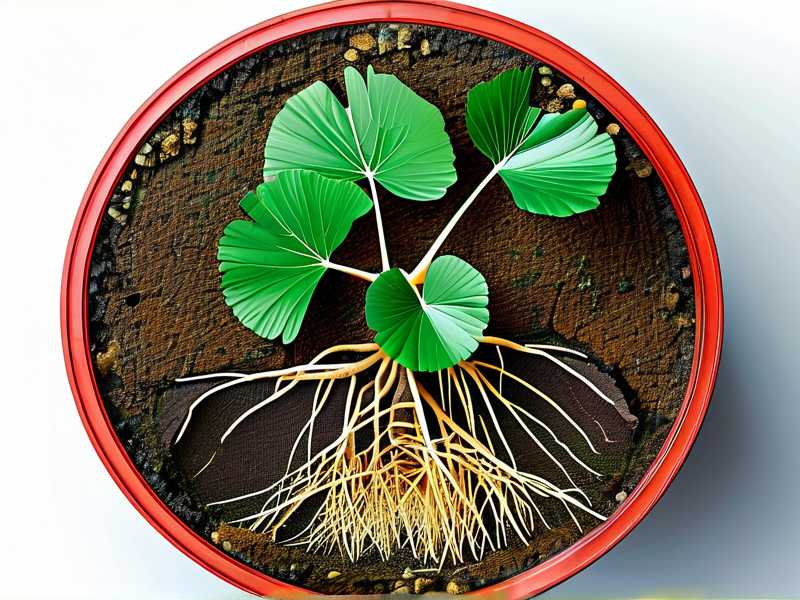
Money trees (Pachira aquatica) come from swampy areas in Central and South America. That makes people think they love wet soil. They do not. They love humidity and occasional rain, but their roots need air.
In a home setting, especially indoors, water sits in the pot. The roots drown. Then bacteria and fungi move in. That is root rot.
The RHS puts it simply: most houseplant root rot is caused by overwatering and poor drainage. I could not agree more. I learned that the hard way.
And here is a number that stuck with me: 90% of indoor plants die from overwatering. Not underwatering. Not bad light. Overwatering. That includes money trees.
The Early Warning Sign Nobody Talks About: The Smell
Most articles tell you to look for yellow leaves, mushy stems, or black roots. But by the time you see those, you are already in rescue mode.
The smell comes first. Usually one to two weeks before leaves drop.
What does early root rot smell like? It is not a strong, in-your-face stink. It is subtle. Think of a wet basement floor. Or a forgotten sponge in the sink. Slightly sour. Slightly earthy in a bad way.
I keep a nose test as part of my weekly plant routine now. I literally stick my nose close to the soil surface near the base of the trunk. If I smell anything other than fresh dirt or nothing at all, I dig deeper.
My Two-Week Observation: Sniffing, Digging, and Waiting
Here is exactly what I did when I first suspected root rot on my current money tree.
Day 1: I noticed a faint sour smell when I watered. The leaves still looked green. No yellowing. No drooping. But the smell was there.
Day 2–3: I skipped watering. I moved the pot to a spot with better airflow. The smell did not go away.
Day 4: I gently pulled the plant out of its pot. I did not wash the roots yet. I just looked. The outer roots were light brown, not white. That is not full rot yet. That is the beginning.
Day 5–7: I trimmed the mushy roots with sterilized scissors. I repotted in fresh, dry, well-draining mix. I did not water for five days.
Day 8–14: I watched. The smell faded by day 10. By day 14, new tiny white root tips appeared. No leaves dropped. That was a win.
If I had waited two more weeks, I would have lost the plant.
The Three Deadly Mistakes New Growers Make
I made all three. So can you. Let us fix them.
1. Watering on a Schedule Instead of Checking the Soil
I used to water every Sunday. That is a death sentence. Money trees in low light need water every two to three weeks. In bright light, maybe every ten days.
Stick your finger two inches into the soil. If it feels damp, do not water. If it feels dry, water. Simple.
Also, never let the pot sit in a saucer of water. That is a root-rot factory.
2. Putting the Plant in the Wrong Light
Money trees want bright, indirect light. A few feet from a south or west window is perfect. Direct afternoon sun will scorch the leaves. Too little light means the soil stays wet longer, which invites rot.
I once put mine in a dark hallway because it “looked nice.” It nearly died. The smell came back within a week.
3. Using a Pot Without Drainage Holes
This is the biggest beginner mistake. A decorative pot with no holes traps water at the bottom. Even if you think you are watering lightly, the water has nowhere to go.
Always use a nursery pot with drainage holes inside a decorative cover pot. Empty the cover pot after watering. That one habit saved my money tree.
How to Check for Odor Without Disturbing the Roots Too Much
You do not need to dig up the plant every week. That stresses it. Instead, do this:
Water the plant slowly. Wait five minutes. Then smell the drainage water that comes out. If it smells sour or like rotten eggs, you have a problem.
Another trick: poke a wooden chopstick into the soil near the edge of the pot. Leave it for ten minutes. Pull it out. If it smells bad, root rot is starting.
I do this every two weeks. It takes thirty seconds. It has saved me twice.
Soil, Pots, and Repotting: Getting the Foundation Right
The AHS recommends using a potting mix that drains well and never compacting it. For money trees, I mix my own:
- 50% standard indoor potting mix
- 30% perlite
- 20% orchid bark
That combination holds a little moisture but lets air reach the roots. No more swamp.
For pots, always choose one with drainage holes. Terra cotta is great because it wicks away extra moisture. Plastic is fine too, but only if you are careful with watering.
Repot every two to three years, or when roots circle the bottom. Do it in spring. Never repot a soaking wet plant. Let it dry out for a few days first.
Watering: The Complete No-Nonsense Guide
Here is my rule: when in doubt, do not water.
In summer, I water when the top two inches are dry. That is usually every 10–14 days.
In winter, I wait until the soil is dry almost all the way down. That can be every three to four weeks.
Always water until it runs out the bottom. Then empty the saucer. Never let the pot stand in water.
If you are not sure, wait one more day. A money tree can survive a dry day. It cannot survive a soggy week.
Fertilizing: Less Is More
I feed my money tree once a month in spring and summer. That is it. I use a balanced liquid fertilizer at half strength. Never full strength.
Do not fertilize in fall or winter. The plant is resting. Fertilizer salts build up in the soil and can burn roots. That damage looks a lot like root rot, which confuses people.
If you see white crust on the soil surface, that is salt build-up. Flush the soil with plain water until it runs clear. Then skip fertilizer for a month.
Seasonal Care: What I Do Every Year
Spring: Wake-Up Time
This is when I repot if needed. I trim dead roots. I start fertilizing again. I also prune any leggy stems to encourage bushiness.
I move the plant closer to a bright window. But I watch for sunburn. Spring sun can still be strong.
Summer: Watch the Heat
Money trees love warmth but not baking sun. I keep mine out of direct afternoon rays. I check the soil more often because heat dries it faster. But I still do not water until the top two inches are dry.
I also run a small fan nearby for airflow. That helps prevent fungal growth. No fan directly on the leaves. Just gentle air movement.
Fall: Slow Down
I stop fertilizing in early fall. I reduce watering. I clean the leaves with a damp cloth to remove dust. Dust blocks light and reduces the plant’s ability to dry out the soil.
I also move the plant away from drafty windows. Cold drafts stress the plant and make it more vulnerable to rot.
Winter: The Danger Zone
This is when most root rot happens indoors. Heaters dry the air, but the soil stays wet because the plant is not growing. People keep watering like it is summer. That is a mistake.
I water maybe once a month in winter. I check the soil with a moisture meter. I keep the plant in a room that stays above 60°F (15°C). I never fertilize.
If the smell returns in winter, I act fast. I unpot, trim, and repot into dry mix. Waiting until spring usually means death.
Common Pests and Problems That Look Like Root Rot
Sometimes the smell is not root rot. Sometimes it is fungus gnats. Those little flies love wet soil. Their larvae can damage roots.
If you see tiny black flies around the pot, let the top inch of soil dry out completely. Sticky traps help. But do not reach for chemicals first. Fix the watering.
Other issues:
- Yellow leaves: usually overwatering or poor drainage. Check the smell.
- Brown crispy leaf tips: low humidity or inconsistent watering.
- Mushy brown stem base: advanced root rot. Act immediately.
- White fuzzy mold on soil: too much moisture and poor airflow. Scrape it off, improve airflow, water less.
When to Give Up and Start Over
I hate saying this, but sometimes a money tree is too far gone. If the trunk is soft and squishy all the way up, and the smell is overpowering, it is done.
But if the trunk is still firm, you can try. Cut away all brown roots. Repot in fresh dry mix. Do not water for a week. Then water lightly. I have saved two plants this way. One did not make it. That is okay. I learned.
Frequently Asked Questions
Can root rot smell go away on its own if I stop watering?
No. The bacteria and fungi are already in the roots. They do not die just because the soil dries out. You need to trim the damaged roots and repot into fresh soil.
How often should I smell the soil to catch root rot early?
Once a week is enough. Just lean in close after watering. If you smell sourness, investigate. It takes ten seconds.
Is it safe to use hydrogen peroxide on money tree roots?
I have tried diluted hydrogen peroxide (one part 3% peroxide to two parts water) as a root dip after trimming. It seemed to help. But it is not a cure. The real fix is removing rot and fixing your watering habits.
Final Thoughts
Your nose is a better tool than any moisture meter. That early root-rot odor shows up long before leaves drop. Learn what your money tree’s soil should smell like—earthy, clean, almost like nothing. When it changes, act. I wish I had known this before I lost my first two plants. Now you do.