admin
admin How to Save a Money Tree with Rot-Free Upper Stem Sections
If your money tree has gone soft and mushy at the base but the top still looks green, you can actually save it. I know because I've done it. The trick is working with rot-free upper stem sections and rooting them into fresh, clean soil. That's the whole answer in a nutshell. Everything below is exactly how I pulled it off, including the mistakes that cost me two plants before I got it right.
Let me be honest with you. 90% of indoor plants die from overwatering. That's not a scare tactic. It's just what happens when we love our plants a little too hard. Money trees (Pachira aquatica) are especially vulnerable because their thick, braided trunks hold water like a camel's hump. When the soil stays wet too long, rot sets in fast.
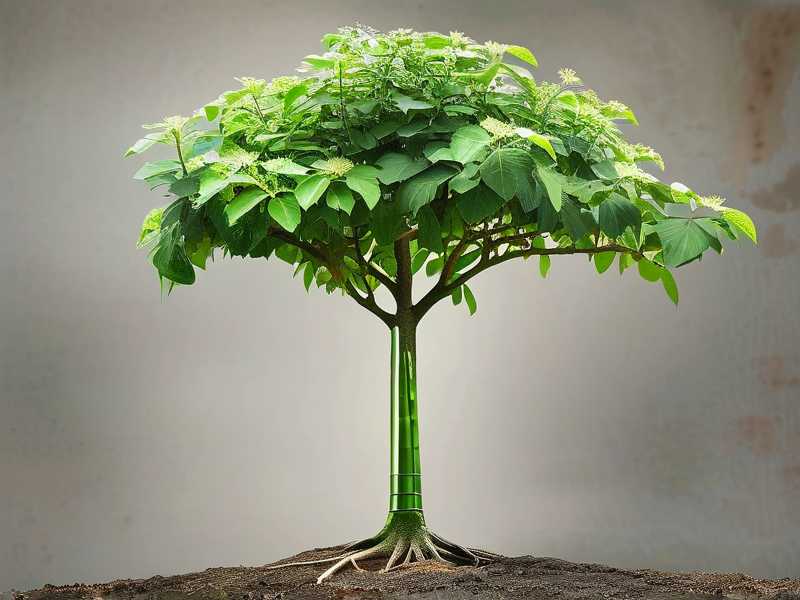
I learned this the hard way. My first money tree was a gift from my sister. Gorgeous braided trunk, shiny green leaves. I watered it every Sunday like clockwork. Within six weeks, the base of the trunk felt like a soggy sponge. I tried drying it out, but the rot had already climbed too high. The plant was gone.
The second one? Same story. Different pot, same overwatering habit. I almost gave up. Then I read a piece from the RHS about stem cuttings and root rot management, and something clicked. If the upper stem is still firm and green, you can cut it free from the rotting base and start over. That's what I did. Two weeks later, I had new roots forming. Here's how you can do it too.
Why Money Trees Rot in the First Place
Money trees aren't actually trees. They're tropical wetland plants native to Central and South America. In the wild, they grow along riverbanks where water moves constantly. In your living room, water sits still. That's the problem.
The thick trunk stores moisture. When you water too often, the soil stays saturated. Roots can't breathe. Fungus moves in. By the time you notice yellow leaves or a soft trunk, the rot is usually advanced.
The AHS notes that root rot in container plants is almost always a drainage issue. Either the pot has no drainage holes, the soil is too heavy, or the gardener is watering on a schedule instead of checking the soil first. I was guilty of all three.
The Good News: Upper Stem Sections Can Save the Plant
Here's what I wish someone had told me earlier. If the rot hasn't reached the upper stem, you can cut above the damaged area and propagate a new plant. Money trees root readily from stem cuttings in water or soil.
I've tried both methods. Water rooting is easier to monitor but slower to adapt when you transplant. Soil rooting takes a bit more attention but produces stronger roots from the start. I'll walk you through both.
How to Identify Rot-Free Upper Stem Sections
Before you cut anything, you need to know what healthy tissue looks like.
A rot-free upper stem section should be:
- Firm to the touch, not squishy
- Green or light brown, not black or dark brown
- Free of soft dark patches
- Ideally at least 6 inches long with 2-3 leaf nodes
Run your fingers along the stem. If it gives under gentle pressure, that section is already rotting. Move higher. Keep moving until you find firm tissue. That's your cutting point.
I use a clean, sharp knife for this. Not scissors. Scissors crush the stem and create more entry points for bacteria. A sterile blade gives you a clean cut that heals faster.
Step-by-Step: Saving Your Money Tree with Upper Stem Cuttings
Step 1: Sterilize Your Tools
Wipe your blade with rubbing alcohol. Let it air dry. This takes 30 seconds and prevents introducing new pathogens into the cut.
Step 2: Make the Cut
Cut the stem at a 45-degree angle, about an inch below a leaf node. The angled cut gives more surface area for roots to emerge. I usually aim for a cutting that's 6 to 8 inches long with at least two nodes.
Step 3: Strip the Lower Leaves
Remove leaves from the bottom half of the cutting. Those leaves would just rot in water or soil. Keep the top two or three leaves intact for photosynthesis.
Step 4: Let It Callus
This is the step most people skip. Let the cutting sit in a dry, shaded spot for 2 to 4 hours. The cut end will form a callus, which prevents rot from entering the fresh wound. I skipped this step on my first attempt and lost the cutting within five days.
Step 5: Root in Water or Soil
Water method: Place the cutting in a clean glass of room-temperature water. Change the water every 3 to 4 days. Roots usually appear in 2 to 4 weeks.
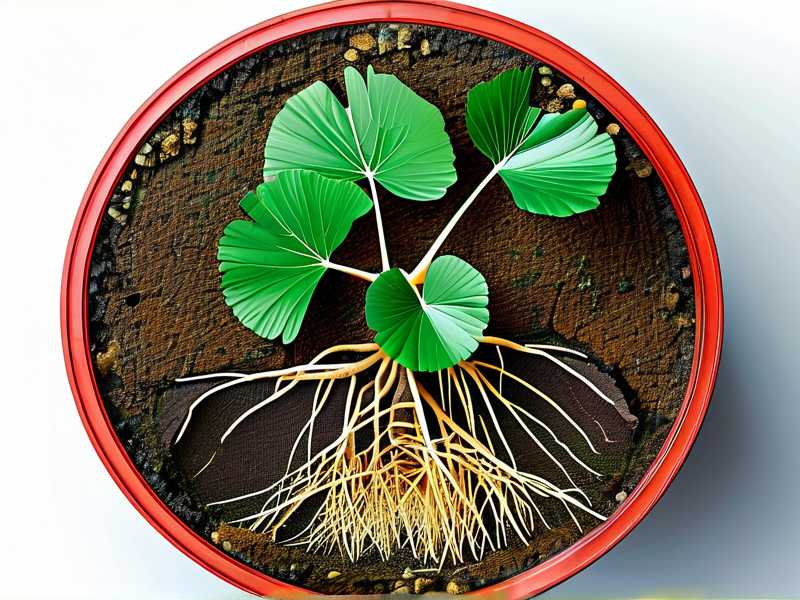
Soil method: Dip the cut end in rooting hormone. Plant it in a mix of peat moss and perlite. Keep the soil barely moist, not wet. I mist the surface every few days rather than pouring water.
Step 6: Wait and Watch
This is the hard part. Don't fiddle. Don't dig it up to check. I kept lifting my first cutting out of the soil to see if roots were forming. I broke off the tiny root nubs twice. Leave it alone for at least two weeks.
My Two-Week Observation Log
I want to share exactly what I saw during the first two weeks with my most recent rescue. This was a soil-rooted cutting from a money tree that had rot climbing up the trunk.
Week 1, Days 1-3: The cutting looked sad. One leaf yellowed and dropped. I panicked a little. But I left it alone.
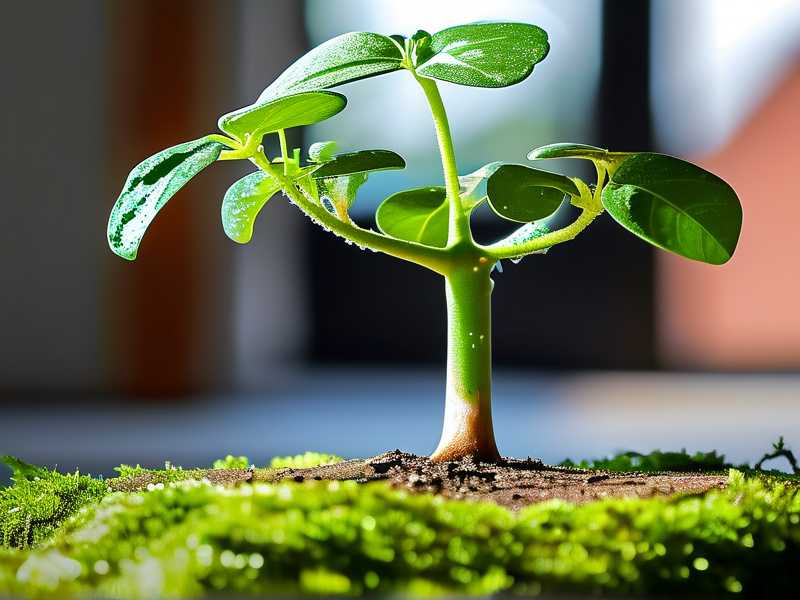
Week 1, Days 4-7: No visible change. The remaining leaves stayed green. The stem felt firm. I misted the soil surface once.
Week 2, Days 8-10: I noticed a tiny green bump at the soil line. I almost missed it. That was the first root node breaking through.
Week 2, Days 11-14: Two more root nodes appeared. The stem felt anchored when I gave it a very gentle tug. That's when I knew it had taken.
By week four, new leaves were unfurling. By week eight, I had a healthy young money tree in a 4-inch pot.
Three Mistakes That Kill Money Trees (I Made All of Them)
Mistake 1: Overwatering
I watered on a schedule. Every Sunday, no matter what. That's the fastest way to kill a money tree. These plants want the top 2 to 3 inches of soil to dry out between waterings. Stick your finger in the soil. If it's damp, wait. If it's dry, water deeply until it drains out the bottom.
Mistake 2: Wrong Light
I put my first money tree in a dark corner because I thought low light meant low maintenance. Wrong. Money trees need bright, indirect light. A spot near a south or east window with a sheer curtain is ideal. Direct afternoon sun scorches the leaves. Too little light causes leggy growth and yellowing.
Mistake 3: Wrong Pot
My first pot had no drainage holes. I didn't even think about it. Water pooled at the bottom and rotted the roots within weeks. Now I only use pots with drainage holes. I also add a layer of perlite at the bottom for extra drainage. Terra cotta works well because it wicks moisture away from the soil.
Soil, Repotting, and the Right Foundation
Money trees aren't picky about soil as long as it drains well. I use a mix of:
- 2 parts potting soil
- 1 part perlite
- 1 part orchid bark
This creates air pockets that keep roots healthy. I repot every two years or when roots circle the bottom of the pot. Spring is the best time. Choose a pot that's 1 to 2 inches wider than the current one. Going too big traps excess moisture.
Watering: The Complete Picture
Water when the top 2 to 3 inches of soil are dry. In summer, that might be once a week. In winter, every two to three weeks. Always water until it runs out the drainage holes, then empty the saucer. Never let the pot sit in standing water.
If your tap water is heavy in chlorine, let it sit overnight before using. Money trees are sensitive to chemicals. I use filtered water when I can.
Fertilizing: Less Is More
I feed my money tree once a month during spring and summer with a balanced liquid fertilizer diluted to half strength. That's it. No feeding in fall or winter. Over-fertilizing burns the roots and causes leaf drop. If you're not sure, skip it. A hungry plant recovers. An overfed plant usually doesn't.
Seasonal Care for Money Trees
Spring: This is growth season. Repot if needed. Resume monthly feeding. Prune any dead or leggy stems to encourage bushy growth. This is also the best time to take cuttings.
Summer: Watch for scorched leaves if the plant sits near a window. Water more frequently but always check the soil first. Keep the plant away from air conditioning vents. Dry air causes brown leaf tips.
Fall: Slow down on watering. Stop fertilizing. Move the plant away from drafty windows. Clean the leaves with a damp cloth to remove dust and improve light absorption.
Winter: This is the danger zone. Money trees hate cold drafts and dry indoor air. Keep the plant in a warm room, away from radiators and doors. Water sparingly. If the air is very dry, run a humidifier nearby or place the pot on a tray of pebbles with water.
Common Problems and Fixes
Yellow leaves: Usually overwatering. Let the soil dry out. Check for root rot.
Brown leaf tips: Low humidity or inconsistent watering. Increase humidity and stick to a routine.
Soft trunk: Rot. Cut above the soft area and propagate the upper stem.
Sticky residue on leaves: Pest infestation. Wipe with neem oil or insecticidal soap.
Leaf drop: Sudden temperature change or draft. Move the plant to a stable spot.
A Final Note on Patience
Saving a money tree with rot-free upper stem sections isn't instant. It takes weeks. Sometimes months. But it works. I've rescued three money trees this way. Each one taught me something new. The biggest lesson? Stop watering on a schedule. Start listening to the plant.
FAQs
Can I root a money tree cutting in just water? Yes. Place the cutting in a clean glass of room-temperature water and change the water every few days. Roots appear in 2 to 4 weeks. Transplant to soil once roots are 2 to 3 inches long.
How do I know if the upper stem is rot-free? It should feel firm, not squishy. The color should be green or light brown, not black. If any part feels soft, cut higher until you reach firm tissue.
What's the fastest way to save a money tree with trunk rot? Cut above the rot immediately. Let the cutting callus for a few hours. Then root it in soil with rooting hormone. Soil-rooted cuttings adapt faster than water-rooted ones when transplanted.