admin
admin How to Prevent Sooty Mold After Scale Removal on Money Tree Foliage
If you've just scraped, sprayed, or picked scale insects off your money tree leaves and noticed a sticky film turning into a black crusty layer, you're dealing with sooty mold. Here's the short answer: sooty mold isn't a disease, it's a fungus that feeds on honeydew. Honeydew is the sugary poop that scale insects leave behind. Kill the scale, clean off the honeydew, and adjust airflow and light, and the mold stops coming back.
I've grown money trees for years, and I've watched this exact problem unfold more than once. My first Pachira aquatica, a sad little braided trunk I bought from a grocery store, ended up with a shiny sticky top leaf and a black film underneath within about ten days. I panicked, thought it was a disease, sprayed it with everything. Nothing worked. Then I learned the real cause.
So let's walk through what actually works. I'll share what I did, how long it took to see results, and the mistakes I made so you don't repeat them.
Why Sooty Mold Shows Up Right After You Treat Scale
Scale insects attach themselves to leaves and stems and drink plant sap. They can't fully digest all that sugar, so they excrete honeydew. It's clear, sticky, and lands on the leaf surface below.
Airborne sooty mold spores land on that honeydew and start growing. Within days you see a thin dark film. Left alone, it thickens into a black layer that blocks light and makes the plant look terrible.
When you remove or kill the scale, the honeydew is still there. The mold keeps feeding on it. So treating the scale alone won't fix the mold. You need to remove the food source.
According to the RHS, sooty mold is a secondary issue and "control is aimed at the honeydew-producing insects." That matches what I saw: once the sticky stuff was gone, the black film stopped spreading.
My Two-Week Sooty Mold Cleanup Timeline
I'm going to give you the exact steps I followed and what I saw each week. This was on a medium-sized money tree with about 40 leaves, maybe 60% of them affected.
Days 1–2: I wiped every leaf with a damp microfiber cloth. Warm water only, no soap. The black layer came off in most spots but left a faint gray shadow on the worst leaves.
Day 3: I sprayed the whole plant with a mix of one teaspoon of mild castile soap in a quart of water. I focused on the undersides of leaves and the leaf joints, where scale hides. I also checked the stems and the braided trunk.
Days 4–7: I repeated the soap spray every other day. I saw tiny black specks in the runoff, which I think were dead scale. The remaining mold stopped thickening. New growth looked clean.
Days 8–10: I switched to just wiping with a damp cloth every two days. No more soap. The leaves were getting a little stressed from the repeated wetting, so I backed off.
Days 11–14: New leaves emerged clean and shiny. The gray shadows on old leaves faded but didn't fully disappear. I accepted that. The plant was healthy, and the mold was gone.
By the end of two weeks, I could see new growth that had zero mold and zero scale. That was my signal that the problem was under control.
The Step-by-Step Method That Actually Works
Step 1: Remove the scale first
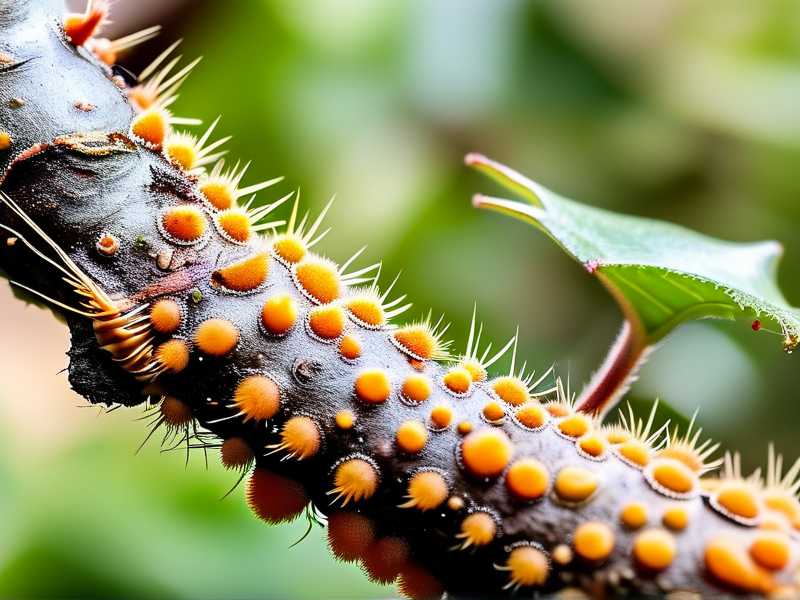
You can't fix mold while scale is still producing honeydew. Check the undersides of leaves, the stem joints, and along the trunk. Scale looks like small brown or tan bumps. Some are soft, some have a hard shell.
I use a cotton swab dipped in rubbing alcohol to dab each scale. It kills them on contact. For heavy infestations, I use insecticidal soap or neem oil. Just follow the label.
Step 2: Clean off the honeydew and mold
This is the part most people skip. Get a soft cloth or cotton pad, wet it with lukewarm water, and gently wipe both sides of every leaf. Be thorough. Honeydew is sticky, so you'll feel it. Keep wiping until the cloth comes away clean.
For stubborn black patches, a tiny drop of mild dish soap on the cloth helps. Don't scrub hard. Money tree leaves bruise easily.
Step 3: Rinse and dry
After wiping, I like to rinse the whole plant in the shower or with a spray bottle of plain water. This removes any leftover soap residue and dislodges any mold spores. Then let it air dry in a spot with good airflow. Don't put it back in a dark corner while wet.
Step 4: Improve conditions
Sooty mold loves stagnant, humid air. Scale loves stressed plants. So:
- Move the plant to a spot with bright, indirect light.
- Run a small fan nearby on low, or open a window for a few hours a day.
- Avoid misting the leaves for a couple of weeks.
- Check that the pot drains well and you're not overwatering.
The AHS notes that good air circulation is one of the best preventive measures for fungal issues on indoor plants. I've found that to be 100% true.
Step 5: Monitor for two weeks
Check every leaf every two or three days. Look for new sticky spots, new black film, or new scale. If you see any, repeat steps 1 and 2. Most mild cases clear up within 10 to 14 days if you're consistent.
Three Beginner Mistakes That Make Sooty Mold Worse
I've made all three of these. Let me save you the trouble.
1. Watering too much. 90% of indoor plants die from overwatering. I'm not exaggerating. Overwatering stresses the roots, weakens the plant, and makes it a magnet for scale. Scale produces honeydew. Honeydew feeds sooty mold. So overwatering indirectly causes the mold. I killed my second money tree by watering it every three days because I thought the soil looked dry on top. The roots rotted, the plant got weak, scale moved in, and six weeks later the whole thing was black and dead.
2. Putting it in the wrong light. Money trees want bright, indirect light. Direct afternoon sun scorches the leaves. Deep shade slows growth and keeps leaves wet longer. I once put mine in a north-facing hallway with no window nearby. It survived but didn't grow for months. Scale showed up, and the mold spread faster because the air was still and humid.
3. Using the wrong pot. This is the sneaky one. A pot that's too big holds way more soil than the roots need. That soil stays wet for weeks. A pot with no drainage holes is even worse. I used a cute ceramic pot with no holes once. Water pooled at the bottom. The roots sat in it. You can guess what happened. Always use a pot with drainage holes, and only go up one size when repotting.
Light, Water, and Soil: The Basics That Keep Mold Away
You can't prevent sooty mold if the plant is stressed. Stress comes from wrong light, wrong water, or wrong soil. Let's fix those.
Light
Money trees want 6 to 8 hours of bright, indirect light. A spot a few feet back from a south- or west-facing window is ideal. If the light coming through is strong enough to cast a sharp shadow, it's too direct. Sheer curtains help.
Too little light: slow growth, pale leaves, wet soil that won't dry out. Too much light: scorched brown patches on leaves.
Water
Water when the top 2 to 3 inches of soil are dry. Stick your finger in. If it's damp, wait. If it's dry, water thoroughly until water runs out the drainage holes. Then empty the saucer. Don't let the pot sit in water.
In winter, water less. Maybe every two to three weeks. In summer, maybe every 7 to 10 days. It depends on your home's humidity and temperature.
Soil and repotting
Use a well-draining mix. I make my own: two parts potting soil, one part perlite, one part orchid bark. That gives roots air and drains fast. Repot every two to three years, in spring, only when roots circle the bottom of the pot.
Fertilizer: Less Is More
Money trees aren't heavy feeders. I use a balanced liquid fertilizer diluted to half strength, once a month in spring and summer. That's it. No fertilizer in fall or winter.
Never fertilize a plant that's fighting scale or mold. The salts stress the roots. Wait until the plant is clean and growing again.
Season-by-Season Care to Stop Mold Before It Starts
Spring
This is growth season. Check for scale weekly. Wipe leaves with a damp cloth. Start fertilizing. If the plant needs repotting, do it now. Trim any dead or badly damaged leaves.
Summer
Watch for heat stress. Keep the plant out of direct sun. Water more often but never let it sit wet. Run a fan for airflow. Check leaf undersides for scale every time you water.
Fall
Slow down on water and stop fertilizing. Clean the leaves one last time before the heater comes on. Dry indoor air from heating can stress the plant, so keep it away from vents.
Winter
This is when scale and mold sneak in. Low light plus dry air plus closed windows equals stagnant conditions. Water sparingly. Don't fertilize. Check leaves every week. If you see sticky spots, clean them immediately.
Common Questions I Get From Readers
Can I just cut off the moldy leaves?
You can, but it won't solve the problem if honeydew is still on other leaves. The mold will just come back. Clean the whole plant first.
Does neem oil kill sooty mold?
Neem oil kills scale and other insects. It doesn't directly kill sooty mold, but it removes the honeydew source, which is what the mold feeds on. After the scale is dead and the honeydew is wiped away, the mold will stop growing and eventually fade.
How long does it take for black spots to disappear?
Old mold stains can take weeks or months to fade, even after the mold is dead. New growth will be clean. If you want faster results, wipe the leaves every few days with a damp cloth. I've found that most stains fade within a month if the plant is otherwise healthy.
Final Thoughts
Sooty mold after scale removal is annoying, but it's fixable. The key is to remove the honeydew, not just the scale. Clean every leaf. Improve airflow. Fix your watering and light. Then watch for two weeks.
I've lost two money trees to this exact problem before I figured it out. You don't have to. Start with a thorough wipe-down, keep the plant out of stagnant air, and don't overwater. That's 90% of the battle.
If you catch it early and stay consistent, your money tree will push out clean, shiny new leaves within a couple of weeks. And honestly, that first clean leaf after a mold battle feels like a win.