admin
admin How to Get Rid of White Fuzzy Mold on Money Tree Without Discarding Pot Soil
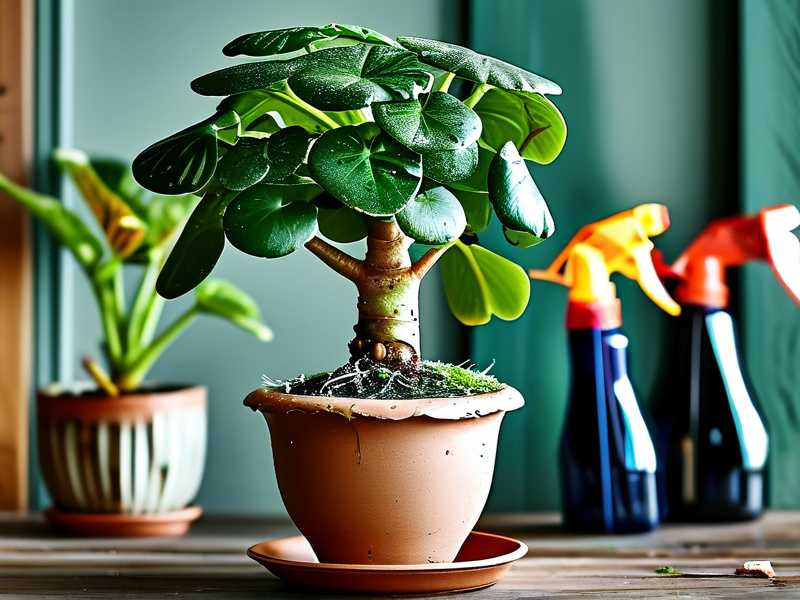
I still remember the morning I spotted a fuzzy white carpet spreading across the top of my money tree's soil. My first thought was pure panic. My second thought was to dump the entire pot in the trash. Luckily, I paused. That pause saved my plant, and it's why I'm writing this. You can get rid of white fuzzy mold on your money tree without tossing the soil, and I'll show you exactly how I did it over two weeks. The short answer: scrape off the mold, stop watering, boost airflow, and treat the surface with a mild natural remedy. That's it. No repotting marathon required.
I've killed more plants than I care to admit. A ficus here, a calathea there. But my money tree taught me the most. So let's dig into what actually works.
What Is That White Fuzzy Stuff, Really?
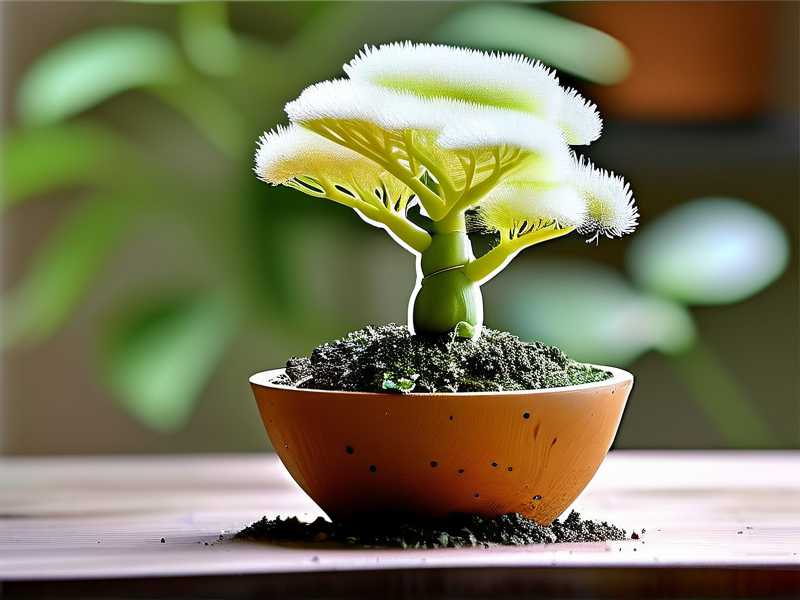
It's not a death sentence. Most of the time, it's a saprophytic fungus. That's a fancy way of saying it feeds on dead organic matter. Think of it as nature's cleanup crew that showed up uninvited.
The white fuzz is usually a mix of mold and fungal mycelium. It loves wet, stagnant conditions. Your money tree's soil surface is basically a five-star hotel for it if you're overwatering.
Here's the thing. The mold itself rarely harms the plant directly. The real danger is what it signals: too much moisture around the roots. That's what kills money trees.
The Royal Horticultural Society (RHS) notes that most surface molds are harmless to plants but indicate poor growing conditions. The American Horticultural Society (AHS) echoes this, emphasizing that cultural fixes beat chemical treatments almost every time.
The Three Mistakes That Got Me Here (And You, Probably)
I made all three. Every single one. Let's go through them so you can skip the heartache.
Mistake 1: Watering Too Much (The Big One)
I used to water my money tree every Sunday. Like clockwork. Rain or shine. Dry soil or soggy. That's exactly how you grow a mold farm.
90% of indoor plants die from overwatering. I read that stat years ago and nodded along. Then I kept overwatering anyway. It's easy to do when you're trying to be a good plant parent.
The fix: stick your finger two inches into the soil. If it's damp, walk away. Seriously. Your money tree would rather be thirsty than drowned.
Mistake 2: Putting It in the Wrong Light
My first money tree sat in a dark corner because I thought "low light" meant "cave." It grew leggy, sad, and vulnerable. Weak plants get moldy faster.
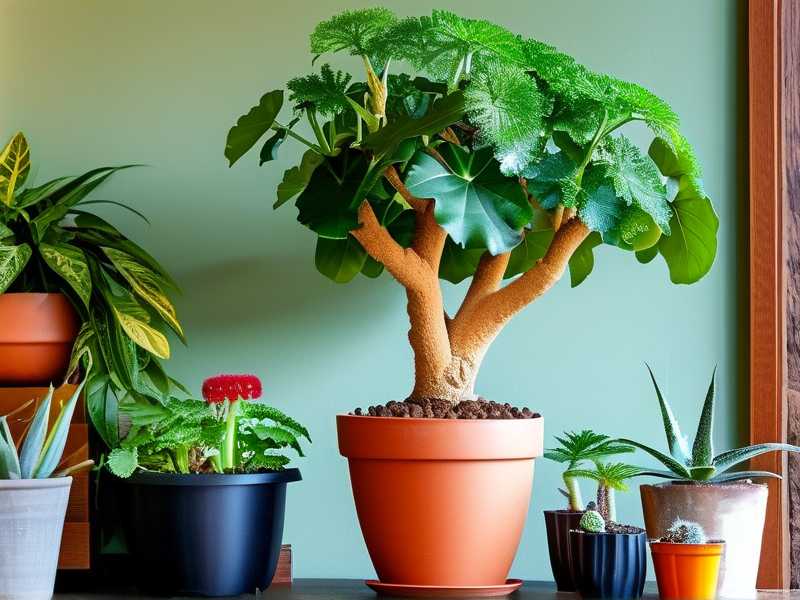
Money trees want bright, indirect light. Near an east or west window is ideal. Not direct afternoon sun, which scorches leaves. But not a dungeon either.
Mistake 3: Using the Wrong Pot
I once planted a money tree in a decorative pot with no drainage holes. I know. I can hear you groaning. Water pooled at the bottom. Roots sat in sludge. Mold exploded.
Always use a pot with drainage holes. Then set it inside a cachepot if you like the look. Just empty the cachepot after watering. This one change prevents so many problems.
My Two-Week Recovery Plan (Step by Step)
Here's exactly what I did. I tracked it daily. Some steps took five minutes. Others were just waiting.
Day 1: Remove the Visible Mold
I grabbed a clean spoon and gently scraped off the top quarter-inch of soil. Mold gone. I tossed that soil in the trash. Not the compost. The trash.
Then I wiped the inside rim of the pot with a damp paper towel. Spores love hiding there.
Don't dig deep. You're just removing the surface layer where the mold lives. The roots below are fine.
Day 1: Stop Watering Completely
I put my watering can away. Out of sight. For the next two weeks, I didn't add a single drop.
This felt wrong. Every instinct said "water it." I ignored that instinct. Mold needs moisture. Remove the moisture, remove the mold.
Day 1: Increase Airflow
I moved my money tree to a spot with better air circulation. Not a windy hallway. Just a room where air actually moves.
I also ran a small fan on low, pointed near but not directly at the plant. Two hours a day. That's it.
Stagnant air is mold's best friend. Moving air is its enemy.
Day 2: Cinnamon Treatment
I lightly dusted the remaining soil surface with ground cinnamon. Just a thin layer. Like you're sprinkling sugar on a cookie.
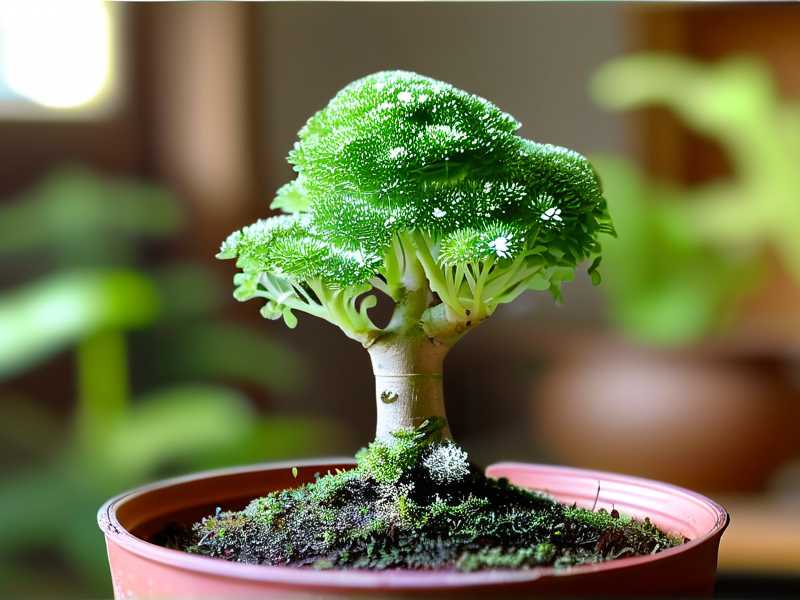
Cinnamon has natural antifungal properties. I'd read about it in gardening forums. Honestly, I was skeptical. But it's cheap and I had it in my kitchen.
I've since learned that RHS supports using cultural controls first and only reaching for fungicides as a last resort. Cinnamon fits that philosophy perfectly.
Day 4: First Check-In
No new mold. The soil surface looked dry. Really dry. My money tree's leaves were still green. No drooping yet.
I resisted watering. This was the hardest part.
Day 7: One Week Down
Still no mold. The top inch of soil was bone dry. I checked deeper. At two inches, it was slightly cool but not damp.
I gave the plant a small drink. Not a soak. Just enough to moisten the top inch. Then I stopped.
Day 10: A Tiny Bump in the Road
A few specks of white appeared near the pot rim. I scraped them off immediately. Added a bit more cinnamon. Moved the fan closer.
This told me the spores were still present. They just needed the right conditions to return. My job was to keep those conditions away.
Day 14: The Verdict
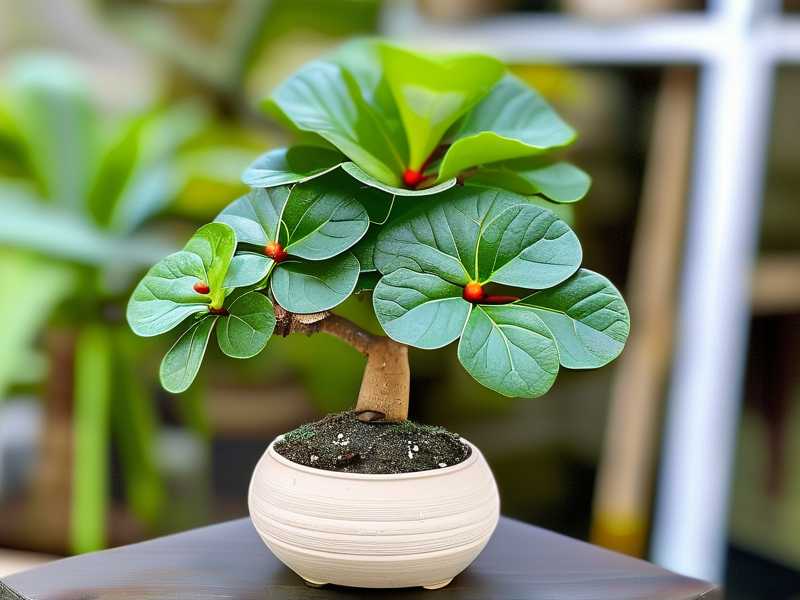
No fuzzy mold. The soil surface was dry and clean. My money tree had even pushed out a tiny new leaf.
I won. Without discarding the soil. Without repotting. Without chemicals.
What I Learned About Prevention (So It Never Comes Back)
Getting rid of mold is step one. Keeping it gone is step two. Here's what I changed long-term.
- I water only when the top two inches of soil are dry. Usually every 10–14 days in summer, less in winter.
- I use a pot with drainage holes. Always. No exceptions.
- I run a small fan for an hour every other day. Just to keep air moving.
- I top-dress with a thin layer of horticultural sand or small pebbles. This keeps the soil surface dry and makes mold less likely to establish.
- I clean the pot rim and saucer monthly. Spores hide in plain sight.
顺带一提, if you live in a humid climate like I did in the Pacific Northwest, you might need to be extra vigilant. Mold loves humidity. A dehumidifier in the room can help during wet months.
Natural Remedies I Tried (And What Actually Worked)
I experimented with a few things. Some helped. Some were a waste of time.
- Cinnamon: Worked well as a preventative. Not a cure for heavy mold.
- Baking soda spray: One teaspoon in a quart of water. Sprayed lightly on the soil surface. It changed the pH and slowed mold growth. But don't overdo it. Too much baking soda can harm roots.
- Hydrogen peroxide: One part 3% hydrogen peroxide to four parts water. Sprayed on the mold. It fizzed and killed the mold on contact. I used this only once because it can also kill beneficial microbes.
- Neem oil: Better for pests than mold. I skipped it after reading that it's not very effective against surface fungi.
The combo that worked best for me was scraping, drying, airflow, and cinnamon. Simple. Cheap. Effective.
When You Might Actually Need to Repot
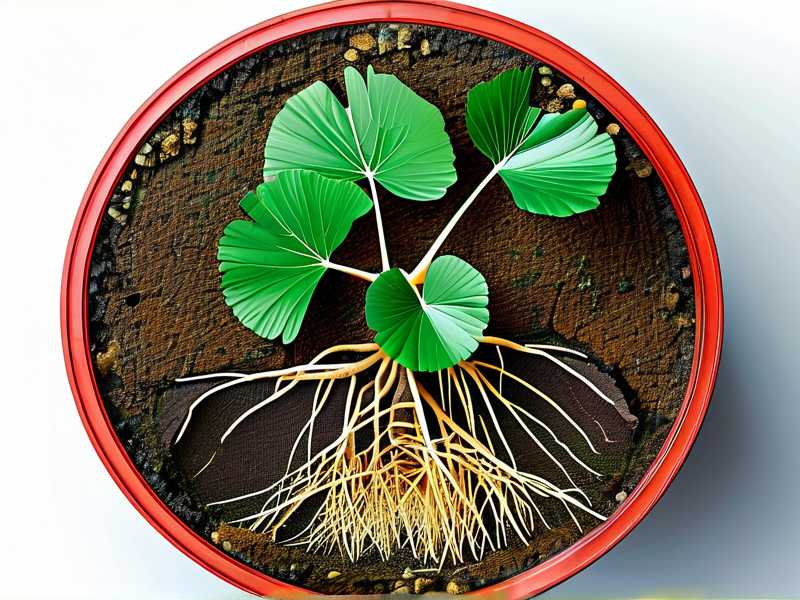
Sometimes the mold is just a surface issue. Other times, it's a sign of root rot. Here's how to tell the difference.
If your money tree's leaves are yellowing, dropping, or mushy at the base, the problem is deeper. If the soil smells sour or rotten, that's root rot. In that case, you do need to repot. But that's rare if you catch the mold early.
For surface mold only, my two-week plan works. I've done it three times now on different plants. It works every time.
FAQs
Will white fuzzy mold on my money tree kill it?
No, not directly. The mold itself is usually harmless. But it's a warning sign. If you ignore it and keep overwatering, root rot can set in and kill your plant. Address the moisture issue and your money tree will be fine.
Can I just scrape off the mold and forget about it?
You can scrape it off, but don't forget about it. The spores are still in the air and soil. You need to change the conditions that allowed the mold to grow. That means less water, more airflow, and a drier soil surface. Otherwise, it comes back.
Is cinnamon really effective against mold on houseplant soil?
I was skeptical too. But cinnamon has natural antifungal compounds. It won't cure a heavy infestation, but it works well as a preventative and for mild surface mold. It's cheap, safe, and easy to apply. Just don't dump a whole jar on your plant.
How often should I water my money tree to prevent mold?
Water when the top two inches of soil are dry. For most homes, that's every 10–14 days. In winter, you might go three weeks or more. Stick your finger in the soil. If it's damp, wait. Your plant will tell you when it's thirsty. The leaves will droop slightly. That's your cue.
Can I use the same soil after removing mold?
Yes. That's the whole point of this method. Scrape off the top layer, let the soil dry out, and treat the surface. You don't need to discard the soil unless the mold keeps returning or you suspect root rot. I've reused the same soil after treatment with no problems.