admin
admin How to Cure Money Tree Leaf Tip Die-Back from Gnat Root Feeding
If your money tree leaves are turning brown and crispy at the tips, and you've noticed tiny flying insects around the soil, you're dealing with gnat root feeding. The fix is straightforward: kill the fungus gnat larvae in the soil, stop the root damage, and trim back the dead tissue so the plant can recover. I've done this successfully in about two weeks, and I'll walk you through exactly what I did.
I've killed more than one money tree in my decade of indoor gardening. The worst one sat in my north-facing living room for three months while I blamed "low humidity" for its dying tips. It wasn't humidity. It was fungus gnat larvae chewing on the fine feeder roots, plus my own watering habits making everything worse. By the time I figured it out, half the root system was gone.
Let me save you that pain. Here's the full process, step by step.
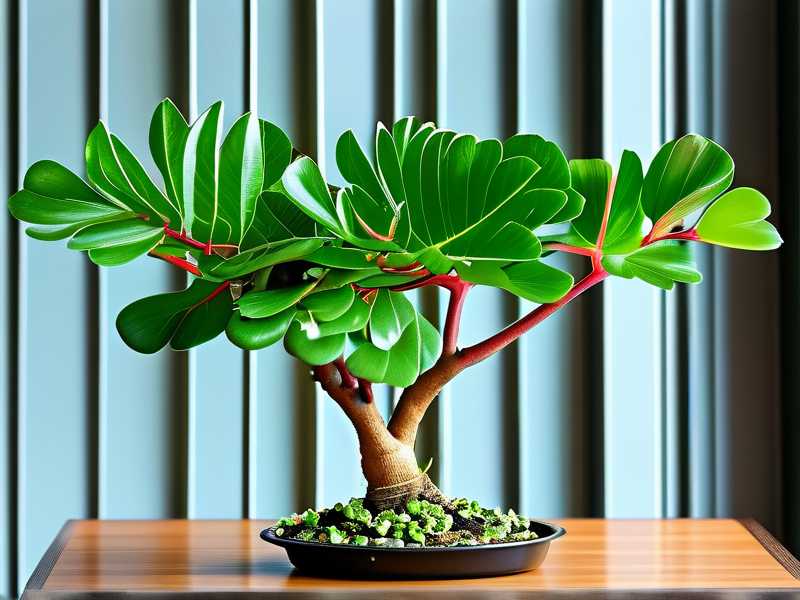
Why Gnat Larvae Cause Leaf Tip Die-Back on Money Trees
Fungus gnats themselves are annoying but mostly harmless. The adults just fly around and look gross. The real problem is their larvae.
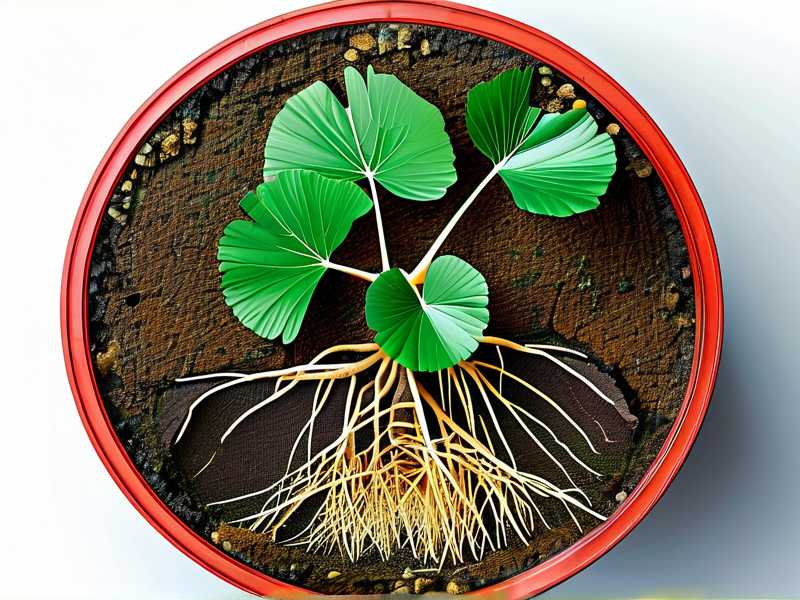
Those tiny, clear-ish worms live in the top inch or two of moist soil. They feed on fungi, algae, and decaying organic matter. But when they run out of that stuff, they start chewing on your money tree's fine root hairs and root tips.
Those fine roots are what absorb water and nutrients. When they get damaged, the plant can't take up enough moisture. The leaf tips — the farthest point from the roots — are the first to dry out and turn brown.
This is why the damage looks like underwatering even though your soil might feel damp. The roots are damaged, so the plant can't use the water that's there.
According to the RHS, fungus gnats thrive in consistently moist, organic-rich potting mixes. Their larvae cause the most damage to young plants and those already stressed by poor conditions. The AHS adds that overwatering is the single biggest contributor to indoor plant decline, and gnat infestations are usually a symptom of that.
My Two-Week Recovery Timeline (What Actually Happened)
I want to give you the real version, not some polished before-and-after.
Days 1–2: I repotted the money tree into fresh, well-draining soil and trimmed the brown tips with sterilized scissors. I also set up sticky traps and watered with a mosquito dunk solution.
Days 3–5: Adult gnats were still flying around, but fewer of them. The sticky traps caught a bunch. I saw no new brown tips forming.
Days 6–9: The soil surface stayed dry between waterings. I checked with a moisture meter before watering. The existing brown tips stopped spreading.
Days 10–14: New growth appeared near the top of the plant. The leaves were small but green and healthy. Adult gnats were almost gone. I did one more mosquito dunk watering as a precaution.
That's it. Two weeks, and the plant was clearly recovering. But I made mistakes along the way that slowed things down.
The Three Deadly Mistakes I Made (and You Should Avoid)
Mistake 1: Overwatering
Here's a stat that should be on every plant tag: 90% of indoor plants die from overwatering. I used to water my money tree on a schedule. Every Sunday, one cup. That's what the care tag said.
That's also why I had fungus gnats in the first place.
Fungus gnats need moist soil to breed. The larvae need moisture to survive. If you keep the top two inches of soil dry, the gnats can't complete their life cycle. Simple as that.
I now water only when the top two inches are completely dry. In winter, that's every 10–14 days. In summer, maybe every 7–10 days. I use a moisture meter because I don't trust my finger to be accurate.
Mistake 2: Wrong Light
I put my first money tree in a dark corner because I read they tolerate low light. That's technically true — they tolerate it. But they don't thrive.
A weak plant is more susceptible to gnat damage. The roots are less vigorous. The plant can't outgrow the damage as easily.
Money trees do best in bright, indirect light. Near an east or west window is ideal. If you only have a north window, get a grow light. I use a simple LED grow bulb in a desk lamp, about 12 inches above the plant, for 10 hours a day.
Mistake 3: Wrong Pot
I had my money tree in a decorative pot with no drainage holes. Every time I watered, excess water sat at the bottom. The roots stayed wet. The gnats partied.
Now I use a nursery pot with drainage holes, and I set it inside a decorative cachepot. I empty the cachepot 30 minutes after watering. That way the roots get moisture but never sit in a puddle.
Step-by-Step: How I Fixed the Gnat Problem and Saved the Leaves
Step 1: Isolate the Plant
As soon as I saw gnats, I moved the money tree away from my other plants. Gnats spread fast. I didn't want my pothos and snake plant to get infested too.
I put the money tree in my bathroom for a few days — it has a window and a door I could close. Not ideal long-term, but fine for isolation.
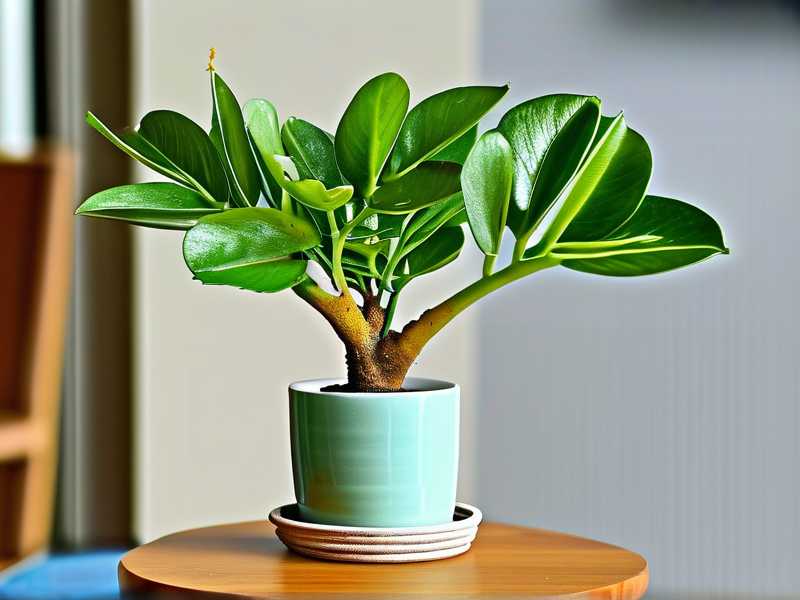
Step 2: Let the Soil Dry Out
This is the most important step. Gnats need moisture. I let the top two inches of soil dry completely before doing anything else. That took about five days.
I didn't water at all during that time, even though the leaves looked a little droopy. The dry soil killed a good chunk of the larvae.
Step 3: Repot with Fresh Soil
I mixed my own potting blend: two parts regular potting mix, one part perlite, one part orchid bark. That gives you a light, airy mix that drains fast.
I gently shook the old soil off the roots. I rinsed them with room-temperature water to remove any remaining larvae and eggs. Then I potted the tree in a clean nursery pot with drainage holes.
If you don't want to repot, you can skip this step. But repotting gave me a fresh start and removed the larvae breeding ground.
Step 4: Use Mosquito Dunks
This was my secret weapon. Mosquito dunks contain Bacillus thuringiensis israelensis (BTI) — a bacteria that kills gnat larvae but is safe for plants, pets, and humans.
I broke one dunk into quarters and put one quarter in a gallon of water. Let it sit overnight. Then I watered the money tree with that solution.
BTI kills the larvae when they eat it. It doesn't harm adult gnats, so you still need sticky traps for those.
I repeated this every time I watered for two weeks. That broke the breeding cycle.
Step 5: Sticky Traps for Adults
I stuck yellow sticky traps into the soil, near the base of the trunk. The adults fly toward the yellow color and get stuck. This doesn't fix the larvae problem, but it reduces the number of adults laying new eggs.
I replaced the traps every week until I saw no new gnats for five days straight.
Step 6: Trim the Damaged Leaf Tips
The brown tips won't turn green again. They're dead tissue. I trimmed them off with clean, sharp scissors.
I followed the natural curve of the leaf and left a tiny bit of brown so I didn't cut into healthy tissue. Cutting into healthy tissue creates a wound that can invite disease.
I sterilized my scissors with rubbing alcohol between cuts. That might be overkill, but I've had issues with bacterial spots before.
Step 7: Adjust Your Watering Routine
After the two-week treatment, I changed how I water. I check the soil with a moisture meter every few days. I water only when the meter reads "dry" at a depth of two inches.
I also water from the bottom when I can. I set the nursery pot in a bowl of water for 20 minutes, then let it drain. That encourages roots to grow downward and keeps the soil surface dry, which discourages gnats.
What I Learned from Killing Three Money Trees Before This One
I've owned four money trees total. The first three died. Here's what I did wrong with each:
Tree #1: Watered on a strict schedule. Root rot. Gnats. Dead in two months.
Tree #2: Put it in a dark corner. It grew leggy and weak. Gnats moved in and finished it off.
Tree #3: Used a pot with no drainage. Water pooled at the bottom. The soil smelled sour. I didn't notice the gnats until the leaves were already crispy.
Tree #4 (current): Bright indirect light. Well-draining soil. Drainage holes. Moisture meter. Two-week gnat treatment. Thriving.
The pattern is obvious. Gnats are a symptom of overwatering and poor drainage. Fix those two things, and you rarely have gnat problems at all.
Frequently Asked Questions
Can a money tree recover from leaf tip die-back?
Yes, as long as the roots aren't completely destroyed. The damaged tips won't heal, but new growth will come in healthy once the gnat larvae are gone and the roots recover. My tree started pushing new leaves on day 10.
How often should I use mosquito dunks for fungus gnats?
I use them every time I water for two weeks, then once a month as a preventative. That's more than most people need, but I'm paranoid after losing three trees. You can probably get away with two or three treatments total.
Will cinnamon or hydrogen peroxide kill gnat larvae?
I tried cinnamon. It did nothing except make my soil smell like a bakery. Hydrogen peroxide can work, but it's easy to burn the roots if you mix it too strong. I stick with mosquito dunks because they're reliable and hard to mess up.
Do I need to throw away the old soil?
If you repot, toss the old soil in the trash, not your compost. Gnat eggs and larvae can survive in compost and reinfest your plants later. I bag it and put it in the garbage bin.
How do I know if the gnats are gone?
Set up fresh sticky traps. If you see no new adults for five days, the breeding cycle is broken. Also, check the soil surface — you shouldn't see any tiny worms crawling around when you disturb the top inch.
Final Thoughts
Money tree leaf tip die-back from gnat root feeding is fixable. I've done it. But it takes consistency. You can't just spray something once and expect results.
Dry out the soil. Repot if you can. Use mosquito dunks. Trap the adults. Trim the dead tips. Adjust your watering for good.
Do that, and your money tree will reward you with new growth in about two weeks. I know mine did. And honestly, after killing three of them, seeing those little green leaves push out felt like a genuine win.