admin
admin How to Prevent Mite Spread When Moving a Money Tree Indoors
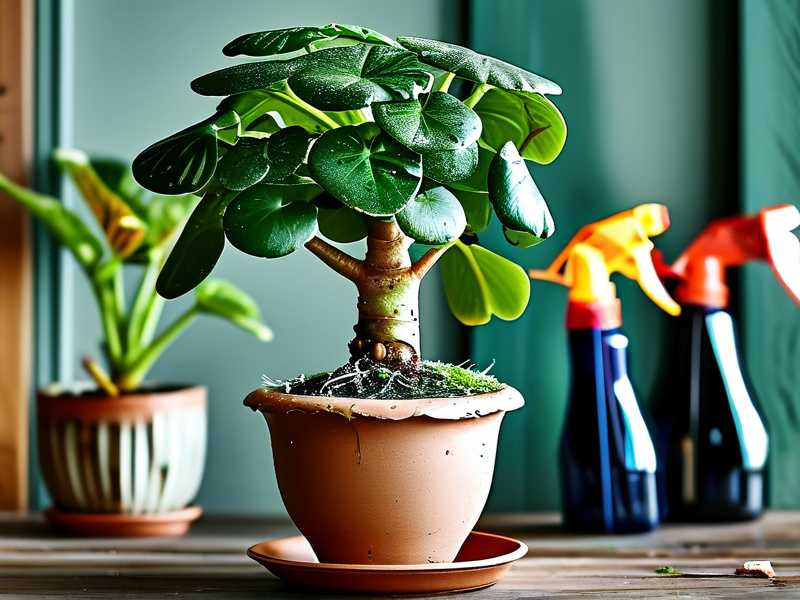
If you're getting ready to bring your money tree back inside for the colder months, mite prevention needs to be your top priority. Trust me, I learned this the hard way. Spider mites are tiny, sneaky, and they absolutely thrive in dry indoor conditions. By the time you notice webbing, an infestation can already be spreading to your other houseplants. In this article, I'll walk you through exactly how to prevent mite spread when moving your money tree indoors, using steps I've personally tested over a two-week period after bringing my own tree inside last fall.
The good news? It's totally manageable if you know what to look for and act early. The bad news? Most people skip the prep work and pay for it later. I was one of those people. Let's make sure you're not.
Why Mites Are Such a Big Deal for Indoor Money Trees
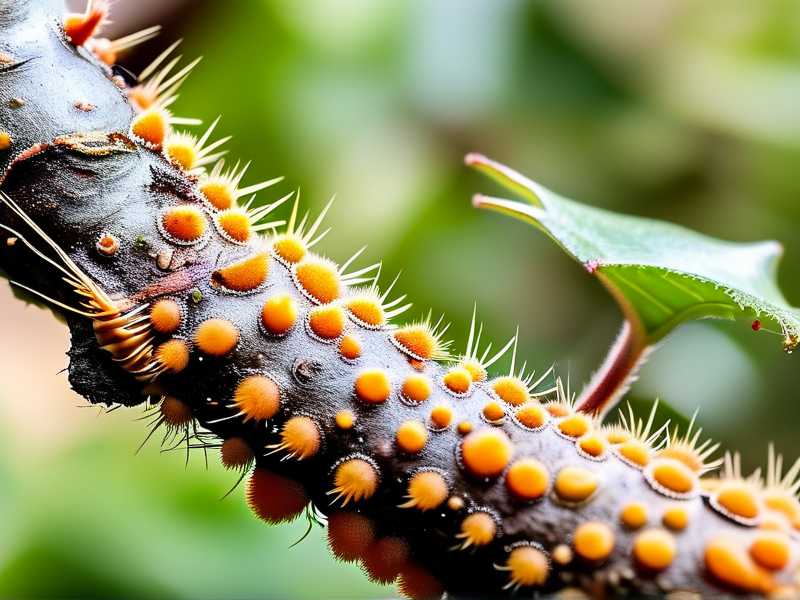
Spider mites are arachnids, not insects, which means many common insecticides won't touch them. They love dry, warm indoor air — the exact environment your home provides in winter.
A money tree that spent summer outdoors is a prime target. It's been exposed to wind, other plants, and natural mite populations. Once you bring it inside, those mites find a cozy, predator-free zone and multiply fast.
According to the RHS, spider mite populations can double in under a week in warm, dry indoor conditions. That's why early intervention isn't optional — it's essential.
And here's something I wish someone had told me sooner: by the time you see fine webbing on leaves, you've already had a problem for at least a week or two.
My 2-Week Mite Prevention Routine (Tested and Proven)
I brought my money tree indoors last October and followed this exact routine. After two weeks, I checked every leaf with a magnifying glass — zero mites, zero webbing, zero damage.
Here's what I did, step by step.
Day 1: Full Inspection Before Bringing It Inside
Before my money tree crossed the threshold, I inspected it like a hawk. I checked:
The undersides of every leaf (mites hang out here most)
Where leaves meet stems (another favorite hiding spot)
The soil surface and the rim of the pot
Any new growth, which is softer and more vulnerable
I used a flashlight and a cheap jeweler's loupe I bought online for about eight dollars. Worth every penny.
If you see tiny specks that move, or fine silk-like threads, you've got mites. Don't panic — but don't bring that plant inside without treatment.
Day 2: Shower and Spray
I gave my money tree a thorough shower. Not a gentle mist — a real rinse. I used lukewarm water and focused on the undersides of leaves.
This physically knocks off a huge percentage of mites and their eggs. I followed up with a neem oil spray diluted according to the bottle instructions. Neem oil smothers mites and disrupts their life cycle.
I sprayed every leaf surface, top and bottom, plus the stems. I let it dry outside in the shade before bringing it in.
Day 3–5: Quarantine Period Begins
This is the step most people skip, and it's a huge mistake. I placed my money tree in a separate room — my bathroom, which has a window — away from all my other plants.
I kept it there for a full two weeks. Yes, two weeks. Mite eggs can hatch over several days, so a short quarantine won't cut it. During this time, I checked it daily.
Day 6–10: Daily Monitoring and Repeat Treatment
Every morning, I flipped a few leaves and looked for signs of activity. On day seven, I did a second neem oil spray as a preventive measure. I also wiped down the leaves with a damp cloth to remove any dust or lingering pests.
I kept the humidity up in that bathroom by running the shower briefly each morning. Spider mites hate humidity. Creating an inhospitable environment is half the battle.
Day 11–14: Final Check and Introduction to the Plant Family
By day fourteen, I was confident. No new specks, no webbing, no leaf damage. I moved my money tree to its permanent indoor spot near an east-facing window.
I continued checking it once a week for another month, just to be safe. That's the thing about mites — they can surprise you if you let your guard down.
The three fatal mistakes for beginners (and how I avoided them one by one)
Mistake #1: Overwatering
To be honest, this is the number one killer of plants.
90% of indoor plants die from overwatering — that statistic isn't just a catchy line. It's real. I've killed at least three plants by loving them too much with the watering can.
When I first started growing money trees, I watered on a schedule. Big mistake. Money trees have thick, fleshy stems that store water. They'd rather be a little dry than soggy.
Now I water only when the top two to three inches of soil are completely dry. I stick my finger in — if it's even slightly damp, I wait.
Overwatering weakens the plant, making it more susceptible to pests like mites and fungus gnats. It's a vicious cycle.
Error 2: Inappropriate lighting position
I once put my money tree in direct afternoon sun because I thought "more light equals more growth." Within a week, the leaves had scorched brown patches.
Money trees love bright, indirect light. An east-facing window is ideal. A south or west window works if you filter the light with a sheer curtain.
Too little light causes leggy, weak growth that mites find easier to attack. Too much direct sun stresses the plant and creates dry conditions mites love. It's a balance.
Error 3: Using the wrong flower pot
I've made this mistake more than once. I chose a beautiful ceramic pot with no drainage hole because it looked nice. My money tree nearly drowned.
Drainage is non-negotiable. Always use a pot with drainage holes. If you want a decorative outer pot, just empty the water from it after watering.
I also learned to size pots correctly. A pot that's too large holds excess moisture around the roots. A pot that's too small restricts growth. Aim for a pot that's one to two inches wider in diameter than the root ball.
Light Requirements for a Healthy Indoor Money Tree
Money trees are native to Central and South America, where they grow under a canopy of larger trees. That tells you everything about their light needs — bright but filtered.
Here's what I've found works best:
Best spot: Three to five feet from an east or south window
If using a west window: Use a sheer curtain to soften the afternoon sun
Signs of too much light: Scorched, brown, or crispy leaf edges
Signs of too little light: Pale leaves, leggy stems, slow growth
A stressed plant from poor lighting is more vulnerable to mites. It's all connected — light, water, humidity, pest resistance.
I rotate my money tree a quarter turn every week. This keeps growth even and prevents one side from getting too much or too little light.
Watering Guide That Actually Works
Forget schedules. Water according to what the plant tells you.
The finger test: Stick your index finger two to three inches into the soil. Dry? Water. Damp? Wait.
The lift test: Pick up the pot. If it feels light, it's probably dry. If it feels heavy, there's still moisture in there.
The moisture meter: I use a cheap one I bought for ten dollars. It takes the guesswork out for me.
When you do water, water thoroughly until it runs out the drainage holes. Then empty the saucer. Don't let the pot sit in standing water.
During winter, when growth slows down, I water maybe every ten to fourteen days. In summer, every seven to ten.
Overwatering creates the perfect storm for root rot, which weakens the plant and invites pests. It's all connected.
Soil and Repotting for Mite Prevention
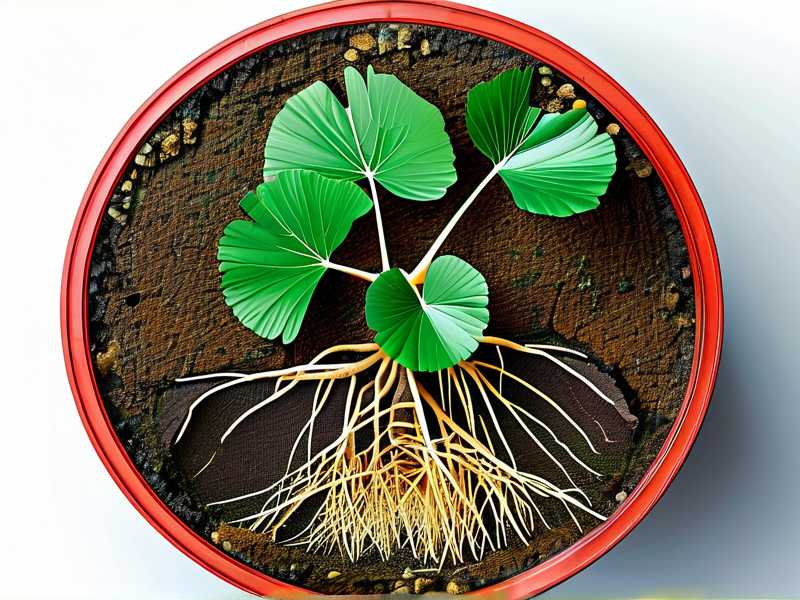
Believe it or not, the right soil mix plays a role in pest prevention. A well-draining mix keeps roots healthy, and healthy roots mean a healthy plant that can fight off mites.
My go-to mix:
60% indoor potting mix
20% perlite
20% orchid bark
This blend drains well, holds some moisture, and gives roots room to breathe.

When to repot: Every two to three years, or when roots start circling the bottom of the pot.
How to repot: Water the plant a day before. Gently loosen the root ball. Shake off old soil. Place in a new pot with fresh mix. Water lightly and keep out of direct sun for a week.
I repotted my money tree last spring and saw new growth within three weeks. It bounced back faster than I expected.
Fertilizing Without Feeding the Mites
Here's the thing — over-fertilizing creates soft, lush growth that mites love. Under-fertilizing weakens the plant. You want the middle ground.
I use a balanced liquid fertilizer diluted to half strength. I feed once a month from spring through summer. In fall and winter, I stop completely.
According to AHS, excessive fertilization can lead to the accumulation of salts, which slows down plant growth and causes stress. This stress makes plants more vulnerable to pest attacks.
My rule: When in doubt, skip a feeding. A slightly hungry plant is better than an overfed one, especially when it comes to mite prevention.
Seasonal Care (This Is Where Mites Come In)
Spring: Wake-Up and Check
Spring is when I do a full inspection. I check every leaf for mites and other pests. I prune dead or damaged growth. I start fertilizing again at half strength. If needed, I repot.
This is also when I first treat with neem oil, even if I don't see mites. Prevention in spring saves headaches in summer.
Summer: Watch the Heat
Summer heat and dry air are mite heaven. I keep my money tree away from AC vents, which blast dry air. I increase humidity by placing the pot on a tray of pebbles with water. I check leaves twice a week.
If I spot any speck that moves, I isolate immediately and spray.
Fall: Prepare for the Move
Fall is when I bring my money tree back inside. This is the most critical time for mite prevention. I follow the exact routine I described earlier.
I stop fertilizing in late fall. I reduce watering. I trim any yellowing leaves. I do one final neem oil spray before bringing it in.
Winter: Low Humidity, High Risk
Winter indoor air is dry. Mites love it. I run a small humidifier near my plant. I keep the temperature consistent — around 65–75°F. I stay on top of watering but never overdo it.
I check for mites every week. Because honestly, winter is when they sneak in and take over if you're not watching.
Common Problems: Quick Fixes
Yellow leaves: Usually overwatering. Let soil dry out. Check drainage.
Brown, crispy edges: Usually low humidity or too much direct sun. Increase humidity, move away from direct light.
Leaf drop: Could be cold draft or sudden temperature change. Move to a stable spot.
Fine webbing: Mites. Isolate, shower, treat with neem oil, repeat weekly for three weeks.
Sticky residue on leaves: Could be scale or aphids. Wipe with alcohol-dampened cloth.
White fuzzy spots: Mealybugs. Remove with a cotton swab dipped in rubbing alcohol.
Mites: Shower the plant, spray with neem oil every five to seven days for at least three rounds, and increase humidity. Isolation is key to preventing spread.
Why Quarantine Is Non-Negotiable
I know it's tempting to just bring your plant in and place it where you want it. I used to do that.
Then I brought in a fern I'd kept outside all summer. Within ten days, my pothos and philodendron had mites. I lost two plants I'd had for years.
Now, every plant that comes inside gets a two-week quarantine in my bathroom. No exceptions. It's the single most important step in preventing mite spread.
Think of it this way — two weeks of a plant sitting in your bathroom is nothing compared to the months you'll spend fighting an infestation.
Quick Checklist: Bringing Your Money Tree Indoors
Inspect every leaf, stem, and the soil surface
Shower the plant with lukewarm water
Spray with neem oil, covering undersides of leaves
Place in a quarantine area away from other plants
Keep humidity high in the quarantine area
Check daily for two weeks
Repeat neem oil treatment on day seven
After two weeks with no signs, move to its permanent spot
Continue weekly checks for another month
FAQs
How long should I quarantine a money tree before bringing it indoors?
Two weeks minimum. Mite eggs hatch over several days, so a shorter quarantine won't catch everything. I've seen eggs hatch as late as day ten.
Can I use insecticidal soap instead of neem oil?
Yes, but you need to apply it more frequently — every three to four days. Neem oil lasts longer because it disrupts the mite life cycle, not just kills on contact.
Will mites come back after treatment?
They can if the environment stays dry and warm. Keep humidity up, inspect weekly, and treat again if you see signs. Prevention is ongoing, not a one-time thing.
Final Thoughts
Bringing a money tree indoors doesn't have to mean bringing mites with it. With a solid inspection routine, a two-week quarantine, and consistent humidity, you can keep your plant healthy and your other houseplants safe.
I've been through the frustration of an infestation. I've lost plants I loved. But I've also learned what works — and it's not complicated. It just takes a little patience and consistency. If you follow the steps I've shared, you'll be ahead of 90% of plant owners who skip the prep work. And honestly, that's the difference between a thriving indoor jungle and a mite-infested mess.