admin
admin From Tiny Leaves to Full Canopy: How I Fixed Stunted Money Tree Leaf Size Caused by Heavy Scale Feeding
If your money tree leaves are coming in smaller than a coin and look dull instead of glossy, scale insects are the likely culprit. I know because I ignored the sticky film on my first Pachira aquatica for almost a month. By the time I acted, the new growth had shrunk to half its normal size.
How to cure stunted money tree leaf size from heavy scale feeding comes down to three things: killing the scale, repairing the leaf surface, and rebuilding the plant's energy reserves. I did all three over one growing season, and by week two of treatment I already saw new buds pushing out larger and greener.
Money trees are forgiving houseplants, which is exactly why people wait too long before treating pests. The plant keeps limping along, so you assume everything is fine. Meanwhile, every scale insect is pumping out honeydew, blocking light, and draining sap from the exact tissue that produces new leaves.
Why Scale Feeding Shrinks Money Tree Leaves
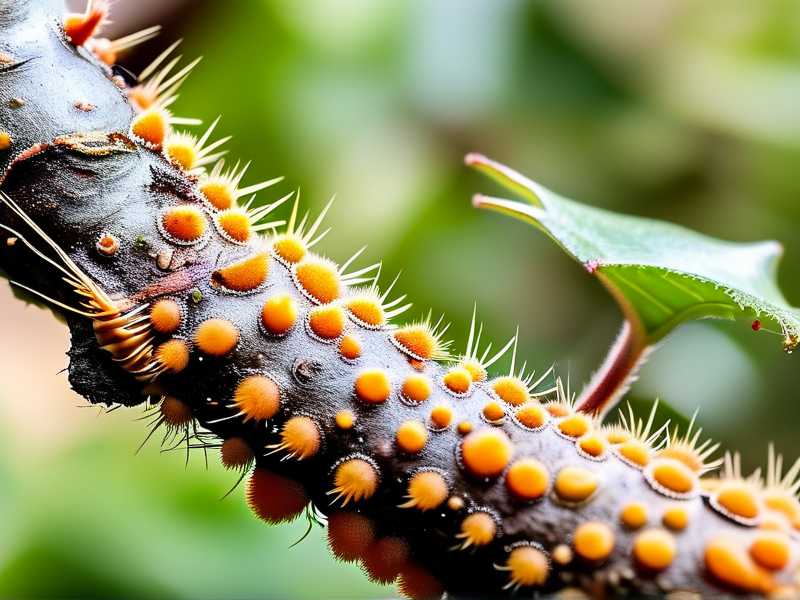
Scale insects don't chew holes in leaves the way caterpillars do. They attach themselves to stems and the undersides of leaves, then push a needle-like mouthpart into the plant's phloem. They drink the sugary sap your money tree worked hard to produce.
That sap is the fuel for new leaf expansion. When dozens or hundreds of scales are feeding at once, the plant simply doesn't have enough energy left over for large, healthy foliage. New leaves come out small, pale, and sometimes curled.
The sticky honeydew they excrete makes things worse. It coats leaf surfaces, attracts sooty mold, and physically blocks the light your plant needs for photosynthesis.
The RHS notes that heavy scale populations can weaken a plant to the point where it stops producing normal growth entirely. That matches exactly what I saw on my own plant.
Here's the part most people miss. Even after you kill the scale, the stunted pattern doesn't reverse overnight. The plant has to rebuild its reserves first. That's why patience during recovery matters as much as the treatment itself.
Spotting Heavy Scale Before the Leaves Shrink
I've learned to check for scale every time I water. It takes ten seconds. Run your thumb along the stems and the midrib of each leaf. If it feels waxy or bumps off like a tiny scab, that's scale.
Look for:
- Small brown or tan bumps that don't move when you touch them
- Sticky residue on leaves, pots, or windowsills
- A faint honeydew smell near the base of the plant
- Ants crawling around the pot (ants farm scale for the honeydew)
- Yellowing patches on older leaves
- New leaves that unfurl smaller than the last batch
The last one is the real red flag. If leaf size is trending downward with each new flush, scale feeding has probably been happening for weeks.
I also use a magnifying glass now. Soft scale and armored scale look different up close, and it helps to know which one you're dealing with before you pick a treatment.
My 2-Week Treatment Plan That Actually Worked
Let me walk you through exactly what I did. This isn't theory. This is the sequence I used on my Pachira aquatica after I found a serious scale infestation on the undersides of about a dozen leaves.
Days 1 to 2: Isolation and Inspection
I moved the plant away from every other houseplant in the room. Scale spreads. Don't skip this step.
Then I inspected every leaf, front and back, with a flashlight. I counted roughly forty visible scale clusters. That's a heavy infestation, not a mild one.
Days 2 to 3: Manual Removal
I dipped cotton swabs in 70% isopropyl alcohol and dabbed each scale until it came off. Tedious? Yes. Effective? Very. The alcohol dissolves the waxy outer coating and kills the insect on contact.
I went through about sixty swabs. Put on a podcast and just work through it leaf by leaf.
Days 3 to 4: Horticultural Oil Spray
After manual removal, I sprayed the entire plant with neem oil mixed at the label rate. I focused on stem joints and leaf undersides where scale hides.
I repeated this spray every seven days for three rounds. That catches newly hatched crawlers before they mature and start feeding again.
Days 4 to 14: Recovery Conditions
This is where the leaf-size fix actually happens. I moved the plant to a spot with bright, indirect light. Direct sun would have scorched the already-stressed leaves.
I cut back on watering. Scale-stressed plants are vulnerable to root rot, and overwatering is the fastest way to finish them off.
Here's the line I keep coming back to: 90% of indoor plants die from overwatering. I've killed my fair share by being too generous with the watering can.
What I Saw by Week 2
By day ten, two new buds appeared at the top of the main trunk. By day fourteen, those buds had opened into leaves noticeably larger than the previous flush. Not fully back to normal size, but clearly headed in the right direction.
The older stunted leaves never grew larger. That's normal. Damaged leaves don't expand. But the new growth told me the plant was recovering.
Light: Getting It Right During Recovery
A recovering money tree needs bright, indirect light. Think of a spot near an east-facing window, filtered through a sheer curtain.
Too little light and the plant can't produce enough energy to push out large new leaves. Too much direct sun and the already-weakened leaves develop brown scorch patches.
The AHS recommends placing tropical houseplants where they receive several hours of bright but filtered light daily. That's the sweet spot for a money tree coming back from pest damage.
If natural light is limited, a full-spectrum LED grow light placed twelve to eighteen inches above the canopy works well. I run mine for ten hours a day during recovery.
Rotate the pot a quarter turn every week. This prevents one side from getting leggy and keeps growth balanced.
Watering After Scale Damage
Scale feeding weakens the plant's vascular system. That makes it less efficient at moving water from roots to leaves.
The fix is not to water more. It's to water smarter.
Check the top two inches of soil with your finger before every watering. If it's still moist, wait. If it's dry, water thoroughly until it runs out the drainage holes.
Then empty the saucer. Standing water is a death sentence for money trees.
I water mine roughly every ten to fourteen days in summer and every three to four weeks in winter. Your schedule will depend on your home's humidity, temperature, and pot size.
Terracotta pots dry out faster than glazed ceramic. A moisture meter takes the guesswork out if you're unsure.
Never let the pot sit in a cachepot full of water. That's how root rot starts, and root rot looks a lot like scale damage from above: yellowing leaves, stunted growth, and a generally sad-looking plant.
Soil and Repotting for Stronger Leaves
If your money tree has been in the same potting mix for more than two years, the soil has probably compacted. Compacted soil holds water too long and restricts root growth.
I repot mine every eighteen to twenty-four months using a mix of:
- 50% standard indoor potting mix
- 25% perlite
- 25% orchid bark
This blend drains fast while still holding enough moisture for the roots. Money trees hate soggy feet.
Choose a pot with drainage holes and a diameter two inches larger than the current one. Going too big traps excess moisture around the roots.
Repot in early spring before the growing season kicks in. That gives the plant time to settle before it needs to push out new leaves.
If you've just treated a scale infestation, wait at least four weeks before repotting. The plant needs to recover from one stress before handling another.
Feeding Your Money Tree Back to Health
After a scale infestation, your plant is running on empty. But dumping fertilizer on a stressed plant is a mistake I've made before. It burns the roots and sets recovery back by weeks.
Wait until you see new growth, then start with a diluted liquid fertilizer at half the recommended strength. I use a balanced 10-10-10 formula once a month during spring and summer.
Stop feeding in fall and winter. The plant isn't growing, so it doesn't need the extra nutrients.
Too much nitrogen pushes soft, weak growth that scale insects love. Don't overdo it.
If you repotted in fresh soil, skip fertilizer for the first six weeks. The potting mix already contains enough nutrients.
Seasonal Care After Scale Recovery
Spring: The Rebuilding Season
Spring is when your money tree does its heavy lifting. New leaves, new roots, new energy.
I prune any dead or badly stunted stems in early spring. Cut back to just above a leaf node. This redirects energy to healthy growth.
If the plant lost a lot of foliage to scale, don't prune aggressively. Let it keep every green leaf it has. Those leaves are the solar panels it needs to recover.
Start fertilizing once you see active growth. Water more frequently as temperatures rise.
Summer: Protect and Observe
Summer growth is fast, which is great for recovery. But heat stress and pest pressure also peak.
Keep the plant out of direct afternoon sun. Water when the top two inches of soil are dry. Check leaf undersides weekly for any sign of returning scale.
Air conditioning dries out the air. If your indoor humidity drops below 40%, group your plants together or run a small humidifier nearby.
Fall: Ease Into Rest
Growth slows down in fall. Reduce watering frequency and stop fertilizing by mid-autumn.
This is a good time to clean the leaves with a damp cloth. Removing dust helps the plant absorb maximum light through the winter.
Check for scale one more time before the heating season starts. Warm, dry indoor air is scale heaven.
Winter: Less Is More
Money trees go semi-dormant in winter. They don't need much water or any fertilizer.
I water mine maybe once every three to four weeks in winter. Sometimes less.
Keep the plant away from cold drafts and heating vents. A sudden temperature swing can cause leaf drop.
If your home gets very dry, a pebble tray filled with water under the pot raises humidity without soaking the roots.
Three Mistakes That Killed My First Money Trees
I've killed three money trees over the years. Each one taught me something I wish I'd known earlier.
Mistake 1: Overwatering
This is the big one. The plant looked sad, so I watered it more. The roots rotted. The leaves yellowed and dropped.
Now I always check the soil before watering. Always.
Mistake 2: Wrong Light
I put my first money tree in a dark corner because I thought low-light plants meant no-light plants. It stretched toward the window, grew tiny pale leaves, and never thrived.
Bright, indirect light. That's what they want.
Mistake 3: The Wrong Pot
I used a decorative pot with no drainage holes. Water pooled at the bottom. The roots sat in it for weeks before I noticed.
Now every pot I use has drainage holes. No exceptions.
Quick Answers to Common Questions
Can stunted money tree leaves grow back to normal size?
The already-stunted leaves won't expand. But once you eliminate the scale and restore good conditions, new leaves will come in at normal size. Give it four to eight weeks of consistent care.
How do I know if scale is really gone?
Check weekly for six weeks after your last treatment. Look for crawlers, sticky residue, and new bumps on stems. If you see nothing for six weeks, you're probably clear.
Should I throw away a money tree with heavy scale?
Not necessarily. Money trees are tough. If the trunk is still firm and there's at least some healthy green tissue, it's worth treating. I saved mine, and it's now pushing out the biggest leaves it's had in two years.
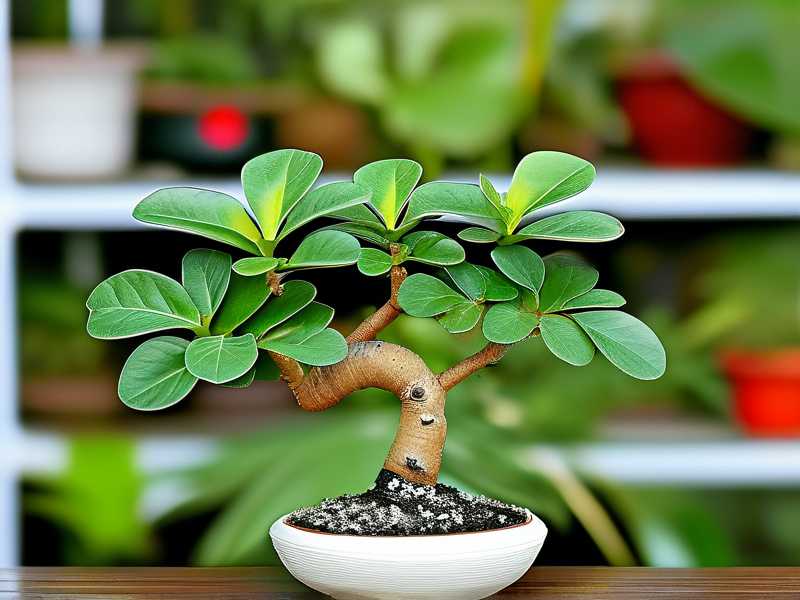
The short version? Catch scale early, remove it manually, treat with oil, and then focus on light, water, and patience. Your money tree will thank you with bigger, glossier leaves than you thought possible.