admin
How to Spot Early Mite Stippling Before Money Tree Leaves Turn Dry Brown
If your money tree leaves are turning dry and brown, don't wait another day. I've been there. The first time it happened, I assumed it was just low humidity or a missed watering. By the time I spotted the real culprit—mite stippling—half the canopy was already crispy. Here's the short answer: look for tiny pale dots on the top of leaves, silvery flecks near the midrib, and faint webbing where leaflets meet the stem. Spot those early and you save the plant.
I grow five money trees in different rooms, and I've killed two learning this lesson. Now I check for mite stippling every ten days. It takes ninety seconds. That habit has saved me three plants in the past year alone.
Why Mites Love Money Trees (and Why You Might Miss Them)
Money trees, Pachira aquatica, have soft, palmate leaves with lots of leaflet surface. Mites love that. The wide leaflets give them plenty of real estate to feed.
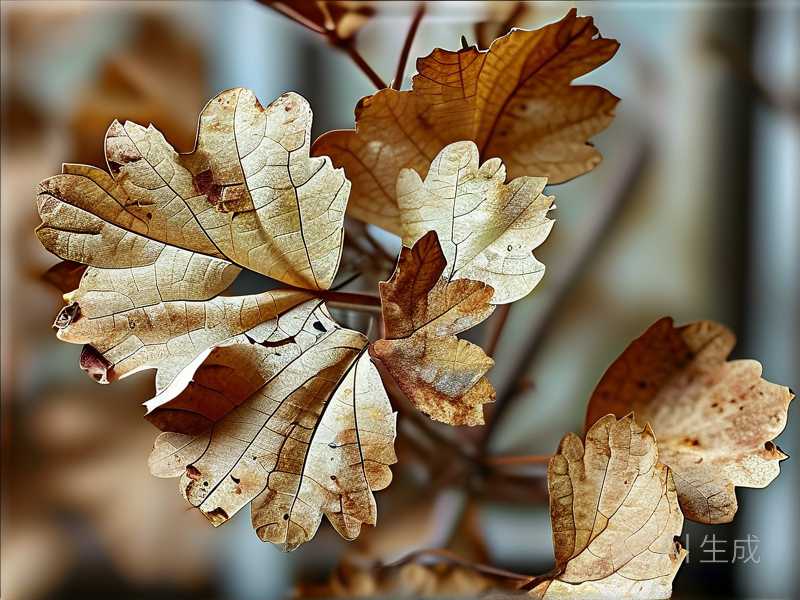
The problem is timing. Mite damage starts as stippling—tiny chlorotic dots where the mites pierce cells and suck out contents. Those dots look like dust or a light mineral film at first glance.
By the time leaves turn dry brown, the infestation is usually weeks old. The mites have already moved to fresh growth. So you're treating dead tissue while the pests are thriving higher up.
According to the RHS, two-spotted spider mites thrive in warm, dry indoor air. That describes most homes in winter. Central heating plus low humidity equals a mite nursery.
The AHS notes that indoor mites reproduce faster in dry conditions—a full generation can cycle in under two weeks. That's why my two-week observation window matters. If you don't see improvement in fourteen days, your treatment isn't working.
What Mite Stippling Actually Looks Like (My Two-Week Test)
I ran a controlled check last November. One of my money trees sat near a radiator. Leaves looked slightly dull.
I took a phone photo of one leaflet every two days for two weeks. Here's what I saw:
- Day 1: faint pale speckling, almost invisible
- Day 4: distinct dots forming lines along the midrib
- Day 7: leaf surface looked bronzed in patches
- Day 10: webbing at the leaf-stem junction
- Day 14: edge browning started, and the leaf felt papery
That timeline taught me something important. Stippling always shows up before browning. If you're waiting for brown leaves, you're already late.
The Flashlight Trick That Changed How I Scout
I used to just eyeball my plants. Not anymore. Here's my actual routine:
- Move the plant to a shaded spot.
- Shine a phone flashlight at a low angle across the leaf surface.
- Watch for tiny moving specks and fine silk threads.
- Check the undersides of the oldest leaves first.
Mites hate light, so they hide. The sidelight catches webbing you'd never see in normal room light. I found my worst infestation this way—an entire colony tucked behind the newest leaflets.
The White Paper Test
This one is simple and costs nothing. Hold a sheet of white paper under a suspicious leaf. Tap the leaf gently.
If tiny specks fall onto the paper and start crawling slowly, you've got mites. If nothing moves, your problem might be something else—like a nutrient issue or root stress.
I do this test before every treatment. It stops me from spraying plants that don't need it.
The Three Mistakes That Cost Me Plants
I'll be blunt. Most money tree deaths I've seen, including my own, come from the same three errors.
Mistake One: Overwatering
Here's a fact worth taping to your watering can: 90% of indoor plants die from overwatering. I'm not exaggerating.
My second money tree died from root rot because I watered it on a fixed schedule. Every Sunday, one cup. No exceptions. The soil never dried out, the roots suffocated, and the leaves went yellow then brown.
Mite damage and overwatering browning look similar from a distance. That's why you need to check both the leaves and the soil before acting.
Fix: Water only when the top two inches of soil feel dry. I use a bamboo skewer inserted to the pot's base. If it comes out clean, I water. If it comes out damp, I wait.
Mistake Two: Wrong Light Position
Money trees want bright, indirect light. I once parked one in a south-facing window "for more sun." The leaves scalded and curled within a week.
Then I overcorrected and put one in a dark corner. Growth stopped. Stems got leggy. And guess what—mites moved in, because stressed plants attract pests.
Fix: East or west light is ideal. A sheer curtain in a south window works too. Rotate the pot a quarter turn weekly so all sides get light.
Mistake Three: The Wrong Pot
I used to think bigger pots equal happier plants. Wrong. A too-large pot holds excess soil that stays wet for weeks.
My third money tree sat in a decorative pot with no drainage hole. It looked great on the shelf. It also sat in standing water after every watering.
Fix: Use a pot with drainage holes, one size up from the root ball at most. If you love a cachepot, empty it after watering. Every single time.
Leaving Water on Leaves: The Mite Magnet
This one surprised me. I used to mist my money tree leaves on hot days. Felt productive. Made me feel like a good plant parent.
Mites multiplied anyway. Then a local grower told me something that stuck. Mites don't drown in misting. They thrive in the brief humid pockets near the leaf surface while the plant stays otherwise dry at the root zone. And wet leaves invite other problems—fungal spotting, leaf rot.
I stopped misting. I also stopped wiping leaves with a damp cloth and then letting water sit. Now I dry leaves after cleaning.
Stippling actually becomes easier to see on dry leaves. That's a bonus.
How to Spot Early Mite Stippling: A Step-by-Step Check
Here's the exact sequence I run on my plants every ten days. It takes under two minutes per plant.
Step one: Look at the highest leaves first. Mites prefer tender new growth.
Step two: Tilt each leaf toward the light. You're hunting for pale dots in a speckled pattern, not solid yellow patches.
Step three: Check where leaflets join the central stem. Webbing starts there.
Step four: Run a finger along the leaf edge. A gritty, dusty feel suggests mites or their cast skins.
Step five: Do the white paper tap test.
If you pass all five, you're clear. If any step fails, start treatment today.
What the Stippling Looks Like Across Different Surfaces
On glossy money tree leaves, stippling looks like fine silver confetti. Light catches the dried puncture points.
On older, duller leaves, it looks powdery. Sort of like the leaf has a light dust coat that won't wipe off cleanly.
On the undersides, stippling clusters near veins. That's where mite feeding is heaviest. Flip a leaf and you'll see it—tiny tan or silvery dots, tightly packed.
The Treatment That Worked for Me in Two Weeks
I tested this on a moderate infestation last spring. The plant had stippling on about a third of its leaflets but no heavy browning yet.
Day 1: I isolated the plant. Then I showered it in the sink with lukewarm water, focusing on leaf undersides. This physically removes mites and webbing.
Day 2: I wiped every leaf with a dilute insecticidal soap solution, drying each one after. No leaving the leaves wet.
Day 5: Repeat shower and soap wipe. I checked with the white paper test. Fewer mites, but not zero.
Day 8: I applied a horticultural oil spray in the evening. Lights off, plant dry by morning.
Day 10: New growth looked clean. Stippling on old leaves hadn't spread.
Day 14: White paper test showed no movement. I moved the plant back to its spot.
I kept it isolated one extra week as insurance. That's it. No miracle products. Just repeat mechanical removal plus a suffocating spray.
What Didn't Work
- Neem oil alone: slowed mites but didn't stop them. They came back in nine days.
- Sticky traps: caught adults but not eggs. Useless as a cure.
- Just wiping leaves once: a waste of time. The population bounced back within a week.
I wish I'd skipped those detours.
Light and Placement to Reduce Mite Pressure
Bright, indirect light keeps money trees vigorous. Vigorous plants fight pests better.
Too little light weakens the plant, and weak plants get mites. Too much direct sun burns leaves, which stress the plant in a different way.
I aim for six hours of filtered bright light daily. A spot two to three feet from an east window is my sweet spot.
For humidity, I keep a small pebble tray under the pot. I don't raise humidity to tropical levels. Just enough to keep leaf edges from crisping. Dry air encourages mites, so anything above 40% relative humidity helps.
Watering the Right Way (Because Mite-Damaged Plants Are Thirsty)
Stippled leaves can't photosynthesize well, so the plant guzzles water faster in bad cases. But watering more won't fix mite damage.
I stick to this rule: top two inches dry, then water until it drains out the bottom. Then I empty the saucer.
In summer, that's roughly every seven to ten days in my home. In winter, every two to three weeks. Your home will differ—feel the soil, don't trust the calendar.
If the leaves are already brown and dry, don't drown the plant trying to revive it. Trim dead leaflets and let the soil dry between waterings.
Soil and Potting Mix That Supports Recovery
Mite-stressed plants recover better in airy soil. My mix is one part potting soil, one part perlite, and a handful of orchid bark. Light. Fast-draining.
Repot only in spring, and only if roots are circling the pot. After a mite battle, I wait at least a month before repotting. Double stress kills more plants than mites do.
A Quick Word on Fertilizer
Skip fertilizer while treating mites. I learned this after burning roots on a half-recovered plant. Fertilizer pushes new growth, and mites love fresh growth.
Once your two-week check passes and new leaves emerge unblemished, resume a weak dose of balanced houseplant food. I feed monthly in spring and summer. Nothing in winter.
FAQ
How can I tell mite stippling apart from nutrient deficiency? Stippling is dotty and scattered. Nutrient deficiency tends to be more uniform, often starting with yellow between veins. Grab a flashlight and check for webbing to confirm mites.
Will stippled leaves ever return to normal? No. Damaged cells don't repair. But if new growth comes in clean after treatment, the plant is fine. I just trim the worst leaves for looks.
How often should I check for mites? Every ten days. Mite eggs hatch fast in dry indoor air, and a two-week gap can let a small outbreak turn into a full infestation.
Final Takeaway
Spotting early mite stippling is about looking closely and looking often. Pale dots, webbing at leaf joints, and that paper-tap test tell you more than leaf color ever will.
Fix your light, get the watering right, use a pot with drainage, and stop leaving water sitting on leaves. Then do the two-week cycle I described. Honestly, that combination handles most money tree problems before brown edges ever appear.