admin
How to Spot Mealybug Colonies on Money Tree Before Your Plant Shows Stress
If you've ever watched a money tree go from thriving to sad in what feels like a week, you already know the sick feeling. And here's the thing I wish someone told me years ago: mealybugs on a money tree almost always show up before the plant itself looks sick. I'm talking about catching those little white fuzzy clusters while your leaves are still green and perky.
The trick is knowing where to look, when to look, and what "normal" actually looks like on a money tree. That's exactly what this guide covers.
Why Money Trees Are a Mealybug Magnet
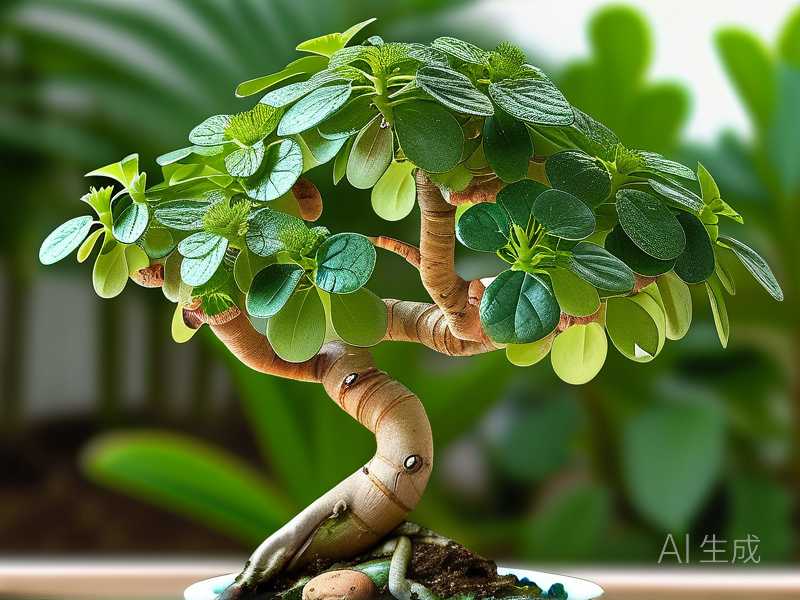
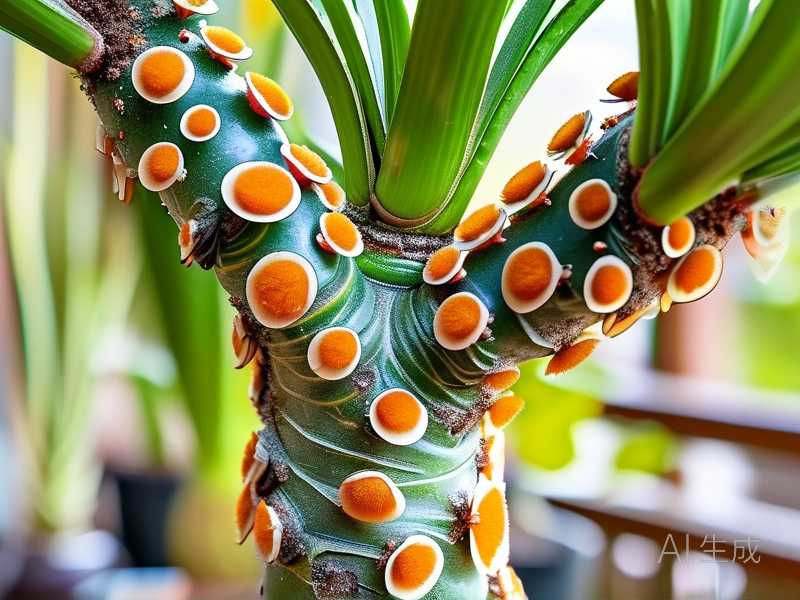
Money trees (Pachira aquatica) have braided trunks, soft stems, and dense leaf clusters. Those tight crevices between stems? Perfect hiding spots for mealybugs. They love the sheltered areas where leaves meet the trunk.
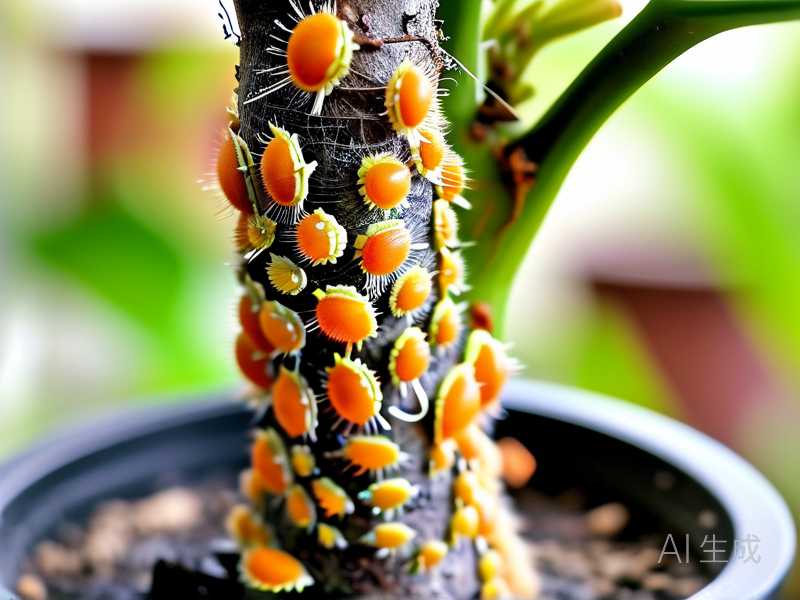
The RHS notes that mealybugs hide in leaf axils and stem joints, which makes early detection tricky. I learned that the hard way.
Adding to the problem, money trees are often sold in decorative pots with dense soil. That creates humid microclimates near the base. Mealybugs thrive there. Simple as that.
What Mealybug Colonies Actually Look Like
First, let's get the picture straight. Mealybugs aren't always obvious white blobs. Early colonies can look like tiny flecks of cotton or even dust.
Here's what I check for:
- White cottony tufts in leaf joints and stem crevices
- Sticky residue on leaves (honeydew)
- Tiny crawling specks near the soil line
- Sooty black mold developing on leaf surfaces
- Ant activity around the pot
That last one surprised me. Ants farm mealybugs for their honeydew. If you see ants on an indoor plant, look closer. I caught my first colony this way.
The Hidden Spots Most People Miss
Mealybugs don't sit on top of leaves like aphids. They tuck themselves away. Check these spots:
- Where the braided trunk meets the soil
- Undersides of leaves, especially near the midrib
- New growth tips (they love soft, fresh tissue)
- The gap between the pot rim and the soil surface
- Along the braid itself, in every twist
I keep a small flashlight on my plant shelf. Sounds nerdy, but it's genuinely useful. The angled light catches webbing and cottony clusters that flat lighting hides.
My Two-Week Early Detection Routine
I've refined this over several years and a few losses. Here's what actually worked.
For two weeks, I checked my money tree every two to three days. Not a deep inspection every time. Just a quick scan of the five spots above. Took maybe ninety seconds.
By day four, I spotted faint white fuzz near the base of the braid. It looked like lint at first. But under the flashlight, I could see it was slightly textured. A cotton swab dipped in rubbing alcohol confirmed it, which removed a bit of the colony and left a faint brown stain.
That's mealybugs, not dust.
From day four to day fourteen, I treated with a cotton swab and alcohol every other day, then applied neem oil once a week. By day fourteen, no new clusters appeared. The plant never dropped a single leaf. That's the point of early detection. You catch it before stress sets in.
Signs Your Money Tree Is Already Under Attack
Even with early detection, sometimes you miss the first wave. Here's what stressed plants look like:
- Yellowing leaves that drop suddenly
- Curled or distorted new growth
- Stunted growth despite good light
- Sticky film on lower leaves
- Overall droop that doesn't respond to watering
Honestly, if you're seeing yellowing, the colony has been there a while. Mealybugs feed on sap and drain the plant slowly. Stress shows up late.
I've killed two money trees this way. Both times I blamed my watering first. The bugs were the real issue.
Light and Placement: The First Line of Defense
Mealybugs prefer sheltered, humid spots. Good airflow makes them less comfortable. I keep my money tree in bright, indirect light and use a small clip-on fan on low speed nearby.
The AHS recommends bright, indirect light for healthy houseplants and notes that good air circulation reduces pest pressure. I've found that to be true.
Avoid cramming the plant against a wall. Leave space for air to move. Your plant will look better and harbor fewer pests.
Watering: Getting It Right Without Overdoing It
Here's the uncomfortable truth: 90% of indoor plants die from overwatering. I'm not making that number up to scare you. It's the most common houseplant killer, and it sets up conditions where mealybugs thrive.
Overwatered money trees sit in damp soil. Damp soil means high humidity near the base. That's a mealybug welcome mat.
My rule: water thoroughly when the top two inches of soil feel dry. Then let it drain completely. Never let the pot sit in a saucer of water.
I water roughly every ten to fourteen days indoors, depending on season and light. In summer it's closer to seven to ten. Winter can stretch to two or three weeks.
The Three Beginner Mistakes I See Most
After years of answering questions and killing more than my share of plants, these come up constantly:
- Overwatering. It's the big one. Wait until the soil is actually dry. Not just dry on top.
- Wrong light. Money trees want bright, indirect light. Full sun scorches leaves. Deep shade invites pests and weak growth.
- Wrong pot. A decorative pot without drainage is a trap. Your plant sits in stagnant water. Mealybugs love that. Use a pot with drainage holes and a saucer.
I made all three mistakes. My first money tree lived in a sealed ceramic pot with no holes. I watered it on a schedule. It was dead in two months. Learn from that.
Soil and Repotting: Building a Healthier Root Zone
Healthy roots mean a healthy plant, and healthy plants resist pests. I use a mix of two parts potting soil, one part perlite, and one part orchid bark. It drains well and doesn't stay soggy.
Repot every two to three years, or when roots circle the pot. Choose a pot one size up, no bigger. Oversized pots hold excess moisture. I learned that the hard way too.
Feeding Your Money Tree Without Overdoing It
Fertilize lightly. I use a balanced liquid fertilizer at half strength every four to six weeks during spring and summer. Nothing in fall or winter.
Too much fertilizer causes soft, weak growth. Guess what mealybugs love? Soft, weak growth. Keep feeding modest.
Seasonal Care: What Changes and What Doesn't
Spring
New growth appears. This is when mealybugs wake up too. I check weekly during spring. I prune lightly, repot if needed, and start fertilizing again.
Summer
The risk period. I watch for heat stress and keep the fan going. I water more often but always check soil first. Pest scouting is non-negotiable from June to September.
Fall
Growth slows. I reduce watering and stop fertilizing. This is when I do a deep inspection of the braid and stems, because mealybugs hunker down for winter.
Winter
The quiet season. I keep the plant warm, away from drafty windows. Water sparingly. No fertilizer. And I still check every couple of weeks. Mealybugs don't take a holiday indoors.
Common Problems and What They Mean
- Yellow leaves dropping: Often overwatering. Check soil moisture before assuming pests.
- Sticky leaves: Honeydew from mealybugs or scale. Inspect stems closely.
- Brown crispy leaf edges: Low humidity or underwatering. Money trees like moderate humidity, but not wet feet.
- White fuzz on stems: Mealybugs. Treat immediately.
- Black mold on leaves: Sooty mold from honeydew. It's a symptom, not the root problem.
Frequently Asked Questions
How do I know if the white spots on my money tree are mealybugs or something else?
Mealybugs leave cottony, textured clusters. You can remove one with a cotton swab. If it smears slightly and leaves a faint residue, it's likely mealybugs. Dust or mineral deposits rub off cleanly and leave no trace. I always confirm with a swab before treating.
Can I just wipe the mealybugs off and be done?
Not really. Wiping removes adults, but eggs hide in crevices. I use alcohol swabs for visible bugs, then follow up with neem oil every seven days for three weeks. Miss one cycle and they come back. I've learned that lesson twice.
Will mealybugs spread to my other houseplants?
Yes. They move slowly, but they do move. I isolate any plant with signs for at least three weeks. That means a separate room or a clear plastic bag over the pot. It sounds dramatic, but it works.
Final Thoughts from Someone Who's Been There
Catching mealybugs on a money tree before the plant shows stress comes down to routine. Short, regular checks. Good light. Smart watering. And a willingness to look closely at the awkward spots.
You don't need to obsess. You need to look. Ninety seconds every few days does more than an hour-long panic session after you notice yellow leaves.
Trust me on this one. Your plant will thank you.