admin
How to Treat Sap-Oozing Money Tree Stems from Scale Feeding Punctures
If your money tree is leaking sticky sap and you've spotted little brown bumps along the stems, you're dealing with scale insects. I've been there. The fix is simpler than you think: isolate the plant, remove the scale by hand or with horticultural soap, treat the feeding punctures, and adjust care so the pests don't return. In my experience, most sticky-stem cases clear up within two weeks if you act fast and stop overwatering at the same time.
Money trees (Pachira aquatica) are forgiving houseplants with braided trunks and glossy palmate leaves. That's why so many of us keep one on a windowsill or office desk. But "forgiving" doesn't mean bulletproof. Scale loves a stressed money tree, and stressed usually means too much water, not enough light, or a pot that never drains.
Let me walk you through exactly what I did when my own money tree started oozing sap, including the mistakes I made along the way.
What Scale Damage Actually Looks Like on a Money Tree
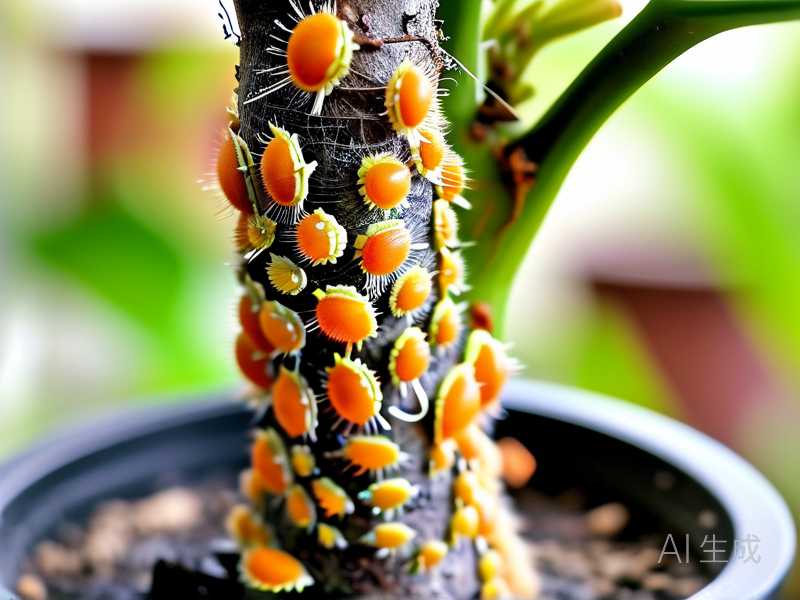
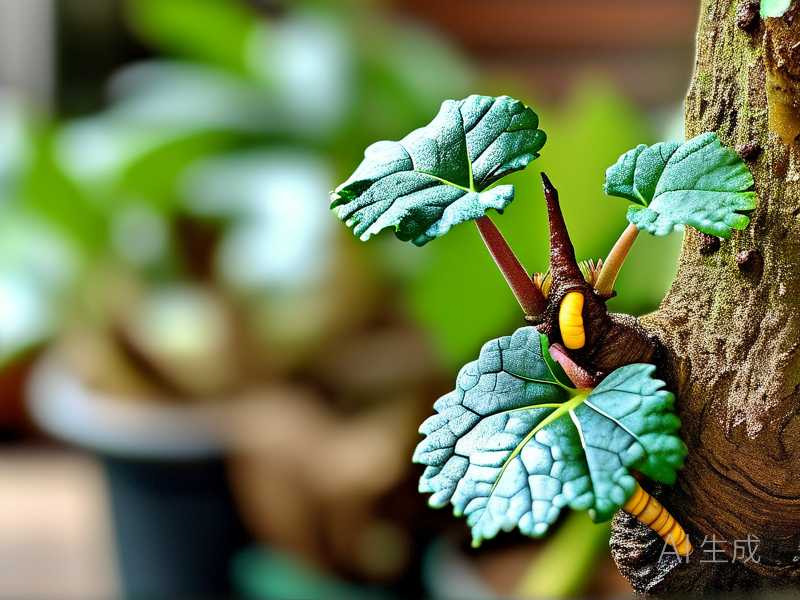
Scale insects are tiny sap-suckers that latch onto stems and the undersides of leaves. They look like small brown or tan bumps, almost like a crusty freckle. When they feed, they pierce the plant tissue and drain sap. The plant responds by leaking more sap from those puncture wounds.
That leaking sap is what you're seeing. It's sticky, sometimes clear, sometimes amber. And here's the annoying part: that sticky residue (called honeydew) attracts sooty mold, which turns leaves black and gunky.
Check the stem joints first. Scale loves to hide where branches meet the trunk. Run a cotton swab along the stem. If it comes away sticky and brownish, you've got your answer.
My Two-Week Scale Treatment Plan (Step by Step)
This is the exact routine I used. I'm not going to pretend it was glamorous, but it worked.
Day 1: I moved the plant to my bathroom, away from every other houseplant. Scale spreads, and I wasn't risking my fiddle leaf fig. I wiped every visible bump off the stems with a cotton swab dipped in 70% isopropyl alcohol. The alcohol dissolves the waxy shell that protects scale. Without that shell, the pests die fast.
Days 2–4: I sprayed the whole plant, stems and leaf undersides, with insecticidal soap in the evening. Evening matters because direct sun plus wet leaves equals scorched spots. I repeated every three days.
Days 5–10: I checked the stems every morning with a flashlight. New scale can hatch from eggs you missed, so diligence is everything. I found three more clusters on day 6 and dabbed them with alcohol again.
Days 11–14: No new bumps. The sap leaking slowed down noticeably by day 10 and basically stopped by day 14. I kept the plant isolated one extra week just to be safe.
One thing I learned the hard way: don't scrape the stem with your fingernail. I did that on my first attempt and left a small wound that took weeks to heal. Cotton swabs and a soft toothbrush are much gentler.
Why the Feeding Punctures Keep Leaking
Here's what nobody told me early on. The sap doesn't stop the moment the scale dies. The feeding punctures are tiny open wounds, and a stressed plant keeps exuding sap as a response.
Think of it like a scab. The plant needs time and the right conditions to seal those punctures. That means stable watering, decent humidity, and no additional stress.
I kept a small dish of water near the plant to nudge humidity up slightly. Not a full pebble tray setup, just a modest boost. The leaking eased within about a week once the pests were gone and the plant wasn't sitting in soggy soil.
According to the RHS, scale insects are best managed through early detection and physical removal combined with improved growing conditions. They also note that healthy plants resist infestations far better than stressed ones. That matched my experience exactly.
The Real Culprit Behind Most Scale Problems
I'll be blunt. Scale rarely shows up on a happy money tree. It shows up on a struggling one.
And what makes a money tree struggle? You guessed it. 90% of indoor plants die from overwatering. That statistic gets thrown around a lot, but honestly, after killing my fair share of houseplants, I believe it.
My money tree had scale because I'd been watering it on a fixed schedule instead of checking the soil. The roots were staying wet too long. The plant was stressed. Scale moved in.
So treating the pests is only half the job. Fix the care routine or they'll come back.
Light: Get This Right and Scale Struggles to Take Hold
Money trees want bright, indirect light. A few hours of gentle morning sun is fine. Harsh afternoon sun through a south-facing window will scorch the leaves, and I mean crispy edges within days.
I keep mine about three feet back from an east-facing window. It gets soft morning light and bright ambient light the rest of the day. Since I made that change, the plant has pushed out new growth consistently.
Too little light is just as bad. A money tree in a dark corner grows weak, leggy stems. Weak tissue is basically an open invitation for pests. If your only option is a low-light spot, a simple LED grow bulb makes a real difference.
Watering: The Skill That Saves Your Money Tree
Forget schedules. Stick your finger two inches into the soil. Dry? Water. Still damp? Wait.
I water thoroughly until it drains out the bottom, then I dump the saucer. Never let the pot sit in water. That's how root rot starts, and root rot is the number one killer of money trees.
In summer, mine needs water roughly every 7–10 days. In winter, every two to three weeks. Your home's humidity and temperature will shift those numbers, so trust the soil, not the calendar.
Soil and Repotting: Build a Root-Friendly Home
A chunky, fast-draining mix is non-negotiable. I use roughly two parts potting soil, one part perlite, and one part orchid bark. It drains well but still holds a little moisture.
Always pick a pot with drainage holes. I once used a decorative ceramic pot with no holes because it looked nice. The plant survived about six weeks before the roots started rotting. Never again.
Repot every two to three years, or when roots circle the bottom of the pot. Size up by just one pot diameter. Going too big means excess soil stays wet too long.
Fertilizing Without Feeding the Problem
Feed with a balanced liquid houseplant fertilizer diluted to half strength, once a month through spring and summer. That's it. No feeding in fall or winter.
Over-fertilizing pushes soft, sappy growth, which is exactly what scale loves. Weak, forced growth is a buffet for pests. Slow and steady wins here.
Seasonal Care That Keeps Scale Away
Spring
This is repotting and pruning season. I trim any dead or damaged stems and check every joint for scale before the plant goes into its growth spurt. A healthy spring means fewer pest problems all year.
Summer
Watch for heat stress. Keep the plant out of direct afternoon sun and maintain airflow. Stuffy rooms invite pests. I run a small fan on low near my plants during humid stretches.
Fall
Scale back on watering and stop fertilizing. This is when I do a thorough stem inspection, because scale populations often spike as indoor heating dries the air.
Winter
Keep the plant warm, above 60°F ideally, and away from cold drafts. Water sparingly. Dry indoor air stresses money trees, so a humidifier nearby helps.
The AHS emphasizes that indoor pest management starts with cultural care, meaning light, water, and airflow do more than any spray bottle ever will. I've found that to be completely true.
Three Mistakes I Made So You Don't Have To
Overwatering. I killed my first money tree this way. Yellow leaves, mushy stems, done. Water by feel, not by habit.
Wrong light. I parked one in a dark hallway thinking it was "low light tolerant." It dropped leaves within a month. Bright indirect light, always.
Bad pot choice. No drainage holes equals root rot. Simple as that.
Quick Answers to Common Questions
Can I just spray the sap off and call it done? No. The sap is a symptom. Kill the scale first, or the leaking continues.
Is neem oil better than insecticidal soap? Both work. I prefer soap for visible scale because it's gentle and effective on contact. Neem is a good follow-up for prevention.
Will the punctured stems heal? Mostly, yes. Keep the plant stable and the wounds seal over time. Deeply scarred stems may stay slightly marked, but new growth comes in clean.
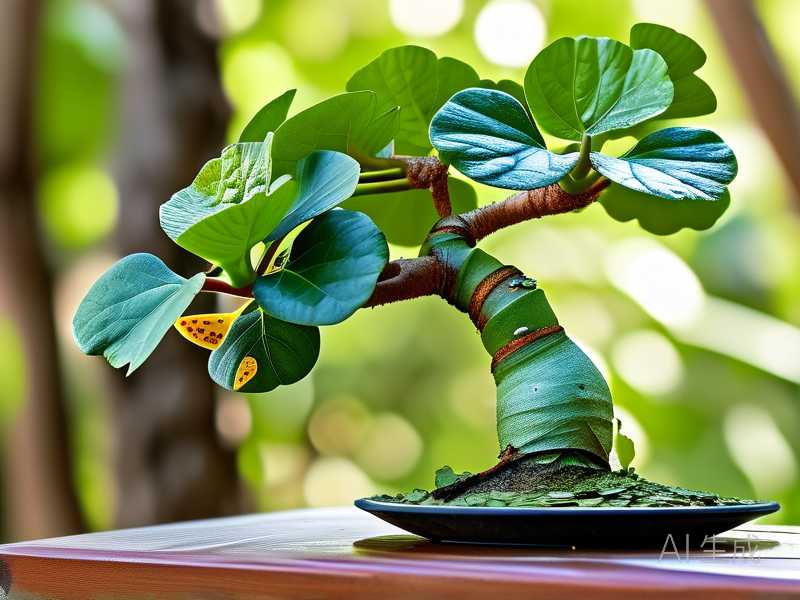
Scale on a money tree is fixable. Isolate the plant, remove the pests, treat the punctures gently, and fix the care routine that let scale in. Two weeks of consistent attention made the difference for me, and it will for you too.