admin
How to Treat Sooty-Mold-Stained Furniture Under an Infested Money Tree
If your money tree is dropping sticky leaves onto a sooty, black-stained sideboard, I have been exactly where you are standing. The good news is that the black film on your furniture is almost always treatable, and the real fix starts on the plant itself. Sooty mold is a surface fungus that grows on honeydew—a sugary waste produced by sap-sucking pests like aphids, scale, and mealybugs. Clear the pests, and the mold stops spreading. Clean the furniture with a mild soap solution, then remove the pest source on your money tree.
I learned this the hard way. My first Pachira aquatica sat in a corner near a vintage teak cabinet, and within a month the cabinet top looked like someone had painted it with charcoal. I panicked and scrubbed the wood with a harsh cleaner. Bad move—I dulled the finish. So let me save you that mistake.
Why Your Money Tree Attracts Sooty Mold in the First Place
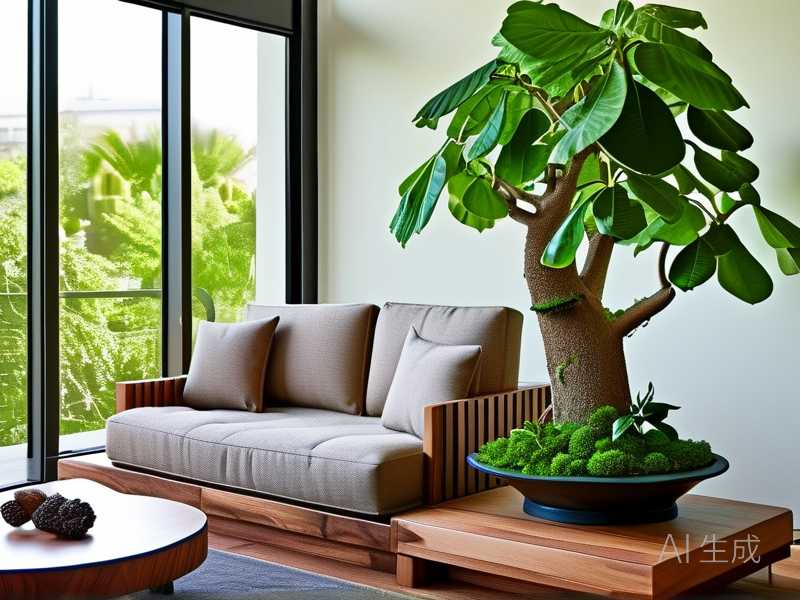
Money trees (Pachira aquatica) are popular houseplants for good reason. The braided trunk looks sculptural, the palm-like leaves add softness to a room, and honestly, they are fairly forgiving once you understand their rhythm. They are not the easiest beginner plant, but they are not a drama queen either.

Here is the key thing to understand: sooty mold does not attack your plant directly. It is a secondary problem. The real culprits are pests feeding on your money tree's sap and excreting honeydew onto everything below. According to the RHS, sooty mold is "a black, powdery coating on leaves and stems" that develops on sticky honeydew deposits. Outdoors, it washes off in rain; indoors, it just keeps building up.
So when you see black staining on furniture, treat it as a signal, not a root cause. Your money tree has a pest problem you probably have not noticed yet.
The Pests Behind the Sticky Mess
Scale insects are the number one offender I see on indoor money trees. They look like small brown bumps along stems and leaf veins, and they barely move—which is why so many people miss them. Mealybugs leave white cottony clumps in leaf joints. Aphids cluster on new growth.
I have also dealt with fungus gnats after overwatering, though those do not produce honeydew. Different problem, same lesson: watch the plant closely, not just the furniture.
How to Clean Sooty-Mold-Stained Furniture Safely
Here is my actual step-by-step routine. I tested this over two weeks on that same teak cabinet, and it worked without damaging the finish.
Step 1: Move the plant away first. Do not clean furniture while the infested plant is still sitting on or near it. Otherwise, new honeydew drips will undo your work.
Step 2: Mix a mild solution. I use one teaspoon of mild dish soap in a quart of warm water. Nothing stronger. No bleach, no harsh solvents—especially on wood.
Step 3: Wipe, do not soak. Dip a microfiber cloth, wring it nearly dry, and wipe along the grain. Sooty mold on hard surfaces usually lifts off in one or two passes.
Step 4: Dry immediately. Buff with a clean dry cloth so moisture does not sit on the finish.
Step 5: Repeat every two to three days for the first week. I checked my cabinet daily for about fourteen days. By day five, no new sticky film appeared once I had treated the plant. By day fourteen, the wood looked normal again.
One caveat: porous, unfinished wood may hold mold in the grain. In that case, a diluted white vinegar wipe (one part vinegar to three parts water) works better. Test on a hidden spot first.
Fixing the Money Tree So the Mold Does Not Come Back
Cleaning furniture is pointless if the plant keeps dripping honeydew. Here is what I did, and what I recommend.
Remove the Pests
For light infestations, wipe leaves front and back with a cotton pad dipped in rubbing alcohol. This kills scale and mealybugs on contact. I did this every three days for two weeks. For heavier cases, use insecticidal soap or horticultural oil, following label rates exactly. The AHS notes that early detection makes pest control far easier—so check leaf undersides weekly.
Wash the Plant's Leaves
Sooty mold also coats the leaves themselves, blocking light and slowing growth. Gently wash leaves with the same mild soap solution, then rinse. Do this in the morning so foliage dries before evening.
Correct the Growing Conditions
Pests love stressed plants. I had my money tree in a dim corner and watering it on a rigid schedule—two classic mistakes. Once I improved light and watering habits, repeat infestations stopped.
The Three Beginner Mistakes That Make Everything Worse
Mistake 1: Overwatering. I cannot say this loudly enough: 90% of indoor plants die from overwatering. My second money tree drowned in soggy soil because I watered "once a week, every week" without checking. Water only when the top two inches of soil feel dry. Use a finger test, not a calendar.
Mistake 2: Wrong light. Money trees want bright, indirect light. Direct afternoon sun scorches leaves; deep shade weakens the plant and invites pests. I moved mine to an east-facing window and the difference over two weeks was obvious—firmer leaves, no new sticky spots.
Mistake 3: The wrong pot. I once used a decorative pot with no drainage hole. That is a death sentence. Always use a pot with drainage holes, and empty the saucer after watering.
Care Routine That Keeps Sooty Mold Away
Light
Bright, indirect light is ideal. A few feet back from a south or west window works well. If the leaves look pale and leggy, it needs more light.
Watering
Water thoroughly, let it drain, then wait. Reduce watering in winter. Never let the pot sit in water.
Soil and Repotting
Use a well-draining mix—two parts potting soil, one part perlite. Repot every two to three years in spring.
Fertilizer
Feed monthly in spring and summer with a balanced liquid fertilizer at half strength. Stop in fall and winter.
Seasonal Care
Spring is for repotting and pruning. Summer means watching for pests and keeping airflow moving. Fall is about tapering water and fertilizer. Winter is the rest period—keep it warm, water sparingly, and skip feeding entirely.
Frequently Asked Questions
Is sooty mold dangerous to my family? No, it is not toxic to people, but it is unsightly and signals pests. Clean it and treat the plant.
Can I use bleach on stained wood furniture? No. Mild soap or diluted vinegar is safer and just as effective.
How long until the mold stops returning? Once pests are gone, new honeydew stops within days. I saw no new staining after about five days of pest treatment.
The short version: the black stains are a symptom, your money tree is the source, and both are fixable. Clean the furniture gently, treat the pests thoroughly, and fix the light and watering habits. Give it two weeks of consistent attention, and you will see the difference.