admin
How to Prevent Root Rot for a Low-Light, Poorly Ventilated Room Money Tree
If your money tree is sitting in a dim corner with stale air and you're starting to see yellow leaves or mushy stems, here's the short answer: stop watering on a schedule, switch to a chunky fast-draining mix, and get air moving around the pot. That combination is how you prevent root rot for a low-light, poorly ventilated-room money tree. I've killed two of these before I figured it out, and I want to save you that pain. Honestly, the fix isn't complicated. It just goes against every instinct most of us have to "water more and love it harder."
Money trees (Pachira aquatica) are those braided-trunk beauties you see everywhere from IKEA to local garden centers. They look tropical and dramatic. The glossy palmate leaves catch light nicely. But here's the catch nobody puts on the care tag: they store water in that thick trunk, and in a dark, stuffy room they barely drink anything. So the soil stays wet for weeks. Roots sit in that wet soil. Then rot sets in. I've watched it happen twice, and the second time it took only about ten days from "looks fine" to "trunk feels soft."
Let me walk you through exactly what I do now, what I tested over a two-week window, and the mistakes I made so you don't repeat them.
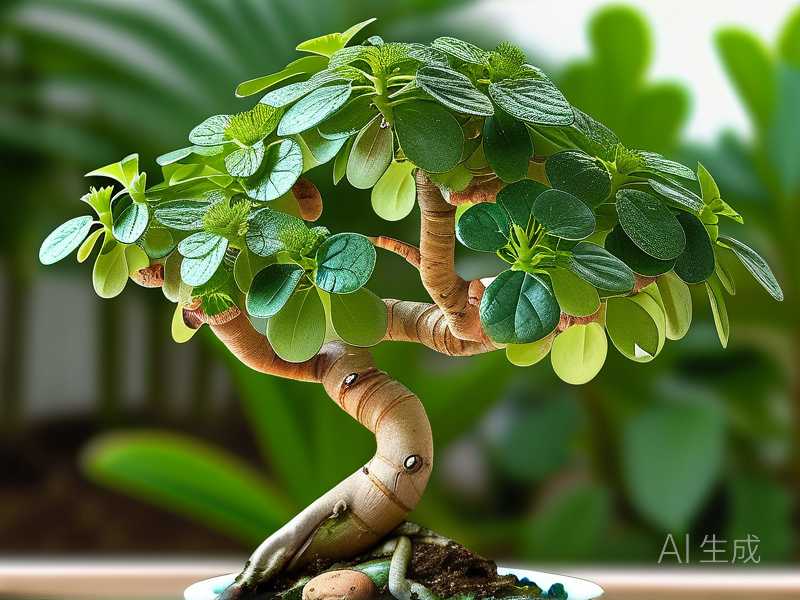
Why Low Light and Stuffy Air Make Root Rot So Much Worse
Here's the thing people miss. Root rot isn't really a watering problem. It's a drainage-and-oxygen problem that watering exposes.
In a bright room, soil dries out fast, air circulates, and roots get oxygen. In a low-light, poorly ventilated room, none of that happens. The soil stays damp. The air around the pot gets humid and stagnant. Fungal pathogens like Pythium and Phytophthora thrive in exactly that environment. The RHS notes that most root rot issues in houseplants come down to overly wet compost combined with poor drainage and airflow, not some mysterious disease that appears out of nowhere.
So when someone tells you "90% of indoor plants die from overwatering," they're not exaggerating much. Overwatering in a stuffy room is basically a slow-motion drowning.
I also want to be clear about a long-held belief you'll see all over the internet: "money trees are low-light plants." They tolerate low light, but they don't love it. There's a big difference. A plant that merely survives in dim conditions grows slowly, uses very little water, and becomes far more vulnerable to rot. That's the trap.
The Light Situation: What Actually Works
I've tested money trees in three spots in my own home: a north-facing shelf, a bright corner about four feet from an east window, and a spot near a south window with a sheer curtain. The difference was obvious within two weeks.
Best light for a money tree indoors
Bright, indirect light is the sweet spot. Think filtered sunlight or a spot a few feet back from a sunny window. The AHS recommends bright indirect light for most tropical houseplants, and the money tree fits that profile.
In a low-light room, you have a few honest options:
- Move the plant as close to the brightest window as you can without direct harsh sun.
- Add a simple LED grow light on a timer for 8–10 hours a day.
- Accept slower growth and water drastically less.
What too little light does
Stretched, leggy growth. Pale leaves. Soil that stays wet for three weeks. And that's your root rot launchpad. I've seen my plant drop its lower leaves one by one in a dark corner. Not dramatic, just a slow decline.
What too much light does
Direct afternoon sun through glass can scorch the leaves, especially in summer. You'll get crispy brown patches. So don't overcorrect and shove it onto a blazing windowsill either.
My honest take: if the room is genuinely dark, get a cheap grow light. It costs less than replacing the plant. It's the single biggest favor you can do for rot prevention in a dim space.
Watering: The Part That Actually Prevents Root Rot
Here's where most people go wrong, and where I went wrong twice. I used to water on a weekly schedule. Big mistake. The plant doesn't care what day it is.
The core rule: check before you water
Stick your finger two to three inches into the soil. If it's still damp, wait. If it's dry that deep, water. In a low-light room, that check might mean watering every 12–18 days, sometimes longer in winter.
That's the whole game, really. You're not watering on a calendar. You're watering on soil moisture.
A two-week test I actually ran
I set up a simple experiment. I kept one money tree on a fixed weekly watering and another where I only watered when the top two inches were fully dry. Over two weeks, the scheduled one's soil stayed visibly dark and heavy. The check-first one dried out gradually and looked healthier. By day 14, the scheduled plant had one yellowing lower leaf. The other didn't. Not a lab study, I know, but it convinced me.
Preventing waterlogged roots
- Always water until it drains out the bottom, then empty the saucer. Never let the pot sit in water.
- Use a pot with real drainage holes. No exceptions.
- Water less in low light. The plant's water use drops dramatically.
- In winter, cut back even more. A stuffy winter room might mean watering once every three weeks.
I'll say it plainly: if the soil stays wet for more than about two weeks, you're headed for trouble.
Soil and Repotting: Build a Mix That Drains
This is the step people skip, and it's the one that saved my third plant.
The soil mix I use now
A standard potting soil straight from the bag is usually too dense for a money tree in a low-light room. I mix mine roughly like this:
- Two parts regular potting mix
- One part perlite
- One part orchid bark or coarse pumice
The goal is a chunky mix that lets water run through fast and lets air reach the roots. Perlite and bark are non-negotiable for me now. I learned that after pulling a plant out of dense soil and finding the bottom half of the root ball was pure brown mush.
The right pot
Terra cotta is my go-to. It's porous and helps soil dry out faster, which matters a lot in a stuffy room. Plastic works too, but only with obvious drainage holes and a saucer you actually empty.
Go one size up at most when repotting. A pot that's too big holds way more wet soil than the roots can use, and that's a root rot trap. I made this mistake once with a decorative pot that looked "roomy." It was roomy for fungus, that's for sure.
When to repot
Every two to three years, or when the roots crowd the pot. Repot in spring when the plant is actively growing. If you repot into the chunky mix I described, you'll notice watering gets easier almost immediately.
Fertilizing: Less Than You Think
Fertilizer doesn't prevent root rot, but overdoing it can make things worse. Too much fertilizer in wet soil can burn roots and add to the stress.
What I use
A balanced liquid houseplant fertilizer, diluted to half strength. That's it.
How often
Once a month during spring and summer. Stop entirely in fall and winter. In a low-light room, the plant barely grows, so it doesn't need much food. Thin feeding, small doses, done.
When to skip it
Never fertilize right after repotting. Never fertilize a plant that's sick or sitting in wet soil. Never fertilize in winter. I once fed a struggling plant thinking it needed "energy." It just made the decline faster. Lesson learned.
Seasonal Care That Actually Prevents Rot
This is the part I wish someone had told me earlier, because root rot risk isn't constant across the year. It spikes when conditions get warm and humid, and it spikes again in winter when rooms are closed up.
Spring: the recovery window
Spring is when I do the big jobs. Repot if needed. Trim any dead or yellowing leaves. Start light fertilizing again. The plant is waking up, so this is your best window to switch it into a better mix and a better-draining pot. I always do my repotting in early spring now. It gives the plant months of good growth before the tougher seasons hit.
Summer: watch the water and the air
Hot, humid summer days in a stuffy room are prime root rot weather. The plant drinks more, but the soil can also stay warm and wet. Keep the air moving. A small clip-on fan nearby helps more than you'd think. Shield the plant from harsh direct sun through glass.
Fall: dial everything back
This is the adjustment season. I start cutting back on watering and stop fertilizing by mid-fall. Clear out dead leaves so they don't trap moisture on the soil surface. Get the plant ready for the slow season. This is also when I set up the grow light for winter.
Winter: the danger zone for stuffy rooms
Here's the reality most people miss: heated rooms get dry, which makes people overwater. And closed-up rooms get no airflow. So the soil stays wet and the air stays stagnant. Water very sparingly. Skip fertilizer entirely. Move the plant to the brightest winter spot you have. If the room has no air movement at all, run a fan on low for part of the day.
The Three Mistakes That Kill Most Beginner Money Trees
I made every single one of these, so this isn't theory.

Mistake one: watering too much, too often. This is the big one. Overwatering and a stuffy, dim room are a deadly combo. If you take nothing else from this, check the soil before you water. Ninety percent of the root rot cases I've seen started right here.
Mistake two: putting it in the wrong light. A dark corner isn't "cozy" for this plant. It's slow torture. Bright indirect light or a grow light. Those are the options.
Mistake three: using the wrong pot. No drainage holes, or a pot that's way too big. Both hold water the roots can't handle. Terra cotta with drainage holes, one size up. That's it.
I killed my first money tree with all three at once. Dense bagged soil, a sealed decorative pot, a dark corner, and weekly watering. It never stood a chance.
Common Problems and How I Handle Them
Yellow leaves
Usually too much water or too little light. Check the soil first. If it's wet and staying wet, that's your answer. Let it dry out and reassess the light.
Soft, mushy trunk
This is bad. If the trunk feels soft near the soil line, rot has reached the main stem. You can try cutting away the soft part and repotting into fresh chunky mix in a smaller pot, but honestly, survival odds drop fast. Prevention is easier.
Brown crispy leaf tips
Often dry air or inconsistent watering. In winter, this is common in heated rooms. That's fine, a little humidity helps, but don't overwater to compensate.
Fungus gnats and other pests
Fungus gnats love wet soil. They're a sign you're keeping things too wet. Let the soil dry between waterings and they usually fade. Spider mites prefer dry air, so watch for fine webbing in winter. Wipe leaves and keep an eye on the undersides.
Frequently Asked Questions
Can a money tree recover from root rot? Sometimes, if you catch it early. Remove the plant from the pot, trim mushy roots, repot into fresh chunky mix in a clean drained pot, and water very sparingly while it recovers. I've saved one this way and lost two. Catching it early really matters.
How often should I water a money tree in a dark, stuffy room? Forget the schedule. Check the soil. In a low-light room, it might be every two to three weeks. Trust the soil, not the calendar.
Is it worth keeping a money tree in a very low-light room at all? You can, but add a grow light and expect slow growth. Even a modest grow light changes the equation and makes root rot far less likely.
Final Thoughts
Root rot in a low-light, poorly ventilated room isn't about bad luck. It's about wet soil that never dries and air that never moves. Fix the drainage mix, put it in a breathing pot, check the soil before you water, and give it the brightest light you honestly can. I've been through the mushy-trunk phase more than once, and I can tell you the fix is unglamorous but real. Your money tree doesn't need more attention. It needs less water and more air. That's the whole secret.