admin
How to Stop Scale Insects Feeding on New Variegated Money Tree Growth
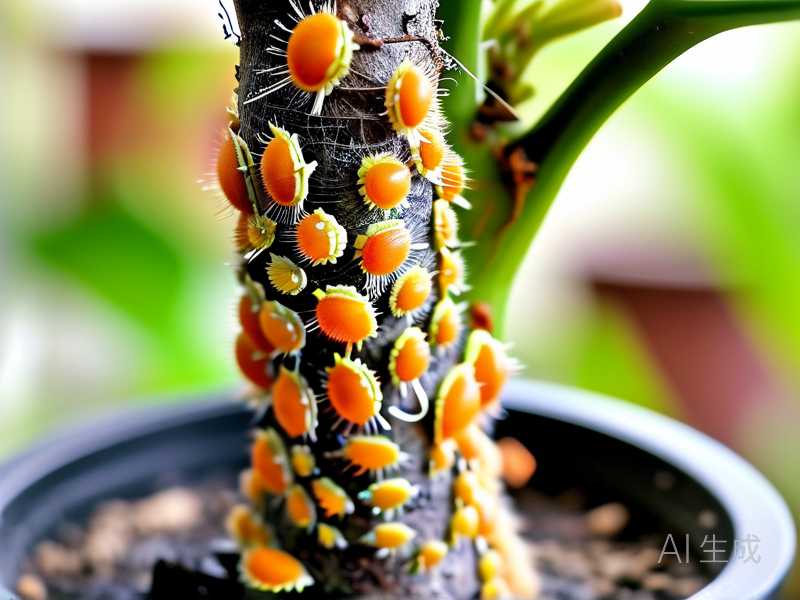
If you've spotted little brown bumps clustered along the fresh stems and tender new leaves of your variegated money tree, you're dealing with scale insects. I've been there. The first time it happened to me, I mistook the bumps for normal bark texture until the new growth started curling and dropping. Here's the short answer: isolate the plant immediately, remove visible scales with a cotton swab dipped in rubbing alcohol, then follow with a horticultural oil spray every seven to ten days for three rounds. That combination stopped the infestation on my own plant within about two weeks.
Scale insects love new variegated money tree growth because those tissues are soft and full of sap. Unlike the toughened older leaves, fresh shoots give these pests an easy meal. And because variegated varieties grow slower than solid green ones, any damage to new growth sets the plant back more noticeably.
I learned that the hard way with my second money tree. Let me walk you through exactly what worked, what didn't, and how you can protect your plant without panicking.
Why Scale Insects Target New Variegated Growth
Scale insects are sneaky. The adults form a waxy shell that looks like a tiny shield or a bump on the stem. Underneath that shell, they're feeding on sap constantly.
New growth is their favorite because the plant tissue hasn't hardened yet. The stems are still green and pliable. The leaves are thin. Sap is flowing fast to support that fresh push of growth.
Variegated money trees are especially vulnerable. The white and cream patches on the leaves mean less chlorophyll. Less chlorophyll means slower growth and weaker natural defenses. So when scale moves in, the plant has a harder time outgrowing the damage.
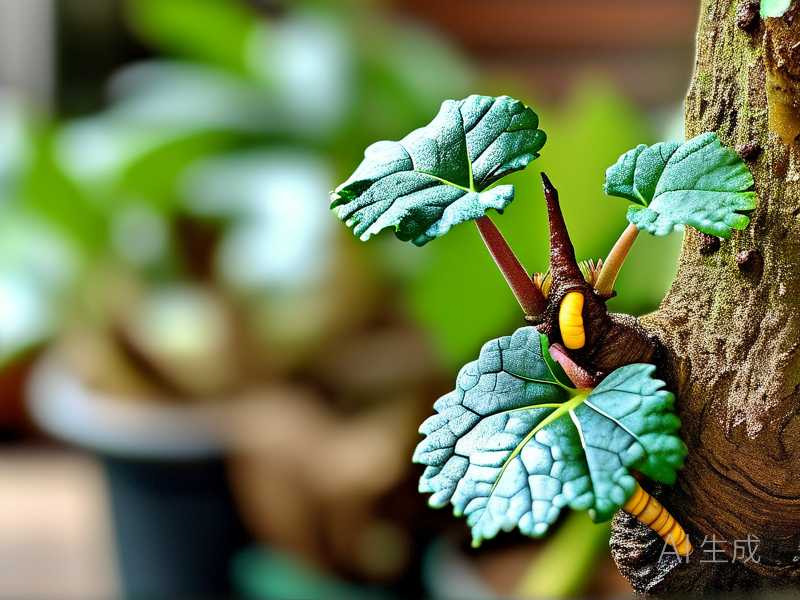
I've noticed that scale tends to appear on the underside of new leaves and along the soft stems near the growing tip. Run your fingers gently along a new stem. If you feel small bumps that don't rub off easily, that's likely scale.
First Steps I Took When I Found Scale on My Plant
The moment I saw those bumps, I moved the plant away from my other houseplants. Scale spreads slowly on its own, but it can hitch a ride on your hands, tools, or a draft. Isolation buys you time.
Then I grabbed a magnifying glass. Sounds fussy, but it helps. You need to confirm whether you're dealing with soft scale or armored scale because the treatment approach differs slightly. Soft scale is easier to kill with oils. Armored scale has a harder shell and sometimes needs a systemic insecticide.
Mine was soft scale. I could tell because the bumps were slightly dome-shaped and I could scrape one off with my fingernail without too much effort.
Next, I mixed a solution of one part rubbing alcohol to one part water and dabbed each visible scale with a cotton swab. This kills the insect on contact. It's tedious. I won't pretend otherwise. But for a small infestation on a houseplant, it's the most direct method.
My Two-Week Observation: What Actually Happened
I kept a close eye on my money tree for fourteen days. Here's the honest timeline.
Days 1–3: I removed every scale I could see with the alcohol swab. The plant looked cleaner but I knew eggs and crawlers (the tiny newly hatched stage) were probably still hiding.
Day 4: I sprayed the entire plant with neem oil mixed according to the label directions. I made sure to coat the undersides of leaves and the stems thoroughly.
Days 5–7: No new visible scales on the new growth. But I stayed cautious. Scale crawlers are nearly invisible to the naked eye.
Day 8: Second neem oil application. I also gently wiped down the newer leaves with a damp cloth to remove any honeydew residue (the sticky substance scale produces).
Days 9–11: I noticed a few tiny yellowish specks on one stem. I dabbed those with alcohol right away.
Day 12: Third neem oil spray. By this point, the new variegated leaves were unfurling without the distortion I'd seen earlier.
Days 13–14: No new scale. The fresh growth looked healthy and the leaf color was coming in properly. I kept the plant isolated for another week just to be safe.
That two-week window gave me enough confidence to consider the infestation under control. But I still check that plant every time I water it. Old habits.
The Newbie Mistakes That Got Me Here
I've killed more houseplants than I'd like to admit. Over the years, I've noticed three mistakes that almost every new grower makes with money trees — and all three make scale problems worse.
Mistake 1: Overwatering
I can't say this loudly enough. 90% of indoor plants die from overwatering — not from pests, not from low light. Overwatering weakens the root system, which stresses the entire plant, which makes it more susceptible to scale and other pests.
With my first money tree, I watered it every few days because I thought more water meant faster growth. The roots started rotting and the plant looked limp. Of course scale moved in. Stressed plants attract pests.
Now I water only when the top two inches of soil feel dry to the touch. I stick my finger in. If it's still damp down there, I wait.
Mistake 2: Wrong Light
Money trees want bright, indirect light. Not harsh afternoon sun. Not deep shade in a corner.
I once put a money tree near a south-facing window thinking it would thrive. The leaves scorched within a week. Then I moved it to a dark hallway. The growth stalled completely.
The sweet spot is a spot that gets soft morning light or filtered light through a sheer curtain. If your variegated money tree is pushing out pale, leggy new growth, it's probably not getting enough light. Weak growth is exactly what scale prefers.
Mistake 3: The Wrong Pot
I used to think bigger pot equals happier plant. Wrong. An oversized pot holds more soil than the roots can use, which means the soil stays wet longer. That leads to root rot.
A pot should be just one or two inches wider than the root ball. It needs drainage holes — always. I once bought a decorative ceramic pot with no drainage and planted directly into it. The plant drowned within three weeks.
Use a nursery pot with drainage holes and set it inside your decorative container, or drill drainage holes yourself.
Watering: The Foundation of Pest Resistance
Most scale problems on indoor money trees start with a plant that's already struggling. Watering is the foundation of plant health, so let's get it right.
The core principle: water thoroughly, then let the soil dry out partially before watering again. For money trees, that means letting the top inch or two of soil dry between waterings.
In summer, when growth is active, you might water once a week. In winter, every two to three weeks is often enough. Always check the soil before you water. Don't water on a schedule — water based on what the soil tells you.
When you do water, water until it runs out the drainage holes. This flushes salts from the soil and ensures even moisture distribution. Then empty the saucer so the pot isn't sitting in water.
If you're unsure, err on the side of underwatering. A slightly thirsty money tree recovers quickly. An overwatered one can develop root rot that's much harder to fix.
Soil and Repotting for Strong Growth
The right soil mix makes watering easier and keeps roots healthy. Money trees don't like heavy, dense soil.
I use a mix of roughly 60% regular potting soil, 20% perlite, and 20% orchid bark. That gives you a light, airy mix that drains well but still holds some moisture. Perlite creates air pockets. Orchid bark adds structure and slows compaction.
Repot every two to three years, or when you see roots circling the bottom of the pot. Spring is the best time because the plant is entering active growth and can recover quickly.
When you repot, gently loosen the root ball and shake off old soil. Don't bury the trunk deeper than it was before — money trees can develop trunk rot if the base stays too wet.
Fertilizing Without Encouraging Pests
Fertilizer supports strong new growth, but too much fertilizer creates soft, sappy growth that scale insects love. It's a balance.
I feed my money tree with a balanced liquid houseplant fertilizer diluted to half strength. Once a month during spring and summer. Nothing during fall and winter.
The "weakly, weekly" approach works well — a very diluted dose more often rather than a strong dose once in a while. It gives steady nutrition without a growth flush that pests can exploit.
Don't fertilize a plant that's dealing with a pest infestation. Wait until the scale is under control and the plant shows signs of recovery. Fertilizing a stressed plant is like giving a heavy meal to someone with the flu.
Seasonal Care to Prevent Scale and Other Problems
I follow a year-round money tree care schedule now, and it's made a huge difference in keeping pests away.
Spring: Recovery and Growth
Spring is when your money tree wakes up. Start fertilizing again. Check the root system if it's been a year or more since repotting. Prune any dead or damaged stems — they invite pests.
Inspect new growth carefully. Scale crawlers become active in warmer temperatures, so early spring is when you want to catch them before the population explodes.
Summer: Heat and Pest Watch
Summer is peak scale season in most homes. The warm air and active plant growth create ideal conditions. Check the undersides of new leaves and stems every week. A quick visual check takes thirty seconds and saves you hours of treatment later.
Keep your money tree out of direct afternoon sun. Variegated varieties burn easily. Maintain good airflow around the plant — a small fan on low nearby helps prevent the stagnant air that pests thrive in.
Fall: Slow Down
Reduce watering frequency as growth slows. Stop fertilizing by mid-fall. This prevents the soft new growth that cold weather can't support and that scale loves to feed on.
Do a thorough inspection before winter. Any scale you find now is easier to treat than a full-blown infestation in February.
Winter: Rest and Protection
Money trees are tropical. They don't like cold drafts or temperatures below 60°F. Keep them away from drafty windows and exterior doors.
Water less. The soil dries more slowly and the plant isn't using as much. Overwatering in winter is the number one killer of indoor money trees.
No fertilizer. No repotting. Just let the plant rest. Check for scale every couple of weeks because indoor heating creates dry air that stresses the plant, and stressed plants are more vulnerable.
FAQ
How do I know if the bumps on my money tree are scale and not something else? Scale insects usually look like small, flat or dome-shaped bumps stuck to stems and leaves. They don't move. If you can scrape one off with a fingernail and it leaves a slightly sticky residue, it's probably scale. Fungal spots, by contrast, look more irregular and don't scrape off cleanly.
Can I use rubbing alcohol directly on variegated leaves without hurting them? Yes, on most houseplants, dabbing scale with a cotton swab dipped in 70% isopropyl alcohol is safe. Don't drench the leaf. Just touch the alcohol to the insect. Test on a small area first if you're nervous. Variegated leaves can be slightly more sensitive, so a light touch is best.
How long does it take to fully get rid of scale on a money tree? With consistent treatment — manual removal plus horticultural oil or neem every seven to ten days — you can usually get it under control in two to four weeks. But stay vigilant. Scale eggs can hatch weeks after you think you're done. Keep checking for at least a month after the last sighting.
The RHS recommends checking new growth weekly during the growing season, which matches what I've found works best through trial and error. And the AHS notes that healthy plants resist pests better, which is why good watering and light habits matter just as much as any spray.
Look, scale isn't fun. But it's manageable. The key is catching it early, staying consistent with treatment, and fixing the underlying conditions that made your plant vulnerable in the first place. My variegated money tree came back stronger after that infestation. Yours will too.