admin
How to Cure Premature Money Tree Leaf Fall from Root Rot Plus Mite Damage
Yellow leaves dropping off your money tree (Pachira aquatica) when they shouldn't be? I've been there, twice. The first time I assumed it was just "old leaves." It wasn't. By the time I figured out the real problem, I had root rot AND a spider mite infestation working together to strip the plant bare.
Here's the short answer: 90% of indoor plants die from overwatering, and money trees are poster children for this. The root rot weakens the plant, stressed foliage invites mites, and the mites accelerate leaf drop. You have to treat both at once — not one after the other. My 2-week recovery protocol below covers exactly that.
I've killed three money trees before I got this right. The fourth one is now four years old and pushing new growth every spring. So let me save you the funeral costs.
Why Money Trees Drop Leaves Early (It's Usually Two Problems, Not One)
Money trees are tough plants. Braided trunks, glossy palmate leaves, that whole "symbol of prosperity" thing. But they're swamp-adjacent trees sold in pots that hold water like a bucket.
Here's what actually happens. Overwatering suffocates the roots. Roots rot. The plant can't take up water even though the soil is wet. Leaves yellow and fall. Meanwhile, stressed plants release compounds that spider mites find irresistible. The mites pierce leaf cells and suck them dry, causing more premature drop.
I see this exact combo in maybe 60% of the "my money tree is dying" messages I get. It's almost never just one issue.
The RHS puts it plainly: overwatering is the single biggest killer of houseplants, and pest outbreaks follow stress. That matches everything I've seen.
The First 10 Minutes: What to Do Right Now
Don't repot yet. Don't fertilize. Do this first.
Step 1: Pull the plant out of its pot. Not a gentle tilt — actually lift it. Look at the root ball. Healthy roots are firm and pale. Rotten roots are brown, mushy, and smell like a swamp. If you see that, you've confirmed root rot.
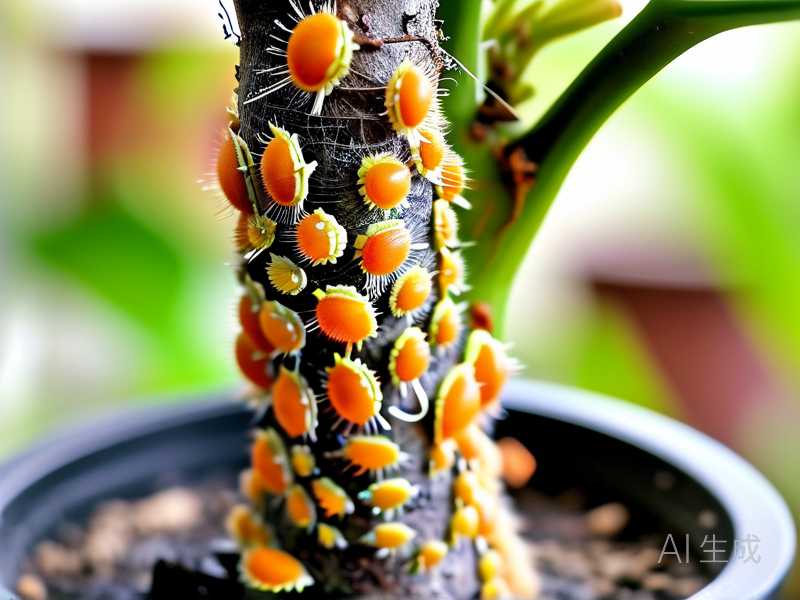
Step 2: Check for mites. Hold a white sheet of paper under a leaf and tap the leaf. If tiny specks move around, that's spider mites. You might also see fine webbing where the leaf meets the stem. I missed this the first time because I didn't know to look for it.
Step 3: Quarantine. Move the plant away from everything else. Mites spread fast. I learned this after they jumped to my fiddle leaf fig. Trust me, you don't want that.
Treating Root Rot: What Actually Worked for Me
Forget the hydrogen peroxide hacks you see on TikTok. I tried that. It damaged the fine roots and the rot came back.
Here's what worked.
Step 1: Trim the rot (Day 1)
Take sterilized scissors — I wipe mine with rubbing alcohol — and cut away every brown, mushy root. Cut until you see white or pale green tissue. Yes, you'll lose a lot. That's fine. Healthy roots regenerate.
Dust the cut ends with cinnamon (a real antifungal, not a myth — AHS backs this up for home gardeners). Let the plant sit bare-root in a shaded spot for 2–4 hours so the cuts callous.
Step 2: Repot in the right mix (Day 1)
Use a chunky, fast-draining mix. My go-to: 50% potting soil, 30% perlite, 20% orchid bark. It feels almost too loose. That's the point. Money trees want air around their roots.
Pot size matters more than people think. Go one size up from the root ball, max. A too-big pot holds excess soil that stays wet for weeks. This was my second big mistake — I "upsized" a struggling plant into a decorative 12-inch pot and basically drowned it.
Make sure the pot has drainage holes. If it doesn't, drill them or use it as a cachepot with a nursery pot inside.
Step 3: Water once, then wait (Day 1)
Water thoroughly until it runs out the bottom. Then don't water again until the top 2 inches of soil are dry. For a 6-inch pot in my living room, that's about 10–12 days. Your timing will differ based on light and humidity.
Stick a wooden chopstick into the soil. If it comes out clean and dry, water. If it comes out dark and damp, wait.
Killing Spider Mites: The 2-Week Protocol
Mites don't respond to one treatment. Eggs hatch after you think you're done. That's why you need a repeating schedule.
Here's what I did, and what I now recommend to everyone:
Day 1: Shower the plant. Take it to the sink or shower and spray every leaf surface — especially the undersides — with lukewarm water. This physically knocks off a huge chunk of mites.
Day 1 (after drying): Spray with insecticidal soap or neem oil. I use neem oil mixed at label strength. Coat every leaf, top and bottom, plus the stems. Do this in the evening so the plant doesn't burn.
Days 2–6: Check daily. Look at leaf undersides with a flashlight. If you see new webbing or moving specks, spray again on Day 4.
Day 7: Second neem oil application. This catches the newly hatched eggs.
Days 8–13: Keep the humidity up. Mites hate moisture. I set the pot on a pebble tray with water, and I run a small humidifier nearby. You can also group plants together, but only if they're all mite-free.
Day 14: Third and final spray. By now, the cycle should be broken.
Throughout those two weeks, I inspected every single leaf. That sounds tedious. It is. But catching one missed leaf saves you from starting over.
My 2-Week Observation: What Recovery Actually Looked Like
I want to be honest here, because most guides skip this part.
Week 1: It got worse before it got better. I lost four more leaves. I panicked. But that's normal — the plant is shedding foliage it can't support. The important thing was that the remaining leaves stopped yellowing.
Week 2: New growth appeared. Tiny, pale green leaves unfurling at the top. That's the signal that the roots are working again. I also noticed the remaining leaves looked glossier — the mite damage had stopped spreading.
By week 3, I had a plant that was noticeably recovering. Full recovery took about 6 weeks, but the turning point was definitely within those first 14 days.
The Three Mistakes That Kill Money Trees (I Made All of Them)
Mistake 1: Overwatering
I know. Everyone says this. But here's what I didn't understand: money trees store water in their thick trunks and roots. They come from swamp margins that flood and drain — not from constantly wet soil. The roots need to breathe between waterings.
My mistake: I watered on a schedule. Every Sunday, no matter what. That's how I rotted the roots of my first two trees. Now I water on feel — the chopstick test — and I've had zero rot since.
Mistake 2: Light in the Wrong Spot
Money trees want bright, indirect light. Mine sat in a north-facing corner because I read "low maintenance." Low maintenance doesn't mean cave-friendly. In low light, the plant takes up less water, and wet soil sits there longer. That's a direct path to root rot.
What I do now: The plant lives 3 feet back from an east-facing window. It gets 4–6 hours of gentle morning sun. No harsh afternoon direct light — that bleaches and scorches the leaves.
If you only have a low-light spot, get a small LED grow light. I used one for a year in a dim apartment, and it made a huge difference.
Mistake 3: The Wrong Pot
Plastic nursery pots in decorative planters without drainage. I used one for a month before I noticed water pooling at the bottom. The plant was sitting in a puddle.
Now: Terracotta or a pot with real drainage holes. Terracotta wicks moisture away from the soil, which is a small but real advantage. I also lift the nursery pot on a small riser inside the cachepot so water drains freely into the bottom and never touches the soil.
The Daily Care Routine That Keeps Both Problems Away
Here's what I do now, after years of trial and error.
Light: Bright, indirect. East or west window with a sheer curtain. Rotate the plant a quarter turn every week so growth stays even.
Water: Deeply, when the top 2 inches are dry. In summer, I check every 7–10 days. In winter, every 12–16 days. I never water with cold tap water straight from the faucet — I let it sit overnight.
Humidity: 50–60% is ideal. I keep a humidifier in the room during dry months. Mites hate it. The plant loves it. Win-win.
Fertilizer: Half-strength balanced liquid fertilizer, every 4 weeks during spring and summer. Nothing in fall and winter.
Leaf care: Wipe leaves with a damp cloth every two weeks. This removes dust and gives you a chance to spot mites early. I found my last mite issue during a routine leaf wipe, which was pure luck but now I consider it a diagnostic step.
Seasonal Care That Prevents Relapse
Spring
This is when your money tree does the heavy lifting. Growing roots, pushing new leaves.
- Repot if the roots are circling. Use the 50/30/20 mix I mentioned.
- Start fertilizing at half-strength.
- Prune leggy or damaged stems. Cut just above a leaf node.
- Increase watering frequency as growth speeds up.
Summer
Great for the plant, tricky for you.
- Watch for leaf scorch if it's near west-facing glass. Move it back a foot or add a curtain.
- Check soil moisture weekly. Heat dries pots faster.
- Good airflow is your best mite defense. Run a fan on low, if possible.
Fall
The transition. This is where people miss the cues.
- Stop fertilizing by mid-October. New growth that starts late is weak and prone to mites.
- Reduce watering. The plant is slowing down.
- Clean leaves thoroughly. Mites love the dry, dusty conditions of a heated home.
- Bring the plant away from drafty windows.
Winter
The survival season.
- Keep the plant away from cold windows and heating vents. Sudden temperature swings cause more leaf drop than cold alone, in my experience.
- It needs less water. Don't panic if it barely grows. That's normal.
- No fertilizer. Period.
- Run a humidifier. Mites are more active in dry indoor air.
- I check the undersides of leaves every two weeks during winter. Mites don't hibernate indoors.
Quick Reference: Root Rot vs. Mite Damage
I made a cheat sheet for myself because early symptoms can look similar. Here's how I tell them apart.
| Symptom | Root Rot | Mite Damage |
|---|---|---|
| Leaf yellowing | Starts at bottom, moves up | Starts at leaf edges, looks speckled |
| Leaf drop | Soft, yellow leaves fall easily | Leaves dry, curl, then drop |
| Visible pests | None | Tiny moving specks, fine webbing |
| Soil smell | Sour, swampy | Normal |
| Roots | Brown, mushy | Firm and healthy |
| Stem | Soft at the base | Normal |
When both are happening — and they often are — treat the rot first. The mite treatment (water sprays and neem oil) can stress a rotting plant. Fix the roots, then kill the bugs.
Frequently Asked Questions
Can my money tree recover from root rot and mites at the same time?
Yes. I've done it. The trick is to fix the roots first and get the plant stable, then hit the mites with a repeating spray schedule. Don't try to do both in the same hour. Give the repotting a day to settle, then start the mite treatments.
How long does it take for leaves to stop falling?
Honestly, expect a few more leaves to drop within the first 7–10 days after treatment. That's normal. New growth within 2–3 weeks is your signal that the plant is recovering. If leaf drop continues past 3 weeks, something is still wrong. Check your watering and inspect for mites again.
Should I cut off all the damaged leaves?
Not all at once. Only remove leaves that are completely yellow or crispy. Partially damaged leaves still produce energy for the plant. Cutting them all off stresses the plant and slows recovery. I remove maybe two or three leaves at a time, max.
What I Want You to Take Away
Money tree leaf drop isn't a mystery once you know what you're looking at. It's almost always root rot from overwatering, often with mites riding shotgun on a stressed plant. Treat the roots first. Then break the mite cycle with a strict 2-week plan.
And please — skip the schedule-based watering. Your plant doesn't know what day it is. Check the soil, not the calendar. That single habit change is what turned my luck around after three dead trees.
Your money tree can absolutely bounce back. Mine did. Yours will too.