admin
How to Save a Money Tree with Bacterial Rot Just Below the Soil Surface
If your money tree is dropping leaves and the trunk feels mushy right at the soil line, you're likely dealing with bacterial rot just below the soil surface. I've been there, and the good news is you can often save it if you act fast. The single biggest cause? "90% of indoor plants die from overwatering" — and money trees are prime victims. Below is exactly what I did, step by step, plus what I learned watching my plant recover over two weeks.
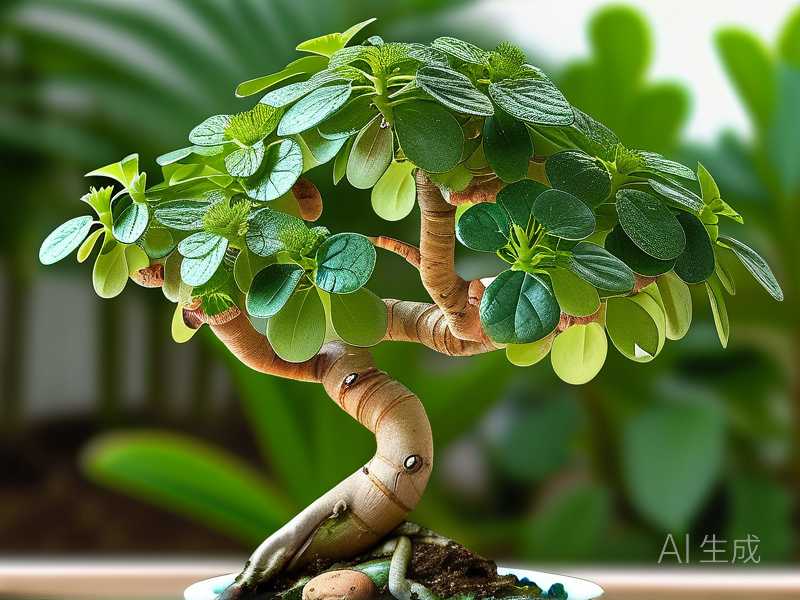
Money trees (Pachira aquatica) are those braided-trunk beauties with glossy palmate leaves that every home gardener seems to own. They look tropical and fussy, but honestly, they're pretty forgiving — until their roots sit in soggy soil. That's when bacterial rot creeps in just below the surface, where you can't easily see it.
Why Bacterial Rot Starts Just Below the Soil Surface
This is the part most people miss. The rot doesn't usually start at the bottom of the pot. It starts right at the crown — the spot where the trunk meets the soil.
That area stays damp the longest after watering. Air can't circulate there. And if you've mulched heavily or planted too deep, it's basically a petri dish for bacteria like Erwinia or Pseudomonas.
I learned this the hard way. My first money tree looked fine above the soil. But when I wiggled the trunk, it moved like a loose tooth. Squishy, dark, and smelling faintly sour. That's bacterial rot, plain and simple.
RHS pathologists note that bacterial soft rots thrive in waterlogged, poorly drained media — and they move fast in warm indoor conditions. So speed matters.
My 2-Week Rescue Plan (What Actually Worked)
Here's the exact sequence I followed. I'm not going to pretend it was elegant. It was messy, and I lost one of my two stems.
Day 1: I unpottted the tree and washed the roots under lukewarm water. I sterilized scissors with rubbing alcohol and cut away every brown, mushy root and any soft section of trunk. I kept cutting until I hit firm, white-green tissue.
Day 1 (continued): I dusted the cut surfaces with cinnamon — yes, plain kitchen cinnamon — as a mild antibacterial. Then I repotted in fresh, chunky soil (more on that below) in a smaller pot.
Days 2–5: No water at all. I kept the plant in bright, indirect light and checked the trunk daily for new soft spots.
Days 6–10: I watered lightly once, only when the top two inches felt bone dry. New firm tissue started forming at the crown by around day 9.
Days 11–14: One small new leaf unfurled. The surviving stem was stable. I knew I'd turned the corner.
Two weeks isn't a full recovery, but it's enough to tell whether you've stopped the rot. If the trunk stays firm and you see new growth, you're winning.
The Three Beginner Mistakes That Cause This
I've killed more than one money tree, so let me save you the grief.
Mistake 1: Overwatering. This is the big one. People water on a schedule instead of checking the soil. I used to water every Sunday, rain or shine. Bad idea. Now I stick a finger in the soil and only water when it's dry down to my second knuckle.
Mistake 2: Wrong light. Money trees want bright, indirect light. Put them in a dark corner and they sulk. Put them in harsh afternoon sun and the leaves scorch. Either extreme weakens the plant and makes rot more likely.
Mistake 3: The wrong pot. I once used a decorative pot with no drainage holes. Water pooled at the bottom and the roots drowned. Never again. Drainage holes are non-negotiable.
Soil, Pots, and Repotting the Right Way
After rot, fresh soil is half the battle. My go-to mix is roughly 50% potting soil, 30% perlite, and 20% orchid bark. It drains fast and lets air reach the roots.
Choose a pot only one size up from the root ball. A too-large pot holds excess moisture, which is exactly what you don't want. Terracotta is great because it wicks away moisture. Plastic works too — just make sure it has drainage.
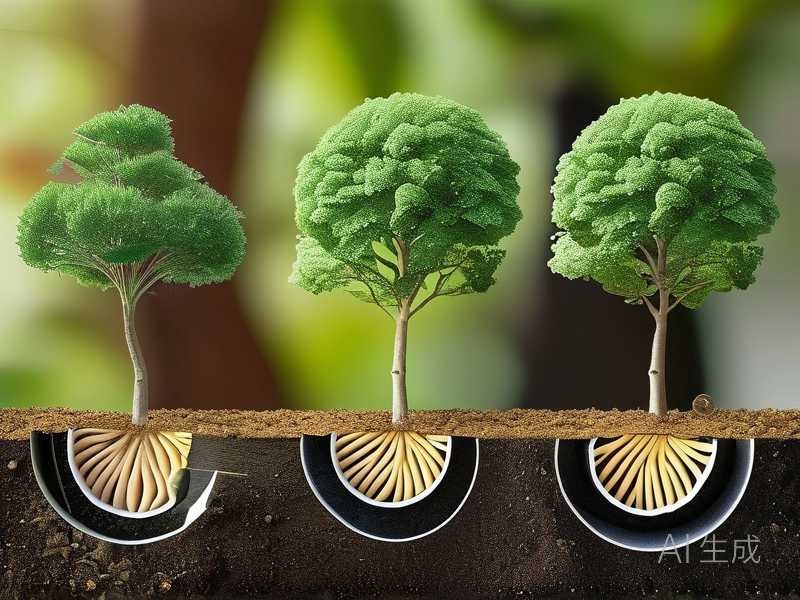
Repot every 18–24 months, or sooner if the soil smells sour or the plant stalls. Spring is ideal. And when you repot, keep the crown at or slightly above the soil line. Burying it deeper invites rot.
Light and Water: The Daily Basics
Bright, indirect light is the sweet spot. A few feet from a south or east window works well. If the leaves look pale and leggy, it needs more light. If they get crispy brown patches, it's getting too much direct sun.
For watering, the rule is simple: soak thoroughly, then let it dry out. I water until it runs out the drainage holes, then I don't touch it again until the top few inches are dry. In winter, that can mean every two to three weeks. In summer, maybe weekly.
AHS gardening guidance backs this up — most houseplant root problems trace back to watering frequency, not amount. Water deeply but infrequently.
Feeding Without Making Things Worse
Don't fertilize a plant recovering from rot. Wait until you see steady new growth — usually a month or two.
After that, use a balanced liquid fertilizer at half strength, once a month through spring and summer. Nothing in fall and winter. I learned to skip the "bloom booster" stuff; money trees don't need it, and excess salts build up in the soil.
Seasonal Care, Simplified
Spring: This is repotting and pruning season. I trim leggy stems to encourage bushiness and start light feeding.
Summer: Watch for heat stress and keep the plant out of direct sun. Good airflow matters — I crack a window or run a fan nearby.
Fall: Cut back on fertilizer and watering as growth slows. This is when I check the crown for any early softness.
Winter: Less water, no fertilizer, and keep it away from cold drafts. I move mine away from chilly windowsills.
Quick FAQ
Can a money tree recover from bacterial rot? Yes, if you catch it early and remove all the mushy tissue. If the rot has reached most of the trunk, it's usually too late.
How do I know it's bacterial rot and not just overwatering? Overwatering causes yellowing and drooping. Bacterial rot adds a soft, dark, foul-smelling trunk right at the soil line.
Should I use fungicide? Bacterial rot isn't a fungus, so standard fungicides won't fix it. Clean cuts, fresh soil, and better watering habits do the real work.
The bottom line: act fast, cut away the rot, repot in chunky soil, and stop overwatering. Your money tree is tougher than it looks — mine came back, and yours can too.