admin
How to Cure Money Tree Leaf Curl From Fungus Plus Sucking Pests
If you're reading this, you've probably noticed your money tree's leaves curling, twisting, maybe even dropping. I get it. I've been there with my own Pachira aquatica three times now. Here's the short version: curled leaves on a money tree almost always point to a fungal issue combined with sucking pests like spider mites, aphids, or thrips. And yes, 90% of indoor plants die from overwatering — money trees included — because soggy soil is exactly what fungus and root rot love. The fix takes about two weeks of consistent action: isolate the plant, treat both the fungus and the pests, and correct the watering habit that opened the door in the first place. I'll walk you through exactly what I did, including the mistakes that cost me two plants before I figured it out.
Why Money Tree Leaves Curl in the First Place
Money trees are popular for a reason. They're forgiving, they look tropical, and braided trunks hide a lot of sins. But their leaves are basically a health dashboard.
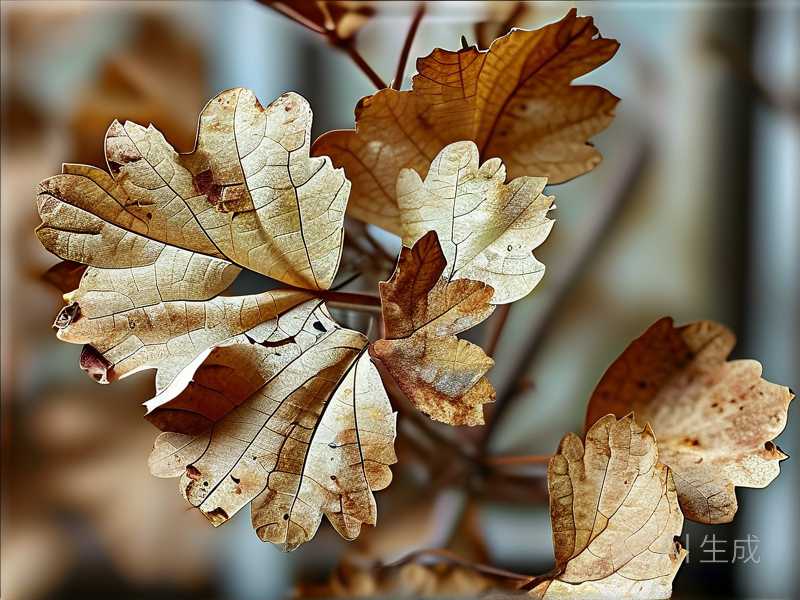
When leaves curl inward, cup downward, or develop brown crispy edges, the plant is stressed. Fungus and sucking pests often show up together, which is what makes this so frustrating.
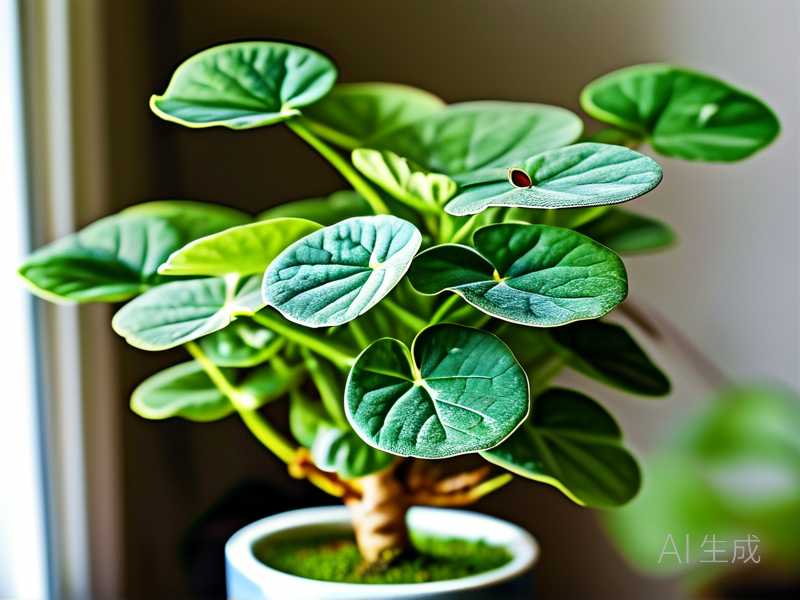
Here's the link most people miss. Sucking pests weaken leaf tissue. Weak tissue holds moisture unevenly. That uneven surface becomes a landing pad for fungal spores. One problem feeds the other.
I learned this the hard way. My second money tree had what I thought was just "dry air curl." It turned out to be spider mites plus a fungal leaf spot that spread to six leaves before I caught it.
First, Confirm What You're Dealing With
Before you spray anything, do a quick inspection. This takes five minutes and saves weeks of guesswork.
Signs of sucking pests
- Tiny webbing between stems or under leaves (spider mites)
- Sticky residue on leaves or nearby windowsills (aphids or scale)
- Silvery or bronze streaks on leaf surfaces (thrips)
- Leaves curling downward while still green
Signs of fungus
- Brown or black spots with yellow halos
- Fuzzy gray growth on soil surface
- Curled leaves that feel limp or mushy rather than crisp
- A musty smell coming from the pot
You can have both at once. I did. Treat them together rather than sequentially, because treating one while ignoring the other just lets the problem bounce back.
The RHS notes that fungal leaf spots thrive in still, humid air — which is exactly what a stuffy living room corner provides. So ventilation matters as much as any spray.
The Two-Week Treatment Plan That Actually Worked
This is the exact sequence I followed on my current money tree. I tracked results every few days.
Days 1–2: Isolate and clean
Move the plant away from other houseplants immediately. I put mine in the bathroom with the door shut.
Wipe every leaf, top and bottom, with a damp microfiber cloth. This physically removes mites and spores. Rinse the cloth in hot water afterward — don't reuse it on other plants.
Then shower the plant. Yes, really. Room-temperature water, gentle flow, washing the leaves and letting it drain completely. This knocked back the mite population dramatically in my case.
Days 3–5: Treat the fungus and the pests
For fungus, I used a copper-based fungicide spray, applied in the evening so leaves wouldn't burn. Two applications, three days apart.
For pests, I used insecticidal soap on the undersides of leaves. Follow the label — I mixed a slightly weaker solution than recommended because money tree leaves can be sensitive, and I tested on one leaf first.
Honest note: I over-sprayed on day 3 the first time I did this. Two leaves developed brown tips. Lesson learned — spray lightly and let it dry.
Days 6–14: Correct the root cause
This is the part most guides skip. Sprays treat symptoms. Your watering and soil habits treat the cause.
I let the top two inches of soil dry out completely between waterings. I also propped the pot on small stones so air could move underneath.
By day 10, I saw the first sign of recovery: new growth emerging flat and uncurled from the center. Older curled leaves didn't straighten — they won't — but they stopped getting worse.
By day 14, no new webbing, no new spots, and two healthy new leaves. That's when I knew I had it handled.
Light: The Setting That Prevents Curl From Coming Back
Money trees want bright, indirect light. Not direct sun through glass — that scorches leaves. Not a dark hallway either.
I keep mine about four feet from an east-facing window. Morning light, no harsh afternoon glare.
Too little light weakens the plant and makes it pest-prone. Too much direct sun causes crispy edges that look similar to fungus damage, which confuses a lot of people.
If your plant sits in a dim spot, move it gradually. Sudden light changes cause their own leaf drop. Shift it a foot closer every few days.
One more thing — rotate the pot a quarter turn weekly. Uneven light makes one side leggy and stressed, and stressed tissue is where problems start.
Watering: Where Almost Everyone Goes Wrong
I'll be blunt. Overwatering is the number one killer of money trees. Full stop.
The rule I follow now: water deeply, then wait until the top two to three inches of soil are bone dry. Stick your finger in. If it's even slightly damp, wait.
Signs you're overwatering:
- Yellow leaves dropping from the bottom up
- Curled leaves that feel soft
- Soil that stays wet for more than a week
- Fungus gnats hovering around the pot
Signs you're underwatering (less common):
- Crispy brown leaf tips
- Soil pulling away from the pot edges
The tricky part is that overwatering and underwatering both cause curling. That's why checking the soil matters more than guessing from the leaves alone.
I water roughly every 10–14 days in summer and every 3 weeks in winter. That's it. Less is genuinely more here.
Always empty the saucer after watering. Sitting water is a fungus factory.
Soil and Repotting: Getting the Foundation Right
Money trees need fast-draining soil. Standard potting mix holds too much water for them.
My mix: two parts potting soil, one part perlite, one part coarse orchid bark. It drains fast and still holds enough moisture.
Pot choice matters too. Terracotta breathes and dries faster. Glazed ceramic looks nice but holds moisture longer. Either works if the pot has drainage holes — and it must.
Repot every two to three years, or when roots circle the bottom. Spring is ideal. Go up one pot size only. Oversized pots hold excess wet soil, which is exactly what you don't want.
Feeding Without Making Things Worse
I feed with a balanced liquid fertilizer at half strength, once a month through spring and summer. That's it.
Never feed a sick plant. I made that mistake once — fertilizing a struggling money tree — and it burned the roots further. Wait until you see active new growth before feeding again.
Winter means no fertilizer. The plant is resting. Feeding then just stresses it.
The AHS recommends diluting fertilizer for container plants generally, and money trees are no exception. Weak and regular beats strong and occasional.
Seasonal Care, Start to Finish
Spring
This is recovery and growth season. Trim dead or heavily curled leaves with clean scissors. Repot if needed. Resume monthly feeding. New growth should appear within a few weeks if conditions are right.
Summer
Watch for heat stress and pest explosions. Keep the plant out of direct sun. Increase airflow with a small fan on low, pointed away from the plant. Check leaf undersides weekly for mites.
Autumn
Tapert fertilizing. Reduce watering as growth slows. Clean leaves so they can photosynthesize efficiently through darker months. Move the plant closer to a window as daylight shortens.
Winter
This is where many money trees decline. Keep the plant away from cold drafts and radiators. Water sparingly — maybe every three weeks. No fertilizer. If your home is very dry, a pebble tray with water nearby helps without soaking the soil.
Three Beginner Mistakes That Cost Me Plants
Mistake one: watering on a schedule. I used to water every Sunday no matter what. That's how I killed my first money tree. Water when the soil tells you to, not when the calendar does.
Mistake two: putting it in the wrong light. My second plant sat in a dark corner for months. It got leggy, weak, and covered in pests before I connected the dots.
Mistake three: using a pot with no drainage. I once used a decorative cachepot without holes. Root rot set in within a month. Never again.
Quick Troubleshooting
- Yellow lower leaves: overwatering, usually
- Brown crispy tips: dry air or underwatering
- Curled new growth: pests or a nutrient issue
- Black mushy stems: root rot — act fast, repot into dry soil
- Sticky leaves: aphids or scale, treat with insecticidal soap
FAQ
Can curled money tree leaves uncurl? Older damaged leaves usually stay curled. New growth should emerge flat once the problem is fixed. Judge recovery by new leaves, not old ones.
How often should I treat for pests? Every five to seven days for three rounds, so you catch newly hatched mites before they reproduce.
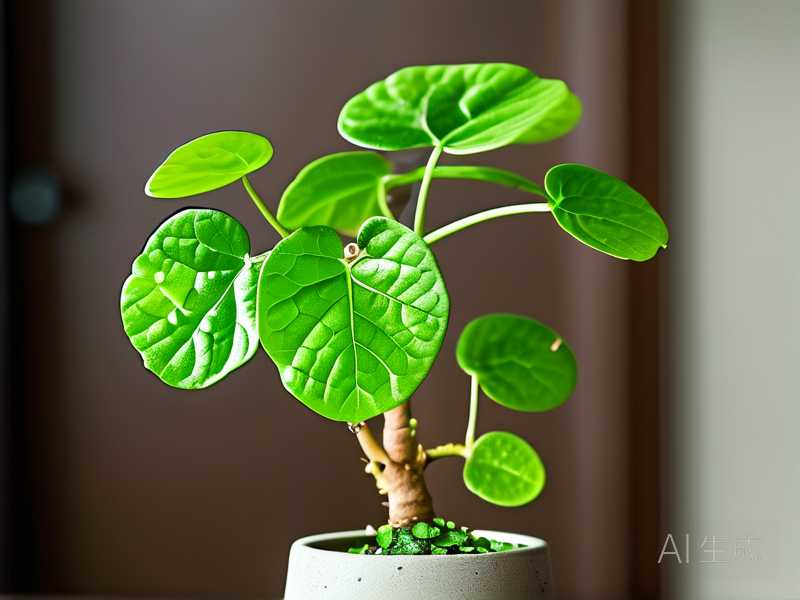
Is neem oil safe for money trees? Yes, diluted and applied in the evening. Test one leaf first — some plants are sensitive.
Final Word
Money tree leaf curl from fungus and sucking pests is fixable. I've done it, twice now, with a two-week plan of isolation, cleaning, targeted treatment, and fixing the watering habit underneath it all. Watch the new growth. That's your real progress report. Give it bright indirect light, let the soil dry between waterings, and skip the fertilizer until it's actively growing again. Your plant will tell you when it's back on track.