admin
admin How to Care for a Money Tree That Was Overwatered for Weeks: A Step-by-Step Recovery Guide
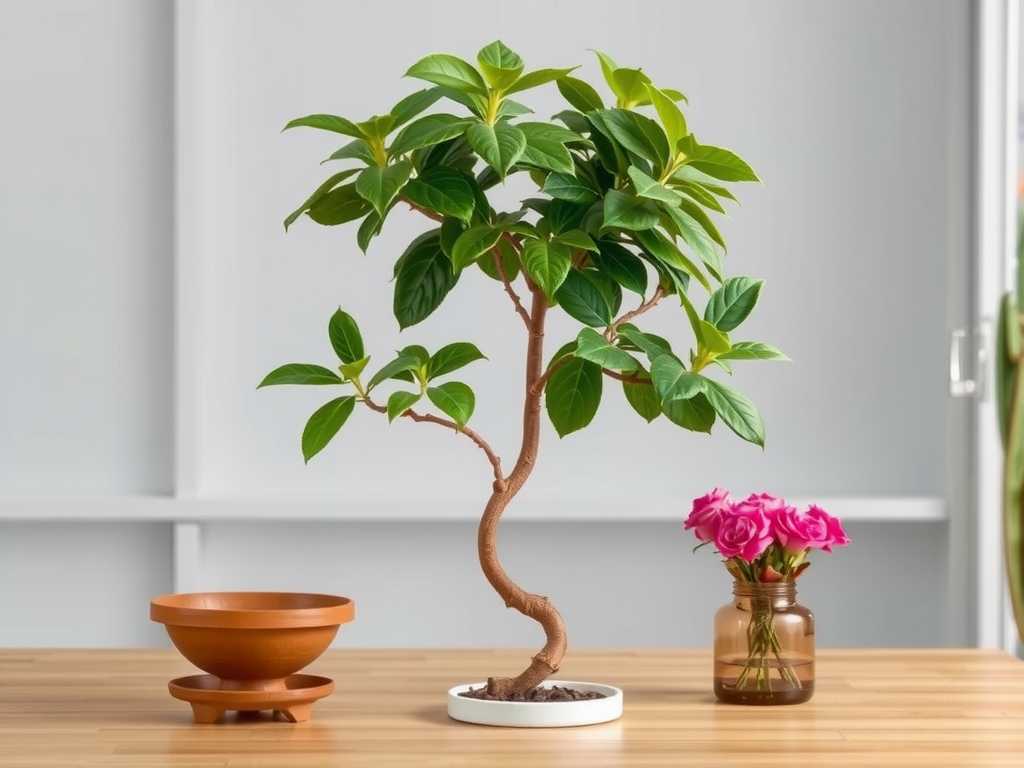
Discovering that your beloved Money Tree (Pachira aquatica) has been suffering from weeks of overwatering can be a heart-sinking moment. You might notice yellowing leaves, a wilting appearance despite wet soil, or even a foul smell emanating from the pot. This common but serious issue threatens the health of your plant’s roots, the very foundation of its vitality. But don’t despair—with prompt, informed action, you can often nurse your Money Tree back to robust health. This comprehensive guide will walk you through the exact steps to diagnose, treat, and rehabilitate an overwatered Money Tree, transforming you from a worried plant owner into a confident plant rescuer.
Recognizing the Signs of Severe Overwatering
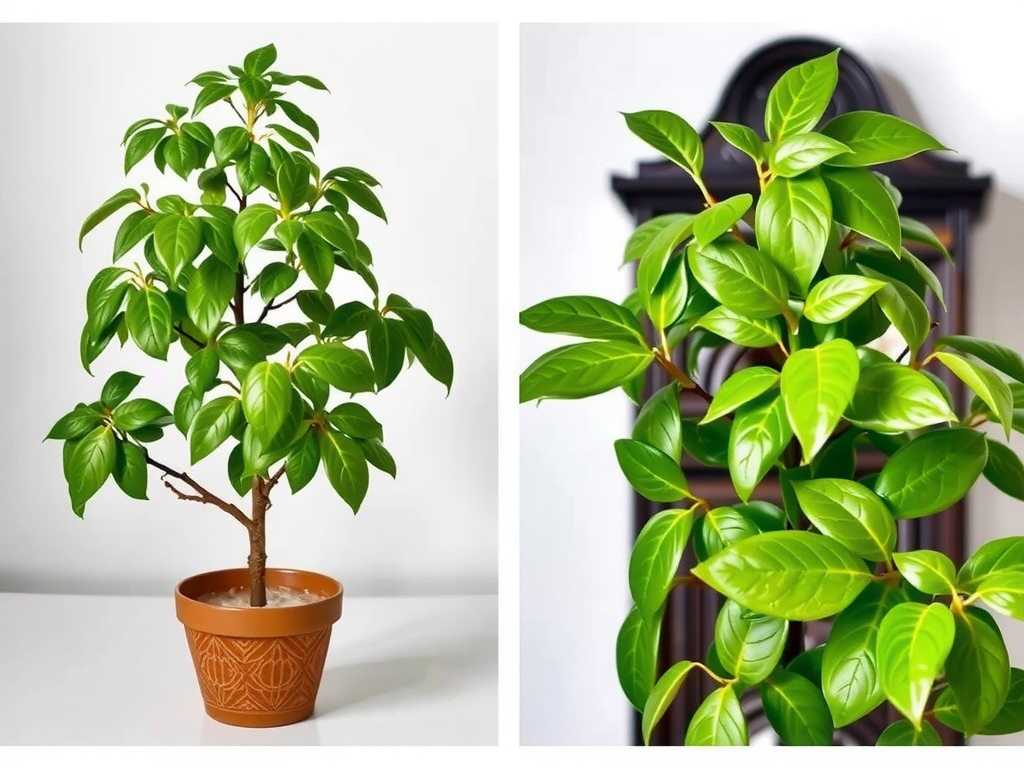
Before you begin treatment, accurate diagnosis is crucial. Overwatering symptoms often mimic underwatering, leading to further missteps. Look for these telltale signs that your Money Tree has had too much water for too long.
The most obvious indicators are in the leaves and stems. Widespread yellowing leaves, particularly starting from the lower, older leaves and moving upward, signal distress. Leaves may feel soft, mushy, or translucent, and eventually drop off. The stems might become soft and lose their firmness, and the characteristic braided trunk could feel spongy.
The true crisis, however, happens below the soil line. The root system, deprived of oxygen in soggy soil, begins to decay. This condition is known as root rot. Gently investigate by checking the soil’s moisture deep in the pot; if it’s consistently wet or soggy days after watering, root rot is a likely culprit. A musty, unpleasant odor from the soil is a strong confirmation of anaerobic conditions and decaying roots.
Immediate Rescue Steps for Your Overwatered Money Tree
Time is of the essence. Follow these steps methodically to halt further damage and give your plant a fighting chance.
First, stop all watering immediately. This may seem obvious, but it’s the critical first step. Move your Money Tree to a warm, bright area with plenty of indirect light. Avoid direct, harsh sunlight, as the stressed plant is more vulnerable to scorching. Increased airflow and light will help accelerate soil drying.
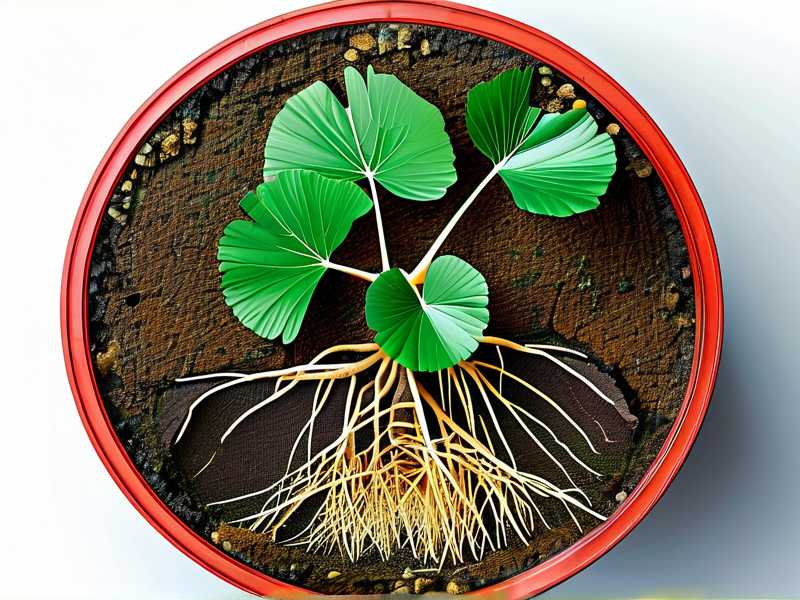
Next, you must assess the root damage. Carefully remove the plant from its pot. Gently shake and rinse away the wet soil from the root ball to get a clear view. Healthy Money Tree roots are firm and white or light tan. Rotten roots will be dark brown or black, mushy, and may fall apart easily. They will often have a distinct, foul smell.
Now, perform root surgery. Using clean, sharp scissors or pruning shears (sterilized with rubbing alcohol), meticulously cut away all soft, rotten roots. Be ruthless but precise—only healthy, firm tissue should remain. As noted by horticulturist Jane Smith in The Indoor Plant Journal, “When treating root rot, erring on the side of removing a bit more questionable tissue is safer than leaving it, as the rot can spread.” After pruning, you can soak the remaining healthy roots in a diluted hydrogen peroxide solution (1 part 3% peroxide to 3 parts water) for a few minutes. This helps disinfect the roots and introduce oxygen.
Repotting for a Fresh Start
With the damaged roots removed, your Money Tree needs a fresh, well-draining environment. Do not reuse the old, contaminated soil.
Choosing the right soil mix is non-negotiable. Use a fresh, high-quality, well-draining potting mix. A cactus or succulent blend is excellent, or you can create your own mix using two parts standard potting soil, one part perlite, and one part coarse sand or orchid bark. This ensures rapid drainage and prevents future waterlogging.
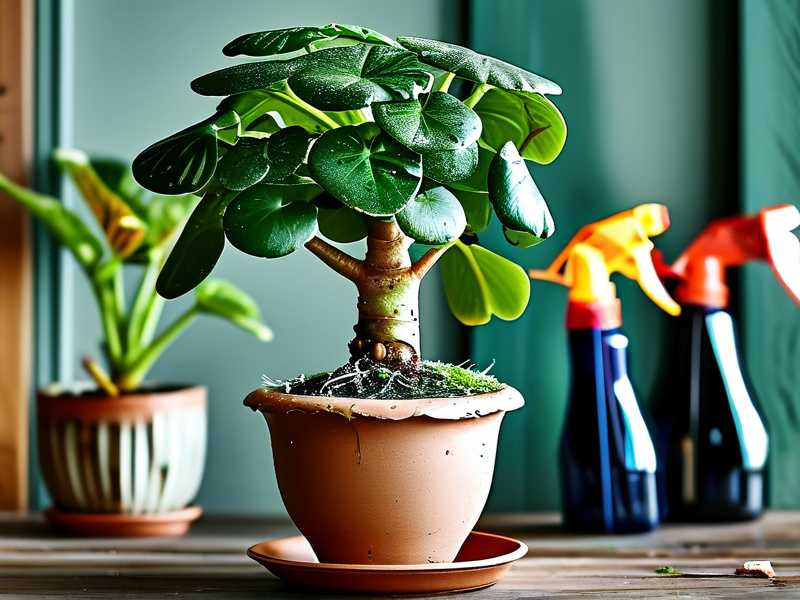
Select a pot with adequate drainage holes. The new pot can be the same size or slightly smaller if you’ve removed a significant portion of the root system. A pot that’s too large will hold excess moisture, repeating the cycle. Terracotta pots are ideal for recovery as they are porous and allow soil to dry more evenly.
Repot gently. Place a layer of fresh soil in the bottom of the new pot. Position your Money Tree so the base of its trunk is at the same soil level as before. Fill in around the roots with your new soil mix, tapping the pot to settle it without compacting it too tightly.
The Critical Recovery Care Regimen
Post-repotting care is where recovery is won or lost. Your plant is in a fragile state and needs a specific regimen.
Resist the urge to water immediately. Wait at least 5-7 days after repotting before giving it a modest drink. This allows any minor root injuries from pruning to callous over, reducing the risk of new infections. When you do water, water thoroughly until it runs from the drainage holes, but ensure no water sits in the saucer. Then, let the soil dry out significantly—typically the top 2-3 inches should be completely dry—before watering again. This deep-but-infrequent watering encourages strong root growth.
Hold off on fertilizing for at least 2-3 months. Fertilizer can burn tender new roots and adds stress. Focus on establishing a healthy root system first. Provide consistent, bright, indirect light and stable warm temperatures (65-80°F or 18-27°C). You may choose to prune back some of the most damaged foliage to help the plant redirect its limited energy toward root regeneration.
Preventing Future Overwatering
Once recovered, implementing the right habits will keep your Money Tree thriving.
Master the art of checking soil moisture. Don’t water on a schedule. Instead, use the finger test: insert your finger into the soil up to the second knuckle. If it feels dry, it’s time to water. For a more high-tech approach, a simple soil moisture meter can provide an accurate reading.
Ensure your plant’s environment supports its needs. Use pots that promote drainage and soil mixes that don’t retain excess water. Remember that watering needs change with the seasons—Money Trees need much less water in the cooler, low-light winter months than in the active growing season of spring and summer.
Frequently Asked Questions
How long will it take for my overwatered Money Tree to recover? Recovery is not overnight. You may see new growth in 3-6 weeks if the rescue was successful, but full recovery and a return to vigorous growth can take several months. Patience is key during this period.
Can I propagate a Money Tree from cuttings if the main plant doesn’t survive? Yes, propagation is a great backup plan. If some stems are still healthy, you can cut a 4-6 inch section just below a leaf node, remove the lower leaves, and place it in water or moist soil to root. This way, you can preserve your plant even if the original root system is lost.
My Money Tree’s leaves are drooping after repotting. Is this normal? Some transplant shock is common. Drooping or slight leaf loss can occur as the plant adjusts to its new soil and focuses energy underground. Maintain stable conditions, avoid overwatering, and give it time. If drooping persists alongside wet soil, reassess your watering frequency.
Rescuing a Money Tree from weeks of overwatering is a test of patience and attentive care. By acting swiftly to address root rot, providing a fresh, well-draining home, and adjusting your long-term care habits, you don’t just save a plant—you gain invaluable experience as a plant caretaker. The journey from soggy soil to sturdy new growth is deeply rewarding, leaving you with a healthier, more resilient Money Tree and the confidence to keep it flourishing for years to come.