admin
admin How to Care for a Money Tree That Was Underwatered for Weeks: A Step-by-Step Recovery Guide
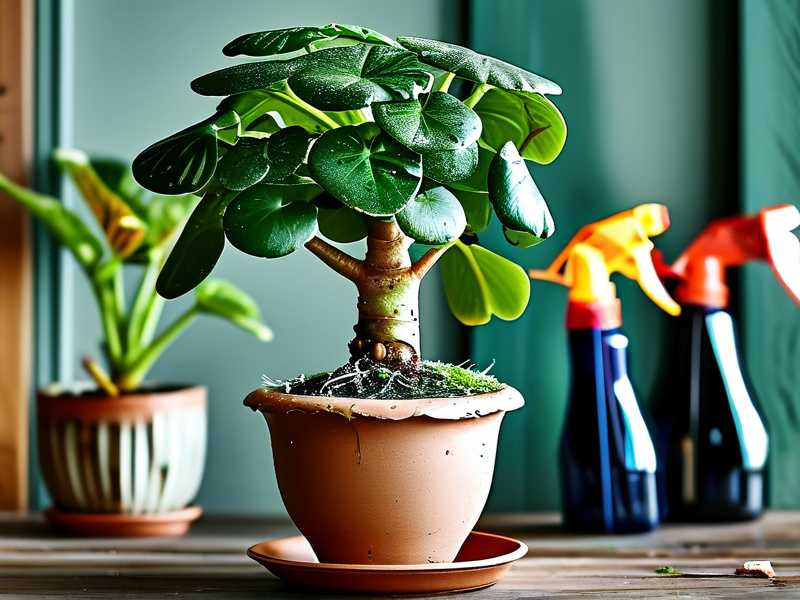
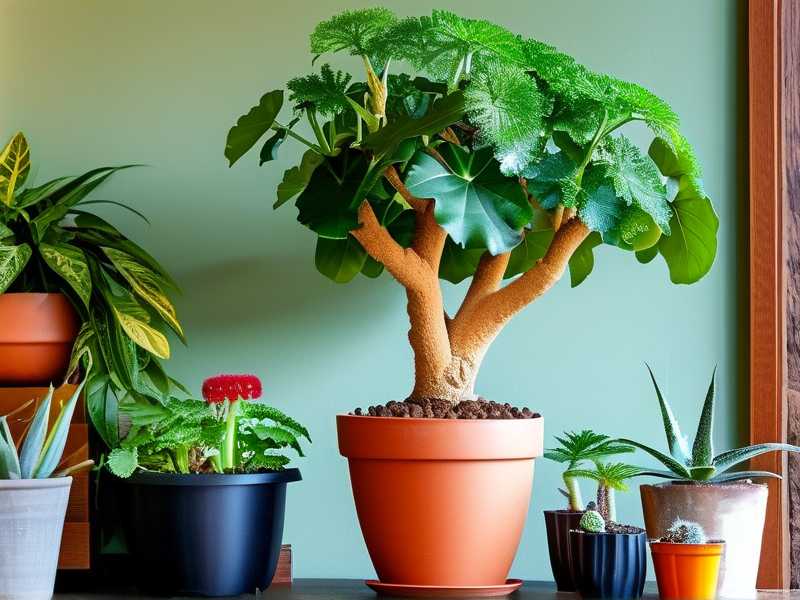
You’ve just discovered your beloved Money Tree (Pachira aquatica) looking sad, wilted, and dry. The soil feels like dust, leaves are crispy or falling off, and that vibrant green has faded. Realizing it hasn’t been watered properly for weeks is a heart-sinking moment. But don’t panic. While severe underwatering is stressful for the plant, Money Trees are remarkably resilient. With the right, patient approach, you can often nurse it back to health. This comprehensive guide will walk you through exactly how to care for a Money tree that was underwatered, step by step, turning your plant from parched to prosperous again.
Understanding the Damage: What Happens to an Underwatered Money Tree?

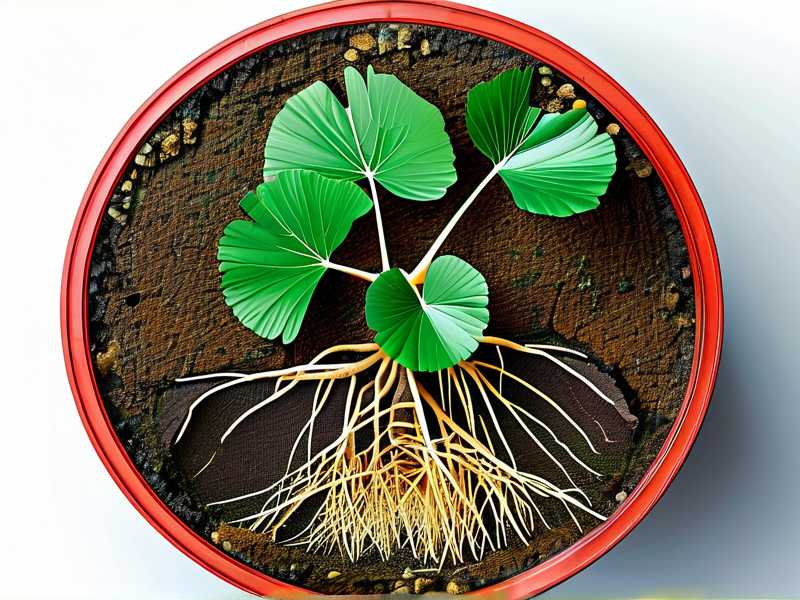
Before you act, it’s crucial to understand what your plant is experiencing. Chronic underwatering causes the soil to become hydrophobic—it actually repels water. The roots, desperate for moisture, may have shriveled, dried, or even died back.
When you finally water, the water might rush down the sides of the pot without ever wetting the root ball. This leaves the roots still dry, even though you think you’ve watered. The plant’s cells have lost turgor pressure (like a deflated balloon), leading to drooping, curling leaves, and browning tips.
Immediate Action: The First 24-48 Hour Rescue Protocol
Do not flood the plant in a panic. Overcompensating with a massive amount of water can shock the already stressed roots and lead to rot if done incorrectly. Follow this gentle rehydration process.
Step 1: Assess the Situation Gently remove the Money Tree from its pot. Examine the root ball. Healthy roots are firm and light-colored. Underwatered roots will be dry, brittle, and may have a grayish tinge. They might also be tightly coiled around the pot. Check for any mushy, black roots (which would indicate previous overwatering damage, now compounded by dryness), but the primary issue here is desiccation.
Step 2: The Bottom-Soaking Method (The Most Critical Step) This is the most effective way to rehydrate hydrophobic soil and ensure the roots get water.
- Find a basin, sink, or bucket larger than your plant’s pot.
- Place the entire pot (with the plant in it) into the basin.
- Fill the basin with lukewarm water until it reaches about ¾ of the way up the side of the pot.
- Let it soak for 30-45 minutes. You will see air bubbles rising as the soil slowly absorbs moisture.
- After soaking, remove the pot and let it drain completely in the sink or shower. Ensure all excess water can freely drain out of the bottom holes. Do not let it sit in a saucer of water.
Step 3: Prune Strategically Your plant’s resources are limited. It cannot support all its damaged foliage while trying to regrow roots. Using clean, sharp scissors:
- Remove all completely crispy, brown, or yellow leaves. They will not recover.
- Trim any severely wilted, limp stems that have lost all firmness.
- For leaves with only brown tips, you can trim just the brown edge, following the leaf’s natural shape. This pruning redirects the plant’s energy to new growth and surviving healthy tissue.
The Recovery Phase: Ongoing Care for Your Reviving Money Tree
Your immediate rescue is complete. Now, consistent care is key for the next several weeks.
Creating the Ideal Environment Place your recovering Money Tree in a spot with bright, indirect light. Avoid direct, harsh sunlight, which can further scorch it. A north or east-facing window is ideal. Maintain a warm environment (65-80°F or 18-27°C) and protect it from drafts, air conditioners, or heating vents. Increasing humidity around the plant can significantly aid recovery. As noted by horticulturist Jane Smith in Indoor Plant Journal, "For tropical plants recovering from moisture stress, a 10-15% increase in ambient humidity can reduce transpirational water loss and ease the burden on damaged roots." Use a humidifier, a pebble tray, or group it with other plants.
Watering Schedule Post-Rescue Forget the calendar. Your new watering cue is the soil.
- After the initial soak, let the top 1-2 inches of soil dry out before watering again.
- Check by sticking your finger into the soil. It should feel moist but not soggy a few inches down.
- Water thoroughly each time, allowing water to flow freely from the drainage holes. Continue to consider bottom-watering for the next 2-3 waterings to ensure deep hydration. The goal is to establish a cycle of consistent, deep moisture without ever letting the plant return to its bone-dry state.
Nutrition and Support Do not fertilize for at least 6-8 weeks. Fertilizer on stressed roots can cause chemical burn and further damage. Your plant’s focus is on root and leaf regeneration, not new growth fueled by fertilizer. Once you see consistent new, healthy growth, you can resume a diluted, balanced feeding schedule.
Signs of Recovery vs. Signs of Further Trouble
Stay observant. Positive signs include:
- Firming up of stems within a few days.
- Leaves regaining a slight sheen and losing their papery feel.
- New, small buds or leaves emerging from the stems or base (this is the ultimate sign of success!).
Be cautious of:
- Continued yellowing and leaf drop (this can be normal as the plant sheds damaged parts, but it should slow).
- A foul smell or black, mushy stems at the soil line, which could indicate root rot from a combination of previous damage and improper watering post-rescue. If this occurs, you may need to unpot again, remove all rotten roots, and repot in fresh soil.
Preventing Future Underwatering: Best Practices for a Thriving Money Tree
Once your plant is stable, implement these habits to prevent a repeat.
- The Finger Test is Your Best Tool: Make soil-checking a weekly habit.
- Consider a Pot Upgrade: If your plant is root-bound, repot it in the spring into a container only 1-2 inches larger with a well-draining, peat-based potting mix. A pot that’s too large holds excess moisture.
- Use Moisture Meters: For a more scientific approach, a simple soil moisture meter can take the guesswork out of watering.
- Understand Its Needs: Money Trees prefer to dry out slightly between waterings but should never be left dry for extended periods. They are drought-tolerant, not drought-loving.
Frequently Asked Questions
Can a completely brown Money Tree be saved? Focus on the stems, not the leaves. If the main trunk and stems are still green and firm when you scratch them lightly with a fingernail, there is hope. The plant may have lost all its leaves, but it can resprout from dormant buds if the roots and stems are alive. Continue with careful watering and patience.
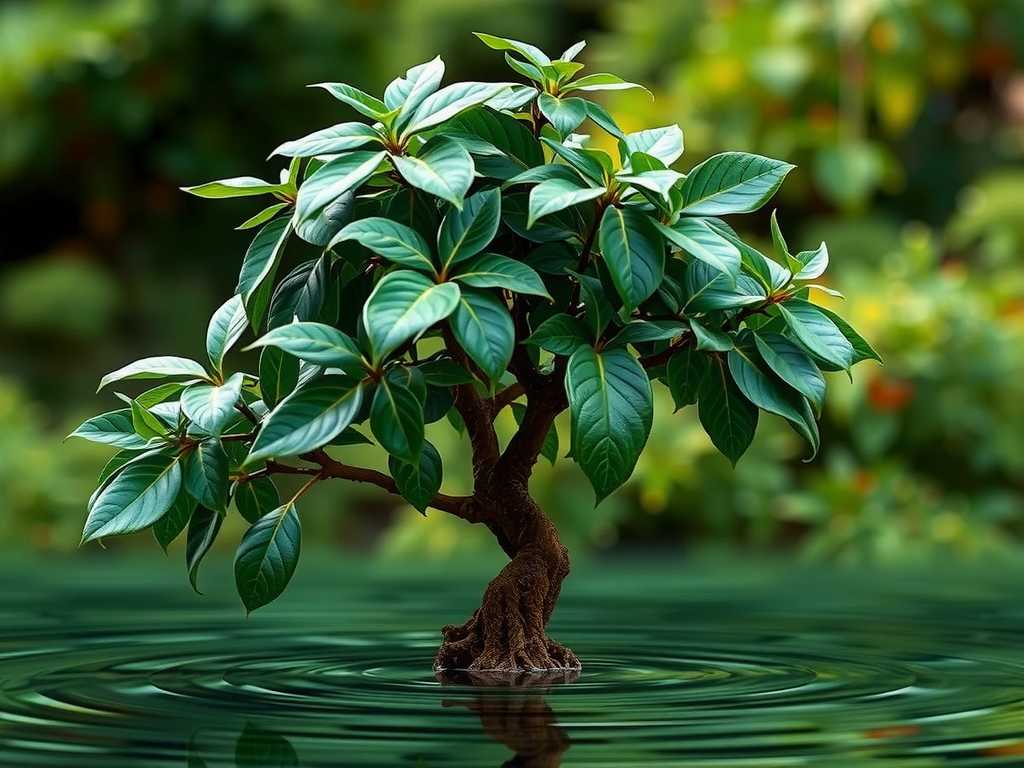
How long does it take for an underwatered Money Tree to recover? Visible improvement (firmer stems, halted leaf drop) can be seen within 1-2 weeks. Significant new growth typically takes 4-8 weeks, depending on the severity of the damage and the growing conditions. Full recovery to its former lushness may take a full growing season.
Should I mist my underwatered Money Tree? Misting the leaves provides minimal hydration and does not address the root issue. In fact, wet foliage in poor airflow can encourage fungal diseases. Your efforts are far better spent on ensuring proper soil moisture and increasing ambient humidity around the plant, which is a more effective and sustained solution.
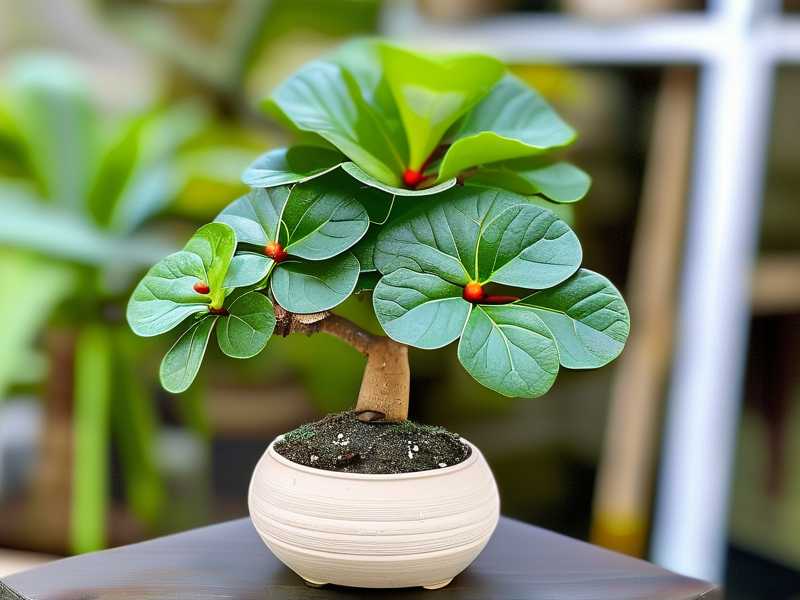
Watching a Money Tree struggle after being underwatered is worrying, but it’s often a reversible situation. The key lies in a gentle, thorough rehydration via bottom-soaking, followed by a period of stable, attentive care. By pruning strategically, providing consistent moisture without overdoing it, and offering a humid, bright environment, you give your plant the strongest possible foundation for recovery. Remember, patience is your greatest asset. With time and these focused steps, you can restore your Money Tree’s health and enjoy its vibrant, leafy presence for years to come.