admin
admin How to Use Epsom Salt to Benefit a Money Tree: A Complete Guide
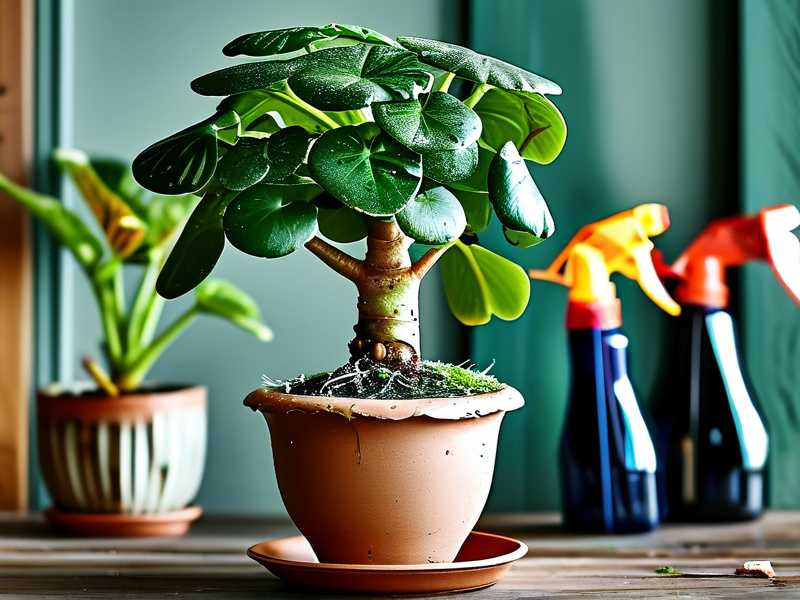
You’ve given your money tree the perfect spot with indirect light, you water it just right, and yet… something’s off. Its leaves might be looking a bit pale, showing yellow edges, or just not growing with that vibrant, lush green you expect. You’re doing everything by the book, but your plant isn’t thriving. Could the secret ingredient be sitting in your bathroom or kitchen cabinet? For many houseplant enthusiasts, the solution lies in a simple, natural compound: Epsom salt.
This guide will walk you through exactly how to use Epsom salt to benefit a money tree. We’ll demystify the science behind it, provide clear, step-by-step instructions for application, and highlight the specific signs that your plant is crying out for this mineral boost. By the end, you’ll be equipped to transform your money tree from surviving to spectacularly thriving.
Understanding the Science: Why Epsom Salt for Plants?
Epsom salt is not table salt; it’s a naturally occurring mineral compound of magnesium and sulfate. Both are crucial secondary nutrients for plant health, playing roles that go far beyond basic nutrition.
Magnesium is the central atom in the chlorophyll molecule, which is responsible for photosynthesis. Without adequate magnesium, your money tree literally cannot efficiently convert sunlight into energy, leading to slow growth and chlorosis—a fancy term for yellowing leaves where the veins often stay green. Sulfate, on the other hand, is essential for producing vital amino acids, vitamins, and enzymes. It also aids in chlorophyll formation and helps the plant absorb key nutrients like nitrogen and phosphorus.
Think of it this way: if your money tree’s potting mix provides the main course (NPK fertilizers), Epsom salt offers the essential vitamins and co-factors that allow the plant to properly digest and utilize that meal.
Key Benefits of Epsom Salt for Your Money Tree
Applying Epsom salt correctly can lead to several visible improvements in your money tree’s health and appearance.
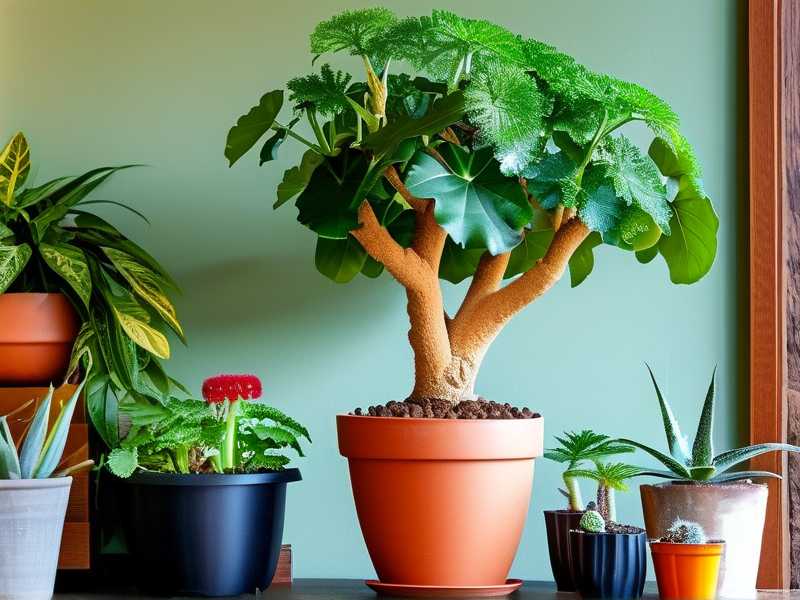
Promotes Vibrant, Green Foliage The most immediate benefit is often a deepening of the green color in the leaves. By supplying magnesium directly, you support robust chlorophyll production. This results in richer, darker green leaves that are more efficient at photosynthesis, fueling overall growth.
Prevents and Corrects Leaf Yellowing If your money tree’s older leaves are turning yellow, especially between the veins while the veins themselves remain green, it’s a classic sign of magnesium deficiency. A targeted Epsom salt treatment can often reverse this yellowing, restoring the leaf’s health and color over time.
Encourages Stronger, Healthier Growth With improved nutrient uptake and energy production, your money tree can direct resources to new growth. You may notice more frequent leaf emergence, stronger stems, and a generally more robust and bushy appearance. Healthier plants are also better equipped to resist minor stressors.
How to Mix and Apply Epsom Salt to Your Money Tree
The key to success is using the correct dilution. More is not better; excessive magnesium can interfere with the plant’s uptake of other nutrients like calcium.
The Standard Epsom Salt Solution Recipe For routine feeding or addressing mild symptoms, this is your go-to mixture:
- 1 tablespoon of unscented, pure Epsom salt
- 1 gallon of lukewarm water (distilled or filtered is ideal to avoid chemical interactions)
Stir vigorously until the crystals are completely dissolved. Always use this solution fresh; do not store it for later use.
Two Primary Application Methods
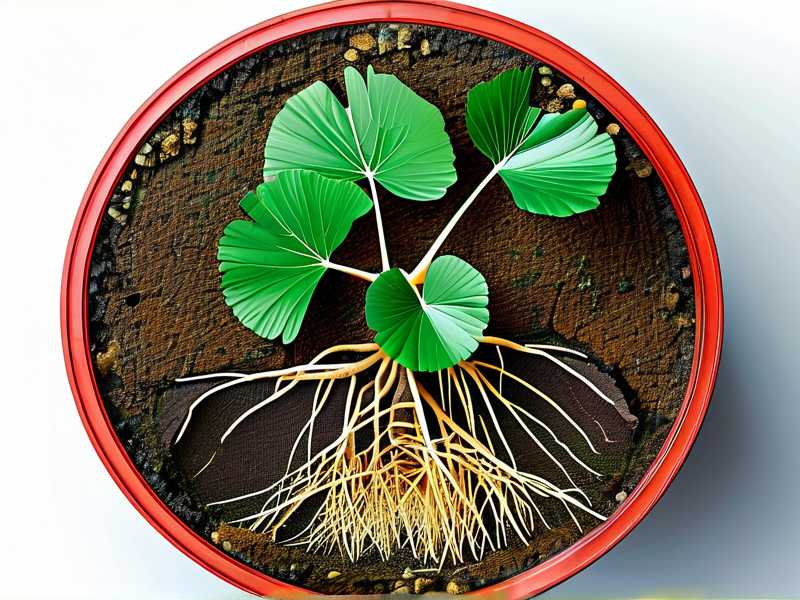
1. Soil Drench (Root Absorption) This is the most common and effective method for delivering nutrients.
- Ensure your money tree’s soil is slightly moist before application. Never apply fertilizer to bone-dry soil.
- Slowly pour the prepared Epsom salt solution onto the soil, circling around the base of the plant. Continue until you see a small amount of liquid just beginning to drain from the bottom of the pot.
- Allow the pot to drain completely. Never let the plant sit in a saucer of standing solution.
2. Foliar Spray (Leaf Absorption) For a quicker correction of deficiency symptoms, you can apply a more diluted solution directly to the leaves.
- Mix 1 teaspoon of Epsom salt into 1 gallon of water.
- Pour into a clean spray bottle.
- In the early morning or late evening, lightly mist the foliage, covering both the tops and bottoms of the leaves. Avoid spraying in direct sunlight to prevent leaf burn.
Creating an Optimal Feeding Schedule
Consistency and moderation are crucial. Epsom salt is a supplement, not a primary fertilizer.
For Routine Maintenance and Prevention Incorporate Epsom salt into your regular care routine once every 4-6 weeks during the active growing season (spring and summer). This helps prevent deficiencies before they start. You can skip applications in the fall and winter when the plant’s growth naturally slows.
For Correcting a Magnesium Deficiency If you see clear signs of yellowing, you can apply the soil drench once a month for two to three consecutive months. Monitor the new growth for improvement. After the deficiency appears corrected, return to the routine maintenance schedule.
Important Precautions and Best Practices
- Less is More: Stick to the recommended dosage. Overuse can lead to salt buildup in the soil, which can damage roots.
- Flush the Soil: Every 3-4 months, give your money tree a thorough watering with plain water (let water run through the soil for a minute) to flush out any accumulated mineral salts.
- Balance is Key: Remember, Epsom salt does not replace a balanced, water-soluble houseplant fertilizer. Use it as a complement to your regular feeding schedule. As noted by horticulturist Dr. Linda Chalker-Scott, “While magnesium is vital, it must be in balance with calcium and potassium for optimal plant health.”
Signs Your Money Tree Needs Epsom Salt
How do you know if your intervention is needed? Look for these telltale symptoms:
- Interveinal Chlorosis: Yellowing between the leaf veins while the veins stay green.
- Pale or Dull Foliage: Overall loss of deep green luster.
- Stunted or Slow Growth: The plant seems stagnant despite adequate light and water.
- Leaf Curl or Crisp Edges: In advanced cases, leaves may curl or develop brown, crispy margins.
If you see these signs, especially after ruling out overwatering or poor lighting, a magnesium boost could be the answer.
Can I use Epsom salt on my money tree every time I water? No, this is not recommended. Applying Epsom salt too frequently can lead to a harmful buildup of salts in the potting mix, which can “burn” the roots and prevent water uptake. Stick to a scheduled application once a month at most during the growing season.
What if I see white crust on the soil after using Epsom salt? A white crust is a sign of salt accumulation. Stop all Epsom salt and fertilizer applications immediately. Flush the soil thoroughly with plenty of clean water (3-4 times the volume of the pot) and ensure excellent drainage. Resume a more conservative feeding schedule only after the plant recovers.
Are there any money tree problems Epsom salt won’t fix? Absolutely. Epsom salt addresses specific magnesium or sulfur deficiencies. It will not fix problems caused by overwatering (root rot), insufficient light, pest infestations, or deficiencies in primary nutrients like nitrogen or potassium. Always diagnose the issue correctly before treating.
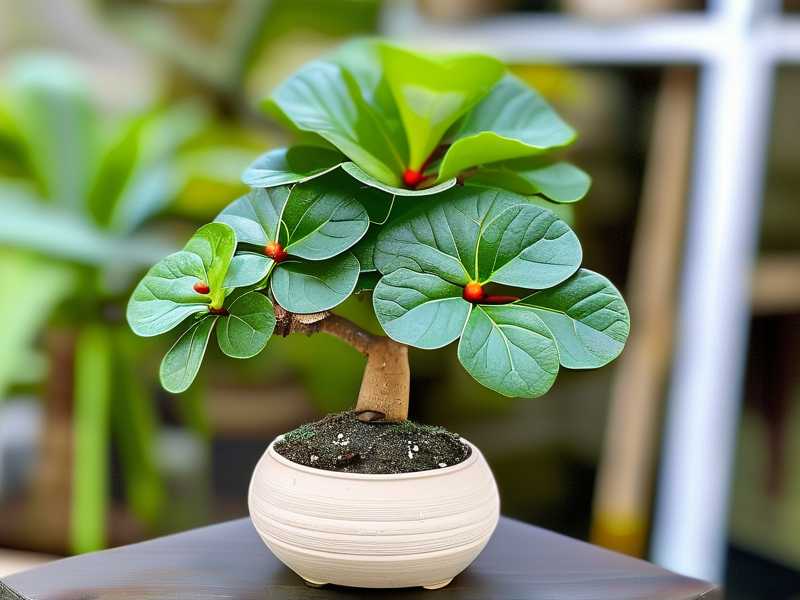
Incorporating Epsom salt into your plant care regimen can be a simple yet powerful way to support your money tree’s health. By observing your plant’s specific needs, applying a properly diluted solution on a sensible schedule, and maintaining a balanced overall care routine, you provide the foundational support for vibrant growth. Watch as your money tree responds with deeper green leaves and more vigorous growth, proving that sometimes, the simplest natural remedies are the most effective.