admin
admin How to Avoid Epsom Salt Overdose on a Money Tree: A Complete Safety Guide
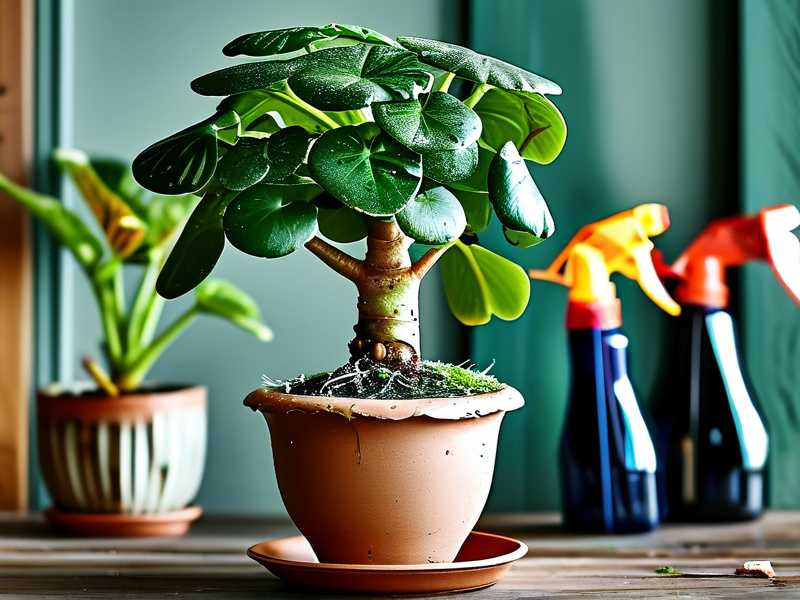
You’ve heard that Epsom salt can work wonders for your Money Tree, promoting lush, green growth and even encouraging flowering. Excited by the promise of a healthier plant, you mix up a solution and give your green friend a generous dose. But instead of thriving, you start to notice troubling signs: the tips of the leaves are turning brown, the soil looks crusty with white residue, and new growth seems stunted. This common scenario is a classic case of Epsom salt overdose, a well-intentioned mistake that can seriously harm your beloved plant.
Using Epsom salt, or magnesium sulfate, is not a "more is better" situation. While it can address specific nutrient deficiencies, improper use leads to salt buildup in the soil, which disrupts the plant’s ability to absorb water and other essential nutrients. This guide will walk you through exactly how to use Epsom salt safely, recognize the signs of trouble, and rescue your Money Tree if you’ve gone too far.
Understanding Epsom Salt and Your Money Tree’s Needs
Epsom salt is not a typical fertilizer. It does not contain the primary nutrients nitrogen, phosphorus, or potassium (N-P-K). Instead, it provides two secondary nutrients: magnesium and sulfur.
Magnesium is the central atom in the chlorophyll molecule, which is crucial for photosynthesis. A deficiency can lead to yellowing leaves, especially between the veins, while the veins themselves stay green—a condition known as interveinal chlorosis. Sulfur is a building block for amino acids and vitamins, aiding in overall plant vigor and enzyme function.
However, Money Trees (Pachira aquatica) are not heavy feeders of magnesium. They are generally resilient, low-maintenance plants. Applying Epsom salt without a confirmed deficiency is the first step toward potential overdose. As noted by horticulturist Dr. Linda Chalker-Scott in her work on garden myths, "The indiscriminate use of Epsom salts is a waste of resources and can contribute to soil nutrient imbalances."
The Clear Signs of Epsom Salt Overdose
Recognizing the symptoms early is key to saving your plant. An overdose doesn’t happen overnight from a single application; it’s typically the result of repeated, unnecessary use.
Visible Symptoms on Leaves and Soil:
- Leaf Tip Burn and Browning: The edges and tips of the leaves may turn crispy and brown. This is a direct result of salt stress.
- White Crust on Soil Surface: A clear indicator of salt buildup is a white or yellowish crystalline crust on the top of the soil.
- Leaf Yellowing and Drop: Ironically, similar to a deficiency, overdose can cause general yellowing and premature leaf drop as root function is impaired.
- Stunted Growth: The plant may stop putting out new stems or leaves as it struggles with root damage and nutrient lockout.
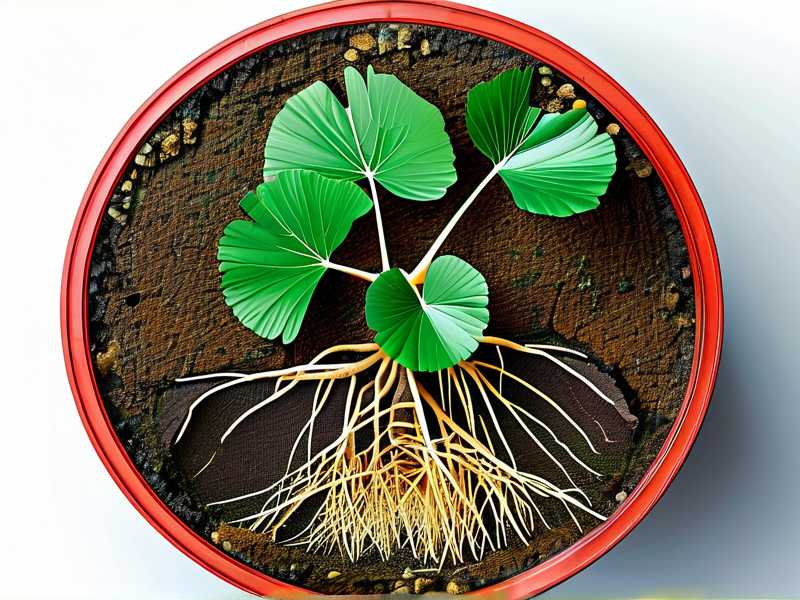
Root and Soil Health Impact: The unseen damage is below the surface. Excess salts in the soil create a hostile environment for roots. They can actually draw water out of the root cells through osmosis, leading to dehydration even in moist soil—a condition called physiological drought. This also locks up other crucial nutrients like calcium and potassium, making them unavailable to the plant.
The Safe Application Protocol: Less is More
The golden rule for using Epsom salt on a Money Tree is to only use it if a magnesium deficiency is suspected and to always err on the side of dilution.
Step 1: Confirm the Need Before you mix anything, ensure your Money Tree actually needs magnesium. Check that yellowing leaves follow the pattern of interveinal chlorosis. Rule out more common issues first: overwatering, inadequate light, or a need for a balanced fertilizer.
Step 2: Dilution is the Solution Never use Epsom salt crystals directly on the soil. Always dissolve them in water.
- Standard Safe Dilution: 1 tablespoon of Epsom salt per gallon of water. This is a conservative, widely recommended strength.
- For Foliar Spray (Applying to Leaves): Use an even weaker solution of 1 teaspoon per gallon. Spray lightly on the leaves early in the morning.
Step 3: Frequency and Method
- Application Method: Water the soil at the base of the plant with your diluted solution until it runs out of the drainage holes. This ensures even distribution.
- Application Frequency: This is a treatment, not a regular regimen. Apply once a month at most, and only for 2-3 applications. Observe the plant’s response. If you see improvement, stop and revert to normal care with a balanced fertilizer.
Rescuing a Money Tree from Epsom Salt Overdose
If you suspect an overdose, immediate action is required to flush out the excess salts.
The Soil Flush Technique:
- Take your Money Tree to a sink, bathtub, or outdoor space.
- Slowly pour a large volume of lukewarm, distilled, or filtered water through the soil. Use at least 3-4 times the volume of the pot. For example, for a 1-gallon pot, use 3-4 gallons of water.
- Allow the water to flow freely out of the drainage holes for several minutes. This process, called leaching, will help dissolve and wash away the accumulated salts.
- Let the plant drain thoroughly. Do not let it sit in a saucer of water.
Post-Flush Care:
- Hold Off on Fertilizer: Do not fertilize for at least 6-8 weeks after flushing. The plant needs to recover.
- Ensure Proper Light: Place it in bright, indirect light to support recovery through photosynthesis.
- Water Normally: Resume a normal watering routine only when the top 1-2 inches of soil are dry.
Preventative Practices for Long-Term Health
The best way to avoid an overdose is to focus on holistic, preventative care.
Stick to a Balanced Fertilizer: A liquid houseplant fertilizer with a balanced ratio (like 10-10-10 or 20-20-20) used at half-strength during the growing season (spring and summer) is far safer and more effective for your Money Tree than sporadic Epsom salt treatments. This provides all nutrients in proportion.
Regular Soil Refreshment: Repot your Money Tree every 2-3 years with fresh, high-quality potting mix. This naturally replenishes nutrients and prevents the accumulation of any salts or minerals.
Water with Quality Water: If your tap water is very hard (mineral-rich), using distilled, rainwater, or filtered water can prevent slow, gradual salt buildup from calcium and magnesium carbonates over time.
Frequently Asked Questions
Can I use Epsom salt on my Money Tree to encourage blooming? While magnesium can support overall plant health, Money Trees bloom rarely indoors and are not induced to flower by Epsom salt. Focusing on optimal light, maturity, and slight root-bound conditions is more effective for potential blooming. Using Epsom salt for this purpose often leads to unnecessary application.
How often should I give my Money Tree Epsom salt? You should not give your Money Tree Epsom salt on a schedule. It should only be used as a corrective treatment for a diagnosed magnesium deficiency. For almost all healthy Money Trees, the answer is never. Regular feeding with a diluted, balanced fertilizer is the correct routine.
Are the symptoms of overwatering and Epsom salt overdose similar? Yes, they can be very similar—both can cause yellowing leaves and leaf drop. This is why diagnosis is critical. Check the soil moisture first. If the soil is consistently soggy, it’s likely overwatering. If the soil has a white crust and you have a history of using supplements, consider overdose. Often, the best first step is to let the soil dry out more than usual and observe.
A thriving Money Tree is the result of consistent, attentive care rather than quick fixes. While Epsom salt has its place in gardening, its role for your indoor Money Tree is extremely limited. By understanding the specific needs of your plant, recognizing that more supplements are not the answer to general health, and prioritizing balanced nutrition through proper fertilizer and fresh soil, you can avoid the pitfalls of overdose entirely. Remember, the path to a lush, vibrant Money Tree is built on the fundamentals of correct light, careful watering, and moderated feeding. When in doubt, less intervention is almost always the safer choice for this resilient and forgiving plant.