admin
admin How to Care for a Money Tree in a Low-Humidity Office
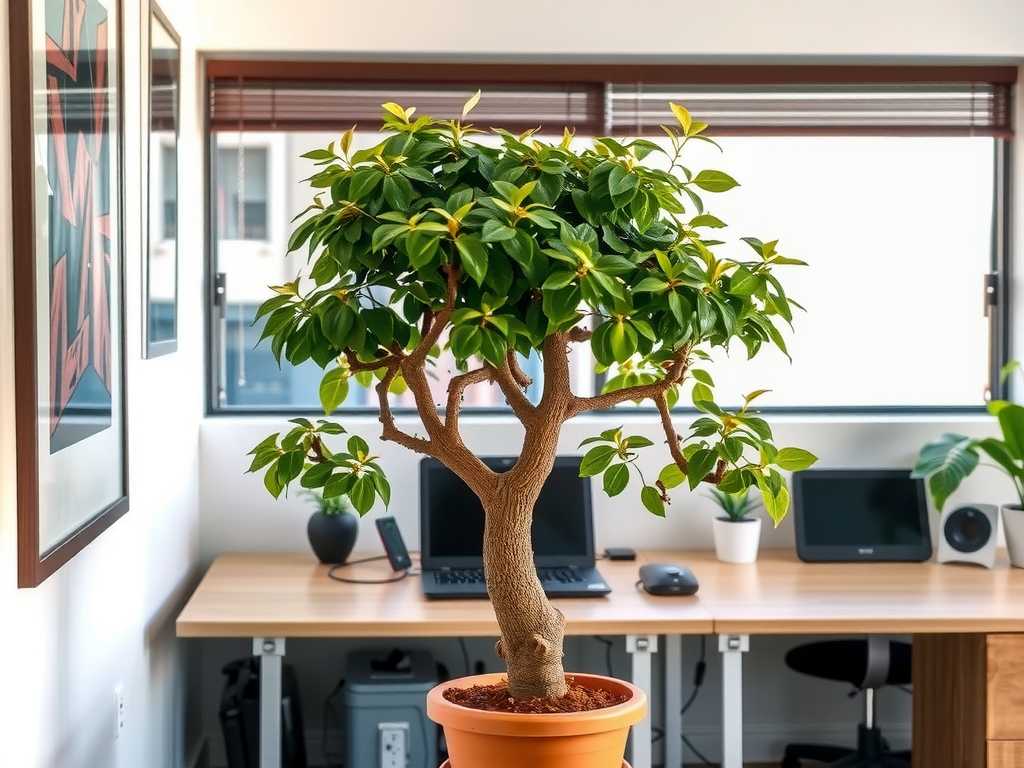
Does your office money tree look more like a "worry tree"? Are you seeing crispy brown leaf tips, drooping leaves, or even leaf drop? You're not alone. The modern office environment, with its dry, climate-controlled air, is a far cry from the tropical origins of the popular Money Tree (Pachira aquatica). How to care for a Money Tree in a low-humidity office is a common challenge for plant lovers trying to bring life to their workspace. Low humidity is the silent culprit behind many common Money Tree problems. But don't worry—with the right knowledge and a few simple adjustments, you can help your green colleague not just survive, but thrive. This guide will walk you through practical, office-friendly solutions.
Understanding Your Money Tree's Needs
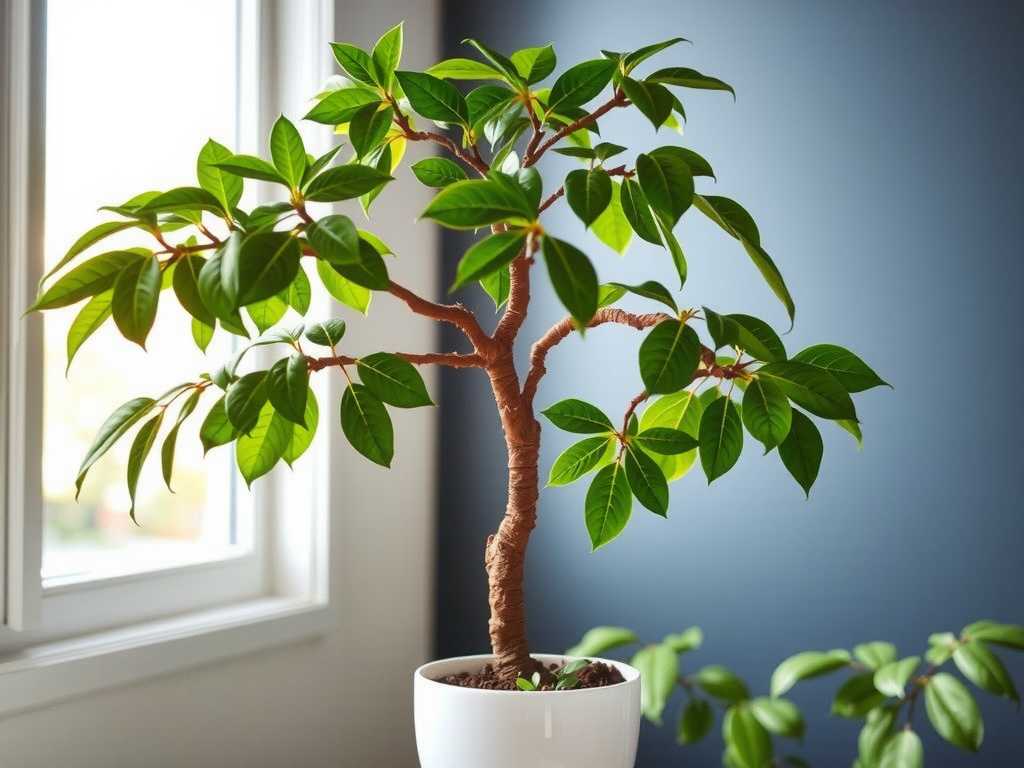
Native to Central and South American wetlands, the Money Tree is accustomed to warm, humid air. Humidity, the amount of moisture in the air, is crucial for its health. Leaves lose water through tiny pores in a process called transpiration. In a humid environment, this loss is slow. In a dry office, water evaporates from the leaves much faster than the roots can absorb it, leading to stress and the tell-tale signs of dehydration.
Signs Your Money Tree is Suffering from Low Humidity
Before we fix the problem, let's confirm it. Look for these key indicators:
- Brown, Crispy Leaf Edges and Tips: This is the most classic sign. The leaf tissue dries out and dies, starting at the extremities.
- Leaf Curling or Cupping: Leaves may curl inward in an attempt to reduce their surface area and conserve moisture.
- Yellowing Leaves, Often Followed by Drop: Chronic stress from dry air can cause older leaves to yellow and fall off.
- Stunted New Growth: If new leaves are small, slow to emerge, or look wrinkled, humidity is likely too low.
- Increased Pest Susceptibility: Stressed plants are more vulnerable to spider mites, which thrive in dry conditions.
Office-Friendly Strategies to Boost Humidity
You can't turn your entire office into a rainforest, but you can create a localized humid microclimate for your plant. Here are effective, desk-appropriate methods.
The Pebble Tray Method (Simple and Effective)
This is the most reliable passive technique. Take a shallow tray or saucer wider than your plant's pot. Fill it with a layer of clean pebbles or gravel, then add water until it's just below the top of the pebbles. Place your Money Tree pot on top. As the water evaporates, it increases the humidity directly around the foliage. Crucially, the pot sits above the water, preventing root rot. Remember to refill the tray as the water evaporates.
Strategic Grouping with Other Plants
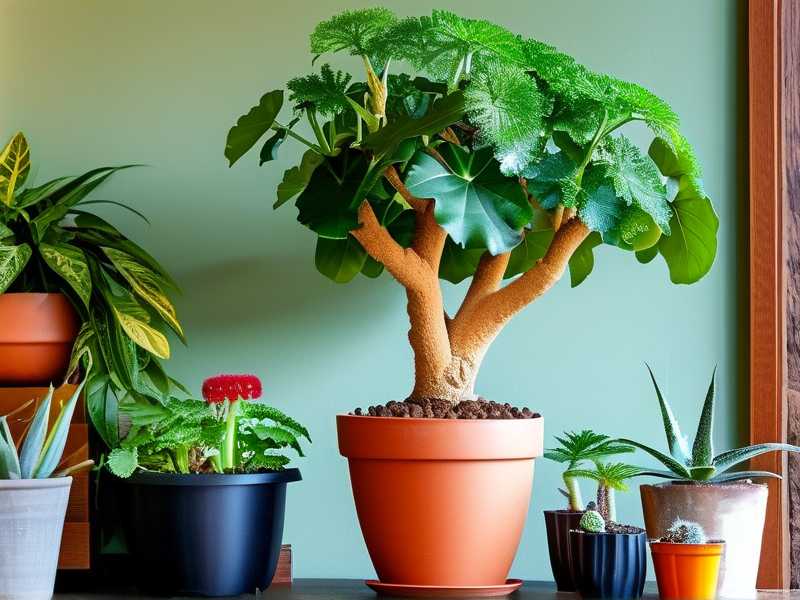
Create a mini oasis. Grouping several plants together is a smart way to maintain a healthy Money Tree in dry air. As all plants release moisture through transpiration, they collectively raise the humidity in their immediate vicinity. This community approach makes care more efficient and creates a beautiful green corner.
The Benefits of a Small Humidifier
For a significant and consistent boost, consider a small, quiet desktop humidifier. Place it near your plant grouping but not directly blowing on the leaves, as this can cause issues. According to horticulturist Jane Smith, "A humidifier is the single most effective tool for replicating tropical conditions in an arid space. For sensitive plants like the Money Tree, it can be the difference between languishing and flourishing." This method directly addresses the core environmental need.
Misting: A Temporary Relief (Use with Caution)
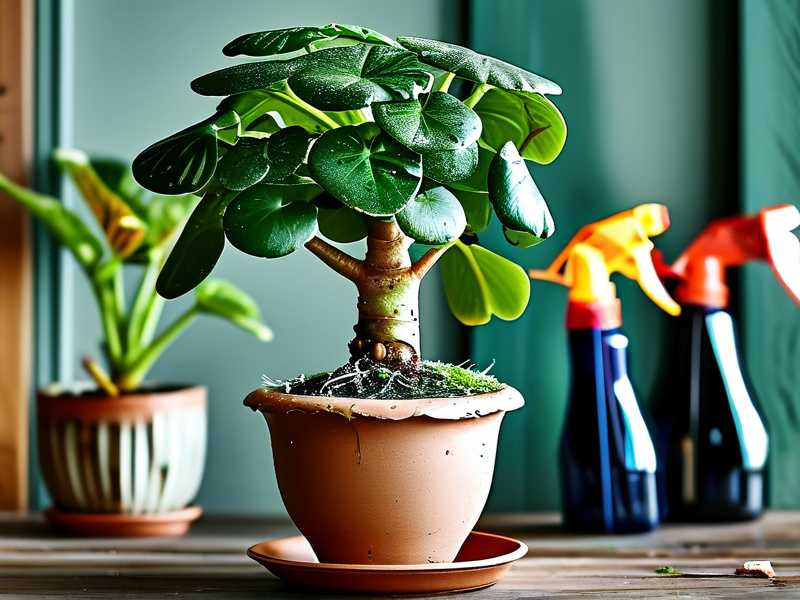
Lightly misting your Money Tree's leaves can provide a quick boost, but it's a temporary fix. The effect lasts only minutes. Over-misting can promote fungal diseases on leaves if they stay constantly wet. If you mist, do it in the morning with a fine spray so leaves dry quickly, and don't rely on it as your primary solution.
Complementary Care in Dry Conditions
Boosting humidity is the main event, but these supporting practices are essential for overall health.
Perfecting Your Watering Routine
Dry air doesn't always mean you need to water more frequently. In fact, overwatering is still a major risk. The key is to water a Money Tree in an arid office environment deeply but infrequently. Always check the soil first. Insert your finger about 2 inches deep. Water only when the top 1-2 inches of soil feel completely dry. When you water, do so thoroughly until water runs out of the drainage holes, ensuring the entire root ball is hydrated. Then, let it drain completely.
Choosing the Right Location
Placement is critical. Keep your plant away from direct heat sources like radiators, heating vents, and direct, hot afternoon sun from a window. These elements drastically accelerate moisture loss. Opt for a spot with bright, indirect light—near a north or east-facing window is often ideal.
Cleaning the Leaves
Dust buildup on leaves can clog pores and hinder the plant's ability to breathe and absorb light. Gently wipe the leaves with a damp, soft cloth every few weeks. This not only keeps your plant photosynthesizing efficiently but also helps it better utilize the ambient moisture.
When to Consider Repotting
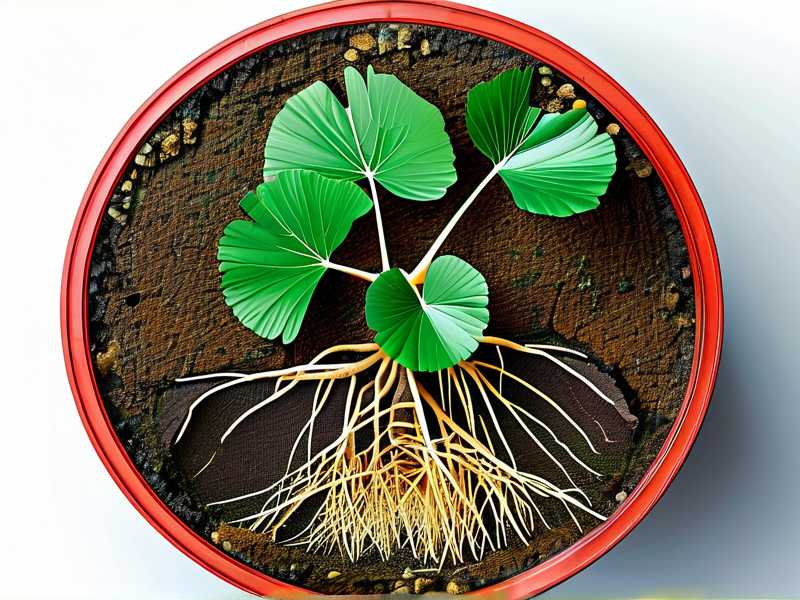
If your Money Tree is severely root-bound, it may struggle to take up enough water to compensate for the dry air. If you see roots circling the bottom of the pot or growing out of the drainage holes, it might be time to repot into a container one size larger with fresh, well-draining potting mix. This gives the roots more room to access water and nutrients.
My Money Tree has brown tips. Should I cut them off? Yes, you can. Use clean, sharp scissors to trim off the brown, crispy parts, following the natural shape of the leaf. This won't fix the underlying humidity issue, but it improves the plant's appearance and prevents energy waste on damaged tissue. Address the humidity to prevent new tips from browning.
How often should I water my Money Tree in a dry office? There's no universal schedule. The frequency depends on light, temperature, pot size, and soil. The "finger test" is your best guide. Check the soil weekly, and water only when the top 1-2 inches are dry. In most offices, this might mean watering every 1-2 weeks, but always let the soil condition be your cue.
Can I use a terrarium or cloche for my office Money Tree? For smaller Money Trees, a large, open terrarium or a glass cloche can create a perfect high-humidity environment. However, ensure there is some air circulation to prevent mold and rot, and be cautious of condensation magnifying sunlight and scorching leaves. It's a beautiful but high-maintenance option.
Caring for a Money Tree in a dry office is about becoming a thoughtful microclimate manager. By understanding that low humidity is the primary adversary, you can implement targeted solutions like the pebble tray or a small humidifier. Pair these with mindful watering and proper placement, and your resilient Money Tree will reward you with lush, green growth. It transforms from a struggling decor piece into a vibrant testament to your successful plant stewardship, bringing a much-needed touch of tranquil, tropical vitality to your daily work life.