admin
admin How to Care for a Money Tree in a High-Humidity Bathroom: A Complete Guide
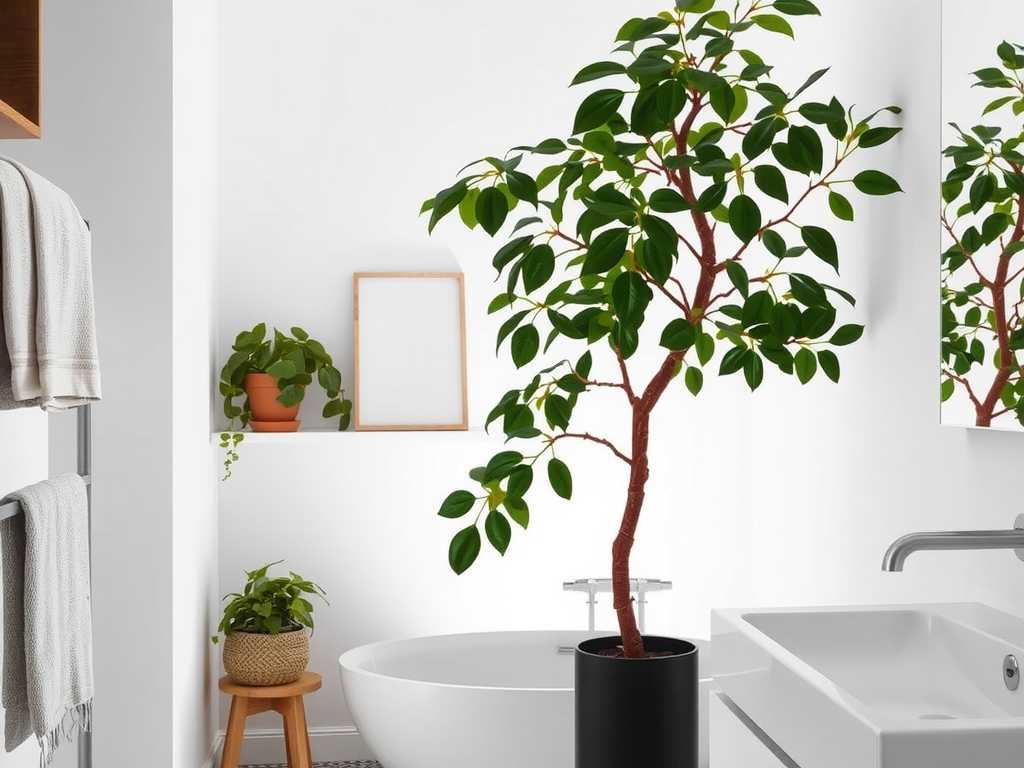
You love the lush, tropical look of a Money Tree (Pachira aquatica) in your bathroom. It adds a vibrant touch of greenery and fits perfectly with the serene spa-like aesthetic. But you’ve noticed its leaves turning yellow, or maybe the soil feels perpetually soggy. You’re left wondering: is my humid bathroom a paradise for this plant, or is it secretly causing harm? Caring for a Money Tree in a high-humidity bathroom presents unique challenges and opportunities. While the plant enjoys moisture in the air, the typically low-light, high-moisture environment requires specific adjustments to your care routine. This guide will walk you through every step to ensure your bathroom Money Tree not only survives but thrives.
Understanding Your Bathroom’s Microclimate

Before you adjust your care, you need to assess your bathroom’s specific conditions. Not all bathrooms are created equal.
Light is Your Top Priority The most common issue in bathrooms is insufficient light. Money Trees need bright, indirect light to flourish. A north or east-facing window is ideal. If your bathroom has no window or a frosted one, your plant will struggle. In low-light conditions, growth will stall, and the risk of overwatering increases dramatically. Consider supplementing with a grow light for 6-8 hours a day. A simple LED bulb placed a few feet above the plant can make all the difference.
Humidity: Friend and Foe Money Trees naturally enjoy humidity levels of 50% or higher—a condition many bathrooms provide effortlessly. This is a significant advantage, as it reduces the need for frequent misting and prevents leaf tips from browning. However, when combined with lower light and cooler temperatures, consistently high humidity can slow down the soil’s drying process and encourage fungal growth. The key is leveraging the humidity benefit while mitigating its risks through proper watering and air circulation.
Temperature and Airflow Bathrooms experience temperature fluctuations from showers and baths. Money Trees prefer stable temperatures between 65°F and 80°F (18°C - 27°C). Avoid placing your plant directly next to a heating vent or a cold draft from a window. Furthermore, stagnant, moist air is a breeding ground for pests and disease. After a hot shower, crack a door or turn on an exhaust fan. Gentle air movement helps strengthen the plant’s stems and keeps the environment healthy.
The Essential Care Routine for a Bathroom Money Tree
Mastering the following four pillars of care will transform your bathroom into the perfect home for your Money Tree.
-
The Art of Watering in a Humid Environment This is the most critical adjustment. The “high-humidity bathroom” environment means the soil will retain moisture much longer than in a dry living room.
- The Golden Rule: Always check the soil before watering. Insert your finger about 2-3 inches into the potting mix. If it feels dry, it’s time to water. If it’s still moist, wait.
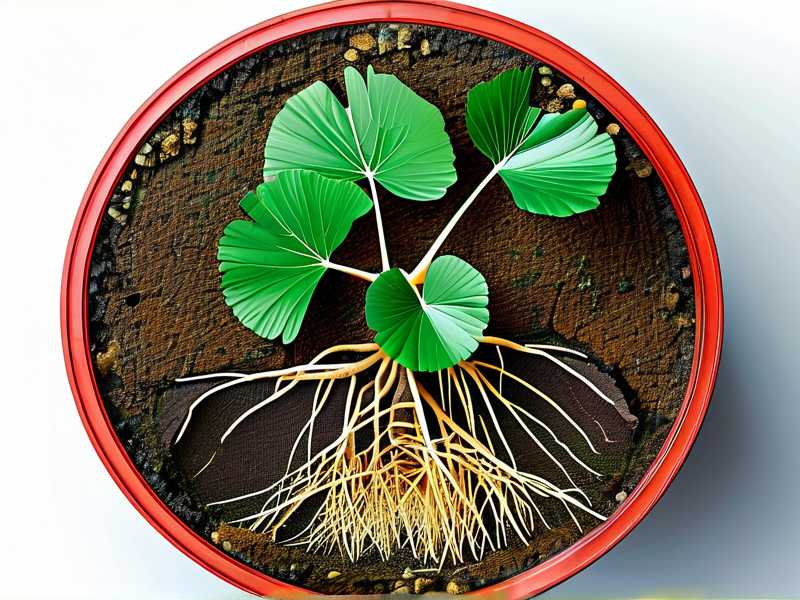
- Water Thoroughly but Infrequently: When you water, do so deeply until water runs freely from the drainage holes. This ensures the entire root ball is hydrated. Then, allow all excess water to drain away completely. Never let the plant sit in a saucer of standing water.
- Seasonal Adjustments: In winter or in a particularly dark bathroom, your Money Tree may enter a dormant period and require watering only once every 3-4 weeks. As horticulturist Jane Smith notes, “Overwatering is a function of frequency, not volume. In humid, low-light settings, the interval between waterings is the key to success.”
-
Choosing the Right Soil and Pot The right foundation is non-negotiable for preventing root rot.
- Soil Mix: Use a well-draining, peat-based potting mix. To enhance drainage further, amend it with 20-30% perlite or orchid bark. This creates air pockets in the soil, allowing roots to breathe even in a moist environment.
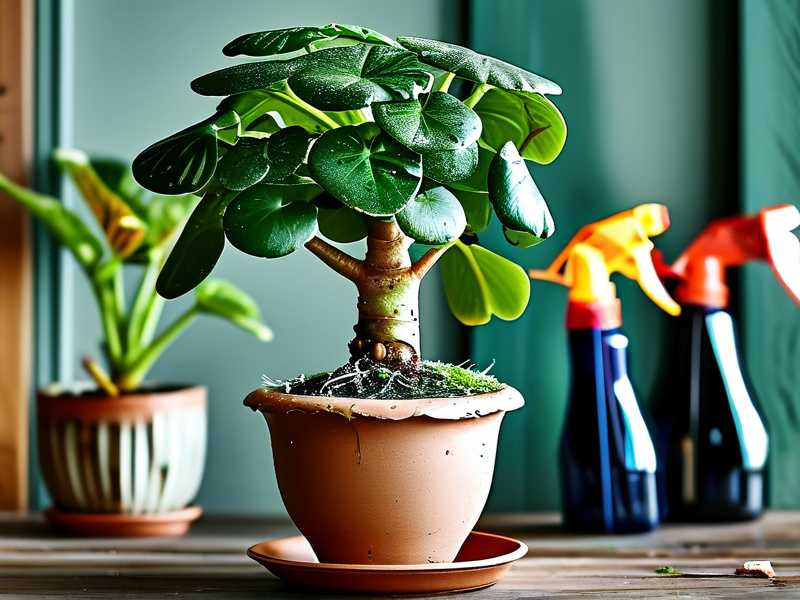
- Pot Selection: Always use a pot with multiple drainage holes. Terracotta pots are an excellent choice for bathroom Money Trees because they are porous, allowing the soil to dry out more evenly from the sides. Ensure the pot is not excessively large; too much soil holds too much water for the roots to absorb.
-
Fertilizing for Balanced Growth Plants in lower light conditions require less fertilizer.
- Schedule: Feed your Money Tree with a balanced, water-soluble fertilizer (e.g., 10-10-10 or 20-20-20) diluted to half strength. Apply this only during the active growing season (spring and summer), no more than once a month.
- A Word of Caution: Do not fertilize in fall and winter. The plant’s reduced growth cannot utilize the nutrients, which can then build up and harm the roots. In a high-humidity, lower-light bathroom, less is always more when it comes to fertilizer.
-
Pruning, Cleaning, and Pest Prevention Regular maintenance keeps your plant attractive and healthy.
- Pruning: Trim any yellow or brown leaves at the stem using clean, sharp scissors. To encourage a bushier shape, you can make a clean cut just above a leaf node. Regularly remove dead foliage to prevent mold.
- Cleaning Leaves: Dust and mineral deposits from shower steam can clog the plant’s pores. Wipe the leaves gently every few weeks with a damp, soft cloth. This allows the plant to breathe and photosynthesize efficiently.
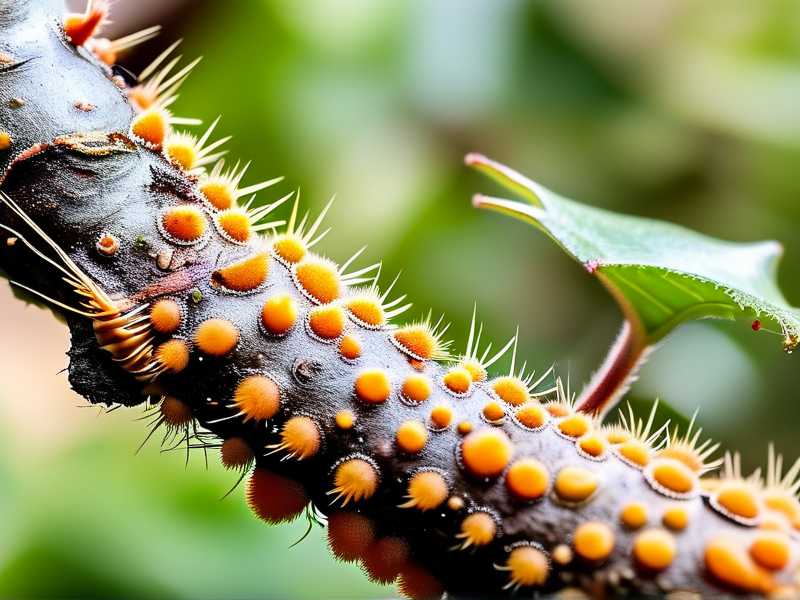
- Pest Vigilance: While the humidity deters spider mites, it can encourage pests like fungus gnats (which thrive in moist soil) or scale. Letting the soil surface dry out between waterings deters gnats. For scale, wipe leaves with a neem oil solution. Good airflow is your best preventative measure.
Troubleshooting Common Problems
- Yellowing Leaves: This is most often a sign of overwatering. Check your soil moisture and watering frequency. In rare cases, it can indicate a need for fertilizer.
- Brown, Crispy Leaf Tips: Surprisingly, this can still occur in humidity if the roots are damaged from overwatering and cannot uptake water. It can also be caused by chemical sensitivity; try using filtered or distilled water for watering.
- Leaf Drop: Sudden leaf loss is typically a reaction to a drastic change—a temperature draft, a severe under-watering event, or being moved to a much darker spot.
- Mold on Soil Surface: A white, fuzzy mold indicates overly moist conditions and poor air circulation. Scoop off the top layer of soil, replace it with fresh mix, and increase airflow. Water less frequently.
Frequently Asked Questions
Can a Money Tree live in a bathroom with no windows? It is very challenging. Without any natural light, the plant will eventually decline. Supplemental grow lighting is absolutely essential for long-term survival in a windowless bathroom.
How often should I water my Money Tree in a humid bathroom? There is no universal schedule. It could be every 10 days in a bright, warm bathroom or every 25 days in a cool, dark one. Always, without exception, let the soil’s dryness be your guide rather than the calendar.
Why are the leaves on my bathroom Money Tree turning yellow even though I rarely water it? If the soil is consistently wet for weeks, “rarely watering” might still be too often for the conditions. Check that your pot has adequate drainage and that the soil mix is fast-draining. The problem is likely persistent moisture around the roots.
Caring for a Money Tree in a high-humidity bathroom is about achieving balance. You have a head start with the ambient moisture the plant craves. By prioritizing bright, indirect light, mastering a disciplined watering routine based on soil dryness, and ensuring excellent drainage and airflow, you can create an ideal microclimate. Your Money Tree will reward you with resilient growth, glossy green leaves, and that perfect touch of jungle-like tranquility for your daily routine. Pay attention to its signals, adjust your care with the seasons, and enjoy this beautiful, low-maintenance companion in your personal oasis.