admin
admin How to Prevent Leaf Spot Fungus on a High-Humidity Bathroom Money Tree
If you keep a money tree in your bathroom and you're starting to see brown or black spots on the leaves, here's the short answer: stop misting it, drop the humidity to around 50-60%, water only when the top two inches of soil are dry, and get some airflow moving. That's it. That's how to prevent leaf spot fungus on a high-humidity-bathroom money tree in a nutshell. I learned this the hard way after killing two money trees in my own bathroom before I figured out what was actually going wrong. And here's the stat that changed how I think about all of this: 90% of indoor plants die from overwatering. Not underwatering. Not bad luck. Overwatering. Once I wrapped my head around that number, everything about leaf spot prevention started making sense.
I've been growing money trees (Pachira aquatica) for about six years now. The first one lived on my bathroom windowsill for three months before the leaves started looking like someone flicked mud at them. I didn't think much of it at first. Then the spots spread, the leaves yellowed, and eventually the whole thing dropped every single leaf. I was gutted. I bought a second one, put it in the same spot, and watched history repeat itself about eight weeks later. That's when I finally sat down and actually researched what was happening instead of just hoping for the best.
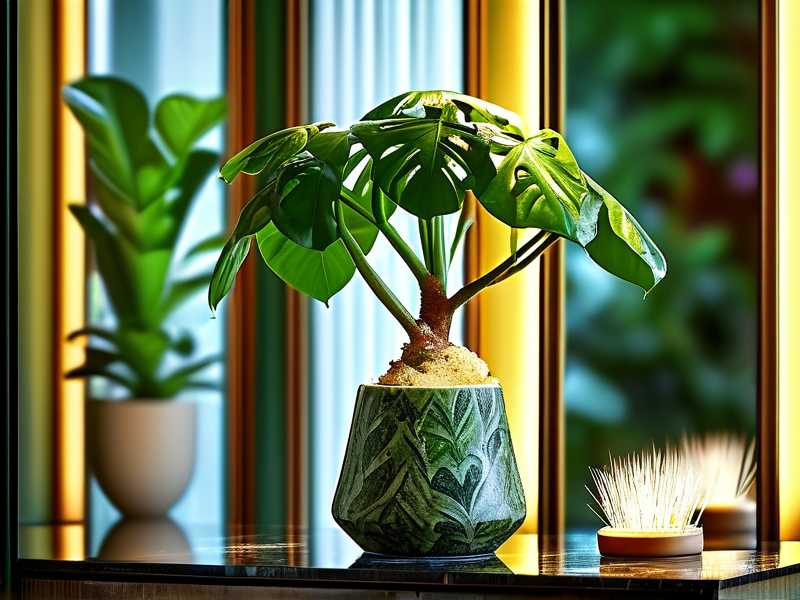
What I found was that bathroom environments are basically a petri dish for fungal problems if you're not careful. The humidity feels nice for tropical plants on paper, but the reality is way more complicated. Leaf spot fungus thrives when moisture sits on leaves for extended periods, when air doesn't move, and when the soil stays consistently wet. My bathroom had all three problems, and I was making it worse without even realizing it.
The Three Mistakes That Almost Made Me Give Up on Money Trees
I want to be upfront about the mistakes I made because I think most people make at least one of them. Honestly, I made all three simultaneously and didn't figure it out until I'd already lost two plants.
Mistake One: Watering on a Schedule Instead of Checking the Soil
I used to water my money tree every Sunday like clockwork. I thought I was being consistent and responsible. What I was actually doing was drowning the roots in a bathroom that already had high ambient moisture. The soil never had a chance to dry out properly. Money trees store water in their trunks, and they genuinely don't need as much as most people think. If the soil feels even slightly damp two inches down, you should wait. I know it's tempting to water because you feel like you're doing something helpful, but trust me on this one, patience is the move.
Mistake Two: Putting It in the Wrong Light
My first money tree was in a bathroom with a small frosted window that got maybe an hour of indirect light per day. I told myself it was fine because money trees are "low light" plants. That's only half true. They tolerate lower light, but they don't thrive in it. Weak light means slower growth, weaker immune response, and more susceptibility to fungal issues. When I moved my third money tree to a spot with bright, indirect light (about six feet from a south-facing window), the difference was noticeable within two weeks. The leaves were firmer, the color was richer, and new growth actually appeared instead of just maintaining the status quo.
Mistake Three: Using a Decorative Pot With No Drainage
This one still makes me cringe. My first money tree was in this gorgeous ceramic pot with no drainage holes. I thought it looked nice and didn't think about what happened to excess water. It just sat there at the bottom, creating a permanently soggy root zone. Fungal spores love that environment. Once I switched to a nursery pot with drainage holes sitting inside a slightly larger decorative pot, I could actually water properly and let the excess drain away. Such a simple fix, but it made a huge difference.
What I Actually Did to Fix the Problem
After losing those first two trees, I bought a third one and committed to doing things differently. Here's my exact process and what I observed over a two-week period.
Step One: I Removed All Affected Leaves Immediately
The new tree had a couple of small spots on the lower leaves when I brought it home. I sterilized a pair of scissors with rubbing alcohol and cut those leaves off at the base of the stem. I didn't compost them. I threw them straight in the trash because fungal spores can spread. This felt drastic at the time, but it's the right call. If you leave infected leaves on the plant, you're basically giving the fungus a launchpad.
Step Two: I Stopped Misting Completely
I used to mist my money tree daily because I read somewhere that tropical plants love humidity. What I didn't realize is that misting creates a film of moisture on the leaves that takes a while to evaporate, especially in a bathroom with poor airflow. That moisture film is exactly where leaf spot fungus spores germinate. So I stopped. Completely. And I haven't misted a money tree since. The bathroom already provides ambient humidity, which is actually enough.
Step Three: I Improved Airflow
I cracked the bathroom window for about 30 minutes each morning, even in winter. I also placed a small clip-on fan on the counter, set to the lowest speed, pointing slightly away from the plant so it just kept the air moving without blasting the leaves. Within a few days, I noticed the soil surface was drying out more evenly instead of staying damp for a week.
Step Four: I Adjusted My Watering Routine
I started checking the soil with a wooden chopstick. I'd stick it down about three inches and pull it out. If it came out clean, I watered. If it came out with soil clinging to it, I waited. This is honestly the simplest moisture meter you'll ever own and it costs nothing if you already have chopsticks in a kitchen drawer. My money tree now gets watered roughly every 10 to 14 days in the bathroom, depending on the season.
What I Noticed After Two Weeks
By day five, the remaining leaves looked less stressed. The yellowing on a couple of mid-level leaves stopped progressing. By day ten, I spotted a tiny new shoot emerging near the top. By day fourteen, that shoot had unfurled into a small, healthy leaf with no spots. I also noticed the soil was drying out more consistently, which told me the airflow changes were working. The bathroom humidity stayed around 55% according to a cheap hygrometer I picked up, which seems to be the sweet spot for money trees in this kind of environment.
The RHS actually notes that most houseplant fungal issues are preventable with proper watering and airflow, which lines up exactly with what I experienced. You can find their general houseplant guidance at the Royal Horticultural Society if you want to dig deeper into the science. The American Horticultural Society also has solid resources on indoor plant care that are worth bookmarking.
Understanding Leaf Spot Fungus in Bathroom Environments
Leaf spot fungus isn't one specific organism. It's a broad category of fungal pathogens that cause discolored lesions on leaves. The most common ones affecting money trees indoors include species of Colletotrichum, Phyllosticta, and sometimes Pestalotiopsis. These fungi spread through spores that land on wet leaf surfaces and germinate when conditions are right. And by "right," I mean warm, humid, and stagnant. That's basically every bathroom that doesn't have a window or exhaust fan running regularly.
The tricky part is that early signs are easy to miss. You might see a tiny brown speck and think it's just a bit of dirt or a minor bruise. But over a few days, that speck grows into a larger lesion, often with a dark border and a lighter center. If you look closely, you might see tiny black dots inside the lesion, which are the fungal fruiting bodies. Once you see those, the infection is established and you need to act fast.
Prevention is honestly way easier than treatment. And it all comes down to four things: moisture management, airflow, light, and soil hygiene.
Moisture Management: The Single Most Important Factor
I can't overstate this. Leaf spot fungus needs moisture on the leaf surface to infect. If you keep the leaves dry, you remove the infection pathway. In a bathroom, this means a few things.
Don't mist. I already said this, but it bears repeating. Misting is the number one thing I see people do that leads to fungal problems. Unless you have a plant that genuinely requires foliar feeding (and money trees don't), skip it.
Water at the soil level. Pour water directly onto the soil, not over the leaves. If you splash water on the foliage by accident, gently blot it dry with a paper towel.
Keep the soil surface dry between waterings. This reduces the humidity right around the base of the plant, which is where spores often land first.
Run your exhaust fan. If your bathroom has one, use it every time you shower. If it doesn't, open a window. Even 15 minutes of ventilation makes a measurable difference.
Airflow: The Unsung Hero of Indoor Plant Care
I used to think airflow was one of those things that only mattered in greenhouses. It doesn't. It matters everywhere. Moving air prevents moisture from sitting on leaf surfaces, it helps soil dry out evenly, and it reduces the concentration of fungal spores around the plant.
In a bathroom, airflow is usually poor because these spaces are designed to be enclosed. So you have to create it artificially. A small fan on low speed is enough. You don't want a wind tunnel. Just gentle movement.
I also found that spacing my plants apart helped. I used to cluster them together on the counter because it looked nice. But clustering reduces airflow between plants and increases the chance of cross-contamination if one gets infected. Now I keep at least a foot of space between my bathroom plants.
Light: Not Just About Growth
Bright, indirect light does more than help your money tree grow. It also helps it fight off infections. Plants that get adequate light have stronger cell walls and better immune responses. They're just more resilient.
In a bathroom, light is often limited. If your bathroom has no window, you're going to struggle to keep a money tree healthy long-term. I'm not saying it's impossible, but you'll need a grow light. A simple LED grow bulb in a regular fixture can work wonders. I use one in my windowless bathroom for a pothos, and it's been thriving for over a year.
If you do have a window, aim for bright, indirect light. That means the plant should be close enough to the window to benefit from the light but not so close that direct sun hits the leaves. Direct sun can scorch money tree leaves, which creates wounds that fungal spores can exploit.
Soil Hygiene: Don't Overlook This
I used to reuse potting soil without thinking about it. Not anymore. Fungal spores can survive in old soil for months. If you're repotting a plant that had leaf spot, use fresh, sterile potting mix. And clean the pot thoroughly with hot soapy water before reusing it.
I also top-dress my money tree soil with a thin layer of dry perlite or small pebbles. This keeps the soil surface dry and makes it harder for spores to splash up from the soil onto the lower leaves during watering.
What About Treatment If You Already Have Leaf Spot?
If you're past the prevention stage and you're already dealing with spots, here's what I'd do.
First, isolate the plant from any others. Fungal spores spread easily.
Second, remove all affected leaves with sterilized scissors. Cut them off at the stem. Don't just pull them off, because that can leave a wound that invites more infection.
Third, treat the remaining foliage with a fungicide. I prefer a copper-based fungicide because it's effective against a broad range of fungal pathogens and it's relatively gentle on the plant. Neem oil can also work as a preventative, but it's less effective once an infection is established. Always follow the instructions on the label, and test on a small area first.
Fourth, adjust your care routine immediately. If you don't fix the underlying conditions, the fungus will come back. This means reducing humidity, improving airflow, and watering less.
I've had to do this once, and it took about three weeks to see real improvement. The plant lost a few more leaves before it stabilized, but it did recover. The key was consistency. I couldn't just treat it once and go back to my old habits.
Frequently Asked Questions
Can I keep a money tree in a bathroom without a window?
It's possible but challenging. You'd need a grow light and excellent airflow. Without natural light, the plant will be weaker and more prone to fungal issues. I'd recommend a pothos or snake plant for a windowless bathroom instead. Money trees really do better with some natural light.
How often should I water a money tree in a bathroom?
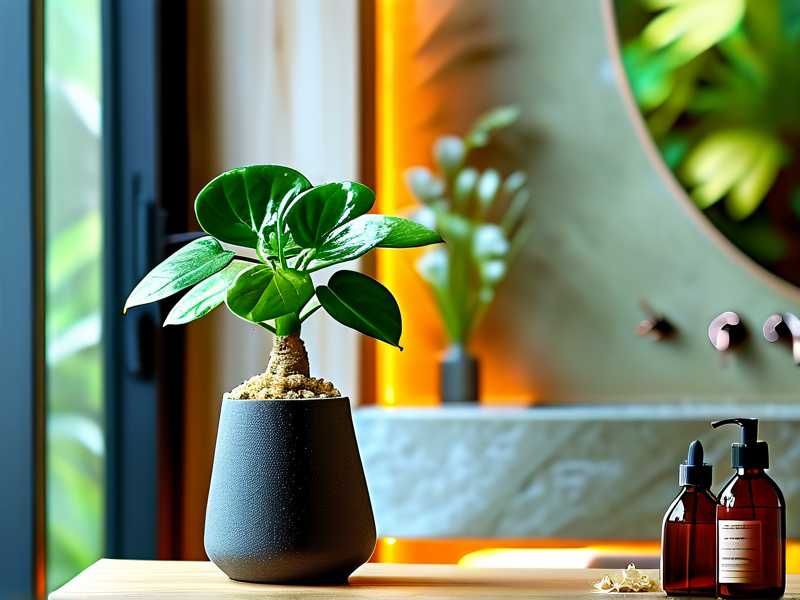
Less often than you think. I water mine every 10 to 14 days in the bathroom, but it depends on your specific conditions. Always check the soil first. If it's damp two inches down, wait. Overwatering is the number one killer of money trees, especially in humid spaces.
Is leaf spot fungus dangerous to humans or pets?
The fungus itself isn't typically dangerous to humans or pets. It's a plant pathogen, not a human one. However, some people can have allergic reactions to mold and fungal spores, so if you're sensitive, it's worth wearing a mask when you're cleaning up affected leaves. And as always, keep pets from chewing on treated leaves, especially if you've applied fungicide.
What's the best way to prevent leaf spot from coming back?
Consistency is everything. Keep the leaves dry, maintain good airflow, water only when the soil is dry, and give the plant enough light. I also recommend a monthly preventative spray with neem oil during the warmer months, when fungal issues tend to peak. It's not a guarantee, but it tips the odds in your favor.
Let me wrap this up with the thing I wish someone had told me years ago: your bathroom doesn't have to be a death sentence for a money tree. It can actually be a great spot if you manage it properly. The key is understanding that humidity is a double-edged sword. It helps the plant, but it also helps the fungus. Your job is to find the balance. Keep the leaves dry, keep the air moving, and don't love your plant to death with the watering can. Do that, and you'll have a healthy, spot-free money tree that actually thrives in your bathroom instead of just surviving until the next infection.