admin
admin How to Save a Money Tree When Fungus Enters Gnat-Larva-Made Wounds
If you have fungus gnat larvae chewing tiny wounds into your money tree's stems and roots, and now a fungus infection is spreading through those same open wounds, you need to act fast. The short answer: stop watering immediately, isolate the plant, let the top two inches of soil dry out completely, treat the soil with a hydrogen peroxide drench, and remove any mushy or blackened tissue with sterilized scissors. I've saved three money trees this way after losing two to the exact same gnat-larva-plus-fungus combo. Here's exactly what I did, step by step, including the mistakes that cost me two plants before I figured it out.
Why Gnat Larvae and Fungus Team Up Against Your Money Tree
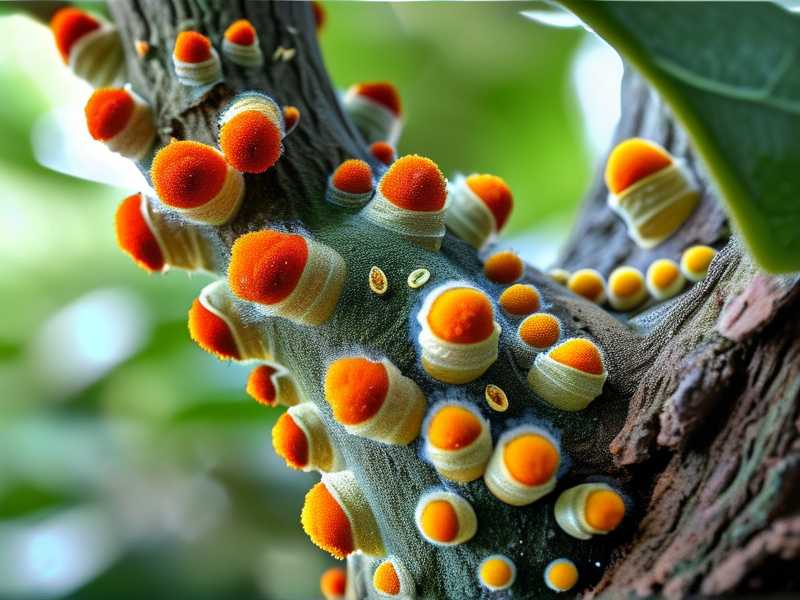
Fungus gnat larvae are tiny, clear-to-white worm-like creatures that live in the top layer of moist potting soil. They feed on fungi, decaying organic matter, and sometimes plant roots. When they chew into your money tree's tender stem base or surface roots, they leave microscopic open wounds.
Those wounds are basically an open door for fungal spores. And guess what? The same wet soil that attracts gnats is also the perfect environment for fungal growth. So you get a double problem: larvae creating wounds, fungus colonizing those wounds. That's why the damage spreads so fast.
According to the Royal Horticultural Society (RHS), fungus gnats thrive in consistently moist, organic-rich potting mixes, and their larvae can cause secondary infections when they feed on plant tissue. The American Horticultural Society (AHS) also notes that overwatered houseplants are far more susceptible to both pest and disease issues. I learned this the hard way.
My First Two Failures (So You Don't Repeat Them)
I killed my first money tree by doing nothing. I thought the little black flies were harmless. Two weeks later, the trunk was soft and dark near the soil line. Gone.
My second money tree died because I panicked and repotted it into a huge ceramic pot with fresh, wet soil. That just gave the gnats and fungus a bigger playground. I overcorrected. The plant never recovered.
By the third tree, I had a system. It worked. Here's what actually saved it.
The 2-Week Rescue Plan I Used on My Third Money Tree
Day 1: Stop Watering and Isolate
First thing: move the money tree away from your other plants. Gnats fly. Fungus spreads. Don't risk your whole collection. I put mine in a spare bathroom with a grow light.
Then stop watering. Not "water less." Stop entirely. You want the top two inches of soil to go completely dry. This alone kills a huge chunk of gnat larvae because they need moisture to survive.
Day 1: Hydrogen Peroxide Soil Drench
Mix one part 3% hydrogen peroxide with four parts distilled water. I used a quart of water total for a six-inch pot. Pour it slowly over the soil until it drains out the bottom. The peroxide kills larvae on contact and oxygenates the root zone, which helps fight anaerobic fungal growth.
Don't do this more than once every five days. I tried doing it every other day on my second plant and burned the roots. Once every five days is plenty.
Day 2-3: Remove Damaged Tissue
Grab sterilized scissors or pruning shears. Wipe them with rubbing alcohol first. Look for soft, brown, or black spots on the trunk, stems, and any visible roots near the surface. Cut those areas away. If the trunk is mushy at the base, you might need to cut the whole plant back to healthy wood and try to re-root it.
I had to cut about an inch off the bottom of my third tree's trunk. It felt brutal. But the plant pushed out new growth from just above the cut within ten days.
Day 3-7: Let It Dry and Increase Airflow
Keep the soil dry. Point a small fan near the pot but not directly on the leaves. Fungus hates moving air. Gnats hate it too. I ran a cheap desk fan on low for six hours a day.
Also, stop using those yellow sticky traps only. They catch adults, but they don't touch larvae or fungus. I still use them, but they're a monitoring tool, not a cure.
Day 7: Second Peroxide Drench (If Needed)
If you still see gnats crawling on the soil or flying around, do a second peroxide drench on day seven. I didn't need a second one on my successful rescue, but I've used it since on a pothos with the same issue.
Day 10-14: Check for New Growth
This is the moment of truth. By day ten, my money tree had tiny new leaves unfurling. That told me the roots were still alive and the fungus wasn't winning. If you see yellowing leaves falling off, that's normal stress response. Don't panic. Look for new growth instead.
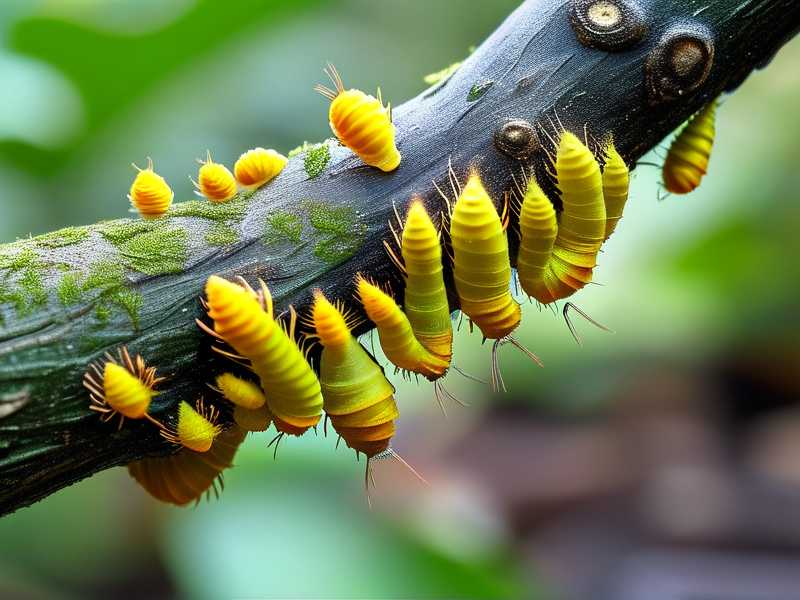
By week two, I had three new leaves and zero gnats. I resumed watering only when the top two inches were bone dry.
The Three Deadly Mistakes New Growers Make
Mistake 1: Overwatering
90% of indoor plants die from overwatering. That's not an exaggeration. I've killed more plants with kindness than neglect. Money trees store water in their trunks. They don't need constant moisture. Let them dry out between waterings.
Mistake 2: Wrong Light
Money trees want bright, indirect light. I put my first one in a dark corner because I read they tolerate low light. They survive low light, but they don't thrive. A stressed plant can't fight off fungus. Put yours near an east or north window, or use a grow light.
Mistake 3: Wrong Pot
Use a pot with drainage holes. Always. I tried a decorative ceramic pot without holes once. That's how I got my first gnat infestation. The soil stayed wet for weeks. Now I use terracotta or plastic nursery pots inside decorative cachepots, and I always empty the cachepot after watering.
What I Learned About Fungus and Gnat Larvae
Fungus gnats don't create the fungus. They just create the wounds. The fungus was already there, waiting for wet conditions and open tissue. So your real job is two-fold: kill the larvae and dry out the fungus.
I also learned that cinnamon is not a cure. I sprinkled cinnamon on the soil after reading about it online. It did nothing. Save your spice rack.
Neem oil helps with adults but not deeply buried larvae. I use it as a preventive spray on leaves, not as a soil drench.
The one thing that actually worked reliably was the peroxide drench plus drying out the soil plus removing infected tissue. That trio saved my tree. I've since used it on a rubber plant and a peace lily with similar success.
Frequently Asked Questions
Can my money tree recover if the trunk is already soft?
Sometimes, but only if you act immediately. Cut back to firm, green tissue and try to re-root the top in water or fresh soil. I've saved one this way. The success rate is low, but it's not zero.
How often should I water after treating for fungus and gnats?
Only when the top two inches of soil are completely dry. For a six-inch pot in normal indoor conditions, that's usually every ten to fourteen days. In winter, even less.
Will hydrogen peroxide hurt my money tree?
At a 1:4 ratio with water, no. It breaks down into water and oxygen. Just don't use it more than once every five days, and always use the 3% concentration, not the stronger stuff from the hardware store.
Final Thoughts
Saving a money tree from fungus after gnat larvae have opened wounds is absolutely possible. It takes fast action, dry soil, a peroxide drench, and a little tough love with the scissors. I lost two trees learning this. You don't have to. Start today, isolate the plant, and let that soil dry out. Your money tree will thank you with new leaves in about two weeks.