admin
admin How to Treat Fuzzy White Mold on Main-Trunk Money Tree Pruning Cuts
That fuzzy white mold on your money tree pruning cut is almost certainly a saprophytic fungus feeding on dead tissue, not a death sentence for the plant. In most cases you can fix it in two weeks by scraping the fuzz off, letting the wound callus over in dry air, and dialing back the moisture that let it grow in the first place. I have done this exact rescue on a Pachira aquatica that I nearly drowned, and it pulled through. Stick with me and I will walk you through what I did, step by step, including the mistakes that made it worse before it got better.
The short version: that white fuzz is a symptom, not the disease. The real problem is almost always too much water sitting around a fresh cut. Fix the moisture, and the mold stops coming back.
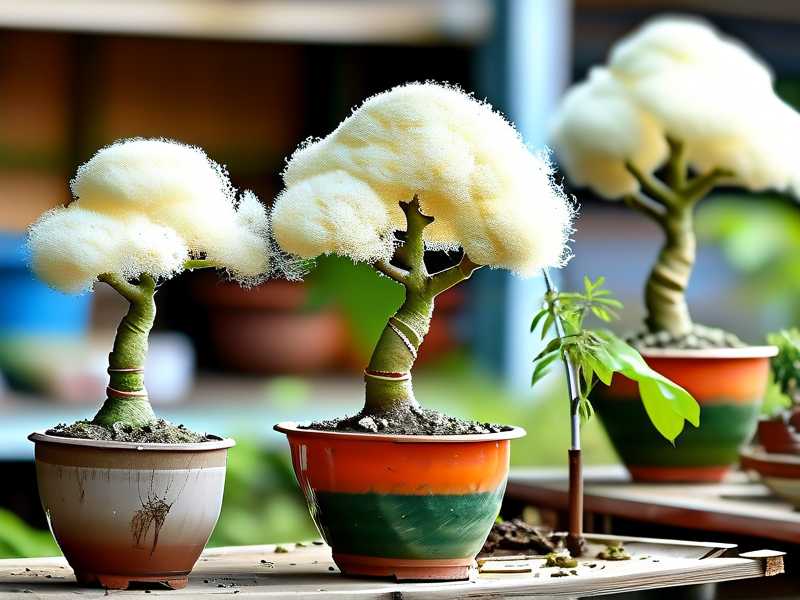
Why a money tree pruning cut grows white fuzz at all
Money trees bleed a lot when you cut them. That milky sap is sugary, and sugar plus damp air equals fungus food. If your home runs humid or the plant sits near a kitchen or bathroom, spores land on that wet sap and colonize it fast.
Something important here. The mold you see on the surface is usually a secondary colonizer. It shows up after the tissue underneath has already died or stayed wet too long. So scraping off the fuzz alone does not solve it. You have to change what keeps the cut wet.
I learned this the hard way. I once wiped the mold off a cut, felt proud, and watched it come back in four days. Nothing had actually changed.
What the fuzzy white mold actually is
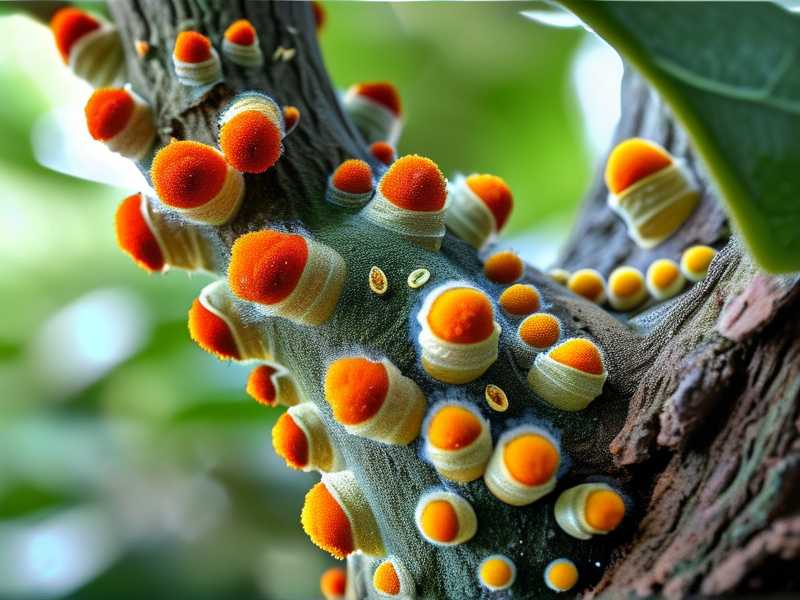
In my experience it is usually one of three things. Gray mold, also called Botrytis, looks soft and dusty and spreads fast in cool damp air. White powdery mildew shows up as a dry floury coating. And plain saprophytic mold is just fuzz growing on dead sap and tissue.
You do not need a lab to tell them apart. If the fuzz brushes off easily and the wood under it is firm and green or pale tan, you are fine. If the wood is soft, brown, and mushy, that is a bigger problem and you may need to cut lower.
Honestly, for a home grower the treatment barely changes. Dry the wound, improve airflow, and stop overwatering. That covers all three.
Let me name my two core focus phrases here so you know what I am solving. Fuzzy white mold on money tree pruning cuts, and how to save an overwatered money tree. Those are the two problems tangled together in almost every case I have seen.
My two-week rescue plan, step by step
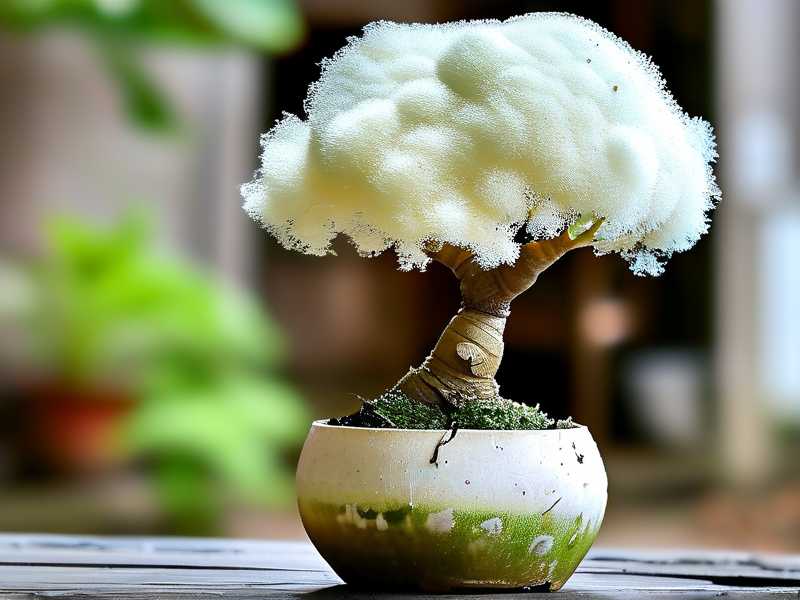
This is exactly what I did, and I tracked it for fourteen days. Follow it as written and adjust only the watering part to your own conditions.
Day 1: Isolate and assess
Move the plant away from other houseplants. Mold spreads by spores and you do not want it drifting onto a healthy fern or pothos.
Look closely at the cut. If the fuzz wipes off and the wood is firm underneath, you are in good shape. If the tissue is soft and dark, you will need to re-cut below the damage with clean shears.
Day 1: Remove the fuzz properly
Do not just brush it with your finger. You will spread spores everywhere. I use a cotton swab dipped in 70 percent isopropyl alcohol and roll it gently across the surface. Roll, do not wipe, so you lift the fuzz instead of smearing it.
Then let the cut air-dry. No plastic wrap. No humidity dome. No cinnamon, no toothpaste, none of the internet tricks. I tried cinnamon once out of desperation and it just made a sticky mess that held more moisture. Skip it.
Day 2 to 3: Fix the airflow
Put a small fan on low a few feet away, pointed near but not directly at the plant. Moving air is the single best mold killer in a home. Stagnant humid air is the enemy.
If the plant sits in a tight corner or against a wall, move it out. I keep mine about a foot from any surface now.
Day 3 to 7: Reset your watering
This is where the real fix lives. Let me say it plainly: 90% of indoor plants die from overwatering. Not underwatering. Overwatering. That number comes up again and again in grower communities and it matches everything I have seen.
Water only when the top two to three inches of soil are dry. For a money tree in a normal six to eight inch pot, that is often every ten to fourteen days, sometimes longer in winter.
If your soil stays wet for more than a week, you have a soil or drainage problem, and we will get to that below.
Day 7 to 14: Watch for the tell
By day seven the fuzz should be gone and the cut should look dry and slightly tan or pale. That dry ring is callus tissue, and it is exactly what you want. It is the plant sealing its own wound.
If fuzz comes back by day ten, your environment is still too wet or too still. Add more airflow and stretch your watering interval further. I checked mine every morning and once I saw two clear days with no fuzz, I knew I had turned the corner.
Ninety percent of plant parents overwater. Do not be one of them. Let that cut stay dry.
The three mistakes that cause this in the first place
I want to be blunt here because these three errors cause almost every fuzzy mold case I have ever seen.
Mistake one: overwatering
This is the big one. Wet soil keeps the whole plant pumped full of sap, and a cut keeps weeping. Weeping sap is a buffet for mold.
I killed my second money tree this way. I was watering every four days because the soil looked dry on top. It was not dry two inches down. The trunk rotted right where I had cut it. That one hurt.
The fix is simple but it takes discipline. Stick your finger in the soil before you water. If it is damp at knuckle depth, wait.
Mistake two: putting it in the wrong light
People think a plant with a wound needs a dark quiet corner to heal. That is backwards. A money tree wants bright, indirect light to photosynthesize and seal its cut.
In low light, the plant is sluggish, the wound stays wet longer, and mold wins. I keep mine near an east window with a sheer curtain. Bright, but no harsh afternoon sun that would scorch it.
Mistake three: using the wrong pot
This one is sneaky. A pot with no drainage hole holds a reservoir of water at the bottom. The roots sit in it, the soil stays soggy, and every cut on the plant weeps.
After I lost that second tree, I moved every money tree I own into a pot with real drainage holes and a saucer. I also switched to a chunkier mix, roughly equal parts potting soil, orchid bark, and perlite.
The RHS notes that most houseplant root problems trace back to excess moisture around the root zone, and my own kills agree completely.
If the mold keeps coming back, check the roots
Sometimes the cut is just the visible symptom and the real rot is underground. If your money tree is dropping leaves, the trunk feels soft near the base, or the soil smells sour, unpot it.
Rinse the roots, cut away anything brown and mushy with sterilized shears, and repot into fresh chunky mix in a clean pot. Let it rest in bright indirect light and do not water for a few days. I have saved two trees this way, though I will be honest, one was too far gone. The AHS has a good general guide on houseplant culture if you want to go deeper on watering habits.
What I do after the mold clears
Once the cut has callused over, usually around the two-week mark, I go back to normal care with one change. I keep a small fan running near my plant shelf on low during humid months. It has cut my mold problems to nearly zero.
I also wipe my pruning shears with alcohol before and after every cut now. Clean tools, dry cuts, and patient watering. That is the whole secret.
A quick note on safety
The fuzzy mold itself is rarely dangerous to healthy people, but if you have allergies or a compromised immune system, wear a mask when you disturb it. Do not let spores puff into the air around you. Isopropyl alcohol on a swab keeps it contained.
Questions I get asked all the time
Is fuzzy white mold on my money tree dangerous to the plant, or just ugly?
Usually just ugly at first, but it signals a moisture problem that will hurt the plant if you ignore it. The fuzz itself does not kill the tree. The wet conditions behind it lead to rot, and rot absolutely will. Deal with the moisture and the mold stops mattering.
Can I just cut the moldy part off and be done?
You can, but only if the wood under the fuzz is soft and dark. If it is firm, cutting again just makes a bigger wound and more sap for mold to feed on. Scrape the fuzz off with alcohol, dry the cut, and fix your watering instead.
Should I use a fungicide spray on it?
For a home money tree, I would not reach for chemicals first. Airflow, a dry wound, and correct watering solve most cases within two weeks. If you have tried all that and it still spreads, a copper-based fungicide for houseplants is an option, but use it as a backup, not a first move.
The thing I want you to take away
That fuzzy white fuzz looks scary, but it is really your plant telling you it is too wet and too still. Dry the cut, move some air, and water far less often than feels natural. Two weeks of patience beats every spray and powder on the shelf. I have lost plants learning this, and I would rather you skip that part.