admin
admin How to Cure Stunted Money Tree Shoots from Underground Root-Feeding Pests
If your money tree's new shoots are coming in small, pale, and twisted while the rest of the plant seems to stall out, there's a good chance something is chewing on the roots below the soil line. I've watched this exact problem unfold twice in my own home, and both times the top growth was only a symptom of what was happening underground. The fix isn't a mystery spray or a magic fertilizer. It's a root-level intervention, and once you know what to look for, you can save a plant that looks like it's already given up.
The short answer: unpot the tree, inspect and wash the roots, physically remove the pests and damaged tissue, repot in fresh well-draining mix, then water only when the top two inches of soil are dry. I'll walk you through exactly how I did it, what went wrong along the way, and what the plant looked like two weeks later.
Why Stunted Shoots Point to the Roots
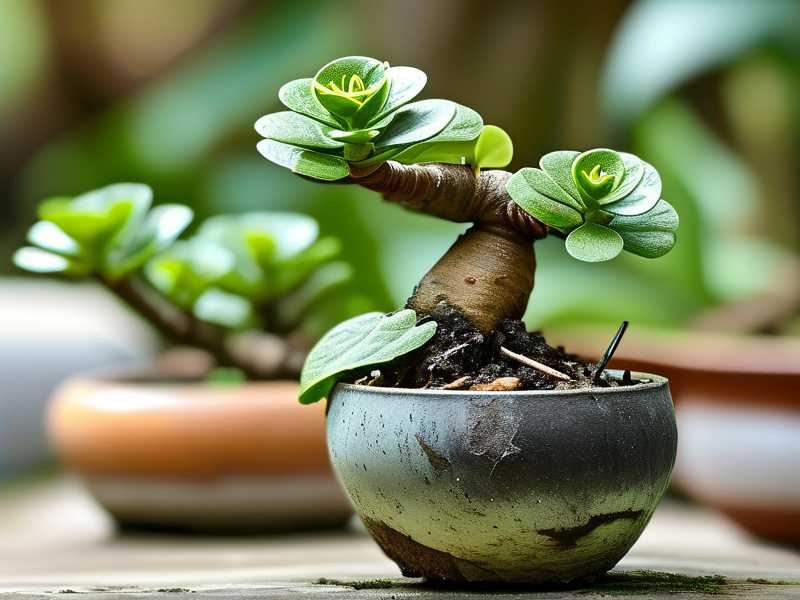
Money trees (Pachira aquatica) don't usually send up weak shoots for no reason. When the roots are damaged by soil-dwelling pests, the plant can't pull up enough water and nutrients to push healthy new growth.
So the shoots come in stunted. Sometimes they're lighter green than normal. Sometimes they curl or drop before they even open.
I learned this the hard way with my second money tree. I kept fertilizing it because I thought it was hungry. It wasn't hungry. It was being eaten from below, and all that extra fertilizer just stressed the roots further.
The Underground Pests You're Actually Dealing With
Most root-feeding pests on indoor money trees fall into a few categories. Fungus gnat larvae are the most common culprit. They thrive in wet soil and chew on fine roots and organic matter.
Root mealybugs are another one. They look like tiny white cottony specks clinging to the roots. They suck sap and weaken the whole root system.
In heavier, compacted soil, you can also run into soil mites or symphylans, though those are less common indoors. For most home gardeners, it's fungus gnats or root mealybugs.
The Royal Horticultural Society notes that fungus gnat larvae cause the most damage in consistently moist conditions, which lines up with what I've seen. Every time I've had a gnat problem, it started with overwatering.
My First Real Mistake: I Waited Too Long
My first money tree had stunted shoots for about three weeks before I did anything. I thought it was just adjusting to a new spot near the window.
By the time I unpotted it, the root ball was half rotted and crawling with gnat larvae. The shoots never recovered because the roots were too far gone. I ended up composting the whole thing.
That experience taught me something simple. If new growth looks wrong for more than a week or two, stop guessing and check the roots. Don't wait for the leaves to yellow and drop. By then you've lost valuable time.
The Three Beginner Mistakes That Make This Worse
Before I get into the fix, let's talk about the mistakes that create this problem in the first place. I've made all three, and each one made the pest issue harder to solve.
Mistake 1: Overwatering
This is the big one. I can't say it often enough. 90% of indoor plants die from overwatering, and money trees are right at the top of that list.
Wet soil is a five-star hotel for fungus gnat larvae. They breed in the top inch of moist soil and feed on the roots below. If you're watering on a schedule instead of checking the soil, you're probably overwatering.
I used to water every Sunday no matter what. That habit killed more plants than any pest ever did.
Mistake 2: Wrong Light
Money trees need bright, indirect light. Not a dark corner. Not direct afternoon sun that cooks the leaves.
When light is too low, the plant grows slowly. Slow growth means it uses less water. Less water use means the soil stays wet longer. Wet soil means pests.
I once put a money tree in a north-facing room with a small window. It looked fine for a month. Then the shoots went pale and spindly. The soil never dried out, and the gnats moved in.
Mistake 3: Wrong Pot
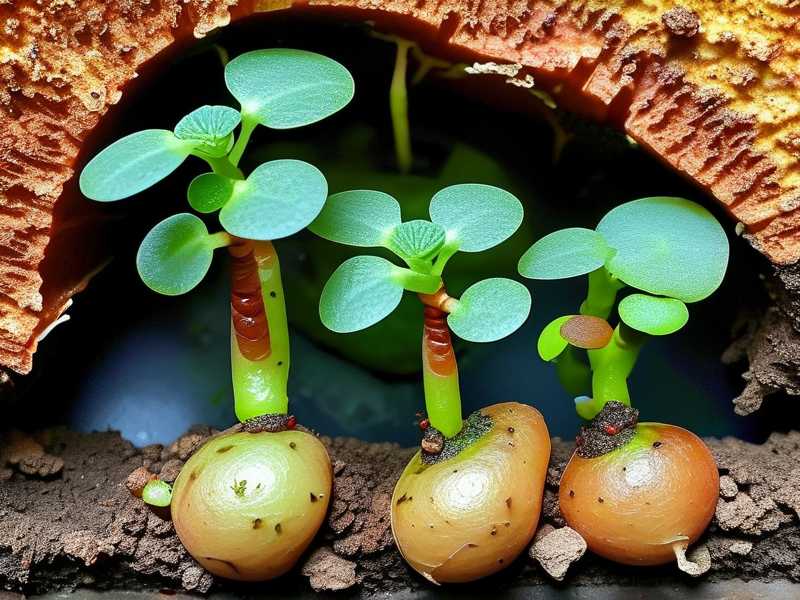
This one is sneaky. A pot that's too big holds way more soil than the roots can use. That excess soil stays wet, and wet soil attracts pests.
A pot with no drainage holes is even worse. Water pools at the bottom, roots sit in it, and rot sets in. I've pulled money trees out of decorative pots with no drainage and found nothing but mush and larvae.
The right pot is only one to two inches wider than the root ball. It has drainage holes. And it's not glazed on the inside if you tend to overwater.
How I Fixed My Stunted Money Tree: Step by Step
Here's exactly what I did with the money tree I saved. It's been about two years now and it's still thriving. I'll give you the full process, including the two-week observation window.
Step 1: Unpot and Inspect
I laid out newspaper on my kitchen counter and gently slid the tree out of its pot. If the root ball is stuck, you can squeeze the sides of the pot or run a knife around the inner edge.
Once it's out, shake off as much loose soil as you can. Don't be gentle with the old soil. You're trying to see the roots.
Step 2: Wash the Roots
I used room-temperature water from my kitchen sink sprayer to wash away the remaining soil. A gentle stream is fine. You just want to see the roots clearly.
This is the moment of truth. Look for brown, mushy roots. Look for tiny white cottony clusters. Look for small translucent larvae wriggling in the water.
Step 3: Remove Pests and Damaged Roots
I used clean scissors to snip away any brown, mushy roots. If a root is black and smells bad, it's gone.
For root mealybugs, I wiped them off with a cotton swab dipped in rubbing alcohol. For fungus gnat larvae, the washing itself removes most of them. I also soaked the roots in a diluted hydrogen peroxide solution (one part 3% peroxide to four parts water) for about ten minutes.
Some people use insecticidal soap. I've tried it and it works, but the peroxide soak is cheaper and I always have it on hand.
Step 4: Repot in Fresh Mix
I used a fresh, well-draining mix. My go-to is two parts potting soil, one part perlite, and one part orchid bark. That combination drains fast and doesn't stay soggy.
I repotted into a clean pot that was only one inch wider than the root ball. I made sure the drainage holes were clear.
Step 5: Wait and Watch
I didn't water immediately after repotting. I waited two days. That gave the damaged roots a chance to callous over.
Then I watered lightly and put the tree back in its bright, indirect spot. No fertilizer for the first month. Fertilizing damaged roots is like feeding a sick person a steak dinner. It just makes things worse.
What Two Weeks of Recovery Looked Like
Day 1 to 3: Nothing much happened. The existing shoots stayed stunted. I resisted the urge to water again.
Day 4 to 7: The soil finally started to dry out on top. I checked it with my finger every morning. Still moist at two inches down, so I waited.
Day 8 to 10: I saw the first sign of new growth. A tiny green tip emerging from a node near the base of the trunk. It was small but it was green and straight, not twisted.
Day 11 to 14: Two more shoots appeared. The older stunted shoots didn't recover, but that's normal. I trimmed them off so the plant could focus energy on the new growth.
By the end of week two, the tree looked less sad. Not perfect, but clearly heading in the right direction.
What I'd Do Differently Next Time
I'd check the roots sooner. Two weeks of stunted growth is my new cutoff. If I don't see improvement by then, I unpot.
I'd also stop watering on a schedule. Now I use a moisture meter and only water when it reads dry at the two-inch mark. That one change has prevented every gnat problem I've had since.
And I'd stop using pots that are too big. It's tempting to give a plant room to grow. But for money trees, a snug pot is a healthy pot.
How to Prevent This from Happening Again
Prevention comes down to three things: soil moisture, light, and airflow.
Let the top two inches of soil dry out between waterings. If you're not sure, wait another day. Money trees handle drought far better than soggy roots.
Give the tree bright, indirect light. A spot near an east or south window with a sheer curtain is ideal. If the leaves start to scorch, move it back a foot.
Keep air moving. A small fan on low near the plant helps the soil surface dry out and makes it harder for gnats to settle in.
You can also top-dress the soil with a half-inch of sand or fine gravel. That creates a barrier that adult gnats can't easily dig through to lay eggs.
The American Horticultural Society recommends checking indoor plants weekly for early signs of pest activity, which is solid advice. A quick look at the soil surface and the undersides of leaves can catch a problem before it spreads.
When to Give Up on a Money Tree
I'm usually team "save the plant." But sometimes the damage is too far gone.
If the trunk is soft and mushy, that's root rot that's moved into the main stem. If the roots are mostly black and smell like decay, there's not much left to save.
In those cases, you can try propagating a healthy cutting from the top. Money trees root well in water or moist perlite. But the original plant is probably done.
I've had to make that call once. It stung, but the cutting I took is now a healthy little tree on my windowsill.
Frequently Asked Questions
How do I know if my money tree has root pests versus root rot?
Root pests and root rot often go together, but there are clues. Pests leave behind tiny white specks, cottony clusters, or small flying adults around the soil. Root rot usually comes with a sour smell and black, mushy roots. If you see both, treat for pests and rot at the same time.
Can I use neem oil to get rid of fungus gnat larvae?
Yes, neem oil drenches can help. Mix it according to the label and water it into the soil. It won't kill eggs, so you'll need to repeat it every seven to ten days for about three weeks. I've used it with decent results, but the peroxide soak and fresh soil worked faster for me.
Will stunted shoots recover after I treat the roots?
The already-stunted shoots usually don't bounce back. They've been deprived of resources for too long. But the plant will push new, healthy shoots from the base or lower nodes once the roots recover. Trim the stunted ones off so the plant doesn't waste energy on them.
The honest truth is that money trees are forgiving if you catch root pest problems early. The shoots tell you something is wrong before the whole plant collapses. Listen to that signal, check the roots, and act. I've brought back trees that looked half dead, and you can too. Just don't wait three weeks like I did the first time.