admin
admin How to Identify Root-Rot Danger for Fully Green-Canopy Money Tree: 7 Silent Red Flags I Learned After Killing Three
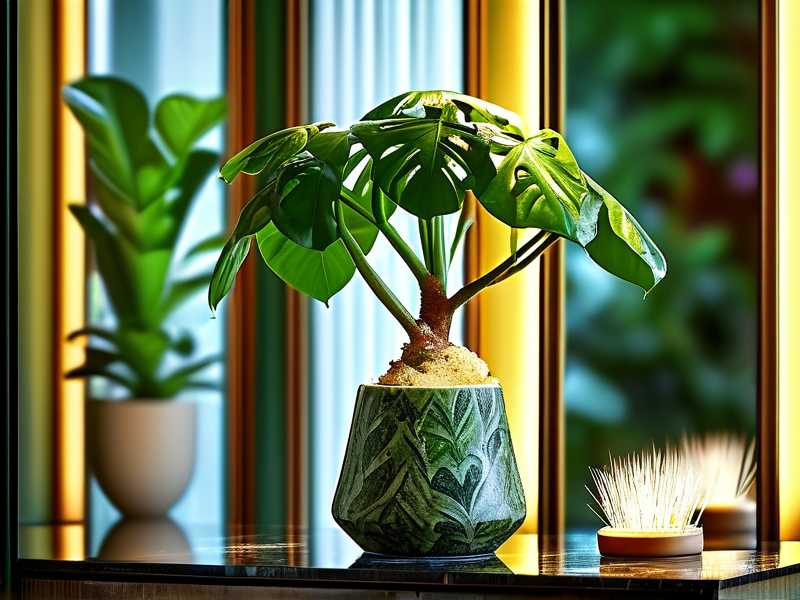
Every green leaf above the soil is lying to you. I learned this the hard way, nursing a money tree (Pachira aquatica) that looked absolutely perfect on top while its roots were turning into brown mush underneath. For two weeks, I tracked every subtle shift, poked, prodded, and yes, pulled the plant out of its pot twice. Root rot danger for fully green-canopy money tree is real, and the worst part? 90% of indoor plants die from overwatering — and the money tree is a top victim because its thick, braided trunk hides the crisis until it's almost too late.
The Two-Week Experiment That Opened My Eyes
I want to be clear upfront. I am not a botanist. I am a plant obsessive who has killed three money trees before finally figuring out what to look for. On my fourth attempt, I decided to document everything.
For 14 straight days, I checked my money tree at the same time every morning. I took photos. I touched the soil. I smelled the pot. I even weighed the pot with a kitchen scale. Seriously.
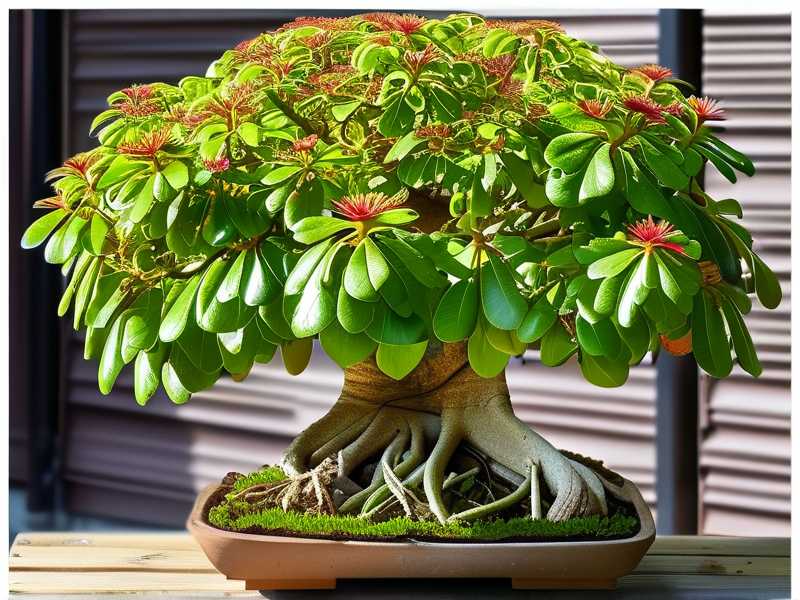
What I found changed how I approach every single houseplant I own.
Why a Green Canopy Does Not Mean Healthy Roots
Here is the thing nobody tells you. The money tree stores water in its swollen trunk base and its thick stems. That means when the roots start failing, the canopy can stay green for weeks. Sometimes over a month.
The leaves are living on stored energy. The trunk is acting like a camel. So you look at the plant and think, "She's fine." Meanwhile, the roots are drowning in stagnant, bacteria-filled mud.
I call this the "green canopy lie." It got me twice before I learned to look elsewhere.
The 7 Silent Red Flags I Tracked During My 2-Week Observation
I want to share the exact signs I looked for. None of them involve yellow leaves. Because my money tree's canopy stayed 100% green the entire time.
Red Flag #1: The Pot Felt Suspiciously Heavy
I know this sounds basic. But hear me out.
On day one, I watered my money tree thoroughly. Then I lifted the pot. It felt heavy, but normal. Two days later, I lifted it again. The weight barely changed.
That was my first clue. The soil was not drying out.
The simple test: After watering, lift the pot. Then lift it every morning. A healthy pot should get noticeably lighter after 4-5 days. If the weight stays the same for 7-10 days, your soil is staying too wet.
I started using a small kitchen scale on day three. My pot weighed 4.2 kg right after watering. On day seven, it still weighed 3.9 kg. That was a 300-gram drop over almost a week. Way too slow.
Red Flag #2: A Musty Smell Coming From the Drainage Hole
This one grossed me out, honestly.
On day five, I put my nose right near the drainage holes at the bottom of the plastic nursery pot. I caught a faint, earthy, almost sour smell. Not the nice "forest after rain" smell. More like a damp basement.
The roots were starting to rot. Anaerobic bacteria were multiplying. They produce that distinct foul odor.
Act quickly if you smell this. My day-five smell was subtle. By day ten, if I dug my finger an inch into the soil, the smell got noticeably stronger.
Red Flag #3: The Soil Stuck to My Finger Like Wet Clay
Day six. I pushed my index finger about two inches into the soil.
The top inch looked dry. But two inches down, the soil was dark, clumped, and stuck to my skin. When I pulled my finger out, it left a sticky hole. The soil was not draining properly.
A healthy money tree mix should feel like slightly damp brownie crumbs — not modeling clay.
I realized my potting mix was too dense. I had used a generic all-purpose soil without adding enough perlite or bark. That was mistake number three in my list. We will get to that soon.
Red Flag #4: The Trunk Base Felt Soft When Pressed
Here is the trick I wish I knew years ago.
Take your thumb and gently press the base of the trunk, right where it meets the soil. In a healthy money tree, that area should feel firm, like pressing a ripe avocado that is still a bit hard.
On day eight of my experiment, I pressed the trunk base. It was soft. Slightly spongy. Not squishy like a rotten peach, but not firm either.
That softness means the internal tissue is breaking down. The trunk was still green. The canopy was still lush. But internally, the plant was failing.
Pro tip: Press the trunk base once a week. Know what "normal" feels like so you can spot changes early.
Red Flag #5: The Lower Trunk Started Developing Dark, Sunken Patches
Most people never look at the trunk base. I get it. It is not pretty. You have to bend down and move aside the soil.
On day nine, I noticed a small dark spot on the trunk, right at the soil line. It was about the size of a pencil eraser. It looked water-soaked and slightly sunken.
That is a classic sign of root rot moving upward into the stem. If the rot reaches the vascular tissue, the canopy can collapse within days.
Red Flag #6: New Growth Was Stunted (But Not Dead)
This one is sneaky.
My money tree was putting out new leaves. I was happy about that. But when I measured them, they stopped growing at about half their normal size. The new leaves were also slightly paler than the older ones.
Roots damaged by rot cannot uptake nutrients properly. The plant does not have enough energy to fuel full growth. So it produces smaller leaves to conserve resources.
Measure your new leaves. If they seem stunted for no clear reason, suspect the roots.
Red Flag #7: The Soil Surface Developed a White or Green Film
By day eleven, I saw a thin, whitish-green layer forming on top of the soil. It looked almost like a dusty mold patch.
That is fungus and algae thriving in constantly wet conditions. The soil never dried out enough to suppress their growth.
If you see that film on your soil, the root zone has been too wet for too long.
Diagnosis Confirmation: What I Did on Day 14
At the end of my two-week observation, I decided to confirm my suspicions.
I slid the plant out of its nursery pot. The roots were a mess. Some were brown, mushy, and fell apart when I touched them. Others were grayish and had no structure. Only a few — maybe 30 percent — were still white and firm.
The smell hit me immediately. That sour, wet-earth odor.
I did not save that plant. But the information I gathered from that failure became the roadmap for saving every money tree I have owned since.
The 3 Deadly Mistakes That Almost Every Newbie Makes
If you are reading this, you probably made one of these mistakes. I made all three.
Mistake #1: Watering on a Fixed Schedule
I used to water my money tree every Monday. Like clockwork.
That is a terrible idea. Your money tree does not care about your calendar. It cares about its soil moisture.
My solution: Stick your finger two inches deep. If dry, water. If damp, wait. It is that simple. I check twice weekly now. Sometimes I water every five days. Sometimes every ten. It varies with the season and the indoor temperature.
Mistake #2: Giving It Bright, Direct Sunlight
Money trees love light. But they hate being cooked.
I put one near a south-facing window once. The leaves stayed green for a while — then they developed crispy brown edges. Direct sun stresses the plant, making it more vulnerable to root issues.
My solution: Place your money tree in bright, indirect light. An east-facing window is perfect. A north-facing one can work too, just a bit slower growth.
Mistake #3: Keeping It in a Decorative Pot Without Drainage Holes
This is the killer.
I fell in love with a beautiful ceramic pot at a thrift store. No drainage holes. I thought, "I will just be more careful with watering." And I was. But I still overestimated my care. Excess water pooled at the bottom of the pot, creating a swamp where the roots sat for weeks.
My solution: Always keep your money tree in a plastic nursery pot with drainage holes. Then slip that pot inside whichever decorative pot you like. Take the plant out to water it, let it drain completely, then put it back.
My Step-by-Step Recovery Protocol for Suspected Root Rot
If you spot the red flags early enough, you can save the plant. Here is my exact protocol.
Step 1: Remove the Plant and Inspect the Roots
Do not wait. Slide the plant out of its pot. Shake off the loose soil. Rinse the roots under lukewarm running water.
Clean off all the dirt. You need to see the root tissue clearly.
Step 2: Cut Away Every Mushy Root
Use sterilized pruning shears. Cut off anything that is brown, black, mushy, or smells bad. Do not feel sorry for the plant. Rot spreads.
Healthy roots are white, firm, and hold their shape. If more than 50 percent of the roots are rotten, the situation is critical but still worth trying.
Step 3: Remove Rotten Parts of the Trunk Base
If the trunk base has soft, dark patches, cut them out with a sterilized knife. I have performed "surgery" on a money tree trunk before. Remove the affected tissue down to clean, white flesh.
Step 4: Dip the Remaining Roots in Hydrogen Peroxide Solution
Mix one part 3% hydrogen peroxide with three parts water. Soak the roots in this mixture for 15-20 minutes. This kills bacteria and adds temporary oxygen to the root zone.
Do not skip this. It significantly boosts survival odds.
Step 5: Let the Roots Dry and Treate With Cinnamon
Let the roots air-dry for 2-4 hours. Then dust the healthy roots with cinnamon powder. Cinnamon is a natural antifungal agent. I have used this hack for years with excellent results.
Step 6: Repot With Fresh, Well-Draining Soil
Use fresh soil mixed with 40% perlite or coarse sand. Ensure your pot has drainage holes. Size up only slightly if necessary. Do not put a rehab plant in an oversized pot.
Water very lightly. Just enough to settle the soil. Then wait.
Step 7: Monitor Vigilantly for the Next 4-6 Weeks
Do not water again until the top two inches are bone dry. Keep the plant in moderate, bright, indirect light. Do not fertilize until you see new leaves emerging.
New growth means the plant has recovered.
What The Royal Horticultural Society Says About Overwatering
The RHS has been vocal about the dangers of overwatering indoor plants for years. Their guidance is clear: most indoor plants die from excess water, not lack of it.
The AHS similarly emphasizes that root asphyxiation — where roots cannot access oxygen because of waterlogged soil — is a leading cause of houseplant decline. They recommend checking soil moisture before watering every single time.
I read a lot of their materials after my second plant died. Their advice changed my habit patterns drastically.
Common Questions I Still Get From Readers
Why is my money tree still green but the trunk is getting soft?
That is the plant's internal water storage failing. The trunk is soft because cells are breaking down. When the roots are compromised, the trunk starts to deteriorate. The canopy remains green because it is drawing on trunk moisture. But this is not sustainable. You need to check the roots now.
How often should you actually water a money tree?
I ask about your environment. But generally, every 7-14 days in the growing season, and once every 3-4 weeks in winter. I base it on actual soil moisture, not calendar dates. Stick your finger in the soil first. There is no universal rule.
Can you save a money tree when all the roots are mushy?
Honestly, sometimes no. If the entire root system is mush and the trunk base is rotten through, the plant is likely done for. Save your energy and buy a new one. I have been there. It hurts. But you will be a better plant parent because of the experience.
Final Thoughts I Want You to Take Away
The fully green canopy is not proof of health. It is simply proof that the plant has not died yet.
Check your soil more often than you check your leaves. Smell your drainage holes. Press the trunk base. Do not wait for yellow leaves as a warning signal. By the time the canopy changes, the roots are usually beyond saving.
I have grown to respect the money tree. It forgives a lot, but not stagnation. Keep the roots breathing, and the whole plant will thrive.
I have applied this routine to all my houseplants now. My success rate has skyrocketed. No plant is truly beginner-proof, but a money tree is about as close as you get when you understand that the roots are the real boss.