admin
admin How to Keep Scale Insects Off Your Dry-Winter Indoor Money Tree
If your money tree has sticky leaves, waxy bumps on stems, or a black sooty mold, you are dealing with scale insects. Here is the direct answer: isolate the plant, physically scrub every bump with a soft toothbrush dipped in soapy water, and treat the soil with a systemic pesticide containing imidacloprid. Repeat the scrubbing every 3 days for 2 weeks, and cut way back on watering. I have kept money trees alive through three dry winters, and I know your heated living room is a paradise for these armored pests.
I lost my first money tree to scale back in 2019. I thought more water would fix the yellowing leaves. Turns out, I was basically throwing a pool party for the bugs. The dry air from my radiator, combined with my overwatering habit, created the perfect storm. After two weeks of aggressive treatment, I saw real progress. The new growth finally came in clean, and the sticky honeydew stopped appearing on my window sill.
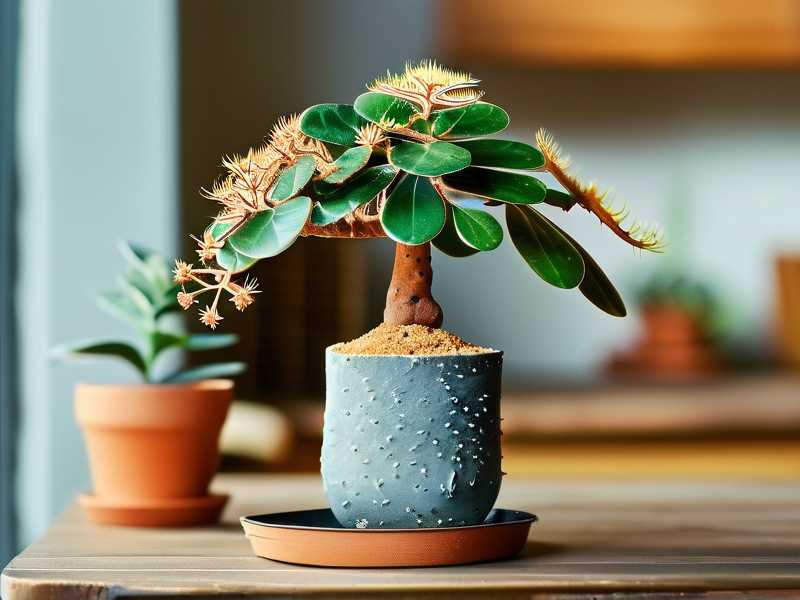
Let me break down the exact process that saved my second plant, and how you can avoid the mistakes that killed my first one.
Why Dry Winter Air Makes Scale Explode on Money Trees
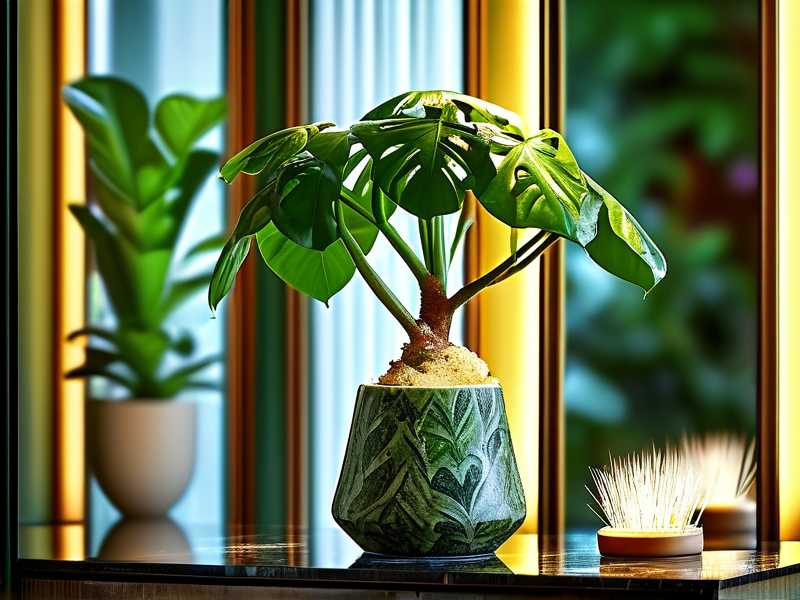
Most people assume scale comes from a new plant you brought home. That is often true, but the dry winter indoor environment is what lets the infestation explode. Your money tree (Pachira aquatica) is tropical. It loves humidity. When you run the heater, indoor humidity can drop below 30%.
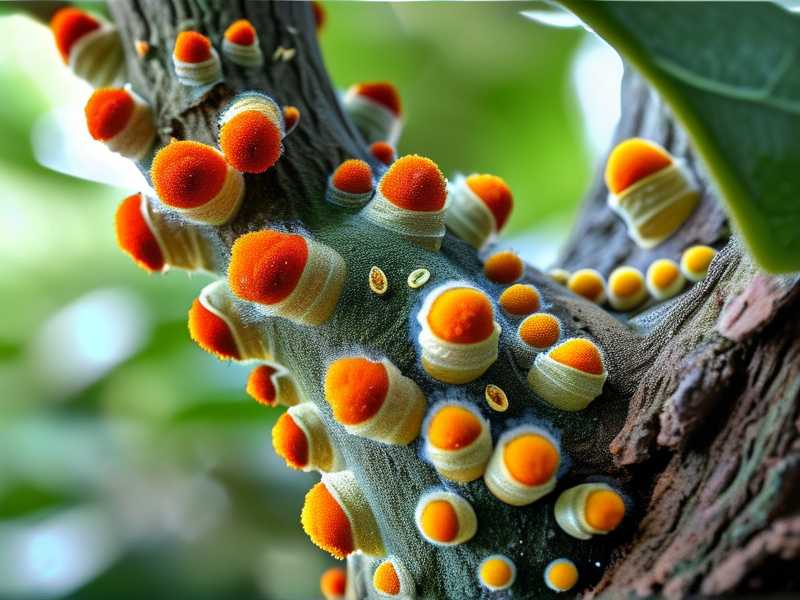
Scale insects thrive in this dry air. They are tiny, sap-sucking bugs that attach to stems and leaf undersides. They look like small brown or tan bumps. Because they don't move much, many beginners mistake them for plant scabs or dirt.
The dry air also stresses your money tree. A stressed plant produces weaker sap and thinner cell walls. This makes it easier for scale to puncture the tissue and feed. I used to think winter was a time to leave my plants alone. Now I know it is the critical season for pest checks.
The 3 Deadly Mistakes That Feed the Scale Problem
① Overwatering: The Scale Magnifier
I have said it before, and I will say it again: 90% of indoor plants die from overwatering. With scale, overwatering is even worse. When you flood the soil, the roots suffocate. The plant can't take up water properly, so it sits in a stressed state. Scale attacks stressed plants first.
I remember watering my money tree every 4 days in December. I thought the dry air meant the roots needed more. Instead, I created a soggy, anaerobic root zone. The plant transpired less, which made the stems softer. The scale had an easy meal.
The fix: Water only when the top 2 inches of soil are bone dry. Use a wooden chopstick. Stick it in. If it comes out with damp soil on it, wait another 2 days. In winter, this often means watering once every 10 to 14 days, not every week.
② Wrong Light Placement: Pushing the Plant into a Corner
Winter light is already weak. If you push your money tree into a dark corner to hide it from drafts, you are asking for trouble. Low light reduces photosynthesis. The plant produces fewer defensive chemicals. Scale does not care about low light; it just cares about weak sap.
Let me tell you about my third plant. I put it on a north-facing shelf away from the window because I didn't want cold air to hit it. Within 3 weeks, scale appeared on the underside of the lower leaves. The plant was too weak to fight.
The fix: Move the money tree to an east-facing window or a south-facing window with a sheer curtain. It needs bright, indirect light for at least 6 hours a day. Keep it away from the glass if the window is drafty, but do not shove it into a dark hallway.
③ Wrong Potting Setup: The Decorative Pot Trap
I am guilty of this one. I bought a money tree in a plain nursery pot and slid it into a gorgeous ceramic pot with no drainage. Later, I realized I had planted it in a swamp. The outer pot had collected water from earlier watering sessions. The bottom of the soil was constantly moist.
Scale loves this environment. The constant moisture at the roots weakens the tree. Plus, the hidden water in the decorative pot increases local humidity around the drainage holes, giving scale a perfect breeding microclimate.
The fix: Use a terracotta pot or a plastic pot with large drainage holes. If you love a decorative cachepot, take the plant out, water it, let it drain completely in the sink, and only then put it back into the cachepot. Never let water pool in the bottom.
My Exact 2-Week Protocol to Eliminate Scale
Step 1: Quarantine and Physical Removal (Day 1)
I moved the infected money tree to my bathroom counter, away from my other plants. Scale crawlers (the juvenile stage) can move. They will spread to your monstera or ferns if they are close.
I mixed one teaspoon of mild dish soap (like Dr. Bronner's) with one liter of lukewarm water. I dipped a soft-bristled toothbrush into this mix. Then, I gently scrubbed every bump I could see. I focused on the leaf joints and the braided trunk segments, because that is where they hide.
This step is tedious. It took me 45 minutes for a 3-foot tree. But you must physically dislodge the armored adults. Pesticides don't penetrate their waxy shells easily. The brushing breaks the shell and kills them on contact.
Step 2: Systemic Soil Drench (Day 1 evening)
After brushing, I let the plant dry off for a few hours. That evening, I watered the plant using a diluted systemic insecticide containing imidacloprid. This is not a contact spray. It is absorbed by the roots and travels up into the plant sap. When scale feeds, they ingest the poison and die.
I made sure the soil was almost dry before doing this. I soaked the soil thoroughly until water ran out the bottom. This ensures the chemical distributes evenly. I used liquid concentrate at half the label rate, because money trees have sensitive roots.
Step 3: Monitor and Repeat Every 3 Days (Day 4, 7, 10, 13)
A single treatment won't work. Scale eggs can survive. I set a timer on my phone to check and re-scrub every 3 days. I didn't reapply the systemic every time. I only did the soil drench once more on Day 7.
The routine for each check was the same:
- Look at all leaf undersides with a magnifying glass.
- Pick off any new brown bumps with my fingernail.
- Re-brush areas that still had sooty mold residue.
- Spray the entire plant with a fine mist of rubbing alcohol diluted 1:1 with water (test on one leaf first).
Step 4: Increase Humidity, Not Watering (Ongoing)
Here is the secret sauce. I bought a simple cool-mist humidifier for $20 on Amazon. I placed it near the money tree, but not pointing directly at the leaves. I ran it for 3 hours each morning. The indoor humidity rose from 25% to 55%.
Scale hate high humidity. It disrupts their molting cycle. Also, the extra humidity helps the money tree recover without needing heavy watering. I saw new leaves unfurl that were completely scale-free by Day 10.
Step 5: Isolation Maintenance (Days 14-21)
After Day 14, I saw no new scale on the upper leaves. The sooty mold was not returning. I still kept the plant isolated in the bathroom for one more week. I checked it every other day. If you put it back too soon, you risk spreading any hidden eggs.
The RHS confirms that scale insects are one of the most persistent pests on indoor plants. They recommend combining physical removal with appropriate insecticide applications, exactly what I did. The AHS also notes that healthy, well-watered plants are far less susceptible to pest outbreaks.
My Honest Timeline of Recovery
- Day 1-3: The plant looked worse. Many leaves dropped off. I thought I had killed it. The scale that I scrubbed off left behind damaged, yellow spots.
- Day 5: The sticky honeydew stopped appearing on the window sill. The systemic poison had begun working.
- Day 8: I noticed the scale shells were dry and brittle. When I poked them with a toothpick, they fell off easily. Some were dead, hollow shells.
- Day 12: Tiny, bright green new buds appeared at the top branches. This was the best sign. It meant the plant's energy was shifting back to growth, not defense.
- Day 14: I found exactly 2 live scale bugs on the bottom of a lower leaf. I scrubbed them off. This was the final trace.
Additional Practical Tips That Made The Difference
Check the Braided Trunk
I almost missed a cluster of scale hiding deep inside the braided trunk grooves. The bark texture looks similar to the bugs. This is why I recommend a headlamp or a bright LED work light. I literally sat on the floor with my face 6 inches away from the trunk, inspecting every crevice.
Use a Natural Oil Smothering Spray
Before I moved to the harsh chemical, I tried neem oil. It was too weak for the armored adult scale. It only worked on the tiny crawlers. With that said, I still recommend a neem oil spray as a weekly prevention after the infestation is clear.
Wash the Windowsill and Pots
Scale crawlers can wander on the surfaces outside the plant. I wiped down my entire windowsill with a bleach solution (1 part bleach to 9 parts water). I also washed the outside of the ceramic pot. If you skip this, the stray crawlers might come back on your plant next week. Honestly, it is easy to focus only on the leaves and ignore the immediate environment.
Tools and Materials I Stocked for This Fight
I recommend having these items ready before you start:
- A soft toothbrush (not the hard ones, they scratch the stems)
- Rubbing alcohol (isopropyl 70%)
- Cotton swabs for tiny spots
- A 20x magnification loupe for inspection
- Systemic granules or liquid concentrate (imidacloprid based)
- A spray bottle for misting
- A small digital humidity meter
With the meter, you can actually see the difference when you run the humidifier. I was shocked my air was that dry. It hit 18% relative humidity at night. That is drier than the Sahara desert in some cases.
Survival Tips for the Overwintering Period
Even after you beat the active infestation, stay vigilant. Scale lives multiple life stages. Here is what I do every single Sunday for the rest of winter:
- Take the plant to the sink and rinse it upside down under a gentle lukewarm shower. This knocks off dust and any loose crawlers.
- Carefully wipe each mature leaf with a damp microfiber cloth.
- Look at the leaf axils (where the leaf meets stem). That is their favorite spot.
When to Throw in the Towel
Here is a harsh truth. Sometimes, the infestation is too severe. If the whole trunk is covered in gray-black sooty mold, and the leaves are falling off faster than they grow, consider propagating a healthy cutting if possible. Money trees can grow from stem cuttings in water. Otherwise, discard the plant.
I had to toss a 4-foot money tree last winter because the scale had spread to the central core of the braided trunk. No insecticide could reach inside. It was heartbreaking. But I learned that early intervention is everything.
Common Questions About Scale and Money Trees
Can I just spray the plant with rubbing alcohol?
Yes, for spot treatment. But do not saturate the plant. Rubbing alcohol evaporates quickly, but it can burn the leaves if applied in direct sunlight or in high concentration. Use a cotton swab dipped in alcohol to touch each scale bug directly. Then, rely on the soapy water brushing for the rest.
Do I need to repot the plant after getting rid of scale?
I did not repot. I used a systemic insecticide that went into the soil. Repotting would have removed the insecticide and stressed the plant. The main issue is overwatering, not the soil composition. I just made sure the top 1 inch of soil was scraped off and replaced with fresh, dry potting mix to remove any eggs that might have fallen.
Will scale kill my money tree completely?
Yes, if you do nothing. In huge numbers, scale sucks out all the sap. This leads to stunted growth, leaf yellowing, and eventually plant death. The honeydew they excrete also attracts ants and grows sooty mold, which further blocks sunlight from reaching the leaves. Do not wait for it to go away alone. It never does.
I hope my two weeks of struggle saves you some heartache. The solution is simple, but it requires patience. Physical scrubbing is the key. Do not rely only on chemicals. Watch your watering habit. My money tree is now thriving in a spot with bright morning light. I have not seen a scale bug in four months. The new growth is robust and glossy. I am confident if you follow this routine, you will see the same results. Just set a reminder on your calendar. You have to stick with it for the full 14 days.