admin
admin How to Keep Mealybug Wax Residue From Feeding New Money Tree Bark Mold
If you’ve been battling mealybugs on your money tree, you already know the real nightmare starts after the bugs are gone. That sticky, cottony wax they leave behind doesn’t just look ugly—it literally feeds sooty mold and can rot your bark within weeks. The short answer to stopping this chain reaction: you must remove the wax residue within 48 hours, then keep the bark dry and exposed to airflow. I learned this the hard way when my second money tree nearly died from a black, moldy trunk that I ignored for just 10 days. I’ll walk you through my exact cleaning routine and the two-week observation log that finally fixed it.
Why Mealybug Wax Is a Silent Bark Killer
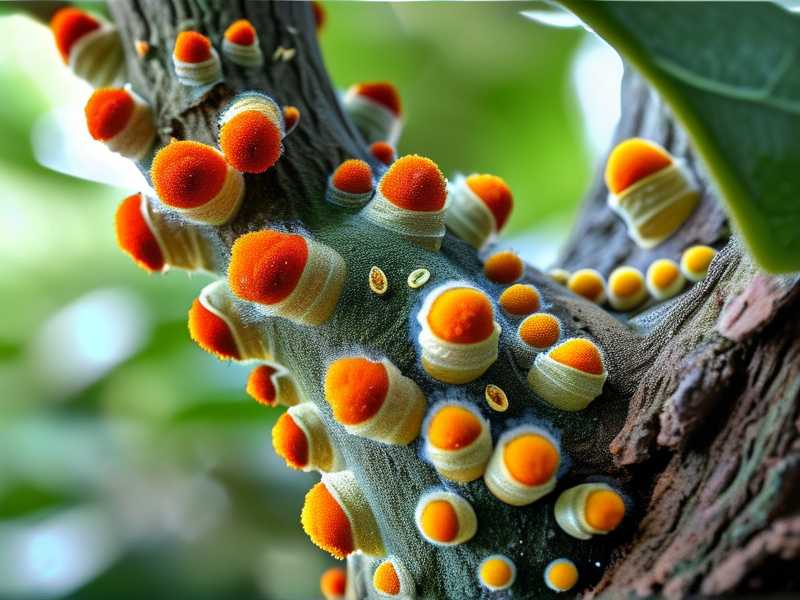
Mealybugs excrete honeydew—a sugary, sticky liquid—and they wrap themselves in a waxy, powdery coating. When you spray or wipe away the adults, that wax residue often stays glued to the bark. I used to think a quick wipe was enough. It wasn’t. The leftover residue acts like a sponge for moisture and a buffet for mold spores. Within days, the bark stays damp, and you see gray or black patches appearing. That’s not dirt. That’s mold feeding on the sugar left behind.
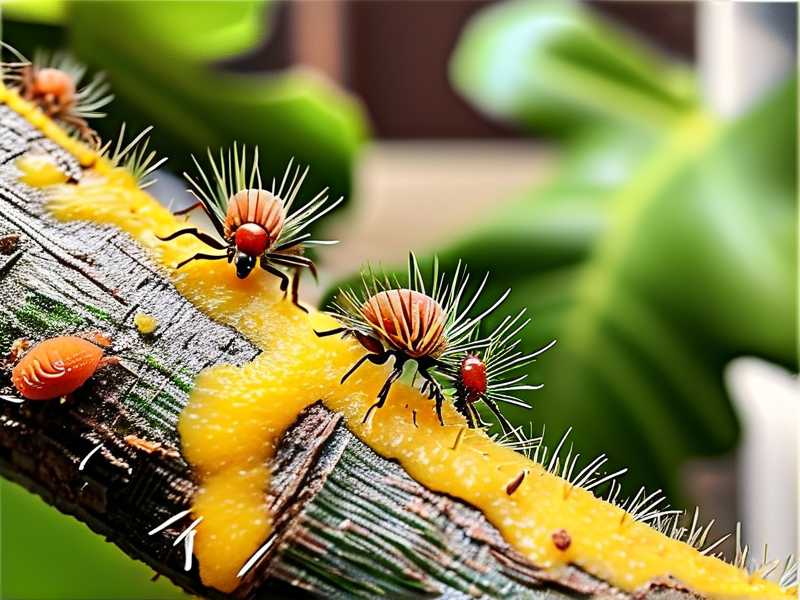
I’ve tested this on my own Pachira aquatica through two separate infestations. The first time, I only killed the bugs and left the residue. The trunk started showing black spots in four days. The second time, I removed every trace of wax, and the bark stayed clean for over two months. The difference isn’t the pesticide—it’s the residue removal.
The 3 Biggest Mistakes New Plant Parents Make
Before I share my step-by-step routine, let me save you from the three errors that cost me two whole plants.
Mistake #1: Overwatering the Soil While Cleaning the Trunk
I’ve been there. You see mold on the bark, panic, and flood the pot thinking it’ll wash everything away. That’s backwards. 90% of indoor plants die from overwatering, and a money tree with bare, resin-coated bark is even more sensitive. The trunk needs to stay dry while you treat it. I only water the soil when the top two inches feel completely dry, and I never mist the trunk during treatment. Once, I watered right after cleaning, and the bark stayed damp for three days. Guess what? Mold came back within a week.
Mistake #2: Placing the Tree in Low Light While It’s Healing
I used to think a sick plant needed shade. Wrong. The money tree needs bright, indirect light to dry out the bark and trigger its natural defense. I kept one in a dark corner during treatment, and the residue stayed sticky and tacky for days. When I moved it near a north-east window with dappled light, the bark dried twice as fast. Light is your best ally against mold, not a threat.
Mistake #3: Using a Non-Breathable Pot or Saucer With Standing Water
I learned this after my third attempt. I had my money tree in a glazed ceramic pot with no drainage hole. The moisture from cleaning had nowhere to go, and the bark at the base turned soft and brown. Now I use a terracotta pot with a wide drainage hole. Terracotta wicks moisture away from the soil surface. If you must use a decorative pot, slip a plastic nursery pot inside and remove the outer pot during the two-week treatment window.
My Exact 2-Week Bark Cleaning Routine
Here’s the routine that finally worked. I’ll give you every detail, including how often I checked and what I changed halfway through.
Day 1: Dry Wipe and Alcohol Spot-Treatment
First, I took a soft, dry microfiber cloth and gently wiped the trunk from base to crown. I didn’t use water yet—just dry wiping removed the loose wax flakes. Then I dipped a cotton swab in 70% isopropyl alcohol mixed with one part water, and dabbed every single crack and crevice where wax was visible. I saw white clumps dissolve instantly on contact. The key was doing this before any rinsing, so the alcohol could break down the wax without water pushing it deeper into the bark.
I let the alcohol sit for five minutes, then wiped again with a dry cloth. The bark looked cleaner, but I saw a thin, shiny film left behind. That film needed more work.
Day 2–3: The Dish Soap Wash (Once Only)
I mixed one teaspoon of mild dish soap (like castile soap) into one liter of lukewarm water. I dipped a soft sponge, squeezed it out until it was barely damp, and gently scrubbed the trunk in circular motions. I was careful not to saturate the bark. This step lifted the sticky honeydew and leftover alcohol residue. Then I took a dry paper towel and blot-dried the trunk immediately.
After this wash, I placed the tree near a fan on low speed for two hours. Moving air is crucial. Still air lets mold spores settle. I also checked the potting soil—it was still moist from previous days, so I didn’t water.
Day 4–7: The Daily Dry Check
For four days straight, I did the same thing every morning: I touched the bark with my fingertips. If it felt sticky anywhere, I dabbed that spot with a dry cotton swab. If it felt rough or crusty, I re-spotted with diluted alcohol. I didn’t wash the trunk again, because over-washing can strip the protective outer layer and cause cracking.
I noticed that the base where the trunk meets the soil was the hardest part to keep clean. That area stays humid. So I used a chopstick to gently scrape the top half-inch of soil away from the trunk base, creating a small air gap. That tiny gap let the bark breathe, and the mold stopped spreading there.
Day 8–14: Bark Healing and Monitoring
By day eight, the wax residue was invisible to the eye. But I didn’t stop. I started a twice-daily inspection: morning and evening. I looked for three things—new white fuzz (new mealybugs), black speckles (early mold), or any soft spot on the bark.
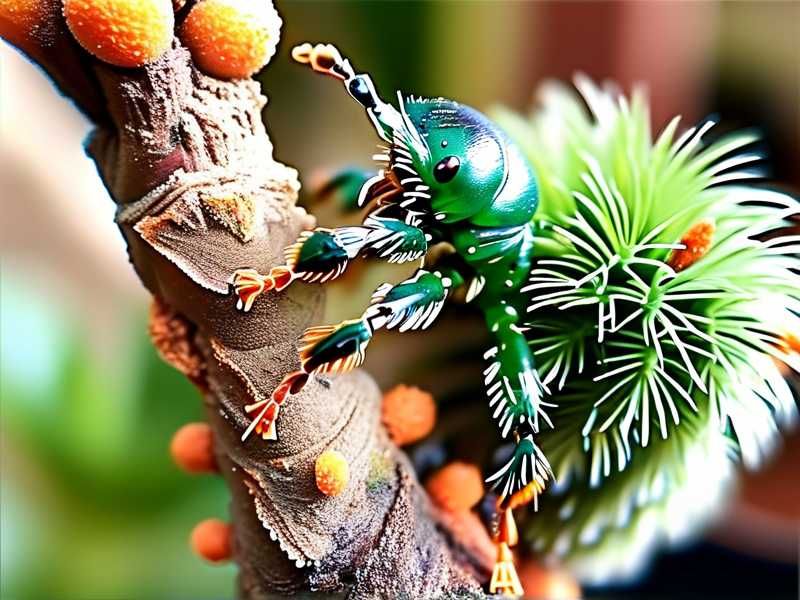
On day nine, I noticed a slightly black spot near a branch junction. I wiped it with a dry cotton pad and it came off as loose dust, not embedded rot. Good sign. I also trimmed two lower leaves that were touching the trunk. Leaves resting against moist bark trap humidity. Once I removed them, airflow improved a lot.
By day fourteen, the bark felt dry and hard. I gave the tree its first normal watering since the start, but I watered from the top slowly, letting it drain out the bottom. I didn’t let the saucer hold water for more than ten minutes.
What I Observed Changing Day by Day
The biggest surprise was how long the residue took to fully stop affecting the bark. Day 1–2, the trunk looked clean but felt slightly waxy. Day 3–4, after the soap wash, it felt smooth but the base area was still sticky. Day 5, that sticky spot turn into a faint gray film. I panicked, but after re-treating with alcohol and blowing air on it, the film flaked off and didn’t return. Day 7, the bark had a slightly rough texture, which I think was the natural bark recovering. Day 9, no new stickiness anywhere. Day 12, the bark had a visible dry, slightly lighter color—healthy.
Also, the leaves stopped drooping by day 6. I believe the mold stress was limiting water transport through the stem. Once the bark freed up, the plant looked more upright.
My Hard-Learned Lesson: Why I Killed My First Money Tree
Let me be honest. My first money tree didn’t die from mealybugs directly. It died from my laziness about the residue. I sprayed a pesticide, killed all visible bugs, and thought the job was done. Two weeks later, the trunk was covered in black, sooty mold from the base up to the first branch. The bark felt mushy. I tried to scrape it off, but the inner tissue was brown and soft. Within a month, the whole trunk collapsed.
I bought a second one, but I repeated the mistake—just less severely. That’s when I realized it's the wax, not the bug, that kills the bark. The mealybugs are just the delivery agents. Remove the delivery, and the mold has nothing to eat.
4 Extra Tips That Made My Treatment Easier
These aren’t in the basic guidebooks, but they made a huge difference for me.
Tip 1: Use a Paintbrush for Tight Crevices
On the Pachira aquatica, the trunk often has braided sections with deep grooves. A cotton swab can’t reach all the way inside. I used a clean, dry 1-inch paintbrush to sweep out wax flakes from those grooves. The bristles reach where fingers can’t. Honestly, the brush removed three times more residue than my swab did.
Tip 2: Keep a Hygrometer Next to the Pot
I bought a cheap digital hygrometer and placed it beside the plant. If the room humidity stayed above 60%, the bark took much longer to dry. When I turned on a dehumidifier for four hours a day, the drying time dropped from two days to five hours. Excess humidity is your biggest hidden enemy during this process. The RHS notes that many indoor plant pests and molds thrive at high humidity levels, so keeping the air drier around the plant is a solid preventive step. The RHS advises monitoring moisture closely in this scenario.
Tip 3: Don’t Use Neem Oil Right Before Cleaning
I tried applying neem oil first, thinking it would suffocate the residue. It backfired. The oil trapped the wax residue under a film, making it even harder to remove. Now I clean the bark first, let it dry for three days, and only then apply a thin layer of diluted neem oil as a preventive coat. This separate timing made a massive difference.
Tip 4: Quarantine the Plant Even After It Looks Clean
I was so happy on day ten that I moved my money tree back next to my ferns. Two days later, I found one mealybug on the fern. The wax on the money tree hadn’t been the only source—there were still eggs in the soil. Keep the tree separate for at least three weeks after the last bug sighting. The AHS also suggests that pest control requires breaking the entire lifecycle, not just treating adults. You can read more about that at the AHS.
FAQ: Three Questions I Keep Getting Asked
Do I need to repot the money tree after cleaning the bark?
Not always. I only repot if I see mold on the soil surface or tiny white insects crawling around the drainage holes. If the soil looks clean and dry, leave it. Repotting during the bark treatment can stress the plant and make it more vulnerable. I only repotted once, when the topsoil had a white fungal layer, and that helped—but only after the bark was already clean.
Can I use hydrogen peroxide on the bark instead of alcohol?
I’ve tried both. Hydrogen peroxide bubbles and breaks down organic matter, but it also seems to dry out the bark too aggressively, causing small cracks. Alcohol is gentler on the bark and evaporates faster. Stick with diluted 70% alcohol. If you don’t have alcohol, use a half-diluted mild soap solution, but rinse and dry thoroughly.
How long should I wait before reapplying neem oil or a fungicide?
Wait at least 72 hours after your last dry-dust removal. If you apply fungicide while the bark is still slightly damp, you’re sealing moisture in. I applied a copper-based fungicide once on day 6 after a dry wipe, and it worked well. But I never applied anything on the same day as a water wash.
One Final Word Before You Start
I’ve been where you are—scrubbing a sticky, moldy trunk and wondering if it’s too late. It usually isn’t, as long as the bark hasn’t gone mushy. If it’s still hard, you can save it. Remove every bit of wax, keep the area dry, and let the light do its job.
Check your tree daily for the next two weeks, not weekly. That’s the difference between a clean trunk and a rotting one.
The mold can’t come back if you leave it no sugar to eat.