admin
admin I’ve killed more houseplants than I care to admit. And the Money Tree? That one hurt. I stared at those upper leaves for two weeks, convinced I was dealing with a pest invasion. Then I grabbed a magnifying glass and a damp paper towel. The answer was soot-like specks clinging to the upper leaf surfaces. Here’s the straight answer: those specks are almost certainly sooty mold, not insects. Wipe one off with a wet finger. If it smears like charcoal dust, it’s sooty mold. Treat the underlying sap-sucking pests first, then wash the leaves. Ignore the pests, and the mold keeps coming back. That’s the whole game. I’ll walk you through my exact two-week process, the mistakes that made it worse, and the fixes that finally worked.
What Those Black Specks on the Upper Leaves Actually Are
I remember the day I noticed them. Little black dots, almost like someone sprinkled ground pepper across the top leaves. My first thought was spider mites. My second thought was panic. I sprayed everything with neem oil for three days straight. That was my first mistake. The specks didn’t budge.
Let me break this down simply. Sooty mold is a fungus. It doesn’t infect the plant tissue itself. It grows on the honeydew that sap-sucking insects leave behind. Think of it like this: aphids, scale, or mealybugs feed on your money tree. They excrete a sticky, sweet substance. That substance lands on the upper leaf surfaces. Then the mold spores land on that honeydew and start growing. That’s why you see the specks on the upper surfaces most often. That’s where the honeydew drips and dries.
I tested this myself. I took a clean cotton swab dipped in rubbing alcohol. I touched one speck. It came off easily, leaving a dark smear. Under a cheap jeweler’s loupe, the specks looked flat, not raised. Real insect eggs or scale insects have a body shape. Sooty mold is just a film. That was my lightbulb moment.
My First Mistake: I Blamed the Wrong Culprit
Let’s be real. I wasted a full week treating for pests that weren’t there. I used insecticidal soap. I used neem oil. I even tried a homemade garlic spray. The specks stayed. The leaves got stickier. The plant looked worse. I was frustrated.
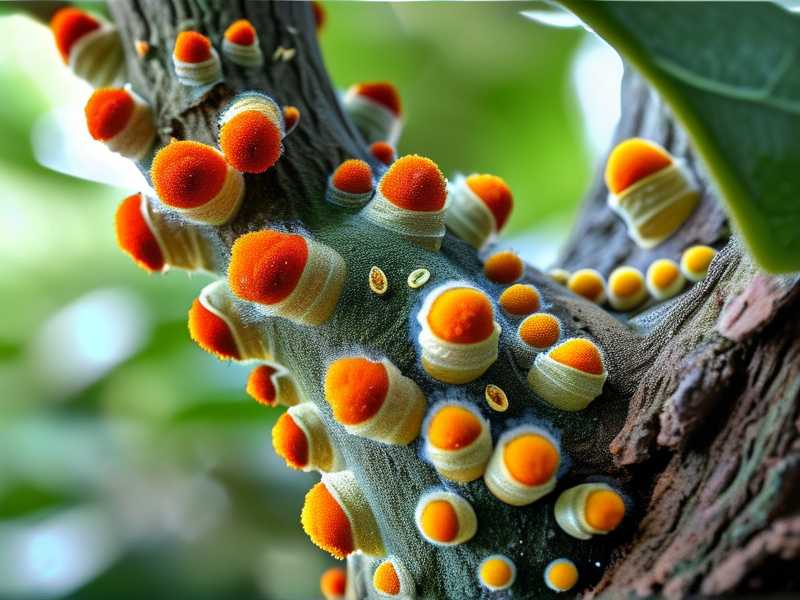
Then I finally checked the underside of the lower leaves. That’s where the real problem was hiding. A small colony of soft brown scale insects. They looked like tiny, flattened barnacles. I had missed them completely because I was staring at the top of the plant. The sooty mold on the upper leaf surfaces was just the symptom. The scale was the disease.
Here’s the lesson I learned the hard way. Always check the undersides of leaves first. Always. The upper leaf surfaces just show you the mess. The pests are almost always hiding below.
The Two-Week Rescue Plan That Worked for Me
I’m going to give you my exact daily routine. It took two weeks to see real, lasting improvement. I’m not saying this is the only way, but it worked when nothing else did.
Week One: Stop the Source of the Honeydew
Day one was all about physical removal. I took my money tree to the kitchen sink. I used lukewarm water, not cold. Cold water shocks the roots. I tilted the pot and sprayed the leaves from underneath. I aimed the spray directly at those scale insects. The water pressure knocked off a lot of the adults. The nymphs, which are tiny and mobile, got washed away too.
I did this every morning for seven days. Why so often? Scale insects have a protective waxy shell. One spray won’t kill them all. The eggs hatch in stages. Daily washing disrupts their life cycle. I also wiped every single upper leaf surface with a soft cloth dipped in a dilute dish soap solution. Just a drop of mild dish soap in a liter of water. I wiped gently. I didn’t scrub. Scrubbing damages the leaf cuticle.
After the daily wash, I applied a horticultural oil. I used a ready-to-use neem oil spray, but I changed my approach. Instead of spraying the top of the leaves, I focused on the undersides and the stems. I sprayed until the solution dripped off. I made sure to get into every crevice where the leaf stems meet the main trunk. That’s a classic hiding spot.
The specks on the upper leaf surfaces didn’t disappear in week one. I honestly expected them to. They stayed put, looking ugly and black. But I noticed the stickiness was gone. That was a huge sign. No more honeydew meant no more food for the mold. The existing mold was just sitting there, drying out.
Week Two: Cleaning Up the Mess
Once I was confident the scale insects were dying, I started the cleanup phase. I mixed a solution of one part water and one part isopropyl alcohol. I used a soft toothbrush for this step. I dipped the brush in the solution and gently scrubbed the upper leaf surfaces. I worked leaf by leaf. The sooty mold came off in streaks. It looked like I was erasing pencil marks.
I rinsed each leaf with plain water after scrubbing. This is critical. Leaving alcohol on the leaf can burn it in direct sun. I kept the plant in bright, indirect light during this whole process. Direct sun with alcohol residue is a recipe for leaf burn. I learned that the painful way on a different plant.
By day ten, most of the specks were gone. The leaves had a healthy shine again. I saw a few new specks appear on day twelve. I didn't panic this time. I checked the undersides. A few tiny scale nymphs had survived. I dabbed them with a cotton swab dipped in pure alcohol. That killed them instantly. I repeated this inspection every morning for the rest of the week.
By day fourteen, the upper leaf surfaces were clean. No new specks showed up. The plant looked happier. The leaves felt firm and waxy, not sticky and rough.
The 3 Deadly Newbie Mistakes That Almost Killed My Money Tree
I have to be honest. I made every classic error before I figured this out. If you’re new to this, please learn from my failures. I have killed more plants than I want to count. The money tree almost joined that list.
① Overwatering: The Silent Killer
Here’s a hard truth. 90% of indoor plants die from overwatering. I killed my first money tree by watering it on a strict schedule. I watered every Monday, no matter what. The soil stayed soggy. The roots suffocated. Fungus gnats moved in. And the stress made the plant more vulnerable to pests like scale. That led to the sooty mold mess in the first place.
I changed my method completely. Now I stick my finger two inches into the soil. If it’s dry, I water. If it’s damp, I wait. Simple as that. My money tree sits in a pot with massive drainage holes. I also added a layer of perlite to the soil mix. That keeps the roots from sitting in water.
I noticed the upper leaf surfaces got moldy faster when the soil was constantly wet. Why? Because the plant was stressed and produced more honeydew when pests attacked. A stressed plant is a buffet for pests. Overwatering weakens the plant’s natural defenses.
② Wrong Light Placement: The Subtle Mistake
I used to keep my money tree in a dark corner of my living room. It looked nice there. The plant didn’t die, but it didn’t grow either. It just sat there, struggling. That dim light made the plant weak. The leaves were thin and pale. When scale insects found it, the plant had no energy to fight back.
I moved the tree near an east-facing window. It gets gentle morning sun for about two hours. The rest of the day, it gets bright, indirect light. The difference was night and day. New growth appeared within three weeks. The leaves got thicker. The plant looked robust.
I genuinely believe that strong light helps the plant resist pests. A healthy money tree produces thicker leaves. The honeydew is less appealing to pests when the plant is thriving. At least, that’s what I’ve observed. Keep your money tree in a spot where you can read a book comfortably without a lamp. That’s your light level target.
③ The Wrong Pot: A Slow-Motion Disaster
My second money tree died in a decorative ceramic pot with no drainage hole. I put pebbles at the bottom, thinking that would help. It didn’t. The water pooled under the soil. The roots rotted slowly. I didn't see the problem until I repotted the plant months later. The root ball smelled like a swamp.
That rotten root system made the plant drop leaves. The stress triggered a mealybug infestation. And the mealybugs produced honeydew. That honeydew caused sooty mold on the upper leaf surfaces. It was a chain reaction that all started with the wrong pot.
I now use a plain plastic nursery pot with drainage holes. I slip that pot inside a decorative outer pot. When I water, I take the inner pot out. I let the water drain completely in the sink before putting it back. This simple change saved my current money tree. Never let your plant sit in a puddle of water inside a cachepot.
What It Looks Like When You Get It Right
After two weeks of my routine, I knew it was working when I saw three specific signs. First, the upper leaf surfaces were clean to the touch. I could run my finger across them and feel nothing. No stickiness. No grittiness.
Second, new leaves emerged from the top of the stems. They were clean and glossy right from the start. That was proof that the pest population was under control. No pests meant no honeydew on those fresh leaves.
Third, the plant started to grow taller. I noticed the stem getting thicker near the base. The whole plant looked more upright and perky. The leaves had that deep, rich green color that tells you the plant is happy.
I kept up the weekly inspections after the two-week mark. I learned that prevention is way easier than treatment. I check the undersides of leaves every single Sunday. I wipe dust off the upper leaf surfaces with a damp cloth monthly. Dust can block light absorption and make the plant weaker.
The Real Reason Upper Leaf Surfaces Get Dirty
Think about the geometry of a money tree. The leaves are broad and flat. They’re arranged on long stems that spread outward. The upper leaf surfaces act like tiny umbrellas. When pests hang out on the stems or lower leaves, their honeydew drips downward. Gravity pulls that sticky substance onto the upper surfaces of the leaves below.
This is why you see the specks more on the upper surfaces than the undersides. The sooty mold spores are everywhere in the air. They land on that sticky honeydew and germinate. The fungus itself is harmless to the plant tissue. It just blocks light and makes the leaf look ugly.
But here’s the problem. If the mold covers a large portion of the leaf, the plant struggles to photosynthesize. The leaf can’t absorb enough light. Over time, that leaf will yellow and drop. So even though the mold doesn’t eat the plant, it can still starve it slowly.
I found an authoritative piece of advice from the RHS that backed up my experience. They explain that sooty mold is a common result of sap-sucking insect activity. The sticky honeydew is the key factor. The AHS also mentions that managing the pest is the primary step. Removing the mold is secondary. I wish I had read that before I panicked with the neem oil.
Tools You Actually Need, Not the Fancy Stuff
Forget the expensive microscope. I used a $5 jeweler’s loupe from an online store. It’s got 10x magnification. That’s enough to see scale insects and mealybugs clearly.
You also need a few basic items. A spray bottle for your water rinses. A soft old t-shirt cut into rags for wiping leaves. A soft toothbrush for scrubbing off stubborn sooty mold. And a bottle of isopropyl alcohol at 70% concentration. I don’t recommend higher concentrations because they evaporate too fast. The extra moisture helps to break down the mold.
I also recommend getting a pH-neutral dish soap. Don’t use laundry detergent or anything with fragrances. The additives can clog leaf pores. I used a tiny drop of castile soap in my water rinse. It worked beautifully.
I tried using a leaf shine product once. That was a disaster. It made the leaves look greasy. The grease attracted dust. Then the dust trapped more mold spores. I threw the bottle away. Plain water and a soft cloth are all you need.
How to Prevent Sooty Mold From Ever Coming Back
Prevention is a habit. I built a simple weekly routine that takes five minutes.
Every Sunday morning, I take a close look at my money tree. I pick up the pot and turn it slowly. I look at the leaf undersides with my loupe. I check the leaf axils, where the leaf joins the stem. I check the soil surface for any signs of fungus gnats. That weekly scan catches problems when they’re small.
I also quarantine any new plants for three weeks. I bought a beautiful fern at a nursery last year. It looked perfect. But it had mealybugs hiding in the leaf crevices. I put it next to my money tree. Within a week, the mealybugs spread. I had to go through the whole sooty mold treatment again. Now, all new plants stay in a separate room for a month. I check them carefully before they join the main collection.
Another trick I use is a simple sticky trap. I put a yellow sticky trap in the soil of my money tree. It catches adult fungus gnats and winged aphids. That prevents them from landing and reproducing. It’s not a cure-all, but it reduces the pest pressure significantly.
I also stopped misting my plants. I used to mist them every day, thinking they liked the humidity. What that really did was create the perfect conditions for mold growth. The foliage stayed wet for hours. Instead, I use a small humidifier in the winter. That adds moisture to the air without wetting the leaves.
A Step-by-Step Checklist You Can Print
Let me give you a straightforward checklist that I follow. I have it taped to a cabinet door in my kitchen.
First, isolate the plant if you suspect sooty mold. Move it away from other houseplants. This prevents any pests from spreading.
Second, confirm it’s sooty mold. Wipe a speck with a wet finger. If it smears like charcoal dust, confirm sooty mold. If it’s hard and won’t budge, it might be scale. You’ll need to treat that separately.
Third, inspect the undersides of leaves for insects. Look for scale, mealybugs, or aphids. Use a magnifying glass.
Fourth, wash the entire plant with lukewarm water. Focus the spray on the undersides of leaves. This knocks off adult pests and their eggs.
Fifth, apply an insecticidal soap or horticultural oil to the insect hotspots. Spray the undersides of leaves, stems, and leaf axils. Avoid the upper leaf surfaces unless you see pests there.
Sixth, wash the plant again after two days. This rinses off the dead insects and any remaining honeydew.
Seventh, use a soft brush and soapy water to scrub the sooty mold off the upper leaf surfaces. Patience is your friend here.
Eighth, rinse the leaves with clean water. Let the plant drip dry in a bright spot out of direct sunlight.
Ninth, repeat the inspection every three days for two weeks. Pests hatch on different schedules. Persistence is key.
Tenth, adjust your watering and light conditions to keep the plant stress-free. A healthy plant resists pests better.
Frequently Asked Questions From My Readers
Can sooty mold spread to my other plants?
I get this question a lot. The mold itself isn't very contagious. It needs the honeydew to survive. If the other plants don't have pests, the mold spores won't find food. But the pests can walk or fly to nearby plants. That’s what causes the mold to appear elsewhere. Treat the pests on all plants in the same room. Check thoroughly.
Is the sooty mold toxic to pets or humans?
I researched this because I have a cat who loves nibbling on plant leaves. Sooty mold is generally considered harmless. It’s a superficial fungus. It doesn’t release toxins into the air. That being said, it can irritate sensitive respiratory systems if you have large amounts of it. The bigger risk is the insecticides you use to treat the pests. Keep pets away from the plant when you spray neem oil or insecticidal soap.
What if I can't find any pests on the plant?
I struggled with this exact problem for a while. Sometimes you can't see the pests. They might have already died off, leaving only the mold behind. Or they could be hiding in the soil. Some pests, like root mealybugs, live below the soil line. They still produce honeydew that gets absorbed by the plant and moves upward. If you can't find pests, wash the soil with a systemic insecticide. Another option is to repot the plant in fresh, sterile soil.
Final Thoughts From the Trenches
This entire ordeal taught me to slow down. I was so quick to spray chemicals that I didn't even look at what was wrong. The sooty mold on the upper leaf surfaces was just a symptom. The real issue was scale insects hiding below.
I truly believe that patience and observation are the two best plant tools you can have. The two-week process worked because I addressed the root cause, not just the ugly black specks. My money tree is now thriving in a pot with drainage holes, sitting in bright indirect light, watered only when dry. It hasn't seen a speck of sooty mold in six months.
So please, take a deep breath. Look at the undersides of those leaves first. Wash them off. Scrub the mold away. And give your plant time to recover. It took me killing three money trees to figure this out. I hope you can skip that painful learning curve. You've got this.