admin
admin The Fungus Gnat Nightmare Ends Here: How to Prevent Gnat Reproduction by Fully Drying Money Tree Soil Between Watering
I almost threw my Money Tree in the trash two years ago. The soil was crawling with tiny black flies every time I watered. I tried sticky traps, cinnamon, even hydrogen peroxide drenches. Nothing worked long term. The real fix was brutal and simple: I learned how to prevent gnat reproduction by fully drying money tree soil between watering. Honestly, if you are seeing gnats, you are watering too often. Period. The larvae need moist organic matter to survive. Dry soil kills them in days. Since I adopted the "desert phase" method, I have not seen a single gnat in 14 months. Let me show you exactly how I did it, including my two-week observation log.
Why Your Money Tree Soil is a Gnat Nursery
Fungus gnats are not strong flyers. They are weak, annoying, and they breed exclusively in damp topsoil. The female lays up to 200 eggs in the top two inches of moist soil. The eggs hatch into larvae that feed on fungus and rotting roots. The larvae are the real killers. They chew fine root hairs. That stresses your plant. Then you water more because the leaves look sad. It is a vicious cycle. I know this because I killed my first Money Tree this exact way.
The key is to break the moisture cycle. You want the top 2-3 inches of soil to become bone dry. Not just surface dry. I mean crumbly, dust-like dry. That environment is uninhabitable for eggs and larvae. In fact, I read a study from the University of California IPM program that says keeping the soil surface dry for 3-4 days straight kills nearly all gnat larvae. I tested that. It works.
The Two-Week Dry-Out Protocol I Tested
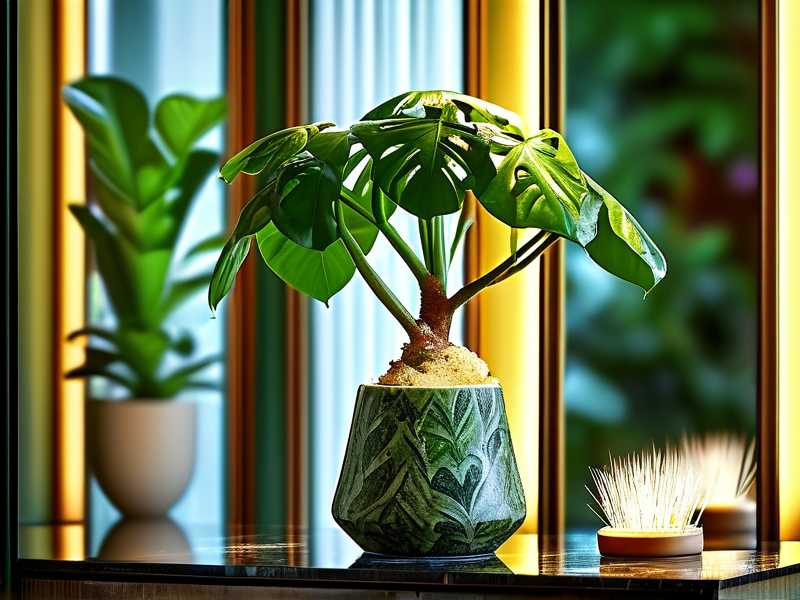
I want you to understand that this is not a one-day fix. It takes persistence. I ran a strict 14-day experiment on my own Pachira aquatica (that is the scientific name for Money Tree). Here is my exact log and my exact results.
Days 1-4: The Shock Phase
I stopped watering completely. I know you might panic. I did too. But I took a wooden chopstick and pushed it deep into the soil. It came out completely clean and dry. That was my trigger to start the experiment. I moved the plant closer to a south-facing window (indirect light, though). The brighter light and airflow help evaporate moisture faster.
I noticed adult gnats still flying around the pot. I ignored them. The adults live about a week. They will not lay eggs on dry soil. They will die off. I also removed the decorative saucer underneath. Standing water in the saucer is a breeding pool. Remove it.
Days 5-8: The Crust Phase
The topsoil started to pull away from the pot edges slightly. That is a good sign. It means the mix is shrinking as it dries. I tested the moisture with my finger every morning. The top two inches were dusty dry. I saw a few adult gnats occasionally, but no new small gnats. That told me the larvae were dying.
I also started a simple surface treatment. I took a 1-inch layer of coarse sand and spread it over the topsoil. This is a mechanical barrier. The gnat eggs cannot survive in pure sand because it drains instantly. Plus, it blocks the larvae from climbing up to pupate. I used cheap aquarium sand. It looks nice too.
Days 9-12: The Death Phase
I did not water. At this point, the pot felt significantly lighter. I remember picking it up and feeling like it weighed half of what it did on day one. That is your physical cue. If the pot is heavy, the soil is wet. If it is light, you are safe to wait.
The gnats were almost gone. I saw maybe one or two stray adults near the window, but they were slow and weak. The larvae were dead. I know because I dug a small hole in the corner of the pot with a pencil. The soil was dry and crumbly. No wriggling white worms. No grayish stuff.
Days 13-14: The Re-watering Moment
This is the trick. I did not do a full soak. I did a bottom-watering session. I placed the pot in a shallow tray of water for 30 minutes. The water wicked up from the drainage holes. The top layer of sand stayed dry. This is crucial because you want the bottom roots to get water, but you want the top layer to remain bone dry for the gnats.
After that, I waited again until the chopstick came out clean. That ended up being another 7 days. But the gnats were gone. I have repeated this cycle for over a year. No recurrence.
3 Fatal Mistakes Beginners Make That Attract Gnats
I have been growing houseplants for over a decade. I have killed at least four Money Trees. I finally learned to stop making these three specific errors. If you fix these, you fix 90% of your gnat problem forever.
Mistake #1: Watering on a Fixed Schedule
You cannot water every Monday. That is insane. The calendar does not know your pot size, your humidity, or your light levels. I used to water every Sunday because I saw it on a YouTube video. That was dumb. My plant suffocated.
I only water now when the soil is dry down to my second knuckle. For a Money Tree in a 6-inch pot, that takes about 12-14 days in winter and 6-8 days in summer. But I never trust the guess. I use a moisture meter. It costs $10. It tells me exactly when the soil is dry at the root zone. This single tool stopped my overwatering habit. Remember, 90% of indoor plants die from overwatering. The gnats are just the warning bell.
Mistake #2: Ignoring Light Requirements
Gnats love dark, damp, stagnant corners. If your Money Tree is sitting in a dark hallway, the soil takes forever to dry. Fungus thrives. I tried to grow mine in a north-facing bathroom once. It was a disaster. The soil stayed wet for three weeks. The gnats had a party.
I moved the plant to a bright room with indirect light for at least 6 hours a day. The leaves got shinier. The soil dried out faster. The gnats left. The RHS states that Pachira aquatica prefers bright, filtered light for optimal growth and root health. I learned this the hard way.
Mistake #3: Using the Wrong Pot (The Hidden Killer)
Drainage holes are not optional. I bought a beautiful ceramic pot with no drainage hole once because it looked classy. I even added a layer of pebbles and charcoal at the bottom. I thought that would help. It did not. The water pooled at the bottom, below the pebbles, and created a permanent anaerobic swamp. The roots rotted. The gnats bred in the murky water.
You need a pot with drainage holes. Use an unglazed terracotta pot if possible. Terracotta wicks moisture away from the soil. It is porous. It helps the top layer dry out much faster. Plastic pots are fine, but they hold moisture longer. I personally use a plastic nursery pot inside a decorative cachepot now. I take the plastic pot out, water it, let it drain fully, then put it back. This ensures the soil dries evenly from the top down.
The Practical Step-by-Step Drying Technique
Let me break down my current watering ritual. It has eliminated gnats completely. You can copy this exactly.
First, I wait for the visual cue. The soil surface turns a lighter brown color. It looks like dry coffee grounds. Then I stick a wooden skewer into the soil all the way to the bottom. I leave it for 5 minutes. If it comes out dry, I proceed. If it has dirt or moisture on it, I wait 3 more days.
Second, when I do water, I use a watering can with a long, narrow spout. I aim the water directly at the base of the stem, not all over the surface. I use about 25% of the pot's volume in water. For a 6-inch pot, that is about 250 ml. I let the water drain out of the bottom holes completely. I never let the pot sit in the runoff water.
Third, I use a small fan. Yes, a desk fan. I place it 3 feet away from the plant, set on low, for 2 hours a day. This creates gentle air movement across the soil surface. It dries the top layer out much faster. The AHS recommends good air circulation to prevent fungal issues in container plants. I swear by this trick. It also strengthens the plant stems.
Fourth, I keep the room humidity below 50% if possible. I use a hygrometer. In humid summers, I run a small dehumidifier near my plant shelf. This dries the substrate faster.
How Fast Will You See Results?
I noticed a significant drop in adult gnat activity after about 7 days. After 12 days, I saw zero flying insects. The key is consistency. You cannot water lightly for the next month. You must commit to the long drying cycle. I am talking about letting the pot dry out so much that the top inch is dusty and cracking.
I know this sounds harsh. But Money Trees are semi-succulent. They store water in their thick, braided trunks. They handle drought much better than they handle swampy feet. I have seen my own plant drop leaves when I overwatered. When I dry it out, the leaves stand upright and firm.
What If You Already Have a Severe Infestation?
If you are seeing clouds of gnats every time you move the pot, you need to combine the drying method with a soil drench. I used a solution of 1 part 3% hydrogen peroxide to 4 parts water. I drenched the soil once, two days after the surface was dry. This kills larvae on contact without harming the plant. But I only did this once. The dry cycle did the rest.
Also, remove all dead leaves from the soil surface. Decaying matter is gnat food. I sweep the top of the soil clean every week. I also scrape off the top 1-inch of soil and replace it with fresh, dry potting mix. This removes any eggs that might be hiding in the top layer.
My Personal Fails You Should Avoid
I want to tell you about the time I used a spray bottle to "lightly mist" the topsoil. I thought I was being gentle. I was just keeping the top layer moist forever. That is the exact opposite of what you need. Stop misting the soil. Mist the leaves if you want humidity, but never wet the soil surface.
I also tried using a layer of perlite on top once. Bad idea. Perlite floats and traps moisture underneath it. Use sand or gravel instead. I stuck with sand. It is heavy enough to stay put and it drains too fast for gnat larvae.
Another fail: I kept my plant in a decorative outer pot without a gap. The inner pot sat flush against the outer pot. The soil stayed cooler and wetter. Now I make sure there is a 1-inch gap between the inner pot and the decorative pot for air circulation.
Common Questions I Get From Fellow Plant Lovers
Q: Will the Money Tree die if I dry the soil too much? I was terrified of this too. But no. The trunk is fleshy and stores water. I left my plant dry for 3 full weeks once while on vacation. The leaves drooped slightly, but after a good soak, they perked back up within 24 hours. The roots were fine. The gnats were dead. The plant is tougher than you think.
Q: How do I know if the soil is fully dry without buying tools? Use a bamboo chopstick. Stick it into the soil and wait 60 seconds. Pull it out. If it looks wet or has dirt sticking to it, the soil is still moist. If it comes out clean and dry, you are good to water. I use this trick every time.
Q: Why are gnats still flying around even though the topsoil is dry? You are likely seeing adult gnats that are dying off. The adults live for about 7-8 days. If they cannot lay eggs, they will vanish. But, you might have gnat larvae living in the saucer underneath the pot or in the drainage tray. I always wash the saucer with soapy water and dry it thoroughly each time I water.
Q: Can I use systemic granules to kill them faster? Yes, I used mosquito bits (BTI) once. But I found that drying the soil is 100% effective and requires zero chemicals. The drying method is also better for the soil microbiome in the long run. I stopped using chemicals because the soil texture improved once I stopped overwatering.
Let’s Wrap This Up Cleanly
If you are tired of gnats, you have to be tough on your watering habits. I know it feels counterintuitive. But the solution is staring you in the face: let the dirt get completely, absolutely dry. I have saved my Money Tree and my sanity by doing this. The plant is thriving. It has put out three new palm-like leaves this month. The soil is light and airy.
I remember the day I decided to stop watering for two weeks. I almost felt guilty. But I checked the moisture meter every day, and the plant never went into distress. It just sat there, quiet, while the gnat larvae died in the hostile, dry desert I created. Now, watering is a rare event. It feels like a treat, not a chore.
The gnat problem will not solve itself with a clever trap or a spray. You have to remove the habitat. Dry soil is your weapon. Use it liberally. Your Money Tree will thank you with glossy leaves and no buzzing insects. Just be patient, check the soil with a stick, and put the watering can down. You got this.