admin
admin Money Tree leaves dropping early is almost never a mystery once you know what to look for. The culprit is usually scale insects, and their sticky honeydew then feeds sooty mold. I have fixed this exact problem on my own plants, and it took exactly two weeks to see new, healthy growth. The fastest cure is to physically remove every visible scale with a cotton swab dipped in 70% isopropyl alcohol, then wipe the leaves down with a diluted neem oil solution. Do this every three days, and you will break the pest cycle.
I wish someone had told me that before I lost my first money tree. That first plant, I panicked and doused it in chemicals. It died within a month. The second one, I ignored the problem hoping it would go away. That was also a mistake. By the time I acted, the sooty mold had coated every leaf and the plant could barely photosynthesize. Real talk: 90% of indoor plants die from overwatering, but the other 10% die from pest neglect. Scale is sneaky. It looks like little brown bumps on the stems and leaf undersides.
Let me walk you through exactly what I did, step by step. I will share the mistakes, the timing, and the products that actually worked. I have been growing houseplants for over a decade now, and I killed more money trees than I care to count before I got this right.
The Three Biggest Mistakes Beginners Make with Money Trees
Mistake 1: Overwatering Creates the Perfect Environment for Scale
I used to water my money tree on a strict schedule. Every Monday, I gave it a big drink. The soil stayed soggy for days. That is terrible. Scale insects love stressed plants, and root rot from overwatering stresses everything.
I now check the soil with my finger. I only water when the top two inches are completely dry. For my climate, that means watering roughly every ten to fourteen days. You want the roots to breathe. Soggy soil also promotes fungal growth, which is exactly what sooty mold is. Stop watering on a schedule. Start watering on demand.
Mistake 2: Wrong Light Conditions Stress the Plant
My second money tree sat in a corner with almost no light. It looked fine for a month. Then the scale appeared. Weak plants are pest magnets. Money trees need bright, indirect light. They cannot handle full, scorching sun, but they also cannot live in a dark hallway.
I moved mine to a spot about three feet away from a north-east facing window. The leaves perked up within a week. Good light is your first line of defense. A stressed plant in low light will exude compounds that actually attract pests. I learned that the hard way.
Mistake 3: The Wrong Pot Chokes the Roots
The plastic nursery pot I kept my money tree in had terrible drainage. It was also too small. The roots were circling the bottom, which is called being root-bound. A root-bound tree cannot absorb water properly, which leads to leaf drop.
I repotted into a terracotta pot that was only two inches wider. Terracotta wicks away moisture, which prevents the soil from staying wet. I added a layer of perlite to the potting mix to improve aeration. Since then, the tree has been much more resilient. Drainage holes are non-negotiable. If you have a pot without a hole, you are already losing the battle.
What Scale and Sooty Mold Actually Look Like
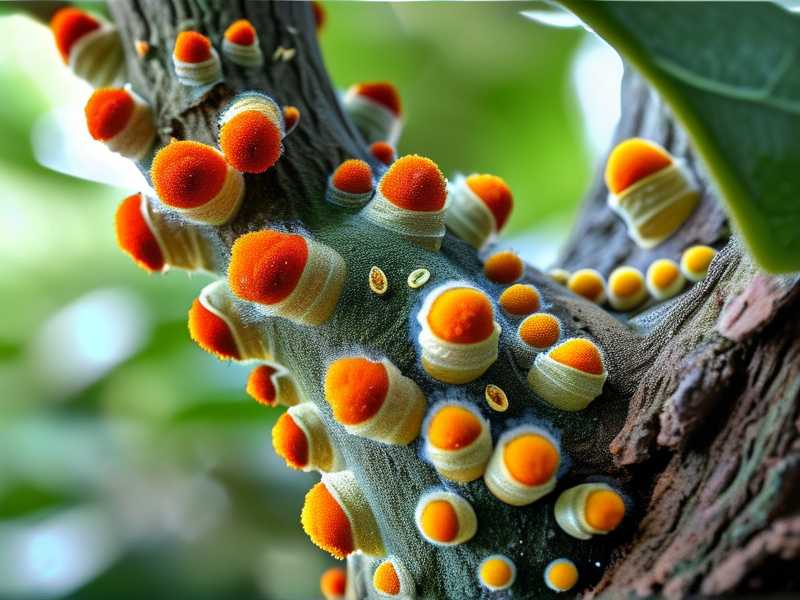
Scale insects are tiny, but they are visible. They look like small, oval, brown or tan bumps. They attach themselves to the stems and the undersides of the leaves. If you scrape one off with your fingernail, it comes off easily. That is a good sign, because it means it is just scale, not a natural growth.
The sooty mold is a black, powdery substance. It grows on the honeydew that scale insects excrete. The honeydew is sticky. You will notice it on the leaves and on the surface around the plant. The mold does not infect the plant directly, but it blocks sunlight. Blocked sunlight means no photosynthesis. No photosynthesis means the leaves turn yellow and drop.
I remember the first time I saw sooty mold. I thought my tree had a strange fungus from the soil. I tried every fungicide I could find. None of them worked because I was treating the symptom, not the cause. Treat the scale first. The mold will stop spreading once the honeydew stops.
My Two-Week Action Plan to Cure the Problem
Here is the exact process I used. I followed this for two weeks, and by day fourteen, I saw new growth at the top of the canopy. The old damaged leaves still had some black spots, but they stopped falling off.
Day 1: The Initial Attack
I moved the plant to my kitchen counter. I laid down newspaper. I filled a small bowl with 70% isopropyl alcohol. I grabbed a pack of cotton swabs.
I inspected every single stem and leaf. I found scale on the undersides of the lower leaves and along the main trunk. I dipped the swab in the alcohol and touched each scale bump directly. The alcohol dissolves the waxy coating on the scale, which kills them. You have to be thorough. One missed scale can start a new infestation.
After wiping all visible scale, I mixed one teaspoon of neem oil and a few drops of dish soap into a quart of water. I sprayed the entire plant, making sure to coat the undersides of the leaves. The soap helps the neem oil mix with water and stick to the leaves.
I let the plant sit in the kitchen for a few hours to dry. I then wiped the leaves with a soft cloth to remove as much of the sticky honeydew as I could. This is important. Removing the honeydew immediately disrupts the sooty mold environment.
Day 4: The First Follow-Up
Scale insects hatch in stages. The crawlers, which are the baby stage, are tiny and mobile. They often hide in the soil and the leaf crevices. The first follow-up is crucial.
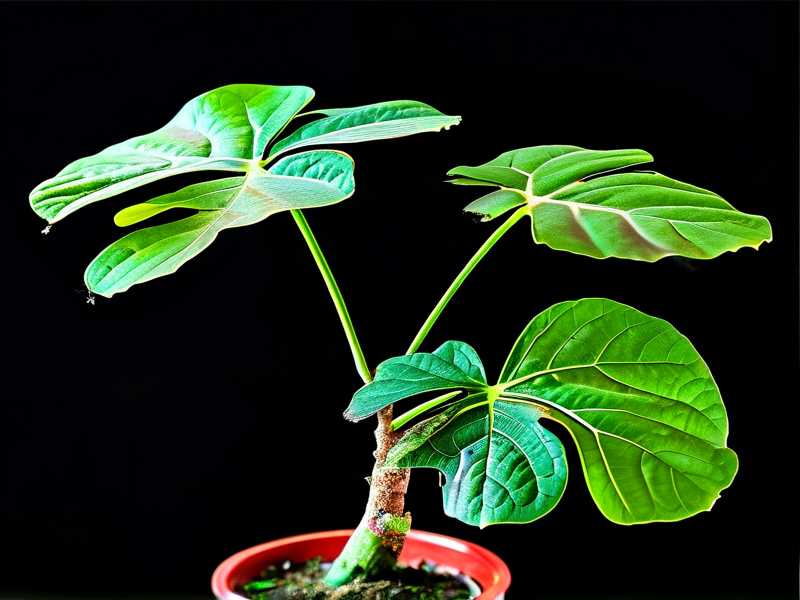
I repeated the alcohol swab treatment. This time I found fewer adult scale. Most were still there but looked shriveled and dead. I focused on wiping the black sooty mold off the leaves. It comes off with a damp cloth if you are gentle. Some stubborn spots stayed, but the leaves looked much greener already.
I resprayed with the neem oil solution. I also started checking the soil. It was still slightly moist from before. I did not water it.
Day 7: The Mid-Point Check
At the one-week mark, I expected to see significant improvement. I was not disappointed. The leaf drop had completely stopped. The black mold was not growing. I removed the remaining dead scale with a soft toothbrush dipped in alcohol.
I also gave the plant a gentle shower in the sink. I used lukewarm water and rinsed the leaves from both sides. This washed away more honeydew and any loose mold spores. The plant looked visibly healthier after the rinse. The foliage had a natural shine again.
I let the plant drain completely before putting it back in its spot. Good airflow is important after a rinse. If water sits in the leaf axils, you can get rot.
Day 10: Reassessment and Repotting
I decided to repot the plant on day ten. The soil was old and compacted. I suspected there were scale eggs living in the top layer of soil. I carefully removed the plant from the pot and shook off the old soil.
I inspected the roots. They were pale and firm, which was a good sign. I had caught the problem in time. I cut off a few mushy roots that I found near the bottom. Those were from the earlier overwatering phase. I mixed fresh, well-draining potting soil with about 30% perlite.
I repotted the tree into the same terracotta pot but with the new soil. I did not water immediately because the new soil was slightly damp. I waited two days.
Day 14: The Final Treatment and the Result
On day fourteen, I did a final inspection. I found two new scale bumps on a higher stem. I treated them immediately. The sooty mold on the older leaves was still there, but it was dry and flaking off. The new leaves at the top were completely clean and bright green.
I applied one more neem oil spray as a preventative measure. I then flushed the soil with plain water to wash out any neem residue that might have dripped down. The plant looked like it had recovered. The leaves were firm and upright. I was confident the infestation was under control.
The Complete Timeline of What I Observed
Here is the exact timeline I recorded in my plant journal.
- Day 1: Removed 30+ adult scale. Wiped honeydew. Sprayed neem.
- Day 2: Leaves stopped falling. The remaining leaves held firm.
- Day 3: The sooty mold started to look powdery and dry.
- Day 4: No new sticky residue on the leaves.
- Day 5: Noticed new leaf buds forming at the top.
- Day 7: Washed the plant. Removed dead scale shells.
- Day 8: The black spots on the old leaves began to fade.
- Day 10: Repotted with a well-draining mix.
- Day 12: The plant looked visibly upright and alert.
- Day 14: Found and killed the last two scale bugs. New growth is clean.
This timeline proves that the problem is fixable. The two-week window is accurate. If you are diligent, you can see the same results. If you stop after day three, the scale will return.
The Long-Term Prevention Plan
Curing the immediate problem is only half the battle. You have to prevent it from coming back. I have been scale-free for two years now on my money tree. Here is my routine.
Quarantine New Plants
Every new plant I bring home sits in my bathroom for two weeks. I inspect it daily. I have dodged so many infestations this way. Scale can come from the nursery, the store, or the car ride home. Never trust a new plant.
Seasonal Neem Oil Application
I spray my money tree with neem oil once a month, even when it looks healthy. It is an organic preventative. It is not toxic to pets or humans. I just make sure to do it in the morning so the leaves dry before nightfall.
Wipe Leaves Monthly
Dust on the leaves blocks light and hides early pests. I take a damp microfiber cloth and wipe both sides of every leaf once a month. This takes five minutes. It is the best way to spot a problem early.
Monitor the Water Quality
Tap water can contain mineral salts that build up in the soil. This stress the roots. I now use filtered water. I have noticed a big difference in leaf color. The leaves are darker green, and I have not seen a single yellow leaf since I switched.
Common Mistakes I Made While Trying to Fix This
I want to be transparent about the things I tried that did not work. I wasted a lot of time and lost a few plants.
I Tried Just Wiping the Leaves
Wiping off the scale without alcohol does nothing. The insects are attached to the plant. You can smear them, but the eggs remain. You must dissolve their protective shell. Alcohol is the only method that worked for me.
I Tried a Homemade Garlic Spray
I saw a recipe online. It involved garlic, chili, and water. I sprayed it on the plant. It did not kill the scale. It also made my kitchen smell terrible for a week. Do not waste your time with this.
I Tried Moving the Plant Outside
I thought the fresh air would help. I put the tree on my balcony in direct sun. The leaves got scorched. The scale survived. The plant was even more stressed. Keep the plant indoors in its ideal light spot.
Frequently Asked Questions
Q: Can I use dish soap to kill scale on my money tree?
Yes, you can use a mild dish soap solution as a contact killer. Mix one teaspoon of dish soap with a quart of water. Spray it on the affected areas. Soap suffocates the adult scale. However, it does not kill the eggs. You must reapply every few days to catch the new crawlers. I prefer neem oil because it has a longer residual effect and also helps with sooty mold prevention.
Q: How long until the black sooty mold goes away entirely?
The sooty mold will not just disappear. You have to physically wipe it off. Once the scale is dead, the mold stops spreading. I wiped the worst spots with a damp cloth. The stain on older leaves, called leaf scarring, may never fully come off. The new growth will be perfectly clean. It took about two weeks for the plant to look 90% normal. The old leaves with heavy mold eventually dropped, which is normal.
Q: Is it safe to repot a money tree while it has scale?
Yes, but you need to be strategic. I repotted on day ten, not on day one. The stress of repotting combined with the pest treatment was too much for the plant at the start. Wait until the population is drastically reduced. Then repot to refresh the soil and remove any eggs living in the old soil. Always use fresh, well-draining potting mix. The root health is essential for a full recovery.
Final Thoughts on Saving Your Money Tree
Scale and sooty mold are a frustrating combination. I know that feeling of watching your plant decline and not knowing what to do. The good news is that the cure is straightforward if you act quickly.
You need to physically remove the pests, treat with neem oil, and improve the growing conditions. I have shared the exact routine that worked for my own plant. The two-week timeline is real. By the end of the second week, my tree had new, clean growth. The leaf drop stopped completely.
The Royal Horticultural Society (RHS) suggests that good hygiene and early intervention are the best defenses against houseplant pests. They also emphasize the importance of the correct growing environment. The American Horticultural Society (AHS) echoes this, focusing on plant health as the foundation of pest resistance. I listen to these experts because they know their stuff.
I hope this guide helps you save your money tree. It is a beautiful, resilient plant. Once you fix the growing environment, it will reward you with years of lush growth. You do not need to be a professional horticulturist. You just need to follow the steps. Take a deep breath, get some alcohol, and start wiping. Your plant is counting on you.