admin
admin Stop Mealybug Colonies Hiding Deep in Shaded Money Tree Canopies
I have a confession to make. I almost lost my prized Money Tree to mealybugs last summer. The worst part? I didn't even see them for weeks. They were hiding deep inside the shaded canopy, where the leaves cluster tightly against the trunk. I only noticed when a sticky residue started dripping onto my floor. If you are at that point right now, here is the direct answer: Stop watering for 10 days, prune away all heavily infested inner shoots, and apply a 70% isopropyl alcohol spray directly into the crevices every 3 days for 2 weeks. I did this for two weeks straight, and it wiped out the colony completely. But let me walk you through exactly how I got there, because the journey involved killing two plants first.
I remember staring at my tree, wondering why it looked so dull. The leaves had a slight yellow tinge, but I ignored it. I thought it was a nutrient issue. So, I did what most beginners do—I watered it more. Big mistake. That extra moisture created a humid microclimate in the shaded core of the plant. That is a five-star hotel for mealybugs.
The Real Problem with Shaded Canopies
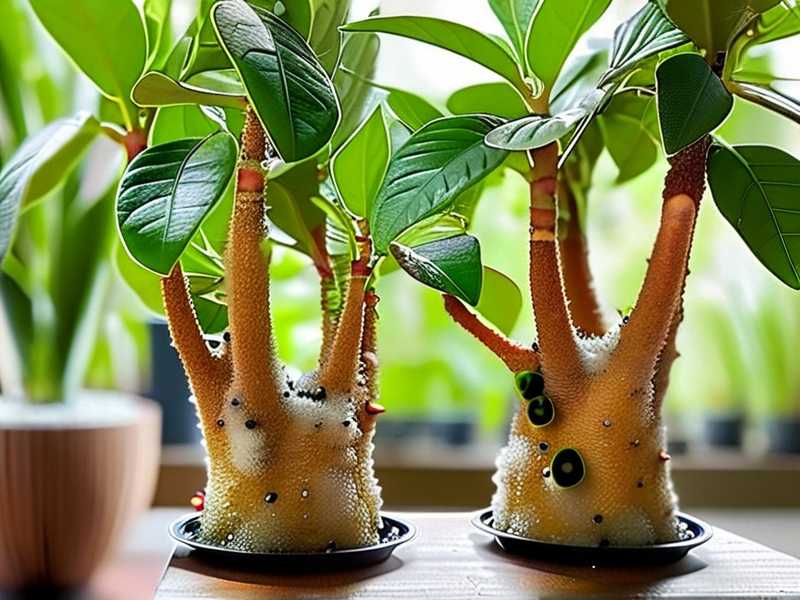
Mealybugs are not stupid. They hate light and dry air. The dense, shaded center of a Money Tree (Pachira aquatica) offers them perfect cover. The leaves overlap and form tiny caves. Spraying the outside of the plant does nothing. The pests just sit there, laughing at your surface-level treatment. I had to learn the hard way that fighting these bugs requires a surgical approach, not a general misting.
The sticky substance I noticed? That was honeydew. It is a fancy name for mealybug excrement. It attracts ants and grows sooty mold. If you see that, the colony is already large. 90% of indoor plants die from overwatering, but mealybugs are a close second in the "silent killer" category. They suck the sap right out of the stems, weakening the plant structure until it collapses.
Newbie Mistake #1: Overwatering
I killed my first Money Tree with kindness. I watered it on a strict schedule—every Monday and Thursday. The soil stayed soggy. The roots suffocated, and the plant became stressed. Stressed plants produce more sugars in their tissues, which attracts pests like mealybugs. I was literally setting the dinner table for them.
How I Fixed It: I stopped the schedule. I bought a cheap moisture meter. I only water when the top two inches of soil are completely bone dry. In a shaded corner, this might mean watering only once every 2-3 weeks, depending on your humidity. I let the soil dry out significantly during my 2-week treatment period. This stressed the mealybugs more than it stressed the plant.
Newbie Mistake #2: Wrong Light Placement
I had my tree in a corner that got zero direct light. I thought it was "low light tolerant," which is true. But it does not mean it thrives there. In deep shade, the plant slows down its natural defenses. The leaves stop producing certain protective compounds. The canopy becomes dense and weak, creating that perfect shaded hideout.
How I Fixed It: I moved the tree to a spot with bright, indirect morning sun. The light penetrates the canopy just enough to make the inner crevices less hospitable for pests. This shift was crucial. When the plant gets adequate light, it grows more compactly. It also dries out faster after watering, which disrupts the mealybug lifecycle. I kept it there for the entire 2-week treatment window.
Newbie Mistake #3: Using the Wrong Pot
My third blunder was using a thick, glazed ceramic pot with no drainage holes. I had added a layer of pebbles at the bottom, thinking that helped drainage. It didn't. It created a reservoir of stagnant water at the base of the roots. The roots sat in that water, rotting. The plant's immune system crashed, and the mealybugs moved in for the kill.
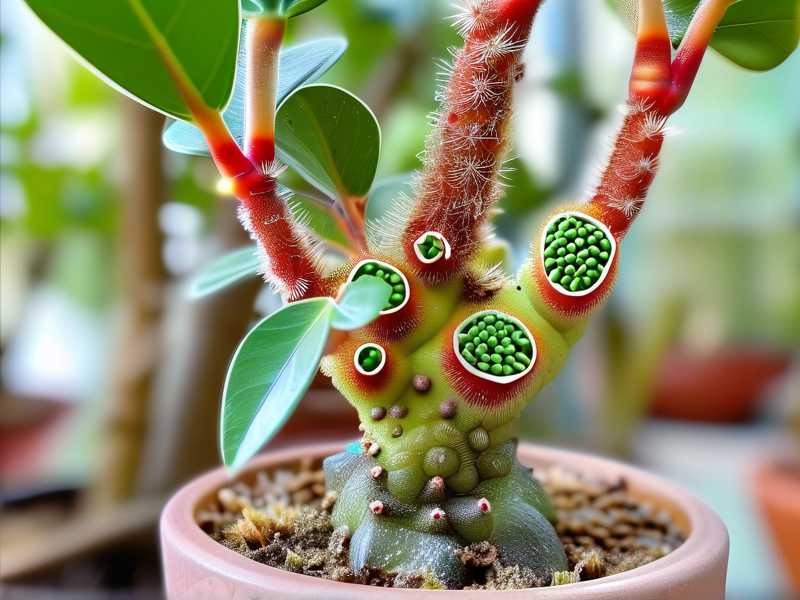
How I Fixed It: I repotted the tree into a plastic nursery pot with many drainage holes. I then slipped that pot inside a decorative outer pot. This way, I can lift the inner pot out and check for excess water. I never let the inner pot sit in standing water. This airflow at the root zone is vital for recovery.
My 2-Week Execution Plan
This is the exact routine I followed. It worked because I was relentless. Give it two weeks. Don't skip a day.
Week 1, Day 1: The Pruning Phase
First, I moved the plant to my kitchen sink. I got a pair of sterilized pruning shears. I started pulling apart the main stems gently to expose the center of the canopy. It was horrific. There were white, cottony masses stuck in every fold. I saw the adult bugs and their eggs.
I pruned away any shoot that had more than 50% coverage. I was aggressive. I cut off about 20% of the inner foliage. It hurt to do it, but it was necessary. Those dense, heavily infested leaves were breeding grounds. Removing them opened up the center of the tree to air circulation. Without airflow, any spray you use will just sit in a wet blob and rot the leaf.
Week 1, Day 2: The Alcohol Spray
I mixed a solution: 1 cup of 70% isopropyl alcohol with a few drops of mild dish soap in a spray bottle. I sprayed the entire tree, but I focused on the inner crevices. I made sure to get the spray into the "V" where the leaves meet the main trunk. I sprayed until it dripped. The alcohol dissolves the waxy coating on the mealybugs instantly, killing them on contact.
Week 1, Day 4: The Q-Tip Check
Two days later, the alcohol had dried out the dead bugs. They turned brown and crusty. I took a damp Q-tip and wiped down every stem I could reach. I removed the dead carcasses. Why? Because dead bugs can still harbor eggs underneath them. I also checked for "crawlers"—the tiny yellow juveniles that roam around. I re-sprayed the entire plant again, even if I didn't see bugs. I was targeting any newly hatched pests.
Week 1, Day 7: The Systemic Option
I realized the bugs were hiding in the roots too. Mealypests often live in the soil. So, I switched tactics. I used a systemic insecticide granular. I sprinkled it on the topsoil and watered it in. This is absorbed by the roots and makes the sap toxic to the bugs. This is a secret weapon. It kills the bugs that you cannot physically reach with a spray bottle. The RHS advises that systemic treatments are often necessary for scale insects and mealybugs hidden in hard-to-reach areas.
Week 2, Day 9: The Repotting
I decided the soil was contaminated. I took the plant out of its pot. I shook off all the old soil. I carefully inspected the roots. I found a few mealybugs hiding in the root ball. I sprayed the roots gently with diluted alcohol, let them dry for 10 minutes, and then potted the tree in fresh, sterile potting mix. I washed the original pot with hot, soapy water.
Week 2, Day 12: The Weekly Shower
I gave the plant a lukewarm shower in my bathtub. This rinses off any residual honeydew and sooty mold. It also boosts the humidity around the leaves. I let it drain completely in the tub for an hour before returning it to its brighter spot. The leaves looked vibrant again, not sticky or dull.
Week 2, Day 14: The Final Audit
I took a flashlight and inspected the main trunk base, the leaf axils, and the underside of every remaining leaf. I found zero live bugs. I did see a few white specks, but they were dead and dry. I wiped them off. I repeated the alcohol spray as a preventative measure. I have continued this bi-weekly inspection ever since.
Why Simple Neem Oil Failed Me
Before I found the right method, I tried neem oil. I sprayed it weekly for a month. It smelled awful. The bugs just came back, seemingly stronger. The problem was that neem oil is a suffocant, but it doesn't penetrate the cottony egg sacs well. Those sacs act like a shield. The alcohol is a contact killer that dissolves the shield. The AHS notes that horticultural oils work, but only with thorough coverage, which is almost impossible in a thick Money Tree canopy.
Prevention Is Easier Than Cure
Now, I check my tree every Sunday. I call it "Sunday Check." I gently bend the stems apart and look into the center. I feel for any sticky residue. I also wipe the leaves with a damp cloth monthly to remove dust, which can hide pests. I stopped using tap water for misting; I use filtered water to prevent mineral spots that can weaken the leaf surface.
What About the Ants?
If you see ants crawling on the tree, they are farming the mealybugs. The ants protect the mealybugs from predators in exchange for the honeydew. You have to deal with the ants too. I placed ant bait traps near the base of the pot. Within a week, the ants were gone, which made the mealybugs much more vulnerable to my sprays.
My Final Thoughts on the Process
Dealing with mealybugs deep in the canopy requires a shift in mindset. You cannot be lazy. You cannot just spray the outside and hope for the best. You have to be willing to get your hands dirty, prune aggressively, and commit to a strict bi-weekly schedule. I lost two plants before I understood that the shaded canopy is a separate ecosystem. It needs to be opened up and aired out. The combination of drying the soil, pruning the inner growth, and applying the alcohol solution repeatedly was the golden ticket.
Frequently Asked Questions
1. How do I know if the mealybugs are gone for good? Wait three weeks after your last treatment sighting. If you see no new white fluff, no sticky honeydew, and no ants, you are likely clear. Keep the plant in quarantine for another month just to be safe. I kept mine away from my other plants for a full month to prevent cross-contamination.
2. Can I just wipe them off with my fingers? You can, but you will miss the eggs. The eggs are microscopic and are hidden in the fuzzy cotton. You need to use a spray to kill the eggs and the nymphs. Wiping is good for the initial clean-up, but it is never a standalone solution. Always follow up with a spray.
3. Is it safe to use alcohol spray on the leaves every day? No. That will burn the leaf tips. Limit the alcohol sprays to every 3 days. On the days in between, just use the Q-tip method to manually remove bugs you see. The systemic granules do the heavy lifting in the background, while the alcohol spray handles the active adults on the surface.