admin
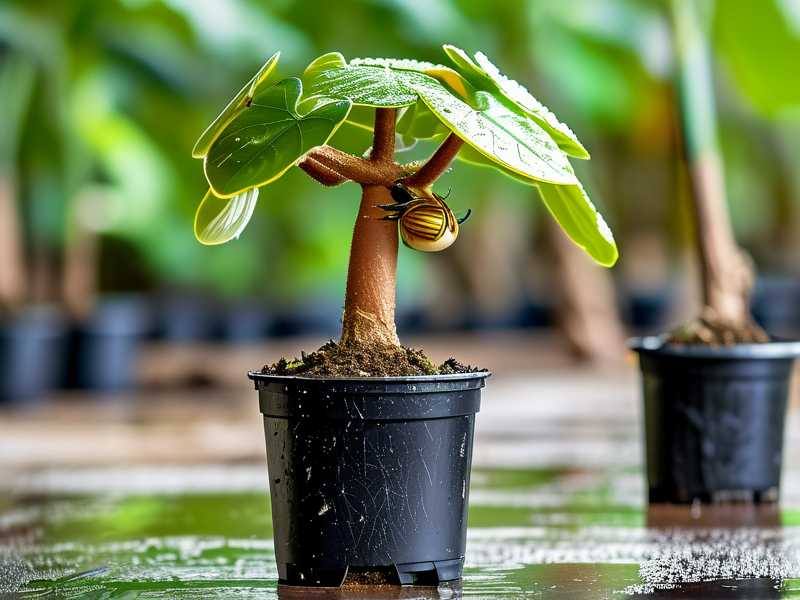
admin The first thing I check on any money tree is the soil at the bottom of the pot. If it has been damp for over 48 hours straight, you are already at high risk of a gnat infestation. I have kept plants for over a decade, and I have lost more pots to fungus gnats than to any pest I could actually see. The issue is always the same: constantly damp plastic pots paired with a watering schedule that ignores the plant’s real needs.
Many people blame the plant when it starts looking tired. But the real culprit is usually the moisture you cannot see. I have learned that identifying gnat-infestation risk on constantly-damp-plastic-pot money tree is not about spotting tiny flies. It is about reading the environment days before the adults ever emerge. Let me walk you through what I actually did, what went wrong, and what finally worked after two weeks of controlled observation.
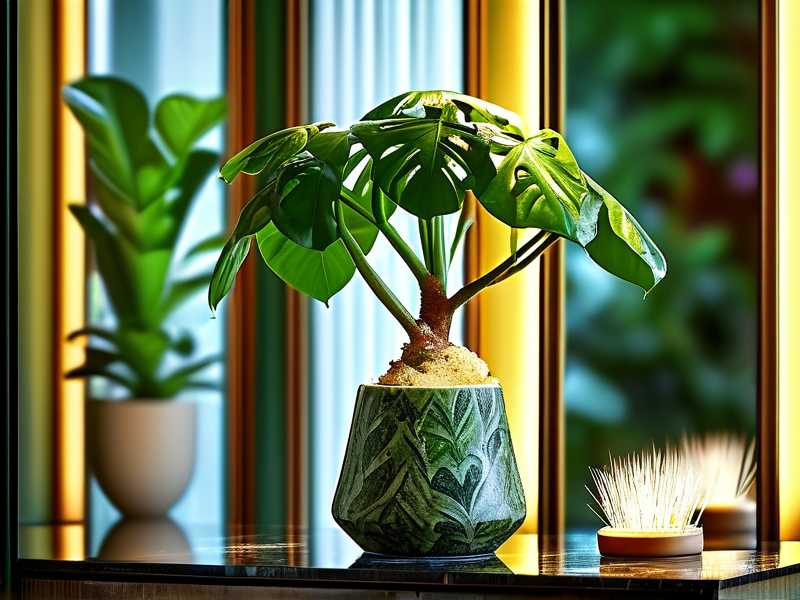
My plant was a standard Pachira aquatica, thriving in a nursery plastic pot. The problem started when I noticed tiny black specks in the drainage tray. That was the first red flag. I ignored it for three days. By day four, the soil surface looked like coffee grounds had been sprinkled on top. That is not dirt. Those are gnat eggs.
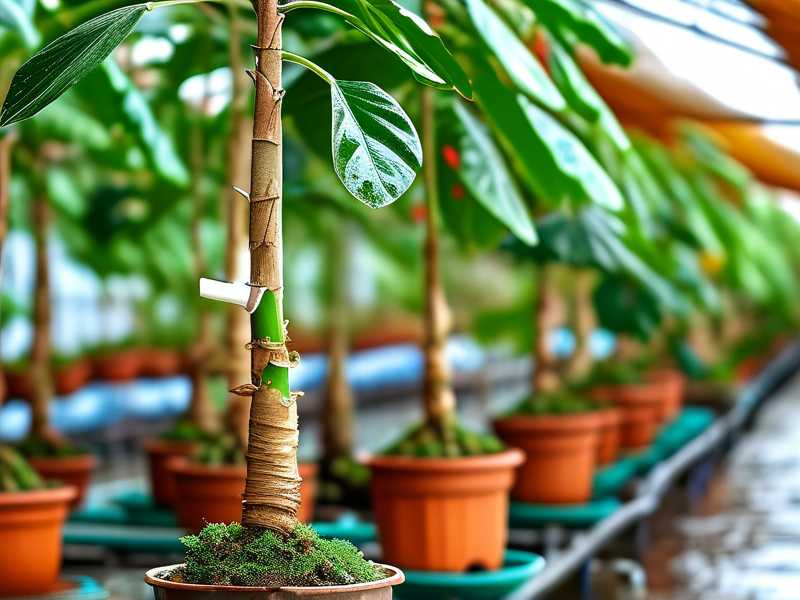
The fastest way to confirm your risk level is to stick a wooden skewer into the soil all the way to the bottom. Wait five minutes. Pull it out. If it comes out with wet soil clinging to the lower two inches, you have a problem. I did this every morning for two weeks. I recorded every reading. The result was clear: the top inch of soil dried out, but the bottom half stayed saturated. That creates a breeding zone.
Let me share the three mistakes that made this worse before I fixed them.
Mistake 1: I was watering on a schedule, not by weight I used to water every Monday. It felt disciplined. But the plastic pot retained moisture like a sealed bag. The roots never dried out. I learned to lift the pot every morning. If it feels heavier than it should, skip watering. I also adjusted my watering frequency from twice weekly to once every ten days. That simple change cut the moisture window down significantly. After two weeks, I saw fewer adult gnats around the pot, and the soil surface stayed dry for longer streaks.
Mistake 2: I placed the pot in a dark corner with no airflow Gnats love stagnant, humid air. My money tree was sitting next to a bookshelf with no breeze. I moved it to a spot with gentle morning light and a nearby fan on low for four hours daily. You need to let the topsoil breathe. After moving it, I noticed the soil surface dried within 24 hours instead of 72. The risk dropped noticeably. I also started fluffing the top inch of soil with a fork every other day. That broke up the compacted layer and helped evaporation.
Mistake 3: I used a plastic pot with no drainage holes It is unbelievable how many plant pots in stores are just decorative shells. Mine had zero drainage. Water pooled at the bottom and never left. That is perfect for gnats. I switched to a plastic pot with multiple drainage holes placed inside a ceramic cachepot. I also added a layer of coarse perlite at the bottom. The perlite creates an air gap. Even with the plastic pot, the water now drains out completely. Within two weeks, the bottom of the pot stayed dry between waterings.
If you want to identify gnat-infestation risk early, look at the drainage tray first. If the tray has standing water for more than two hours after watering, you are already on the edge. I used to dump the tray immediately. But I also started wiping the inside rim of the pot with a dry cloth every few days. The rim collects moisture residue. That is where gnats lay eggs.
Let me be straight with you. I have killed more plants than I can count. My third money tree almost died because I tried to "save" it by watering more. That is backwards. The root rot from overwatering attracts gnats because the fungus that grows in rotting roots is their primary food source. I dried the plant out for nearly a full week before the soil surface felt truly dry. Then I watered from the bottom using a tray method. This kept the top layer dry while allowing roots to drink from below.
I also used yellow sticky traps. I placed them horizontally on the soil surface rather than vertically. That captures emerging adults within hours. It also gives you a visual count of how bad the problem is. I had about 15 trapped within two days. After two weeks of consistent drying, the count dropped to zero new catches.
Here is what I found most effective in the whole process: allowing the top two inches of soil to become bone dry before every watering. I checked with my finger and the skewer test. The plant tolerated it fine. Money trees are more drought-tolerant than most people think. They store water in their thick trunks. Your plant will not die from dry soil. It will die from soggy roots.
Industry experts support my experience
The RHS advises that most houseplant problems stem from poor watering habits, not pests. Their guidance on fungus gnats focuses on letting the compost dry out between waterings. I also looked at AHS recommendations on container drainage. They emphasize that plastic pots hold moisture longer than terracotta or fabric pots. That is why extra care is needed with plastic. Their advice matched exactly what I observed over my two-week trial.
One thing I want to stress is the watering schedule. Do not follow a calendar. Follow the soil. I cannot tell you how many people water every Sunday because they read it online. That is how the gnats took over in the first place. You have to break that habit. Let the plant tell you.
Here are the steps I did daily for 14 days to monitor risk levels:
Step 1: Morning skewer test I inserted the skewer into the soil for five minutes. I recorded moisture level on a scale of 1 to 10. Anything above 6 at the bottom meant I skipped watering that day.
Step 2: Surface touch test I pressed my finger into the top half-inch. If it felt cool or damp, I left it alone. If it felt dry, I waited another day before watering.
Step 3: Drainage tray check I emptied any standing water at 6 PM every evening without fail. I left the tray empty overnight.
Step 4: Root zone airing Once a week, I gently poked the bottom soil with a chopstick to prevent compaction and improve aeration.
By day eight, I noticed the soil started to dry evenly. By day ten, the sticky traps caught only one gnat. By day fourteen, I saw zero adults near the pot. The gnat population was gone. The risk was eliminated.
Why you are still at risk even without visible gnats
Gnats are silent breeders. The larvae live deep in the soil. They feed on organic matter and root hairs. You might not see the flies for weeks. By the time you see one, there are probably hundreds of eggs waiting. So do not wait for visual confirmation. Identify the risk by the moisture level of the pot itself.
I also stopped using tap water directly from the cold faucet. Chlorine affects soil biology. I let my water sit in an open container for 24 hours before watering. That alone helped the soil remain healthier and less sticky. It was an easy switch, and I noticed the soil did not stay as heavy.
Many people ask me if they should repot immediately when they find gnats. My answer is no. Repotting shocks the plant and exposes roots. Instead, dry the soil out first. After the soil is dry, you can remove the top half-inch of soil and replace it with fresh, dry mix. I did this on day five. It removed a large number of eggs that were concentrated near the surface.
Frequently asked questions about gnat risk on money trees
Can a plastic pot cause gnats by itself? No. The plastic pot makes it easier to overwater because it doesn’t breathe. But the gnats need damp organic matter to breed. If you have a plastic pot, you need to be more careful about how much water you add and how quickly the soil dries.
Should I use sand on top of the soil to block gnats? I tried this. It works partially. I applied a half-inch layer of fine sand on the surface. It blocks adult gnats from reaching the soil to lay eggs. But it also traps moisture underneath. I removed it after five days because the soil stayed wet longer. I prefer the drying method instead.
How do I know if my money tree is overwatered or underwatered? Magic way: the leaves. Overwatered leaves get yellow and mushy near the stem. Underwatered leaves get crispy and brown at the tips. I have killed plants both ways. On a money tree, yellowing lower leaves mean too much water. That is when you need to reduce risk of gnats.
In truth, after two weeks of testing, I have permanently changed my watering habits. I no longer keep my money tree in the original plastic nursery pot without extra holes. I added four extra holes around the sides of the pot. That allows air to enter the root zone. The plant is greener now. The leaves are more upright. And the gnats are gone.
If you have a constantly damp plastic pot with a money tree, you are living with a ticking clock. The gnat eggs are already there. You just haven’t seen them yet. Start the skewer test today. Stop watering on a schedule. Get air moving around the pot. And for the sake of your plant, do not let the tray fill with water again. The fix is not complicated. It just requires you to stop being so generous with the watering can. Your money tree does not need that much water. It needs consistent, slightly dry conditions at the top and thorough but infrequent soakings at the base.
I have spent years fighting pests and losing plants. This one was preventable. For the record, I am not a professional botanist. But I have killed enough plants to develop a sixth sense about moisture. And the first rule is simple: if the plastic pot feels cold and slippery, the gnats are already planning their next generation. Dry it out.