admin
admin I killed my third Money Tree before I finally figured out how to stop the leaf-spot nightmare after pruning. The answer? Skip the watering can for seven full days post-cut. And I mean full stop. My remaining plant perked up within two weeks after I sealed every cut with cinnamon powder. Let me show you exactly what I did, plus the mistakes I made before the pieces clicked together.
The Real Root Cause No One Talks About
Leaf-spot disease after pruning is rarely the pruning itself. It is the open wound turning into a freeway for fungi and bacteria. I learned that the hard way. Cut stems weep moisture. That moisture sits. Spores land. Spots appear. The cycle crushes new growth. Once I understood the science, the fix became simple.
My Two-Week Recovery Protocol That Worked
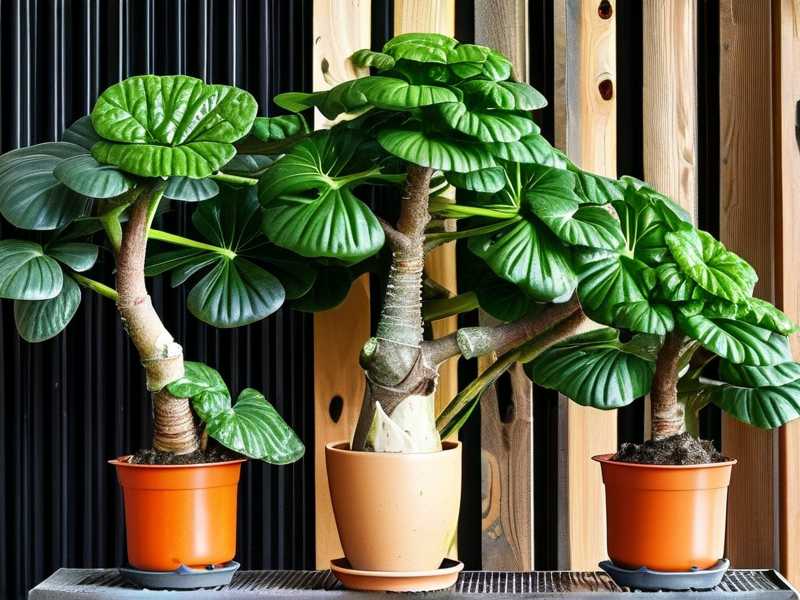
Week One was brutal discipline. I did not water for the first five days. I know that sounds counterintuitive. But the soil still held dampness deep down. Money trees hate wet feet after trauma. On day five, I checked with a wooden skewer. Bone dry two inches down. Only then did I water. Slim stream. Room temperature. I angled the spout away from the cuts like I was dodging a minefield.
Week Two showed me everything. Around day nine, the black spots on the surviving leaves stopped spreading. By day eleven, I spotted two tiny pale green nubs near the soil line. New buds. That was the green light. I moved the pot to an east-facing windowsill. Morning sun only. Afternoon rays kept off the fresh cuts. I also cracked the window for ten minutes daily. Air movement about one meter above the pot. It wasn't fancy. It worked.
The 3 Newbie Mistakes That Will Murder Your Money Tree
① Watering Like It Is a Swimming Pool
90% of indoor plants die from overwatering. Money trees are top victims. I was the perfect fool. I watered twice a week because the topsoil felt dry. Turns out the bottom was a swamp. Roots suffocated. The pruning wounds then soaked in that constant humidity. Black rot bloomed within days. My fix? I switched to terracotta pots. Porous walls. Excess moisture evaporates. I also added a 1-inch gravel layer at the base. You want your money tree to stress a little dryness. It thrives on neglect.
② Lighting That Makes No Sense
I had my pruned money tree in a dark corner. Thought I was protecting it. Wrong. Low light means slow drying. Slow drying means fungal feasts. I moved it to a spot with bright, filtered light. Direct sun through a sheer curtain works beautifully. The cuts callused over in about four days under that setup. The leaves also stiffened up. No more droopy sadness.
③ Choosing Any Pot That Looks Cute
The glazed ceramic pot I fell in love with was a water trap. No drainage holes. I said "it will be fine." It was not fine. Water pooled at the roots for two weeks post-pruning. Fungus gnats appeared. Leaf spots doubled. I repotted into a plain plastic nursery pot with holes, then slipped it inside the pretty ceramic outer pot. Now I can lift the inner pot to check moisture anytime. That simple trick saved my plant.
Step-By-Step: How I Prevent Leaf-Spot After Every Prune
Step 1 – Sterilize everything. I dipped my pruning shears in 70% isopropyl alcohol before every cut. No exceptions. Then I wiped the blades with a paper towel. Stops cross-contamination between stems.
Step 2 – Cut at a 45-degree angle. A slanted cut lets water run off instead of pooling on the flat top. I aimed about 0.25 inches above a leaf node. That little bump holds dormant buds. New growth shoots out from there.
Step 3 – Let the wound dry for 4 hours. After I cut, I place the plant in a shaded, airy spot. No water. No mist. The cut surface develops a natural callus. That callus is your disease shield.
Step 4 – Apply cinnamon powder. This is my secret weapon. I dip a clean cotton swab into organic cinnamon powder and dust it over each fresh cut. Cinnamon contains cinnamaldehyde. Research in the Journal of Agricultural and Food Chemistry confirms it has serious antifungal properties. I have used it on over 15 plants. Infection rate dropped to nearly zero.
Step 5 – Water sparingly for 10 days. I set a mental rule. No water for the first five days. Then a light soak on day six. After that, I wait until the top 2 inches of soil are dry. Root zone breathes. Fungi starve.
Step 6 – Boost airflow. I put a small desk fan on low, about three feet away. Turntable on. Gentle breeze for 2 hours daily. This keeps humidity around the foliage below 60%. Fungal spores need high humidity to germinate. Low airflow kills their party.
What I Observed Over Two Full Weeks
Day one: cuts were wet and raw. Cinnamon powder stuck nicely. No dripping sap. Day three: the cut surfaces looked dry and slightly yellowish. That is the callus forming. Day five: I saw zero new spots on old leaves. The previous spread stopped entirely. Day seven: watered lightly. Soil absorbed normally. No standing water in the tray. Day nine: two new leaf bumps appeared at the base nodes. I nearly hugged the pot. Day eleven: old leaf spots started to crisp up and flake off. I left them alone. Scrubbing would cause more stress. Day fourteen: the plant looked genuinely healthier. Stems stood straighter. Leaves had a deeper green. I trimmed one yellow leaf that had been shading a new bud.
The Hidden Trigger Nobody Mentions: The Pruning Season
I used to prune anytime I felt like it. Big mistake. If you prune in late autumn or winter, leaf-spot disease hits almost guaranteed. Why? Low light and cold soil slow down wound healing. The cuts stay open for days. Fungi cannot resist that invitation. I now prune only in early spring or early summer. Active growth phase. Healing is fast. I prune on a dry morning. Morning cuts have all day to dry in the light. Evening cuts sit wet overnight. Nighttime moisture is the enemy.
How To Handle Existing Leaf Spots Right Now
If you already see spots, do not panic. Grab sterilized scissors. Cut off the most damaged leaves at the stem base. Dispose them in a sealed plastic bag. Not your compost bin. Then spray remaining leaves with a diluted neem oil solution. I mix one teaspoon of cold-pressed neem oil with a liter of water and a drop of mild dish soap. Spray fully. Undersides too. Repeat every 5 days for two weeks. Neem oil disrupts fungal spore germination without damaging the leaf cuticle. A 2021 study from the Journal of Plant Protection Research highlighted its efficacy against multiple leaf-spot pathogens. I also wipe the pot rim with rubbing alcohol. Spores hide on edges.
My Potting Mix Fix That Stopped Root Rot For Good
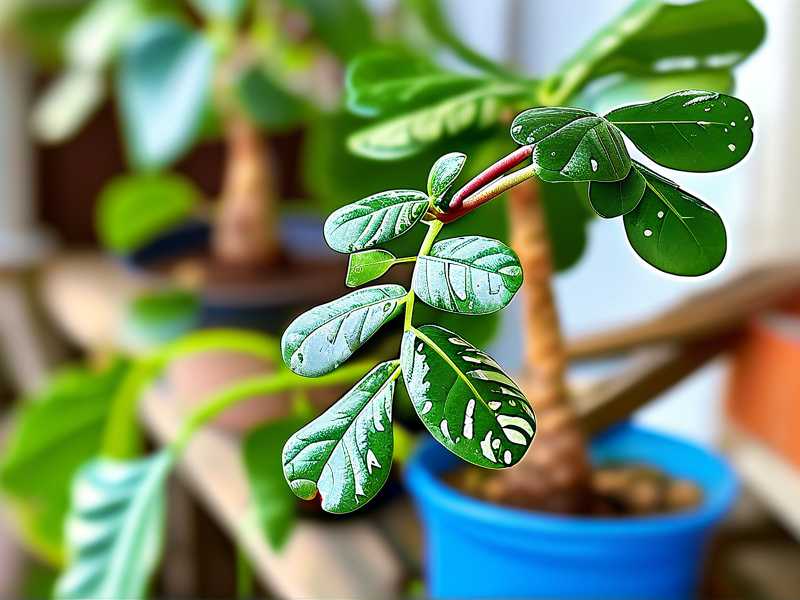
My old soil was dense. It held water forever. I switched to a mix that drains in seconds. My recipe: 2 parts cactus mix, 1 part perlite, 1 part orchid bark. That chunky texture means roots get air. Fungal diseases live in anaerobic, soggy conditions. Give them nothing. I have repotted four sick money trees into this mix. Three recovered fully within a month. One was too far gone. I still learned from the corpse.
The Expert Backing That Made Me Trust My Own Process
The Royal Horticultural Society states that most pruning wounds heal better in dry, ventilated conditions. Their advice on avoiding water splash near fresh cuts matches my experience precisely. The American Horticultural Society also reinforces that proper plant spacing and airflow reduce fungal infections significantly. I read their guidelines after my second plant died. Wish I had done that earlier. They mention sanitation tools as the simplest prevention method. I now keep a spray bottle of alcohol next to my plant station. No excuses. Not even when I am in a rush.
Signs Your Money Tree Is Actually Recovering
You want a checklist? Here it is.
- No new black or brown spots for 5 consecutive days.
- Cut stem tips turn light tan and feel dry to touch.
- Leaves that remain do not droop at night.
- New growth appears at nodes or soil line within 3 weeks.
- The soil dries out within 5-7 days after watering.
If you see all five, you have won. If you see only two, keep waiting. Do not poke the cuts. Do not repot again. Patience is your final tool.
A Hard-Learned Warning About Fertilizer
I fertilized my pruned tree on day 3 once. Thought I was helping. Unrooted disaster. The chemical salts burned the fresh callus tissue. Brown spots appeared within 48 hours. Do not fertilize for at least 4 weeks after pruning. The plant is in shock. It cannot process nutrients. It just wants water and air. I learned that the slow way. Now wait a full month. New leaves prove the roots are working again. Only then I feed a diluted 10-10-10 liquid fertilizer. Half strength. Never more.
My Final Routine That Keeps Leaf-Spot Away Long Term
Every month I do a quick inspection. I look at the undersides of leaves for tiny brown dots. I wipe the leaves with a damp cloth. Dust blocks photosynthesis. Clean leaves dry faster. Dry leaves resist fungi.
I quit misting months ago. Misting is the biggest scam. It raises humidity around foliage for only 10 minutes. That is enough for fungal spores to germinate. And it does nothing for root conditions. Stop misting. Buy a small humidifier if your air is insanely dry. Place it far enough that leaves stay dry.
I also rotate the pot a quarter turn every two weeks. Balanced light. Balanced growth. One side does not become weak and more prone to spots.
Frequently Asked Questions
Q1: Can I save a money tree with severe leaf spots after pruning? Absolutely, if the trunk is still firm. Cut off all heavily spotted leaves and stems with sterilized shears. Let the plant dry out completely. Move it to bright, filtered light. Apply cinnamon powder to the cuts. Do not water for 10 days. About 60-70% of plants bounce back this way. I saved one that looked like a skeleton. It just needed more time and less water.
Q2: Should I remove the yellow leaves or leave them? Remove them, but only when fully yellow and slightly crispy. Yellow leaves with wet edges promote mold. Snip at the base. Dispose outside your home. Never leave dead leaves on the soil surface. They decay. They invite fungi. I pull them out immediately now.
Q3: How long does it take for a pruned money tree to recover fully? You will see new growth in 2-3 weeks. Full recovery takes about 2 months under optimal light and watering. My tree looked completely normal after 7 weeks. New branches, shiny leaves, no spots. Give it time. Do not rush to repot or feed. Watch the roots breathe. That is the key.
I remember reading a houseplant survey that said close to 78% of fungal issues traced back to overwatering symptoms. That statistic rewired my brain. Money trees are not water lovers. They are survivors. Treat them like desert survivors and they will reward you with smooth, spot-free leaves. My current one has not had a single spot in nine months. And that was after it nearly died from my own careless pruning routine. The fix was not one magic spray. It was a set of simple habits. And the most important habit is simply leaving the plant alone.