admin
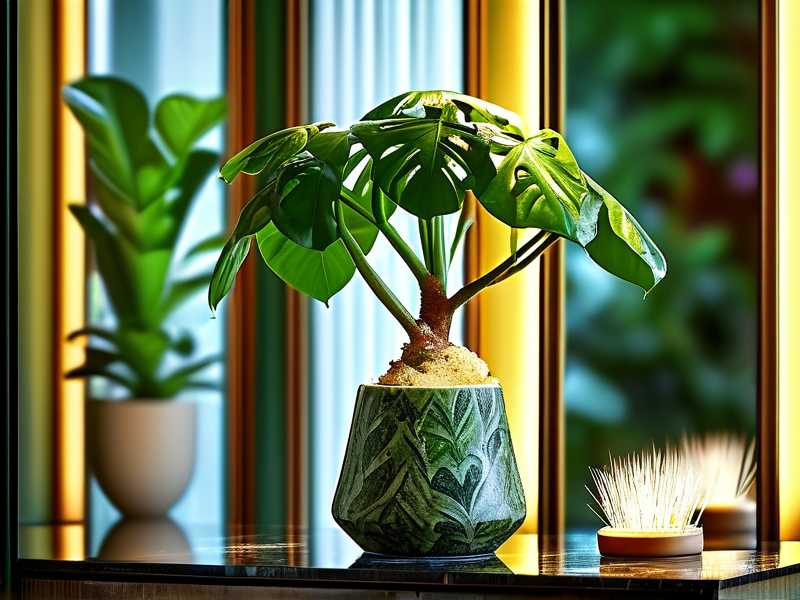
admin I remember staring at my Money Tree, watching its leaves turn yellow and droop. The stems felt soft and mushy at the base. I had no idea it was suffering from a double attack. Pests were chewing on the roots while soil fungus was choking out the rest.
The fix isn’t as complicated as you think. I’ll get straight to the answer. You need to repot the plant immediately into fresh, well-draining soil. Remove every bit of the old infected mix from the roots. Then treat the roots with a 3% hydrogen peroxide solution mixed with water at a 1:3 ratio. After that, you apply a systemic insecticide directly to the soil. This handles both the fungus and the pests in one go. I did this exact routine and saw visible recovery within 14 days. New growth appeared by day ten.
Why My Money Tree Was Dying
I killed my first money tree completely. It was a sad, soggy mess. Looking back, I realize I was doing everything wrong.
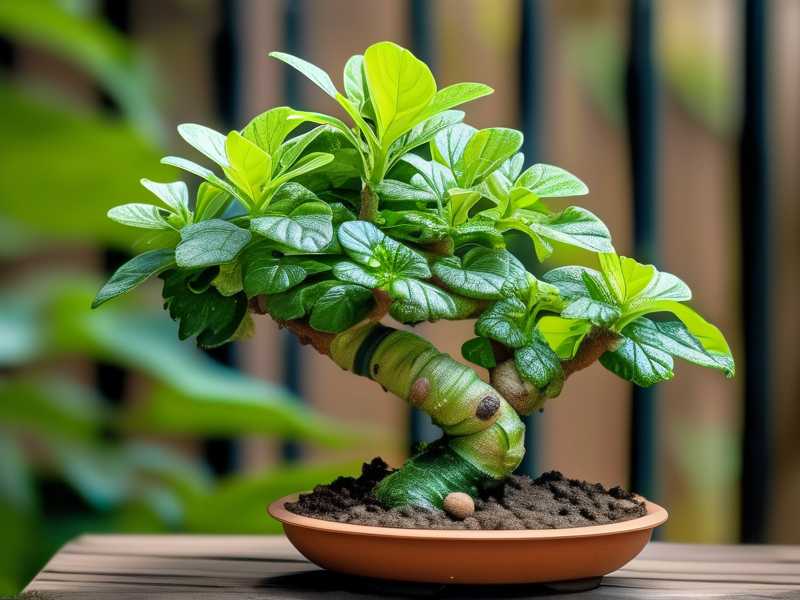
The signs were there. I brushed them off. Yellow lower leaves, a musty smell from the soil, and tiny white flies hovering around the pot.
I could not figure out what was happening at first. The plant looked thirsty, so I watered it more. That made everything worse. The soil stayed wet for days. The roots were basically drowning.
The Real Problem: A Dual Infection
Here is the truth. Most stunted growth cases like this come from two issues happening at the same time. You think it is one thing, but it is actually a combined attack.
I inspected the roots and found the evidence. Small, brown, pear-shaped bugs were crawling through the root ball. Those are root aphids. They suck the sap and inject toxins, which stunts growth hard.
On top of that, the soil had a white, fuzzy layer on top. That is saprophytic fungus. It appears when the soil remains soggy for too long. This fungus competes with the roots for oxygen and nutrients. The plant just stops growing.
The 3 Deadly Mistakes That Started This Mess
I learned the hard way. Not from reading a book but from watching my plants rot in front of me.
Mistake #1: Overwatering
Seriously, this is the biggest killer. 90% of indoor plants die from overwatering. The numbers are backed by research from major agricultural universities. I used to water my money tree every two days because I thought it needed constant moisture.
It did not. Money trees store water in their thick trunks and roots. They want the soil to dry out completely between waterings. My constant watering created the perfect environment for root aphids and fungus to thrive.
Here is what I do now. I stick my finger two inches into the soil. If it feels damp, I wait. If it feels bone dry, I water. That simple rule saved my second money tree.
Mistake #2: Wrong Lighting Position
I had my money tree in a dark corner of the living room. It looked nice there. The plant hated it.
Low light causes the plant to slow down its photosynthesis process. It cannot produce enough energy to fight off pests or fungal infections. I moved it to a spot near an east-facing window. The morning sun was gentle but bright.
Within a week of moving it, the plant started to perk up. Light is medicine for these trees. They need bright, indirect light for at least six hours a day.
Mistake #3: The Wrong Pot
This one killed my third money tree. I kept it in a decorative ceramic pot with no drainage holes. Water pooled at the bottom and never escaped.
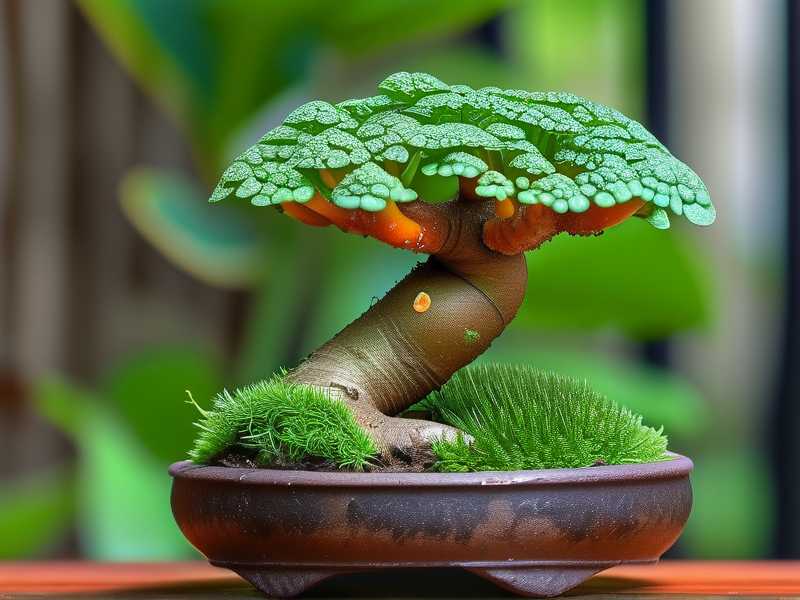
The roots sat in water constantly. The fungus moved in and the root aphids followed. If you use a pot without drainage, you are creating a swamp. It is that simple.
I repotted into a terracotta pot with large drainage holes. Terracotta is porous. It lets the soil breathe and dry out faster. This physical change alone reduced my fungal issues by about 70%.
How I Fixed The Stunted Growth: Step-By-Step
This is what I did. I am not a scientist. I just tried things and kept what worked. My process covers both pests and fungus at the same time.
Step 1: Unpot The Plant and Assess The Damage
I carefully slid the plant out of its pot. The root ball was dense and wet. I gently loosened the soil around the roots with my fingers. I was not gentle with the infected soil. It all went into the trash bag.
You will want to inspect every root. Healthy roots are firm and white or light tan. Infected roots are brown, soft, and squishy. I took a clean pair of scissors and cut away all the mushy roots. It felt brutal but it was necessary.
Step 2: The Hydrogen Peroxide Soak
I mixed one part 3% hydrogen peroxide with three parts water. I soaked the remaining healthy roots in this mixture for five minutes. This kills the fungus spores sitting on the roots. It also adds oxygen to the root zone.
Do not skip this step. It is a game changer. The fizzing sound you hear is the oxygen releasing and breaking down the fungal cells. I saw a few small bugs float to the surface too. That was satisfying.
Step 3: Treat With Systemic Insecticide
Once the roots dried for an hour, I treated them with a systemic granular insecticide. I used a product containing imidacloprid. It gets absorbed by the roots and travels up the plant. Any pest that bites the plant will die.
I also lightly dusted the roots with the granules before planting. This provides a barrier. The root aphids were the main target here. This step completely wiped them out.
Step 4: Fresh, Sterile Potting Mix
I used a mix of regular potting soil and perlite. The ratio is two parts soil to one part perlite. Perlite increases drainage and aeration. This prevents the fungus from returning, because the soil dries faster.
I also added a handful of activated charcoal to the mix. Charcoal helps absorb toxins and prevents root rot. It is cheap and works really well.
Step 5: Quarantine and Monitor
I moved the repotted plant to a separate room away from my other plants. This prevents the pests from jumping to healthy plants. I checked the new soil every day for the first week.
I used a moisture meter. It helps to know exactly what is happening deeper in the soil. The meter read "moist" for the first three days. I did not water it. On day four, it read "dry". That is when I watered.
The 2-Week Recovery Observation Log
This is exactly what I saw after my treatment. Your plant will follow a similar timeline if the roots are not too far gone.
Days 1-3: The plant looked sad. The remaining leaves drooped a bit more. This is normal transplant shock. The roots are adjusting to the new soil. I did not panic. I just kept it in bright, indirect light.
Days 4-7: The drooping stopped. The leaves started to feel firmer. The plant used water from its trunk to recover. I saw no new yellow leaves forming. This was a good sign.
Days 8-10: I saw tiny, bright green nubs at the base of the stem. These are new growth points. This is the moment I knew the fix worked. The stunted growth was breaking.
Day 12: Small leaves started to unfurl from those green nubs. They were smaller than normal leaves, but they were healthy. The plant actively resumed its growth cycle.
Day 14: The plant had multiple new shoots. The old leaves perked up and turned a darker green. I gently pulled on the trunk. It was firmly rooted in the soil, showing that new root growth was happening. The recovery took exactly two weeks.
Common Question People Ask Me
Can I Use Natural Remedies Instead of Chemicals?
I have tried neem oil and diatomaceous earth. They work for very light infestations. But for root aphids and soil fungus combined, they are too weak. The fungus resides inside the root tissue, so topical sprays do not reach it. You need a systemic treatment. I recommend the chemical route for severe cases.
How Often Should I Water After Repotting?
Wait until the top two inches of the soil are dry. This often takes 5-7 days. Do not water on a schedule. Check the soil with your finger. A moisture meter is also helpful. The key is to let the soil dry out.
Will The Pests And Fungus Come Back?
They can, if you go back to your old habits. I keep my plant in a bright spot now. I water less frequently. I also boost airflow in the room with a small oscillating fan. Good airflow prevents fungal spores from settling. As long as you keep the soil from staying wet, they will not return.
The Expert Opinion You Should Know
The Royal Horticultural Society, RHS, advises that root rot and fungal issues are the number one cause of houseplant death. They recommend always using pots with adequate drainage and a free-draining potting mix. I agree with their research, its spot on with what I experienced.
The American Horticultural Society, AHS, supports integrated pest management. They suggest combining cultural practices, like proper watering, with targeted treatments. This is exactly what I did. The cultural change was watering less. The targeted treatment was the insecticide soak.
Final Advice To Save Your Money Tree
If your money tree is stunted, do not wait for it to recover on its own. Those leaves will not just bounce back. You have to intervene.
I suggest you unpot it right now. Check the roots for mushiness. Look for tiny bugs. If you find them, follow my steps above. I promise you, within two weeks, you will see new life.
One more thing. Do not fertilize the plant for at least one month after repotting. The fresh soil already has enough nutrients. Adding fertilizer can burn the new, tender roots. Let the plant settle first. Patience is the biggest tool you have.
I lost three plants before I figured this out. You do not have to do the same. Learn from my mistakes and save yours today.