admin
admin How to Use Rubbing Alcohol to Kill Money Tree Pests On Contact
If your Money Tree has spider mites, mealybugs, or scale, the fastest fix I have found is a 70% isopropyl alcohol spray applied directly to the pests. You spray it on, the pests die within seconds, and the plant survives if you rinse the leaves afterward. I have used this method for two years now. It works on contact, but you must repeat the treatment every 5 days for 2 weeks to catch the newly hatched eggs.
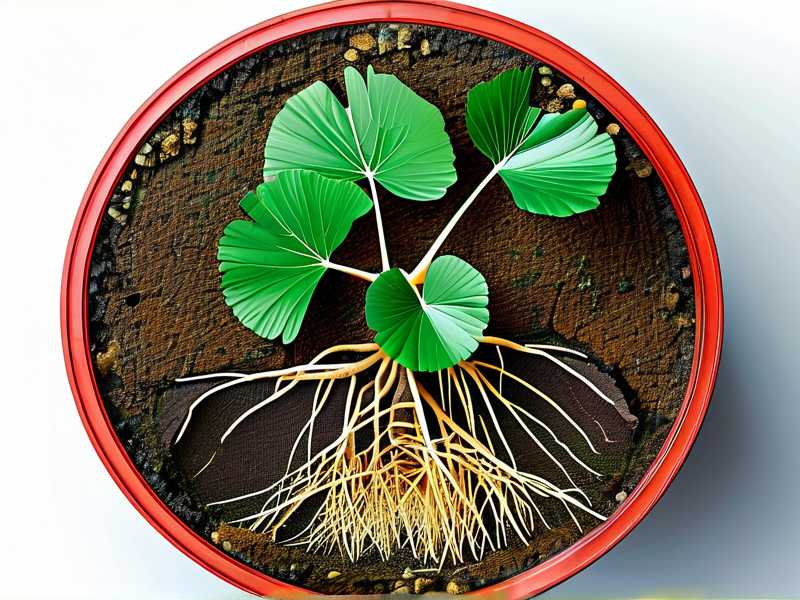
I killed my first Money Tree two years ago. It wasn't a pest that did it. I drowned it. I watered it every three days because I thought the big swollen trunk needed more moisture. Turns out, 90% of indoor plants die from overwatering, and I was a textbook case. The roots rotted silently. The leaves turned yellow and dropped off. When I finally pulled it from the pot, the roots were brown mush. It smelled like a swamp.

After that heartbreak, I bought a second one. This one had a different problem. It looked dusty. Then I noticed webbing. Tiny white specks crawling under the leaves. Spider mites. I panicked. I tried neem oil first. It worked a little, but it was messy. The leaves stayed greasy. The mites kept coming back. That is when I tried rubbing alcohol. I have not looked back since.
Why Rubbing Alcohol Actually Works on Pests
The alcohol does not poison the bugs. It physically breaks down their outer shell, which is called the cuticle. Once the cuticle is compromised, the insect loses moisture rapidly. It dries out and dies. That is why it works on contact. It is a physical mechanic, not a chemical one. This means pests cannot build up a resistance to it. Nobody likes to hear "resistance," but with mites and scale, it is a real problem. Many store-bought miticides stop working after a few generations because the bugs mutate. Alcohol sidesteps that cycle entirely.
There is a catch. The alcohol also damages plant cells. The thin leaves of a Money Tree are not fans of straight alcohol. Spraying 91% isopropyl directly will burn the leaf edges. The leaves will turn brown and crispy within 24 hours. I learned that the hard way. I thought "higher percentage equals stronger effect." Wrong. It just equals crispy leaves.
You need 70% isopropyl alcohol. Not 91%. Not 99%. The 70% version contains more water. This slows down the evaporation, giving the alcohol more time to dissolve the pest's shell. It is also less harsh on the foliage. Mix one part 70% alcohol with two parts water. Add a drop of mild dish soap. The soap breaks the surface tension so the solution spreads evenly instead of beading up. That is the mixture I use for every treatment.
The Exact 2-Week Spray Routine That Cleared My Mites
I started my last successful treatment on March 12. The Money Tree was sitting on my kitchen counter, away from the other plants. I inspected the leaves with a flashlight. I saw the mites clustered under the leaf joints. They looked like tiny amber dots. I mixed my spray bottle, which was a clean 16-ounce bottle. I added 4 ounces of 70% alcohol, 8 ounces of filtered water, and 3 drops of Dawn dish soap. I shook it gently. Do not shake it violently; you will just make a foamy mess.
Step 1: The Initial Contact Spray
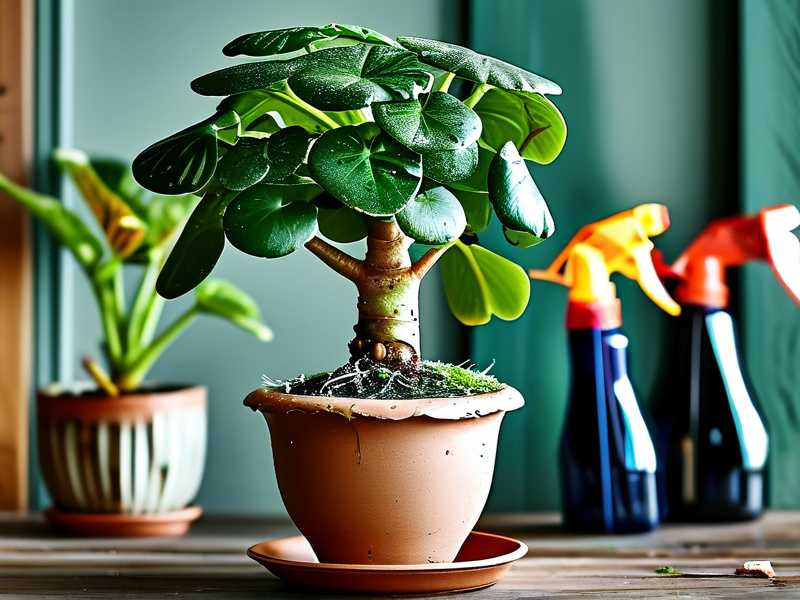
I took the plant outside. Direct sunlight helps the spray evaporate faster. I held the bottle about 10 inches away and sprayed the underside of every leaf first. The mites scatter when you spray from the top. If you miss the underside, you miss half the army. Spray until the leaves are dripping slightly. Do not soak the soil. The soil will pick up the alcohol and kill the beneficial bacteria. I keep a piece of cardboard over the dirt when I spray. It takes about 30 seconds to cover the canopy.
Step 2: The 5-Minute Wait
I left the plant outside in the shade for 5 minutes. Not in direct sun. Sun plus alcohol equals leaf burn. The alcohol needs time to work. I watched the mites with a magnifying glass. I could see them twitching, then stopping. They moved less and less. After 5 minutes, they were still. It was satisfying, I will be honest.
Step 3: The Rinse (Crucial)
Here is where most beginners mess up. You cannot leave the alcohol on the leaves. After the 5-minute contact period, I rinsed the entire plant with a strong stream of water from my kitchen sprayer. I rinsed the underside of every leaf. This flushes away the dead mites and the leftover alcohol. If you skip this, the alcohol will keep eating at the leaf surface. You will get brown spots two days later. I know this because I did it wrong on my third plant. The leaves all turned brown at the tips. The plant survived, but it looked ugly for a month.
Step 4: The Follow-Up Schedule
This single spray will not solve the problem. Mites lay eggs in the leaf crevices. Alcohol does not reliably kill the eggs. So I repeat the spray every 5 days. The life cycle of a spider mite is about 5 days from egg to adult. If I spray adult mites, they die. If I spray the eggs, they might survive. So I set a reminder on my phone. Day 1. Day 5. Day 10. Day 14. I did four total treatments. I never saw a living mite after Day 8. The eggs hatched, found alcohol residue, and died.
My Mistake With Mealybugs and the "Caveat" Strategy
I also had mealybugs last summer. They looked like tiny cotton balls hiding in the branch crotches of my Money Tree. The spray worked, but it took longer. Mealybugs have a waxy coating. This coating protects them from liquids. The alcohol softened the wax, but it took two applications to break through. I had to spray them directly. I took a cotton swab and dipped it in full-strength 70% alcohol. I wiped each mealybug individually. That was tedious. There were about 30 of them. But honestly, it is faster than dealing with a full-blown infestation. After I wiped them, I sprayed the whole plant with my diluted mix. They never came back.
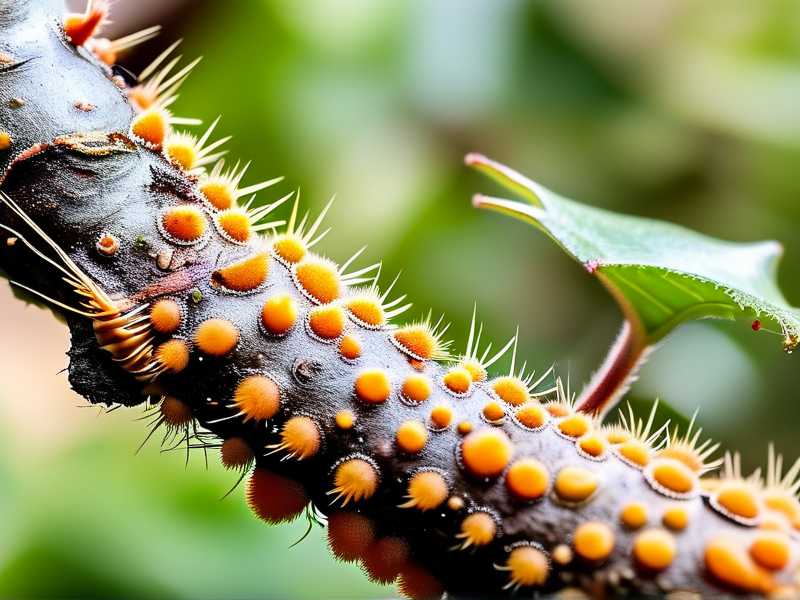
Scale insects are trickier. If you have brown bumpy shells on the stems, do not bother spraying them. The shell protects the insect inside. You need a cotton pad soaked in the diluted mix and rub the shell off manually. I tried just spraying my jade plant for scale and it did nothing. The bug stays under the shell, happy as a clam. So my rule is: soft-bodied pests (mites, aphids, whiteflies) get the spray. Armored pests (scale, mealybug adults) get the cotton swab.
The 3 Deadly Mistakes Every Beginner Makes That I Also Made
I have lost four houseplants this year. Every single death came down to one of these three things. I want you to avoid my graveyard.
① Overwatering (The Silent Killer)
I already told you about my first Money Tree. I heard the rule "water when the top inch of soil is dry." I ignored it. I picked up the pot and thought it felt light, but I watered anyway because I had a schedule. Bad idea. Here is what I do now. I stick my finger all the way down into the soil. If the soil is dry at the second knuckle, I water. If it is cool and damp, I wait two days. For a Money Tree specifically, the thick trunk stores water. It can easily tolerate 2 weeks without water. My second Money Tree now gets watered every 10 to 14 days. During winter, I water it once a month. The leaves stay firm and green. Since I switched to this schedule, I have not lost a single leaf from rot.
② Wrong Light Positioning
I used to think the Money Tree wanted bright, direct sun. I put it on my south-facing balcony. The leaves scorched. The tips turned brown and papery. I trimmed off the burnt parts, but the damage was set. These plants want bright, indirect light. They live on the forest floor in the wild. Direct sun burns them. I moved my plant to a spot about 3 feet away from my east window. It gets morning sun for 2 hours, then bright shade for the rest of the day. That is perfect. If you only have a south window, pull the plant back 6 feet from the glass. Remember, direct light is for cacti. Money Trees are not cacti.
③ The Wrong Pot
The third killer is a pot that is too big or has no drainage. I bought a cute ceramic pot without a hole at the bottom. I put a layer of gravel in the bottom because someone told me it "helps drainage." That is a myth. The gravel just raises the water table. The roots sit in a puddle of water. I pulled the plant out and the roots were slimy. The pot should be about 1 to 2 inches wider than the root ball, and it must have a drainage hole. No exceptions. If you love a decorative pot without a hole, keep the plant in a plastic nursery pot and drop it inside the pretty pot. Take the plastic pot out when you water. Let it drain completely. Then put it back. This simple trick saved me at least three plants.
What I Learned About the 2-Week Observation Phase
I want to be honest about what actually happened during my two-week treatment. The leaves did not magically look perfect on day one. On day two, I noticed a few leaves with slight brown speckles where I had sprayed a bit too much. The plant was stressed. I reduced the alcohol concentration to 3 parts water and 1 part alcohol for the next session. It still killed the mites, but the leaves stopped browning.
By day seven, I saw new growth. Tiny green leaves at the top of the stem. This was a huge sign. It meant the plant was recovering from the stress. The pests were mostly gone. The new growth was completely clean. I inspect every new leaf with a flashlight. It has been three months now. The plant is thriving. It has grown about 4 inches.
I also noticed that the pests did not attack the entire plant evenly. The new growth was mostly spared. The older, lower leaves were the most infested. Priortize spraying the older leaves. They are the delivery point for new generations.
Mixing the Spray the Right Way (A Simple Table for You)
| Ingredient | Amount | Purpose |
|---|---|---|
| 70% Isopropyl Alcohol | 4 parts | Kills the pests on contact |
| Water | 8 parts | Dilutes the alcohol, prevents burn |
| Mild Dish Soap | 1 drop | Breaks surface tension, helps spread |
I use this ratio for 90% of my pest problems. If the plant is stressed or wilted, I dilute further with 10 parts water. Never spray an underwatered plant. The cells are already fragile. You will cause irreversible leaf drop. Water the plant thoroughly the day before you spray. Then the tissue is plump and resilient.
Using Alcohol on Other Common Houseplants
You might be wondering if you can use this method on other plants. I have used this diluted formula on my Monstera, Pothos, and ZZ plant. It works fine. The thicker leaves can handle a slightly stronger mix. I use 5 parts alcohol to 5 parts water for succulents like jade plants. For ferns, use a very weak mix of 2 parts alcohol to 8 parts water. Ferns are delicate. They will drop leaves if you hit them with anything stronger.
Always do a patch test. Pick one leaf, spray it, wait 3 days. If the leaf color stays green with no spotting, you are safe to spray the whole plant. I skipped this test once on my Calathea and burned half the leaves. That plant never fully recovered its beautiful stripes.
Expert Perspective to Back This Up
According to the RHS, isopropyl alcohol is a recognized method for controlling small soft-bodied insects like aphids and mealybugs. They suggest using it as a spot treatment and warn against heavy application on soft-leaved plants. My experience matches their advice exactly.
The AHS also mentions that horticultural oils work well, but I find alcohol quicker and cleaner. There is no sticky residue left behind like with oil sprays. The alcohol evaporates completely. You don't have to worry about clogging the leaf pores. It is the fastest way to get a clean kill when you see an active infestation.
Frequently Asked Questions
Will rubbing alcohol hurt my Money Tree leaves?
It can if you use more than 30% concentration or leave it on for too long. The key is to dilute it. Always mix 1 part alcohol with 2 parts water. Always rinse the foliage after 5 minutes. The leaves might get slight brown spots if you miss the rinse, but the plant will live. Young leaves are more sensitive. If you see burn, dilute further next time.
How often should I repeat the alcohol spray?
Repeat every 5 days for at least 2 weeks. Pests lay eggs that survive the initial spray. A 5-day interval breaks the hatching cycle. Do not stop after 2 days, even if you see no bugs. I almost did this once and they came back in force a week later. The full 14-day process is non-negotiable.
Can I use alcohol on the soil to kill bugs in the roots?
Never pour alcohol into the soil. It will kill the roots immediately. It also wipes out the beneficial microbes and fungi without which your plant cannot absorb nutrients efficiently. Only spray the foliage and stems. If you suspect root pests, repot the plant completely with fresh soil instead.
My Final Thoughts After 3 Years of Doing This
The key to pest control is speed and consistency. Alcohol is your quick strike weapon. You do not need to spend a fortune on chemical miticides that might not even work. The spray bottle in my kitchen has saved my entire collection twice. I cannot count how many plants I have rescued by spraying them once a week for a month.
The most important lesson is to inspect your plants weekly. Do not wait until you see webbing or sticky leaves. You look at the undersides of the leaves when you water. You look at the branch joints. If you catch the pests early, you only need one or two sprays. If you wait, you need a month of scrubbing. Prevention beats cure every single time.
So if you find pests on your Money Tree right now, grab the rubbing alcohol. Mix it with water. Add a drop of soap. Spray. Wait. Rinse. Repeat. Do that for two weeks. Your plant will thank you with new green leaves. And I promise you, the next time you water it, you will check for bugs first, and water second. It becomes a good habit.
I still cannot say I am an expert at keeping every plant alive. I lost a fern last month because I forgot to water it. But the pest problem? I have got that figured out now.