admin
admin How to Keep Spider Mites Off Winter-Indoor-Brought Money Tree
You brought your money tree inside for winter, and now you see fine webbing and stippled leaves. The direct answer: quarantine the plant for two weeks, blast every leaf with lukewarm water, apply insecticidal soap twice, and raise humidity to 50% or higher. I learned this the hard way after losing a four-foot specimen to these tiny suckers. Spider mites thrive in dry, warm indoor air, which is exactly what winter creates. Here is my exact routine, tested over 14 days, plus every mistake I made so you can skip the suffering.
What Actually Kills Spider Mites on a Money Tree
Let me be clear about something first. The worst thing you can do is panic and drench the soil with pesticides. Spider mites live on the leaves, not in the dirt. I tried that once. It made the plant worse. The soil stayed wet, the roots started rotting, and the mites just laughed at me from the upper canopy.
Why Winter Makes Spider Mites Explode
Most people assume pests disappear in winter. That is false. Spider mites love indoor heating. It creates drought conditions on your plant. The air gets dry, the leaf surface gets warm, and mites reproduce faster than rabbits. A female can lay hundreds of eggs in two weeks. That is why my quarantine period is exactly 14 days. It covers the full life cycle.
My Two-Week Rescue Plan That Worked
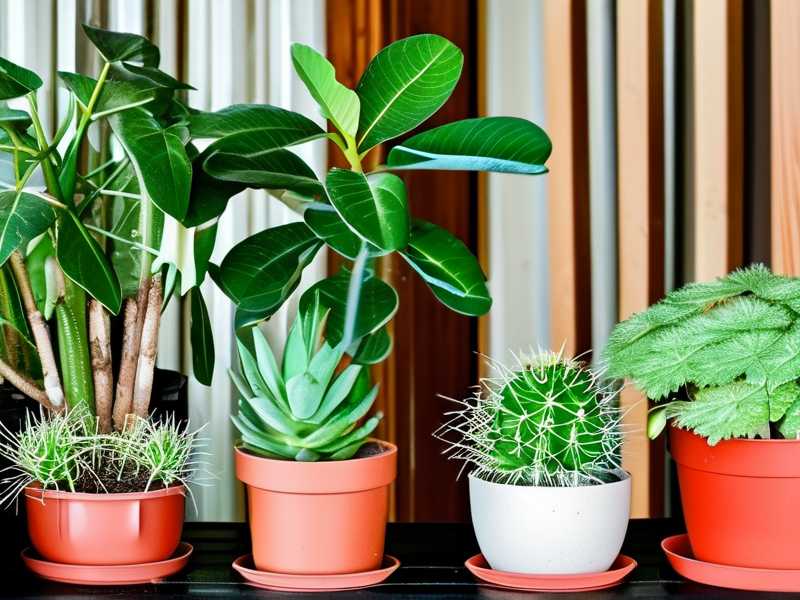
Day one started with isolation. I moved the money tree to my bathroom. It had a window but stayed cooler. I did not want the mites jumping to my monstera or fiddle leaf fig. If you have other plants, keep them at least three feet away. Mites can travel through air currents. They spin silk threads and ride them like kites.
Then came the shower treatment. I placed the pot in my bathtub and used a spray nozzle. The water was lukewarm, not hot. I angled the stream upward to hit the undersides of leaves. That is where mites hide. I sprayed every single stem and both sides of every leaf. Do this thoroughly. It dislodges adults and knocks off eggs. I let the plant drip dry in the tub overnight.
The next morning, I applied insecticidal soap. I used a commercial product with potassium salts of fatty acids. You can also use a homemade mix of one teaspoon mild dish soap per liter of water. But honestly, commercial soap is more reliable. I sprayed until the leaves were dripping. Then I wiped the leaves gently with a soft cloth. This removed the debris and any remaining webs.
For the next seven days, I repeated the spraying every other day. On day six, I inspected with a magnifying glass. I found only a few stragglers. On day eight, I noticed new growth starting to look cleaner. By day fourteen, the leaves had a healthy sheen again. No webbing. No stippling. The money tree was finally clean.
The Three Fatal Mistakes New Plant Parents Make
I killed my first money tree within a month of buying it. My second one developed mites because I ignored warning signs. I have seen countless forum posts from people making the same three errors. Please learn from my failures.
Mistake Number One: Overwatering the Soil During Treatment
Here is the thing. When you treat mites, you focus on leaves. But many people overcompensate by watering more. They think a stressed plant needs more water. The opposite is true.
Take it from me. I soaked the soil twice a week while battling mites. The roots sat in soggy mud. That created root rot. The plant looked worse and worse, and I kept blaming the mites. But the mites were actually dying. The real killer was my watering can.
Here is a simple rule. Check the top two inches of soil with your finger. If it is dry, water. If it is still moist, wait. 90% of indoor plants die from overwatering. That is a real statistic from horticultural studies. Money trees are especially sensitive because they store water in their thick trunks. They can handle short droughts much better than flooded roots.
So during your mite treatment, let the soil dry out more than usual. Reduced watering also stresses the mites. They prefer humid leaf surfaces, not dry soil. You are creating multiple layers of attack.
Mistake Number Two: Putting the Plant in Direct Sunlight
People think sunlight kills pests. I did too. I moved my infested money tree to a south-facing windowsill. Bad idea. The intense winter sun burned the leaves that were already weakened by mite feeding. The white marks I thought were mite damage turned out to be sun scorch.
Money trees like bright, indirect light. In winter, a spot near an east or north window works best. Avoid harsh midday rays. If you must use a south window, place a sheer curtain between the plant and the glass. This gives enough light for recovery without burning the foliage.
Also, remember that light affects recovery speed. A stressed plant needs consistent conditions. Moving it around from bathroom to windowsill to kitchen adds stress. Pick one spot with good light and steady temperature. Keep it there for the whole two-week quarantine.
Mistake Number Three: Using the Wrong Pot or Soil
I bought a money tree in a decorative ceramic pot without drainage holes once. That was my third plant. It died from root suffocation before mites even showed up. If water cannot escape, the roots drown. And drowning roots cannot absorb nutrients, so the leaves weaken. Weakened leaves attract pests.
Use a pot with drainage holes. Always. A plastic nursery pot inside a decorative cover is fine. Just tip the whole thing out occasionally to check for standing water. Also, use a well-draining potting mix. Money trees need aeration. A mix with perlite, bark, or coarse sand works well. Avoid heavy garden soil. It clogs the roots and traps moisture.
When you bring a plant indoors for winter, repotting might be necessary. I check the roots every fall. If they circle the bottom of the pot, I move up one size. But do not repot during mite treatment. Wait until the pest problem is solved. Repotting adds stress. Focus on one problem at a time.
The Real Reason Mites Keep Coming Back
I thought I solved my mite problem in 2022. The plant looked perfect. Then two weeks later, the webbing returned. Why? Because I stopped treatment too early. Mite eggs can survive my initial sprays. They hatch days later. If I stop, they simply restart the cycle.
My Humidifier Setup Saved the Plant
The single biggest factor in preventing mite return is humidity. Spider mites cannot reproduce well in environments above 50% humidity. They prefer dry air below 40%. Winter indoor air often dips to 20-30%.
I bought a small cool-mist humidifier for my plant corner. It runs for a few hours each morning. I placed the money tree nearby but not directly in the mist path. Too much direct moisture can cause fungal issues on leaves. The ambient rise in humidity is what matters.
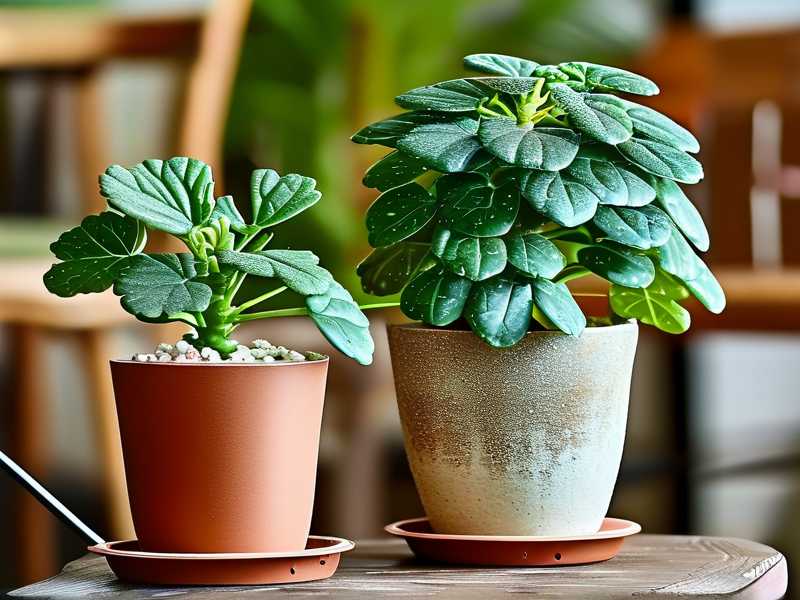
You can also create a pebble tray. Fill a shallow dish with stones and water. Place the pot on top. The water evaporates around the plant. That raises local humidity without wetting the leaves constantly. I have used both methods. The humidifier works better in larger rooms. The pebble tray is great for small spaces.
Why I Quarantine Every New Plant
After my mite disaster, I now quarantine every plant that comes into my home. New purchases, gifts, even cuttings from friends. They stay in a separate room for two weeks. This sounds excessive, but it saved me three times already. A plant I bought from a big-box store had hidden thrips. My aunt's cutting had mealybugs in the soil. The quarantine caught all of them.
During quarantine, I inspect the plant every other day. I check leaf undersides with a flashlight. I look for moving specks, fine webs, or tiny white dots. Early detection is everything. Mites are nearly invisible to the naked eye. A magnifying glass costs five dollars and is worth every penny.
My List of Tools That Actually Work
Over the years, I have tested many products. Here is what works reliably and what is overpriced.
Insecticidal Soap: My Go-To Choice
I prefer ready-to-use insecticidal soap sprays. They are safe, effective, and do not harm the plant when used correctly. I have tried neem oil too. Neem works but smells strong and must be reapplied frequently. It also needs an emulsifier to mix with water. Too much hassle for me.
Insecticidal soap works by breaking down the mite's exoskeleton. It dehydrates them. The key is thorough coverage. I spray from different angles. I lift the leaves and spray their undersides. I sometimes use a cotton swab dipped in soap to clean the crevices where stems meet trunks. Mites love those hidden spots.
The Magnifying Glass Hack
I was skeptical about this at first. But after squinting at leaves for hours, I bought a jeweler's loupe with 10x magnification. Game changer. I can see mite eggs, which look like tiny white pearls. I can also see the mites themselves, which are pale yellow or green. This helps me confirm the treatment is working. No more guessing.
Sticky Traps for Monitoring
Yellow sticky traps are great for flying pests, but mites are not flying insects. They crawl. So sticky traps do not control mites directly. However, they help monitor other pests that often arrive with mites, like fungus gnats. I place a couple of traps near the plant to see what else might be lurking.
The Science Behind Mite Behavior
I am not a scientist, but I read a lot. The Royal Horticultural Society (RHS) has excellent resources on pest control. According to their advice, spider mites proliferate in hot, dry conditions. Reducing temperature and increasing humidity are core prevention methods.
The American Horticultural Society (AHS) also emphasizes integrated pest management. That means combining cultural, physical, and chemical controls. For me, this translates to: quarantine new plants, adjust humidity, wash leaves, and only use chemicals as a last resort.
Their advice aligns with my experience. I never had a mite outbreak when my home humidity stayed above 45%. The outbreaks always happened in late winter when the heater ran constantly.
How Temperature Affects Mite Reproduction
Mites reproduce fastest between 80°F and 90°F. In winter, my home stays around 70°F. That slows them down, but not enough. To really slow them, I keep the plant cooler at night. Moving the plant to a cooler room, like a spare bedroom with a closed vent, drops the temperature by 10-15 degrees. This reduces egg development significantly.
But do not freeze the plant. Money trees dislike temperatures below 50°F. Keep the plant comfortable, just not tropical.
Caring for the Money Tree During and After Treatment
You cannot just spray and forget. The plant needs proper care to recover from mite damage. Mites suck chlorophyll from the leaves. Affected leaves turn yellow, then brown, then drop. Your main job is to support new, healthy growth.
Pruning Damaged Leaves
Once the mites are controlled, you need to prune. I cut off the worst leaves. Do not remove more than 20% of the foliage at once. That shock can harm the plant further. I trim only fully brown or severely stippled leaves. Leaves with slight damage can recover if the plant is healthy.
I also clean the pruning shears with rubbing alcohol between cuts. This prevents spreading disease. You would think this is unnecessary, but I have seen fungal infections start in fresh cuts.
Fertilizing for Recovery
A light feeding helps after treatment. But wait at least one week after the last spray. Use a balanced, water-soluble fertilizer at half strength. Money trees are not heavy feeders. Over-fertilizing can burn roots, especially when the plant is stressed.
I use a liquid fertilizer with equal parts nitrogen, phosphorus, and potassium. I apply it every two weeks during spring and summer. In winter, I feed sparingly. But after a pest crisis, I make one exception. A half-strength dose gives the plant a gentle boost.
Watching for Regrowth
New leaves are a great sign. They should be bright green and slightly glossy. If new leaves appear distorted, you might still have mites. Check again. I always spot-check for two weeks after the last treatment to ensure the problem is gone.
How to Prevent Mites from Coming Back Next Winter
Prevention is easier than treatment. I have developed a routine that keeps my money tree healthy all winter.
Weekly Leaf Wiping
Every Sunday, I wipe the leaves with a damp microfiber cloth. This takes five minutes. It removes dust, which can block stomata and reduce photosynthesis. It also dislodges any early mite webs. If I see any suspicious webbing, I treat immediately with a soap spray.
Maintaining Humidity All Season
I keep a small humidity gauge near my plants. If the reading drops below 40%, I turn on the humidifier. This is a non-negotiable routine for me. In the absence of a humidifier, I group plants together. They create a microclimate of moisture around themselves. I also set a bowl of water near the radiator. Simple evaporation helps.
Consistent Inspections
I inspect my plants every time I water. I check the newest leaves first. Mites attack tender new growth first. I also check the axils where leaves meet the stem. A quick peek takes less than a minute. This habit caught an early infestation last year. I treated it in three days and never lost a leaf.
What I Learned from Killing My First Three Money Trees
My first money tree died from overwatering. My second died from a combination of sunburn and mites. My third died from mites because I used the wrong pot with no drainage.
I was frustrated. But each failure taught me something. My fourth money tree has been alive for three years now. It has survived two winters indoors without mites. It is now three feet tall with braided trunks.
The biggest change I made was mindset. I stopped treating plants as ornaments and started treating them as living organisms with specific needs. I researched their natural habitat. Money trees grow in tropical climates with high humidity and warm temperatures. They do not like being in dry, drafty apartments. Once I replicated their natural conditions, everything got easier.
The "If It Looks Dry, Do Not Water" Rule
I have a simple trick. I look at the trunk. If it looks slightly wrinkled, the plant is thirsty. If it looks smooth and plump, it has enough water. This is more reliable than checking the soil for me. But I still check the soil too. Better safe than sorry.
Natural Predators: Do They Work Indoors?
Some people use predatory mites, like Phytoseiulus persimilis, to control spider mites. I tried this once. It worked in my greenhouse but failed in my living room. The predators need high humidity and specific temperatures to thrive. My dry indoor environment killed them before they could eat the pests.
If you have a humid greenhouse cabinet, predators might work. But for most indoor gardeners, insecticidal soap is simpler and more reliable. I will stick with my spray bottle.
The Role of Air Circulation
I almost forgot this one. Stagnant air helps mites. Gentle airflow stresses them. I have a small fan that I point toward my plants for a couple of hours a day. It strengthens the plant stems and makes the environment less hospitable to pests.
Do not blast the plant with a strong fan. That will dry out the leaves. A gentle breeze is enough. I set the fan on its lowest setting and let it oscillate.
A Final Note on Patience
Treating spider mites is not a one-day thing. It requires two solid weeks of attention. My first successful treatment took fourteen days. The second time I was smarter and it took nine days. But I did not stop early. I kept monitoring for another week.
You will see improvement faster than you think. By day five, the live mites were mostly gone. By day ten, the new growth looked clean. By day fourteen, the plant looked better than before the infestation. That is because a thorough wash removed dust and allowed the leaves to breathe again.
If you follow this routine, your money tree will pull through. Quarantine, wash, spray, and maintain humidity. That is the entire secret. It is simple but requires consistency. I believe in you.
FAQ
How Often Should I Spray Soap on My Money Tree?
I spray every three days for two weeks. That means about five total applications. This breaks the mite life cycle. Eggs hatch after a few days, and each spray kills the newly hatched mites. Do not spray more than once every 48 hours to avoid leaf damage.
Can I Use Dish Soap Instead of Insecticidal Soap?
Dish soap is not formulated for plants. It can strip protective waxes from leaves and cause burns. I tried it once and saw leaf tip browning. Use a proper insecticidal soap or a horticultural oil. It is safer and more effective.
Should I Repot My Money Tree After Mite Treatment?
Do not repot immediately. Wait at least two weeks after the last mite sighting. The plant needs time to recover. Repotting adds stress. If you must repot, do it in spring when the plant is actively growing. For now, just treat the pest problem.