admin
How to Spot Gnat Larval Feeding Damage on Mature Money Tree Feeder Roots
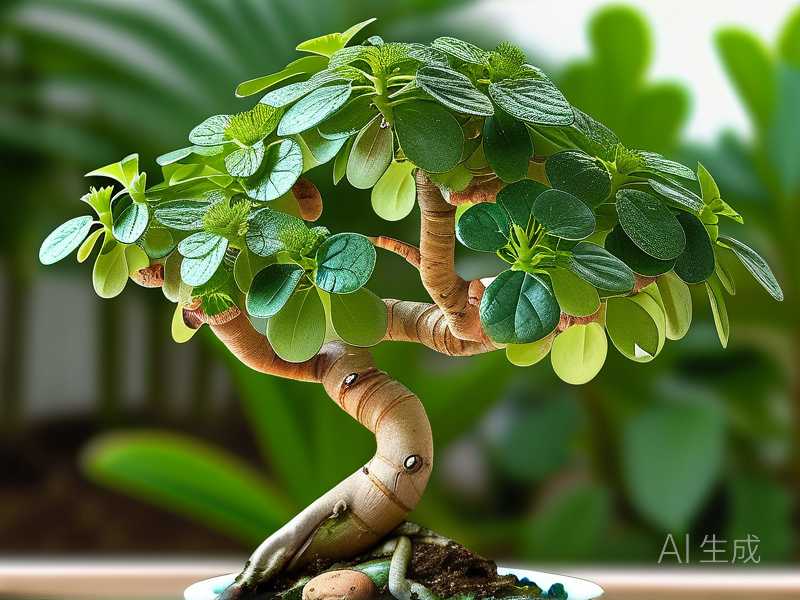
If your mature money tree has started dropping leaves and looks wobbly in the pot, the culprit may be fungus gnat larvae chewing on feeder roots below the soil line. I know because I nearly lost a five-year-old money tree to this exact problem. The damage is sneaky, mostly invisible at first, and easily mistaken for overwatering. Below I'll walk you through how I finally spotted the damage, what the roots actually look like, and the two-week observation routine I now use every time I repot.
Fungus gnat larvae are tiny, clear-to-white worms with black heads. They live in the top inch or two of moist potting mix. On a mature money tree (Pachira aquatica), feeder roots are the fine, hair-like roots that do most of the water and nutrient uptake. When larvae chew on them, the plant can't drink properly even if the soil is wet. That mismatch is the key clue.
The RHS notes that fungus gnat larvae cause most damage in consistently damp organic potting media, which is exactly the environment most money trees sit in.
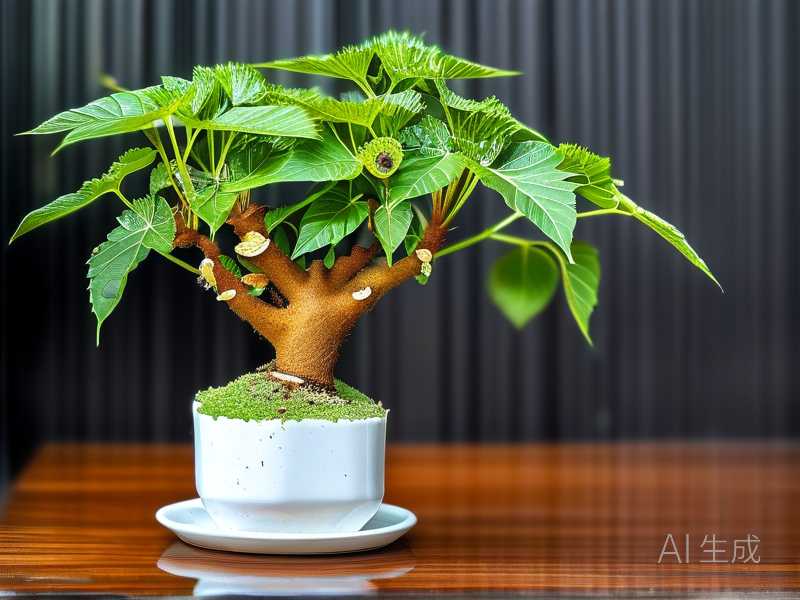
Why Mature Money Trees Are Vulnerable
Young money trees get repotted often, so growers notice problems early. Mature ones sit in the same pot for years. The root ball gets dense. The top layer stays damp longer.
That top layer is where fungus gnats lay eggs. Larvae hatch and start feeding right where the fine feeder roots cluster. So a mature plant can lose a lot of fine roots before you see anything above the soil.
I learned this the hard way. My plant looked fine for weeks, then suddenly yellowed from the bottom up.
The Visual Signs Above the Soil
You can't see larvae damage directly from above, but the plant tells you. Watch for these:
- Lower leaves yellowing and dropping while upper leaves stay green.
- New growth that stalls or comes in small and pale.
- Soil that stays wet far longer than it used to.
- A soft, slightly sunken trunk base if damage is advanced.
- Tiny black flies hovering around the pot when you water.
That last one matters. Adult gnats are the warning sign. If you see them, larvae are almost certainly already in the soil.
Reading the Roots: What Damage Actually Looks Like
Pull the plant out gently during a scheduled repot, or slide it from the pot to peek. Healthy money tree feeder roots are white to cream, firm, and slightly fuzzy. Damaged roots look different.
Here's what I look for:
- Brown or tan mushy tips on the fine roots.
- Feeder roots stripped back, leaving bare thicker roots.
- Small tunnels or chewed patches on root surfaces.
- A sour, musty smell in the root zone.
- Larvae visible as tiny moving threads when you break apart the top layer.
Honestly, the stripped-back feeder roots are the giveaway. It looks like someone took a tiny rake to the fine roots. I missed it the first time because I only checked the bottom of the root ball. The damage was right under the soil surface.
My Two-Week Observation Routine
I now run this simple check whenever I suspect larvae. It takes minutes a day and gives you real data.
Days 1–3: Stop watering entirely. Let the top two inches dry out. Fungus gnat larvae need moisture. Drying slows them.
Days 4–7: Set a yellow sticky trap at soil level. Count the adults caught each day. A rising count means active breeding.
Days 8–10: Scrape back the top inch of soil with a spoon. Look for larvae with a flashlight. Check several spots, not just one.
Days 11–14: Watch leaf drop and new growth. If yellowing stops spreading and new leaves firm up, the root damage is stabilizing. If it keeps spreading, treat more aggressively.
After my two weeks, leaf drop stopped around day 11. New growth appeared by day 14. That told me the fine roots were recovering.
Fixing the Problem: What Worked for Me
I tried the sticky traps first. They caught adults but didn't stop larvae. Then I tried a hydrogen peroxide drench, one part 3% peroxide to four parts water. It helped, but I found it harsh on already stressed roots.
What actually worked was a two-part approach.
First, I repotted into fresh, well-draining mix. I used a chunky blend of potting soil, perlite, and orchid bark. That dries faster between waterings.
Second, I let the top layer dry out consistently. Money trees store water in their trunks, so they tolerate drying better than most people think. I water only when the top two inches are dry.
A AHS piece on indoor pest management backs this up: managing soil moisture is the foundation of fungus gnat control, more than any single product.
The Three Mistakes That Set Me Back
I made all of these early on. Learn from my mess.
Mistake 1: Overwatering
This is the big one. 90% of indoor plants die from overwatering. Fungus gnats love wet soil, and overwatering feeds them. I used to water on a schedule. Now I check the soil first, every time.
Mistake 2: Wrong Light
I put my money tree in a dark corner for months. Weak light means slow growth and slower root recovery. Money trees want bright, indirect light. Too little light and the plant can't outgrow root damage.
Mistake 3: The Wrong Pot
I used a decorative pot with no drainage hole. Water pooled at the bottom and stayed there. I switched to a pot with drainage holes and a saucer. Game changer. Root rot and gnat problems both dropped.
Light and Placement for Recovery
A recovering money tree needs bright, filtered light. An east-facing window works well. So does a spot a few feet back from a south-facing window.
Avoid harsh afternoon sun. It scorches leaves. Avoid deep shade too. I learned to rotate the pot a quarter turn each week so growth stays even.
Watering While Roots Heal
While feeder roots recover, water gently. Soak the soil, then let it dry. Don't leave the pot sitting in water.
I check with a wooden skewer. Push it into the soil, pull it out, and feel it. Damp skewer means wait. Dry skewer means water. Simple and reliable.
Soil and Repotting After Damage
For a mature money tree, repot every two to three years, or sooner if the soil stays soggy. Use a mix that drains fast. I like equal parts potting soil, perlite, and orchid bark.
Choose a pot only one size up. Too big a pot holds excess moisture. Make sure it has drainage holes.
Feeding a Stressed Plant
Don't fertilize a plant with active root damage. Wait until you see steady new growth. Then use a balanced liquid fertilizer at half strength, every four to six weeks during the growing season.
I skipped fertilizer entirely for the first month after repotting. The fresh soil had enough nutrients.
Seasonal Care Notes
Spring is when I repot and check roots. Summer means keeping the plant cool and ventilated. Fall is when I cut back watering and let the soil dry more. Winter is the hardest—low light and damp soil invite gnats. I keep the plant warm and water sparingly.
FAQ
How do I know if it's gnat larvae or root rot? Both cause yellowing. But gnat larvae leave tiny moving worms and stripped feeder roots. Root rot gives you mushy, dark roots and a foul smell. Check the soil surface with a flashlight.
Can a mature money tree recover from root damage? Yes, if you catch it early. Mine did. Fix the soil moisture, repot if needed, and give it bright light. Recovery takes a few weeks to a couple of months.
Should I use pesticides? I'd start with moisture control and sticky traps. If that fails, a biological control like Bacillus thuringiensis israelensis (Bti) drenches the soil safely. I keep it as a backup, not a first move.
In short, watch for adult gnats, check the top soil layer for larvae, and read the fine roots during repotting. Fix your watering, use a pot with drainage, and give the plant proper light. That combination saved my money tree, and it'll likely save yours.