admin
How to Save Your Money Tree When Sooty Mold Blocks Photosynthesis
If your money tree's leaves are shiny, sticky, and coated in a black film, that dark layer is sooty mold, and it's quietly strangling your plant's ability to make food. I've watched this happen to my own Pachira aquatica, and I almost lost it because I treated the black stuff instead of the real problem underneath. The fastest fix is this: wash the mold off with a soft cloth and lukewarm water, then kill the sap-sucking insects producing the honeydew that feeds the mold. Do that, keep the plant in bright indirect light, and most money trees bounce back within two to three weeks. Let me walk you through exactly how I saved mine.
Why Sooty Mold Is a Symptom, Not the Disease
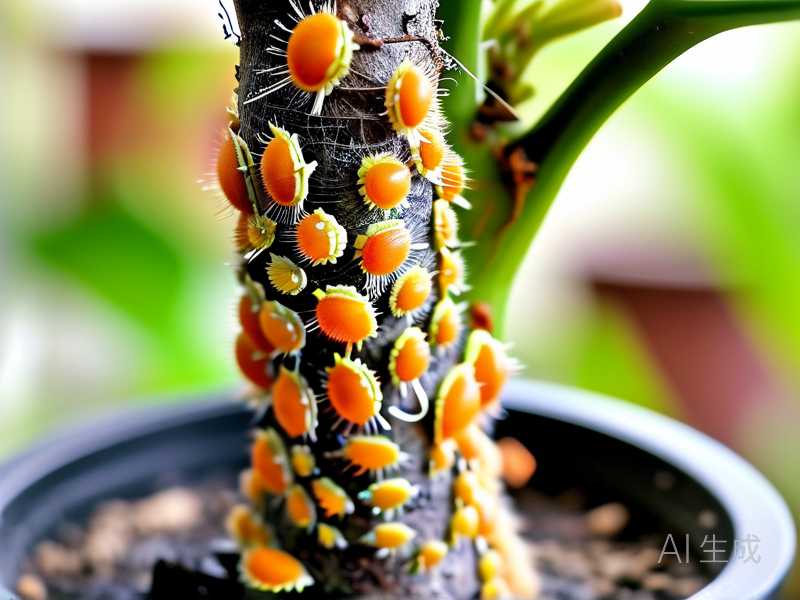
Here's the thing most beginners miss. Sooty mold doesn't attack your plant directly. It's a fungus that grows on honeydew, the sugary waste that aphids, mealybugs, scale, and whiteflies leave behind.
No honeydew means no mold. So the mold is really a neon sign pointing at a pest infestation you probably haven't noticed yet.
The RHS explains that sooty mold itself rarely kills plants, but it blocks light and reduces photosynthesis, which weakens the whole plant over time. That's the part that matters for a money tree, because this species relies on those big palmate leaves to generate energy.
A Quick Word About the Money Tree Itself
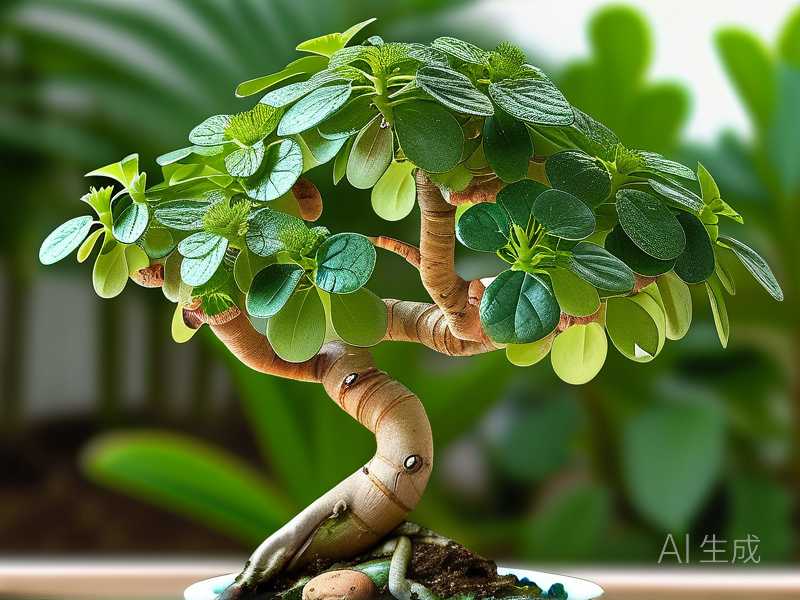
Pachira aquatica is that braided-trunk plant you see in almost every garden center. It's popular because it looks like a small indoor tree, tolerates average home humidity, and is honestly pretty forgiving.
The catch is it hates soggy roots and stagnant air. Get those two wrong and you roll out the welcome mat for pests and mold.
I'd rate it a 6 out of 10 on difficulty. Not a beginner's cactus, but not a diva either. The real trick is understanding what it wants before things go wrong.
Light: How Much Your Money Tree Actually Needs
Money trees want bright, indirect light. Think a few feet back from a south or west window, or right in an east-facing window.
Direct midday sun scorches the leaves. I learned that the hard way when I moved mine onto a sunny balcony for "a little boost" and came back to crispy brown patches.
Too little light is just as bad. In dim corners the plant stops growing, drops leaves, and becomes a magnet for pests because it's stressed.
If you can't hit that sweet spot, a simple grow light running 10 to 12 hours a day works fine. Just keep it 12 to 18 inches above the canopy.
Stop Killing It With Water
Let's get one thing straight. 90% of indoor plants die from overwatering, and money trees are no exception.
I killed my very first Pachira by watering it every Sunday like clockwork. The soil never dried, the roots rotted, and by week three the trunk was soft and mushy.
The rule now is simple. Stick your finger two inches into the soil. If it's damp, wait. Water only when the top two to three inches are dry.
In summer that might mean every 7 to 10 days. In winter, every 2 to 3 weeks. Always empty the saucer so the pot never sits in standing water.
Soil and Repotting
Use a chunky, fast-draining mix. I make mine with two parts potting soil, one part perlite, and one part orchid bark.
That combo keeps roots aerated and stops the compaction that traps moisture. Compacted soil is basically a slow execution for a money tree.
Repot every 18 to 24 months, ideally in spring. Go up just one pot size. A pot that's too big holds excess soil that stays wet, which brings rot and fungus gnats.
Feeding Without Overdoing It
Feed with a balanced liquid fertilizer diluted to half strength, once a month during spring and summer.
Never fertilize in winter. The plant is basically dormant and can't use the nutrients.
Also skip feeding right after repotting. Fresh soil already has food, and adding more can burn the roots. I made that mistake once and watched new growth tip-turn brown within a week.
Spring: Waking It Up
Spring is when your money tree pushes new growth. Bump watering slightly, resume feeding, and check for pests hiding in leaf joints.
Trim any dead or yellowing leaves with clean scissors. I also rotate the pot a quarter turn each week so it grows evenly instead of leaning.
If it's root-bound, this is the season to repot. Give it a week to settle before feeding.
Summer: Heat, Light, and Pests
Watch for scorch. Filter strong afternoon sun with a sheer curtain. Keep the room ventilated; stagnant air invites mealybugs and spider mites.
Water more often but check the soil first. Never water on a schedule, water on a need basis.
Mist the leaves weekly to raise humidity and knock off dust. But if you spot sticky residue, that's honeydew, and it means pests. Deal with it fast.
Fall: Dialing It Back
As growth slows, cut fertilizer to once every six weeks, then stop entirely by late fall. Reduce watering as evaporation slows.
Wipe leaves with a damp cloth to remove dust and any early mold. Clean leaves photosynthesize better.
Check undersides of leaves for scale before winter. Catching them now saves you a fight later.
Winter: The Danger Zone
Cold windowsills and dry radiator air are hard on money trees. Keep yours in a spot that stays above 55°F (13°C).
Water sparingly. I've gone three weeks between waterings in a cool room.
Stop all fertilizer. Don't repot. Just keep it stable and let it rest. This is also when I run a small humidifier nearby, which helps prevent the leaf drop I used to get every January.
My Two-Week Sooty Mold Recovery Plan
Here's exactly what I did when mold took over mine.
Day 1. I wiped every leaf with a cloth dipped in lukewarm water and a drop of mild dish soap. I rinsed the cloth often.
Day 1. Then I inspected the undersides and found mealybugs on the new growth. That was my root cause.
Day 2. I treated with neem oil, spraying the whole plant and especially the undersides, then repeated weekly.
Days 3 to 7. I moved it to brighter indirect light and stopped watering until the soil dried two inches down.
Days 8 to 14. New mold stopped forming. Sticky residue faded. By the end of week two, fresh green leaves were unfurling and the black film was gone.
The main takeaway? Kill the pests and the mold disappears on its own.
Three Beginner Mistakes That Cost Me Plants
Mistake 1. Overwatering. This is the big one, and it's why 90% of indoor plants die from overwatering. I drowned two money trees before I understood that dry is safer than wet.
Mistake 2. Wrong light. I put one in a dark hallway thinking it would be "low maintenance" and watched it slowly decline for months.
Mistake 3. Wrong pot. I once planted a money tree in a decorative pot with no drainage holes. Total disaster. Water pooled at the bottom and the roots rotted within weeks.
Common Problems and How to Fix Them
Black film on leaves means sooty mold. Treat the pests, then wipe the leaves.
Yellow leaves usually mean overwatering or too little light. Check the soil first.
Soft, mushy trunk means root rot. Unpot, trim the rot, and repot in fresh dry mix.
Sticky leaves mean pests. Look for mealybugs, scale, or aphids and treat with neem oil or insecticidal soap.
Brown leaf tips often point to low humidity or fertilizer burn. Flush the soil and raise humidity.
Frequently Asked Questions
Can I just wipe off sooty mold and call it done?
No. Wiping removes the symptom, but if the pests are still there, the mold returns within days. Always treat the insects too.
Will my money tree survive losing most of its leaves to mold?
Usually yes. Money trees are tough. Remove the mold, fix the light and water, and new leaves typically come back within a few weeks.
How do I know if it's mold or just dust?
Sooty mold is sticky and dark, and it often comes with shiny honeydew residue. Dust wipes off dry and gray. If your fingers feel sticky, it's mold, and there are pests nearby.
The AHS also emphasizes that healthy cultural conditions, correct light, water, and airflow, prevent most indoor plant disease, and my experience backs that up completely.
Fix the pests, clean the leaves, and get the basics right, and your money tree will reward you with glossy green growth again.