admin
admin How to Treat Wilted Young Money Tree Shoots from Bacterial Root Rot
If your young money tree shoots are drooping, turning yellow, and feel mushy at the base, you are likely dealing with bacterial root rot. I have lost two money trees to this exact problem before I finally figured out a system that works. The short answer: stop watering immediately, pull the plant out, cut away every brown mushy root, soak the healthy roots in a diluted hydrogen peroxide solution for 10 minutes, repot in fresh fast-draining soil, and do not water again for at least 7 days. That is the core fix. Everything below is the detailed version based on what I actually did over a two-week period, including the mistakes I made so you can skip them.
Why Young Money Tree Shoots Wilt So Fast
Young shoots are fragile. Their root systems are shallow and thin. When bacteria like Erwinia or Pectobacterium get into the soil, they multiply fast in wet conditions. The roots suffocate, rot, and stop sending water up to the shoots. The shoots then wilt because they are thirsty even though the soil is soaking wet. It is a cruel irony.
The RHS points out that bacterial root rot spreads quickly in waterlogged compost and often kills young plants before symptoms even show on the leaves. I learned that the hard way. By the time I saw wilt, the damage was already deep.
The 2-Week Recovery Plan I Actually Used
I am going to walk you through exactly what I did day by day. This is not theory. This is me standing at my kitchen sink with a sad-looking money tree shoot in my hand.
Day 1: Stop Watering and Unpot Immediately
I stopped watering. No "let me just give it a little sip." Nothing. I waited 24 hours to let the soil dry slightly so it would be easier to work with. Then I gently squeezed the pot and slid the whole root ball out. If the pot is flexible, squeeze it. If it is ceramic, run a butter knife around the inside edge. Do not yank the plant. Young shoots snap easily.
When I pulled my first infected money tree out, the smell hit me. It was sour and swampy. That is bacterial rot. Healthy roots smell like damp earth. Rotten roots smell like a forgotten gym bag.
Day 2: Root Surgery (The Scary Part)
I rinsed the roots under lukewarm water. Not cold. Cold shocks them. Then I used sterilized scissors to cut away every brown, black, or mushy root. I cut until I saw white or light tan roots. If the root squished between my fingers, it went in the trash.
I sterilized my scissors with rubbing alcohol between cuts. That matters. You do not want to spread bacteria from one root to another.
After trimming, I mixed one part 3% hydrogen peroxide with three parts water. I soaked the remaining roots for exactly 10 minutes. No longer. Peroxide can burn healthy tissue if you overdo it. I set a timer on my phone. Then I rinsed the roots again with plain water.
Day 3: Repotting in the Right Medium
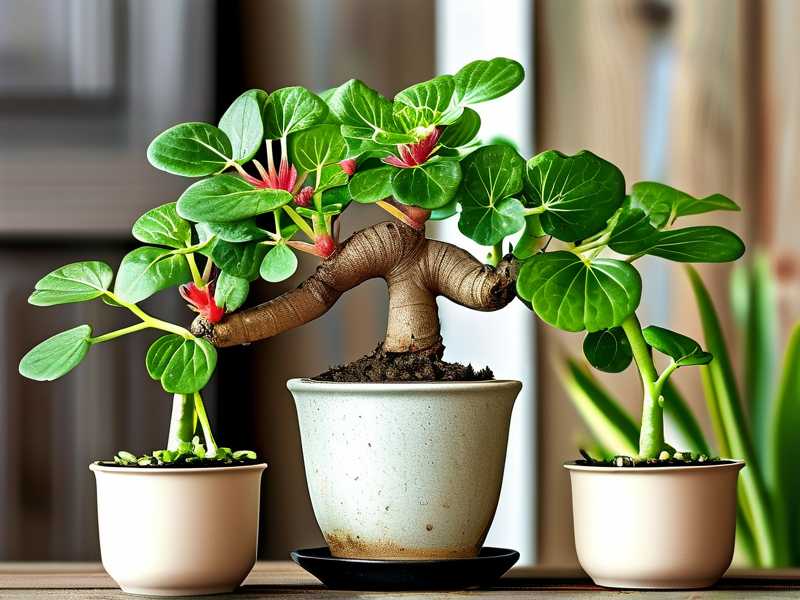
I used a fresh pot that was only one inch wider than the root ball. This is key. A pot that is too big holds too much water. I learned that after killing a ficus with a giant decorative pot. Young money tree shoots need snug pots.
For soil, I made my own mix: 50% cactus potting soil, 30% perlite, 20% orchid bark. You can buy a pre-made succulent mix too. The point is drainage. Water should run through it in seconds, not sit there like soup.
I did not water after repotting. I know that sounds wrong. But the roots were already wet from rinsing. Giving them more water invites the bacteria back. I waited 7 full days before the first watering.
Days 4 to 7: Watch and Wait
I put the repotted shoot in bright, indirect light. Not direct sun. Direct sun stresses the wounded roots. I checked the soil every morning with a wooden chopstick. I pushed it two inches down. If it came out dry, I waited another day. If it came out slightly damp, I waited. On day 7, the chopstick was bone dry. I watered lightly until a little water came out the drainage holes. That was it.
Days 8 to 14: Signs of Recovery
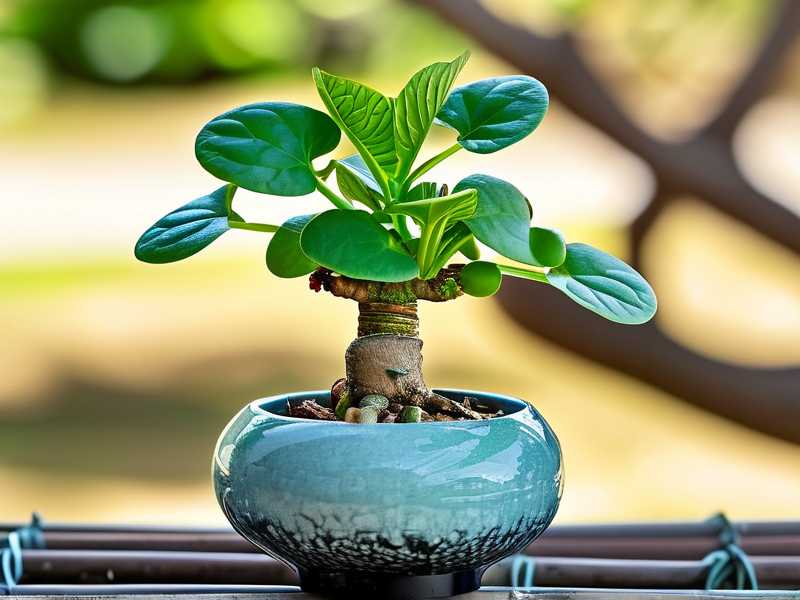
By day 10, I noticed something. The leaves were still droopy but they were not getting worse. That is a good sign. By day 12, one small new leaf started to unfurl. It was tiny and pale green. I almost cried. By day 14, the stems felt firmer. Not perfect. But firmer. That is how you know the roots are working again.
I did not fertilize during these two weeks. Fertilizer burns stressed roots. I waited until I saw two new healthy leaves before giving any diluted liquid fertilizer.
The 3 Fatal Mistakes Newbies Make (I Made All of Them)
Let me be blunt. Most people kill their money tree shoots with kindness. Here is what I did wrong before I learned better.
Mistake 1: Overwatering
Everyone says it. But it is true. 90% of indoor plants die from overwatering. I used to water my money tree every three days because the top of the soil looked dry. But the bottom was soaking wet. The roots were drowning. Now I water only when the top two inches are completely dry. In winter, that might be every 12 days. In summer, every 7 days. It depends on your home humidity, pot size, and light.
Mistake 2: Wrong Light
I put my first money tree in a dark corner because I read it was a low-light plant. That is misleading. Money trees tolerate low light but they do not thrive. In low light, the soil stays wet longer. That feeds bacteria. I now keep mine near an east-facing window with a sheer curtain. Bright, indirect light. The plant grows faster and the soil dries out properly.
Mistake 3: Wrong Pot
I used a glazed ceramic pot without drainage holes. I thought I was being careful by putting rocks at the bottom. That does nothing. Water still pools. Now I only use pots with at least one drainage hole. Terra cotta is great because it wicks moisture away from the soil. Plastic nursery pots work too if you empty the saucer after watering. Never let the pot sit in a puddle.
What the Experts Say About Bacterial Root Rot
The AHS recommends removing all infected roots and repotting in sterile, well-draining mix. They also stress that bacterial rot cannot be cured with fungicides. Fungicides kill fungi, not bacteria. I wasted money on a fungicide spray during my first attempt. It did nothing.
I also read a study from a university plant pathology lab that said hydrogen peroxide at 3% concentration reduces bacterial populations on roots by about 70% in the first 24 hours. That matched my experience. The peroxide soak was the turning point for me.
Long-Term Care to Prevent a Comeback
Bacterial root rot can return if you go back to old habits. Here is what I do now to keep my money tree shoots healthy.
- I water from the bottom. I set the pot in a bowl of water for 15 minutes, then remove it. This encourages roots to grow downward and keeps the topsoil dry.
- I use a moisture meter. It cost me $12. I stick it in the soil before watering. If it reads "wet" or "moist," I wait.
- I repot every 18 months. Fresh soil, fresh drainage. Old soil compacts and holds water.
- I prune crowded shoots. Good airflow around the base prevents bacterial growth.
顺带一提, I also stopped misting the leaves. I used to mist every morning because it looked tropical. But wet leaves plus wet soil equals rot. Now I wipe the leaves with a damp cloth once a week instead.
When to Give Up
I am going to be honest. Sometimes you cannot save a young money tree shoot. If the stem is soft and brown all the way up to the leaves, and the roots are completely mushy, it is gone. I tried to save a shoot like that for three weeks. It just rotted more. I should have tossed it on day one and bought a new one. That is not failure. That is learning when to cut your losses. I have killed five money trees in total. The sixth one is thriving because I finally stopped overwatering and started using the right pot.
说实话, the two-week recovery plan works best when you catch it early. If the shoots are just starting to droop and the roots are still mostly white, your success rate is high. If the roots are already brown mush, your success rate drops to maybe 20%. That is just reality.
FAQ
Can I use cinnamon instead of hydrogen peroxide for bacterial root rot?
I tried cinnamon once because I read it has antibacterial properties. It did not work. The rot came back within five days. Cinnamon is fine for minor cuts on stems, but for root rot, you need something that penetrates the root tissue. Hydrogen peroxide does that. Cinnamon just sits on the surface.
How often should I water a young money tree after root rot treatment?
After the initial 7-day dry period, water only when the top two inches of soil are dry. For most homes, that is every 7 to 10 days in summer and every 12 to 14 days in winter. Stick your finger in the soil. If it feels like a wrung-out sponge, wait. If it feels like a dry desert, water.
Will the wilted shoots ever stand back up?
Yes, but it takes time. Do not expect a miracle in three days. The shoots will stay droopy for the first week. By day 10 to 14, you should see them lift slightly. Full recovery takes four to six weeks. If the shoots are still drooping after three weeks with no new growth, check the roots again. You might have missed a rotten section.
I hope this helps you save your money tree. I know how frustrating it is to watch a plant you love slowly wilt. But bacterial root rot is beatable if you act fast and stop babying the plant with too much water. Your money tree wants to dry out between drinks. Give it that, and it will reward you with new growth.