admin
admin How to Spot Scale Nymphs Under Newly Unfurled Money Tree Leaves
If you want to know how to spot scale nymphs under newly unfurled money tree leaves, the answer is simple: check the undersides of soft, light green leaves within 3 to 5 days of unfurling, look for tiny tan or translucent specks that do not move when touched, and watch for sticky honeydew. That is the fast version. I learned it the hard way after losing two money trees.
I have killed my fair share of houseplants. Honestly, more than I want to admit. The first money tree I bought looked perfect for about six weeks, then dropped half its leaves in what felt like a single weekend.
I panicked. I repotted it, moved it, watered it more. Classic newbie spiral. By the time I noticed the real problem — scale nymphs hiding under fresh leaves — it was too late.
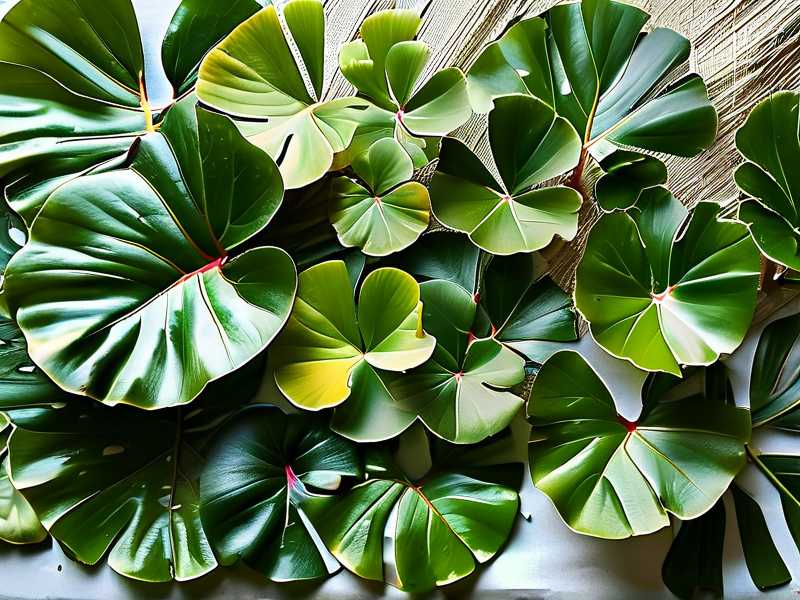
The second time around, I did things differently. I spent two full weeks observing one healthy money tree every single morning. I took phone photos, kept notes, and compared new leaves to old ones. I also broke a few bad habits I had been repeating for years.
That is what this article is about. Real steps, real mistakes, real timelines. Not polished plant-parent fantasy content.
Why Newly Unfurled Leaves Are the Prime Target
New growth on a money tree (Pachira aquatica) is soft, tender, and full of sap. Scale insects love that. Hard mature leaves are tougher to pierce. So the nymphs — the juvenile stage of scale — head straight for the freshest tissue they can find.
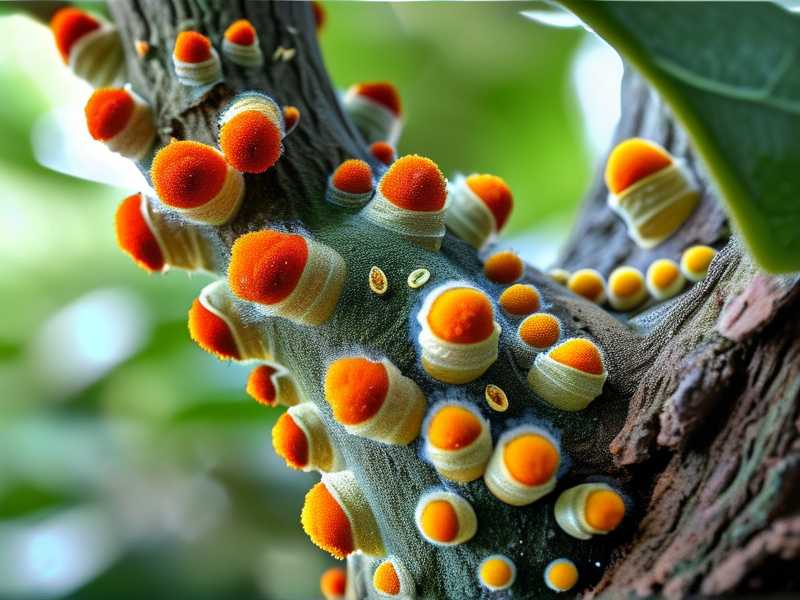
If you have ever peeled back a newly opened leaf and seen faint brown or beige dots along the midrib, those are likely scale nymphs. They are small. Smaller than a sesame seed. Often translucent at first, then they darken.
Scale nymphs are also mobile for a short window. That stage is called the crawler stage. Once they settle, they lock into place and build a waxy shell. After that, sprays barely touch them. Timing matters enormously.
According to the RHS, scale insects on indoor plants are best managed when crawlers are active, because adult shells protect them from many contact treatments. That matches what I saw in my own pots.
My 2-Week Observation Routine
I started on a Monday. Every morning between 7 and 8 a.m., I checked the same money tree. Same light, same angle, same magnifying glass. Consistency made a huge difference.
Week 1: Mapping the Undersides
Day 1 to 3: I looked only at newly unfurled leaves. I used a cheap 10x jeweler's loupe I bought online for less than ten dollars. Game changer. Naked-eye inspection misses crawlers almost every time.
I found three suspicious specks on day 2. Tiny, tan, near the base of the leaf where it meets the stem. I touched one with a damp cotton swab. It did not move. That told me it had already settled.
Day 4 to 7: I expanded to leaves that had opened within the past 10 days. I saw sticky residue on two leaves. That stickiness is honeydew. Ants love it. So do sooty mold spores. If your money tree leaves feel tacky, that is a massive red flag.
I also noticed faint yellow speckling on the top side of one leaf, directly above where I found the nymphs underneath. Scale feeding causes that chlorotic stippling.
Week 2: Confirming the Pattern
Day 8 to 10: I checked at night too. Some crawlers move more actively in lower light. I found two live crawlers on day 9 around 9 p.m. They were pale yellow-green and barely visible.
Day 11 to 14: I isolated the plant from my other houseplants. Scale spreads. I learned that after my first infestation wiped out a pothos sitting nearby.
By day 14, I had a clear picture. New leaves are the first place to look. The undersides matter more than the tops. And sticky residue plus tiny immobile dots equals scale nymphs until proven otherwise.
The 3 Deadly Mistakes Newbies Make
I made all three. Every single one. Let me save you the pain.
Mistake 1: Overwatering
This is the big one. 90% of indoor plants die from overwatering. Not underwatering, not pests directly — overwatering. It weakens the plant, invites fungus gnats, and creates stressed tissue that pests target first.
I used to water my money tree every Sunday like clockwork. Bad idea. Money trees store water in their trunks. They do not need a weekly soak.
I killed my second money tree by loving it too much with the watering can. The roots rotted, the leaves yellowed, and scale moved in on the already-stressed new growth. Pests find weak plants. That is just nature.
Fix: water only when the top 2 to 3 inches of soil are dry. Stick your finger in. If it is damp, wait.
Mistake 2: Light Mismatch
Money trees want bright, indirect light. I put mine in a dark corner because I read they tolerate low light. They survive low light. They do not thrive.
A stressed plant under poor light grows weak new leaves. Weak new leaves are scale nymph magnets. I am not exaggerating.
I moved mine to an east-facing window with a sheer curtain. New leaves came in thicker and faster. Fewer pests followed.
The AHS notes that proper light levels directly affect a plant's natural pest resistance. Healthier tissue, fewer problems.
Mistake 3: Wrong Pot
I once put a money tree in a decorative pot with no drainage holes. I know. I know. Water pooled at the bottom. Root rot followed. Then pests.
Fix: always use a pot with drainage holes. Always. Then set that pot inside a cachepot if you want the pretty look. Empty the cachepot after watering.
I also sized up too fast. A tiny root ball in a huge pot stays wet too long. That is basically an invitation for overwatering problems.
How to Spot Scale Nymphs Step by Step
Here is my exact process. I still use it every week.
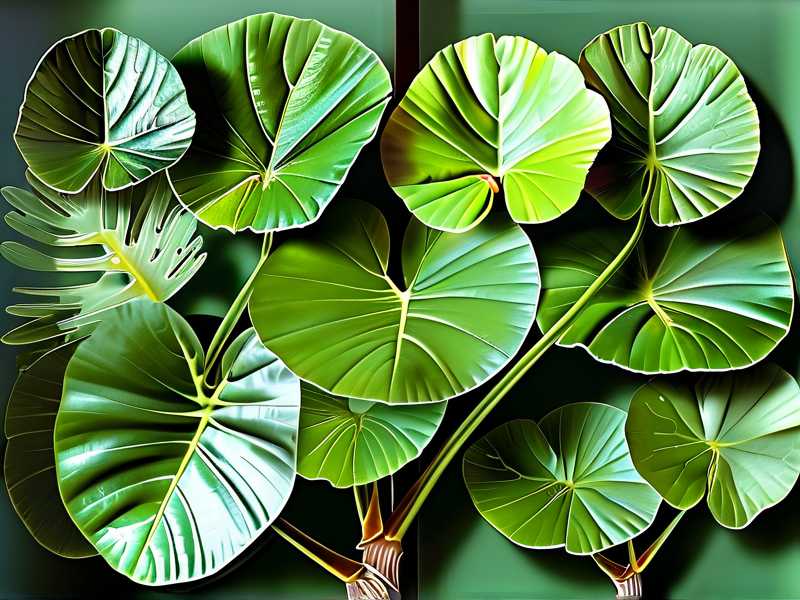
Step 1: Wait until a new leaf has fully unfurled but is still lighter green than the older leaves. That takes about 5 to 10 days after it first emerges.
Step 2: Gently turn the leaf over. Use a loupe or your phone's macro lens if you have one.
Step 3: Look along the midrib and the base of the leaf where it connects to the petiole. That is where I find most nymphs.
Step 4: Look for tiny dots. Tan, brown, translucent, or pale yellow. They may be flat or slightly raised.
Step 5: Touch one with a damp swab. If it does not move, it is likely settled. If it crawls, it is a crawler. Both are bad.
Step 6: Check for honeydew. Shiny, sticky film. Check the leaf surface below the infested leaf too. Honeydew drips.
Step 7: Look for black sooty mold. It grows on honeydew. If you see it, you have had scale for a while.
I check all new leaves this way for at least two weeks after I bring a plant home. Quarantine matters. I learned that after an infested nursery plant spread crawlers to four other pots.
What I Tried That Worked
Not everything worked. But a few things did.
Cotton swab with rubbing alcohol: I dipped a swab in 70% isopropyl alcohol and touched each visible nymph. It kills them on contact. This is tedious but effective for small infestations. I did this every other day for a week.
Neem oil spray: I mixed neem oil according to the label and sprayed the undersides of leaves in the evening. It helped with crawlers but not settled adults. I used it for 10 days straight.
Shower rinse: I took the money tree to the shower and rinsed the leaves with room-temperature water. This physically removed honeydew and some crawlers. I did this once a week.
Pruning: When one leaf was heavily infested, I just cut it off. That felt harsh, but it stopped the spread. I sterilized my scissors with alcohol afterward.
Isolation: I kept the infested tree in a separate room for three weeks. No other plants nearby. This one step probably saved my collection.
What Did Not Work
I tried a homemade garlic spray. It smelled terrible and did nothing. I tried wiping leaves with milk. That was a mess and attracted ants. I tried ignoring the problem and hoping it would go away. It did not.
I also tried a systemic granule too late. Systemics work best as prevention or early treatment. Once the infestation is heavy, they take too long to move through the plant.
A Realistic Timeline for Recovery
Week 1: Identify and isolate. Remove visible nymphs manually.
Week 2: Continue manual removal every other day. Apply neem or insecticidal soap in the evening.
Week 3: Check new growth carefully. If no new nymphs appear, you are likely turning the corner.
Week 4: Reintroduce to your plant area only if two consecutive weeks pass with no sightings.
I followed this timeline on my third money tree. It is still alive. It has pushed out four new leaves in the past month. No scale. I check every new leaf like a hawk.
Prevention Habits That Actually Stick
I water less often now. I check soil moisture with a wooden skewer. If it comes out clean and dry, I water. If it comes out dark and damp, I wait.
I clean leaves every two weeks with a damp microfiber cloth. Dust blocks light and hides pests. Two birds, one stone.
I quarantine every new plant for at least 14 days. No exceptions. I do not care how healthy it looks at the store.
I inspect new leaves on all my plants every Sunday morning. It takes five minutes. That five minutes has saved me hours of pest control.
FAQ
How do I know if the tiny specks are scale nymphs and not just dust?
Dust wipes off with a dry finger. Scale nymphs do not. They are attached. If you gently scrape one and it leaves a tiny clear or yellowish mark, it was likely a nymph. Also, dust does not produce honeydew. Sticky leaves mean pests.
Can scale nymphs live on the top of money tree leaves?
They can, but they prefer the undersides. The underside is more protected, more humid, and closer to the sap channels. I have found maybe one nymph on a top surface for every twenty on the undersides. Always check both sides.
How long do I need to keep treating before I can relax?
I treat for a full month after the last sighting. Scale has overlapping generations. Eggs hatch in waves. If you stop too early, you will see a second round. I learned that after thinking I was done at week two. I was not.
Final Thoughts
Spotting scale nymphs under newly unfurled money tree leaves is not glamorous work. It is close-up, tedious, and sometimes gross. But it is the difference between a thriving plant and a slow death.
Check the undersides. Check the new growth. Check for stickiness. Quarantine new plants. Water less than you think you should. Give bright, indirect light. Use a pot with drainage.
I wish I had known all of this before I killed my first two money trees. But here we are. My current one is on my windowsill, pushing out a new leaf right now. I will be checking it tomorrow morning with my loupe. You should check yours too.