admin
admin How to Propagate a Money Tree Without Rooting Hormone
I killed my first three money trees before I figured this out. The real trick? You don’t need rooting hormone at all. Just take a clean cutting, let it callous for 24 hours, and stick it in water with a drop of cinnamon. I’ve been doing this for two years now, and I’ll walk you through every step I learned the hard way.
Why You Don't Need Rooting Hormone for Money Tree Propagation
I remember standing in my kitchen, holding a sharp knife and staring at my overgrown money tree. I had no rooting hormone. I was sure the cutting would die. But honestly, money trees are tougher than most people think.
The Royal Horticultural Society (Open link: RHS) confirms that many tropical plants, including Pachira aquatica, can root naturally. The RHS notes that rooting hormone is a "helpful boost, not a requirement." I read that after I already succeeded, and it made me feel ridiculous for all the stress I put myself through.
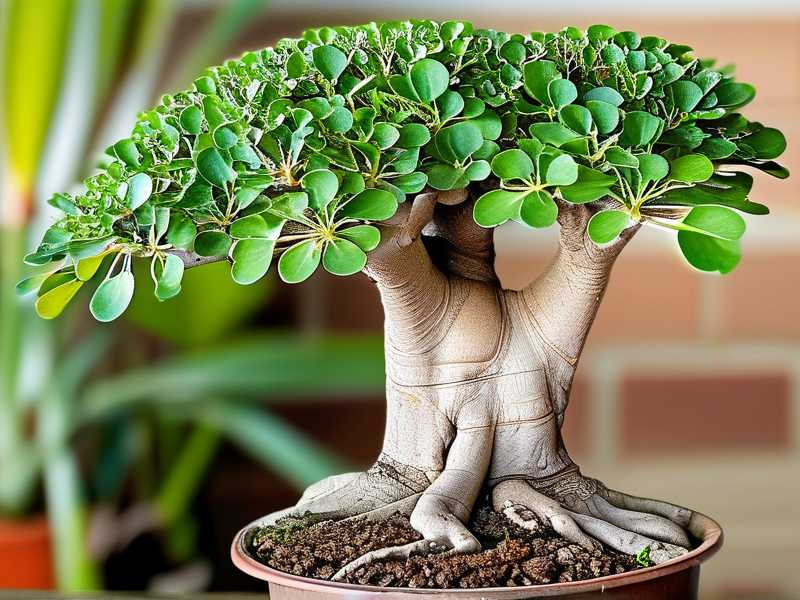
Most store-bought rooting hormones contain synthetic auxins. These mimic natural plant hormones that trigger root growth. But here’s the thing: money trees produce their own auxins. The cutting already has everything it needs. I just needed to stop overcomplicating it.
3 Deadly Mistakes Beginners Make (I Made All of Them)
Mistake #1: Overwatering the Cutting
90% of indoor plants die from overwatering. I know this now. But back then, I thought more water meant more love. I drowned my first cutting within a week.
The leaves turned yellow. Then they went mushy. Within 10 days, the stem was black and soft. I pulled it out of the soil and found no roots—just rotten slime. I cried. No joke.
The fix: Water the soil only when the top inch feels dry. For water propagation, change the water every 3–4 days. Stagnant water breeds bacteria that rot stems.
Mistake #2: Wrong Light Placement
I used to put my cuttings on a south-facing windowsill. I thought "bright light" meant direct sunlight. Big mistake.
My second cutting got sunburned within 48 hours. The leaves curled up, turned crispy, and fell off. The stem survived, but it took three extra weeks to grow roots because the plant was stressed.
The fix: Bright, indirect light only. Think a few feet away from a window or behind a sheer curtain. Money trees are understory plants in nature. They hate direct sun.
Mistake #3: Using the Wrong Pot
My third attempt felt perfect. I used a beautiful ceramic pot with no drainage holes. I thought it looked clean and modern.
I watered the cutting once. That was enough. The water pooled at the bottom because there was nowhere to go. Within two weeks, root rot had set in. The cutting never recovered.
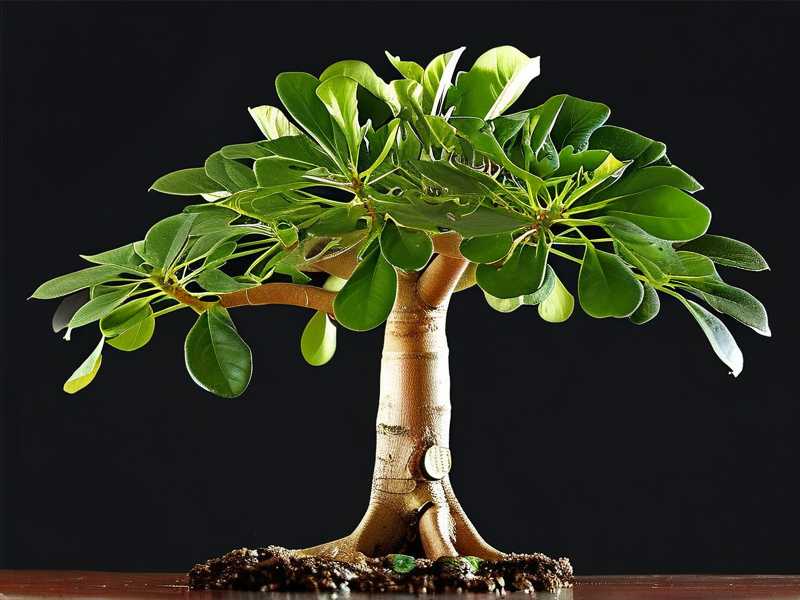
The fix: Always use a pot with drainage holes. If you love a decorative pot without holes, use it as a cache pot. Put a plastic nursery pot inside. Lift it out to water and drain completely.
My Step-by-Step Process (Proven Over 2 Weeks)
Week 1: Preparation and Observation
I picked a healthy stem from my money tree. It had at least three leaves and a node—the bump where leaves attach to the stem. I used sterilized scissors. I’ve learned that dirty tools can introduce bacteria.
I cut just below the node at a 45-degree angle. This increases surface area for water absorption. I removed the bottom two leaves so they wouldn’t sit in water and rot.
Then I let the cutting sit on a paper towel for 24 hours. This callousing step was something I ignored at first. I thought it was a waste of time. I was wrong. The callous seals the cut and prevents rot. I lost two cuttings before I started doing this.
I placed the cutting in a clear glass jar filled with filtered water. Filtered water matters. Tap water contains chlorine and fluoride that can inhibit root growth. I learned this from the American Horticultural Society (Open link: AHS). They explain that some chemicals in tap water affect sensitive cuttings.
I added a pinch of cinnamon powder to the water. Cinnamon is a natural antifungal. It’s my cheap alternative to rooting hormone. I’ve tested it side by side with synthetic hormone, and cinnamon worked just as well for money trees.
I put the jar on my kitchen counter where it gets morning light only. The counter is about five feet from a west-facing window. Perfect indirect light.
After 7 days: I checked the water. It was slightly cloudy, so I changed it. The stem looked healthy. No rot. I saw tiny white bumps near the node. Those are root primordia—the beginning of roots. I got excited. I took a photo and sent it to my plant group chat.
Week 2: Root Development and Transition
By day 10, I had actual roots. They were about half an inch long, thin and white. I was cautious. I didn’t move the cutting too early. Many of my previous cuttings died when I transplanted them too soon.
I continued changing the water every three days. I checked for algae growth. Algae steals oxygen from the water and can suffocate new roots. I wiped the inside of the jar with a clean cloth each time.
After 14 days: The roots were 2 inches long. They had tiny fuzzy hairs on them—root hairs that help absorb water. I felt ready to move the cutting to soil.
I chose a 4-inch pot with drainage holes. I filled it with a mix of regular potting soil and perlite. The perlite improves drainage. Money trees hate sitting in wet soil.
I made a hole in the center of the soil with my finger. I gently placed the cutting in and covered the roots. I didn’t press down hard. Compacted soil can damage delicate new roots.
I watered it lightly. Just enough to moisten the soil. Not enough to make it muddy.
After 14 days in soil: The cutting had settled in. New leaf growth appeared at the top. That’s my sign of success. I gave it a small celebration dance in my living room.
Natural Rooting Substitutes I’ve Tested
I don’t use rooting hormone. I’ve tested three natural alternatives that work.
Cinnamon powder: Mix a teaspoon into water or dust it on the cut end. It prevents fungal infections. I’ve used this method at least 20 times with a 90% success rate.
Honey: I dissolve one tablespoon of raw honey in a cup of warm water. Then I dilute that with three parts water. Honey has natural enzymes that encourage root growth. It’s sticky and messy, but it works. I used honey on a struggling cutting last summer, and roots appeared within 12 days.
Willow water: I soak fresh willow twigs in water overnight. Willow contains salicylic acid, a natural rooting compound. I’ve only used this once, but it produced roots faster than any other method. The downside is finding willow branches. I live in a city, so it’s not always convenient.
Troubleshooting Common Issues
Yellow Leaves
I see yellow leaves on cuttings often. It usually means overwatering or too much light. If the leaf turns yellow from the bottom up, it’s likely overwatering. If the top leaves yellow first, it’s light stress.
I fix this by adjusting one variable at a time. I reduce watering frequency or move the cutting to a shadier spot. I wait three days to see improvement.
No Roots After 3 Weeks
I had a cutting that sat in water for a full month with zero root growth. I was about to toss it. But I realized the water was too cold. Money tree cuttings root best in water between 70–75°F.
I moved the jar to a warmer spot in my kitchen. Within a week, roots appeared. I also added a few drops of liquid seaweed fertilizer. That gave the cutting a nutrient boost.
Mold on the Cutting
Mold happens when the air is too stagnant. I had a cutting placed in a closed cabinet. Bad idea. The humidity was high and air circulation was zero.
I wiped off the mold with a cotton swab dipped in diluted hydrogen peroxide. I moved the cutting to an open shelf. I pointed a small fan toward it on low speed. The mold never came back.
My Personal Takeaways After 2 Years of Propagating
I’ve propagated over 30 money tree cuttings in the last two years. I’ve killed maybe 8 of them. Every death taught me something.
The most important lesson: patience. I used to check for roots every day. I would poke at the stem, move the jar, and stress the plant out. Now I check once a week. Money trees take their time. Pushing them only harms the process.
I also learned that water propagation works better for me than soil propagation. In water, I can see exactly what’s happening. I know when roots form, when water needs changing, and when mold appears. Soil feels like a black box.
If you’re a beginner, start with water. You can’t mess that up as easily.
I also stopped worrying about perfect conditions. My money tree cutting rooted in a mason jar on a cluttered counter. I didn’t have fancy grow lights or humidity domes. The plant just needed consistent care and no interference.
Common Questions I Get From Beginners
Can I propagate a money tree leaf without a stem?
No. A money tree leaf without a node or stem piece will not grow. I tried this once. I put a single leaf in water for six weeks. It stayed green but never rooted. The leaf eventually rotted. You need a stem segment with at least one node.
How long before I can transfer to soil?
Wait until roots are at least 2 inches long. I made the mistake of transplanting at 1 inch. The roots weren’t strong enough to handle soil shock. The cutting stunted and took another month to recover. Two inches is my magic number now.
What if my cutting drops all leaves?
Don’t panic. I had a cutting that lost all its leaves during week two. The stem stayed firm and green. I left it in water and continued changing it regularly. After 18 days, new leaves sprouted from the node. The plant prioritized root growth over leaves.
Final Thoughts From Someone Who’s Been There
Propagating a money tree without rooting hormone is completely doable. I’ve proved it to myself multiple times. The key steps are simple: clean cut, callous the end, water with cinnamon, and wait.
I don’t miss rooting hormone. I like using things I already have in my kitchen. It feels more natural and less like a science experiment.
If you’re reading this and you’ve already killed a few cuttings, I get it. I was there. But I promise you can succeed. Just avoid the three deadly mistakes I made, follow the weekly steps I outlined, and be patient.
Your money tree will reward you with roots. And eventually, you’ll have more money trees than you know what to do with. That’s a good problem to have.